
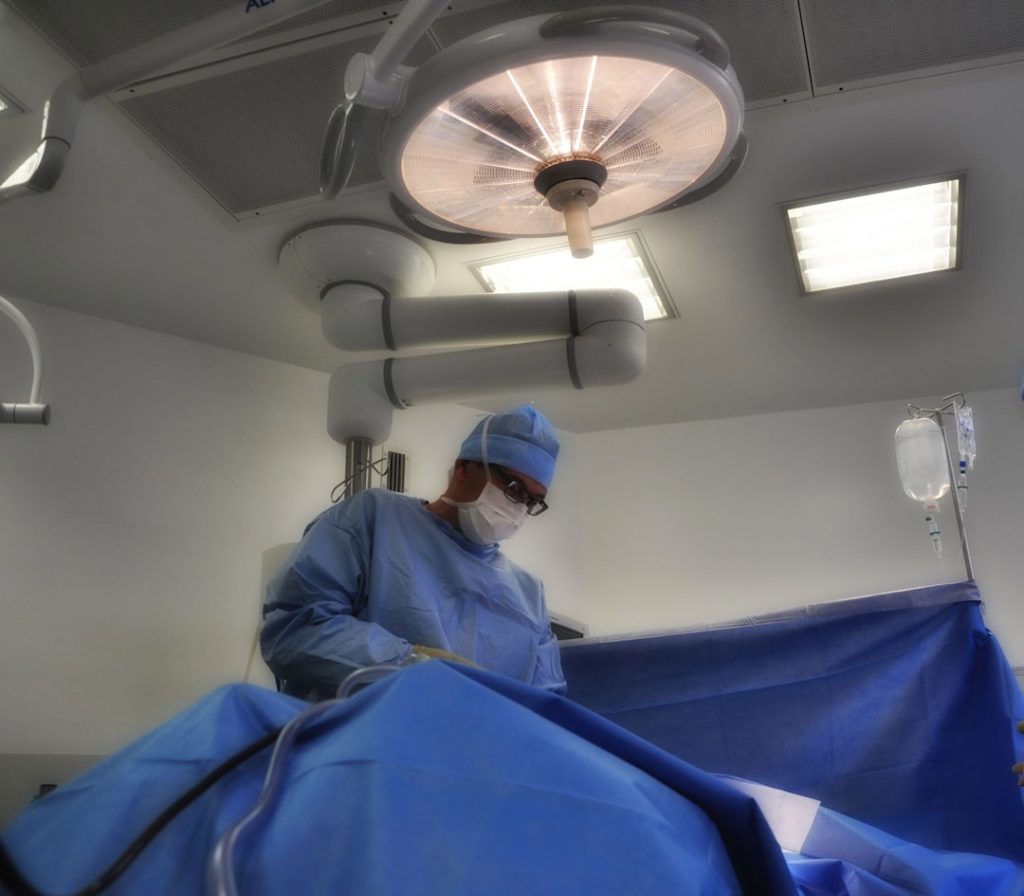
Plastic surgery clinical trials are structured research studies designed to evaluate the safety and effectiveness of new surgical techniques, devices, or procedures in the field of plastic and reconstructive surgery. These trials are essential for advancing medical knowledge and improving patient outcomes. They often involve a diverse range of procedures, from cosmetic enhancements like breast augmentation and rhinoplasty to reconstructive surgeries aimed at restoring function and appearance after trauma or illness.
The trials are typically conducted in phases, each with specific objectives, methodologies, and participant criteria. The process begins with preclinical studies, which may involve laboratory research or animal testing to gather preliminary data on the safety and efficacy of a new intervention. Once sufficient evidence is gathered, researchers can move to human trials, which are divided into phases.

Phase I trials focus on safety and dosage, Phase II trials assess efficacy and side effects, and Phase III trials compare the new intervention against standard treatments. Each phase is crucial for ensuring that any new procedure or device is not only effective but also safe for human use.
Key Takeaways
- Plastic surgery clinical trials help advance new techniques and treatments in the field.
- Participants may benefit from access to cutting-edge procedures and expert medical care.
- Eligibility criteria vary and must be carefully reviewed before enrolling in a trial.
- Understanding potential risks and what to expect is crucial before joining a clinical trial.
- Numerous resources and local listings are available to help find and enroll in nearby plastic surgery trials.
Benefits of Participating in Plastic Surgery Clinical Trials

Participating in plastic surgery clinical trials can offer numerous advantages for individuals considering surgical interventions. One of the most significant benefits is access to cutting-edge treatments that may not yet be available to the general public. Participants often receive the latest surgical techniques or devices that have shown promise in preliminary studies, potentially leading to better outcomes than traditional methods.
This access can be particularly appealing for patients who have not found success with existing options or who are seeking innovative solutions for their conditions. Moreover, participants in clinical trials typically receive comprehensive medical care throughout the study. This includes regular monitoring by healthcare professionals, which can lead to early detection of any complications or side effects.
Additionally, many trials cover the costs associated with the procedure, including pre-operative assessments, the surgery itself, and post-operative follow-ups. This financial aspect can alleviate some of the burdens associated with elective surgeries, making participation an attractive option for those who may be concerned about costs.
Finding Plastic Surgery Clinical Trials Near Me

Locating plastic surgery clinical trials in your area can be a straightforward process if you know where to look. One of the most reliable resources is clinical trial registries, such as ClinicalTrials.gov, which is maintained by the U.S. National Library of Medicine. This database allows users to search for trials based on various criteria, including location, condition, and type of intervention. By entering your zip code or city, you can find a list of ongoing studies that match your interests. In addition to online registries, local hospitals and academic medical centers often conduct their own clinical trials. Many institutions have dedicated research departments that focus on plastic surgery and may have information about current studies. Reaching out directly to these facilities can provide insights into available trials and the specific criteria for participation. Furthermore, consulting with your plastic surgeon or primary care physician can also yield valuable information; they may be aware of ongoing studies or can refer you to specialists involved in clinical research.
Eligibility Criteria for Participating in Plastic Surgery Clinical Trials
Eligibility criteria for plastic surgery clinical trials vary widely depending on the specific study’s goals and design. Generally, these criteria are established to ensure that participants are suitable for the intervention being tested and that the results will be valid and applicable to a broader population. Common factors considered include age, gender, medical history, and the specific condition being treated.
For instance, some trials may only accept patients within a certain age range or those who have not undergone previous surgeries for their condition. In addition to demographic factors, researchers often assess participants’ overall health status. Individuals with certain comorbidities or those taking specific medications may be excluded from participation to minimize risks and ensure that the results reflect the intervention’s effectiveness accurately.
It is essential for potential participants to review these criteria carefully before enrolling in a trial, as meeting all requirements is crucial for both safety and scientific integrity.
What to Expect When Participating in Plastic Surgery Clinical Trials
| Trial Name | Location | Phase | Condition | Enrollment Status | Estimated Completion |
|---|---|---|---|---|---|
| Breast Reconstruction Techniques | New York, NY | Phase 3 | Post-Mastectomy Reconstruction | Recruiting | December 2024 |
| Facial Scar Reduction Study | Los Angeles, CA | Phase 2 | Hypertrophic Scars | Active, not recruiting | March 2025 |
| Rhinoplasty Outcome Evaluation | Chicago, IL | Phase 4 | Cosmetic Nose Surgery | Completed | January 2023 |
| Fat Grafting for Hand Rejuvenation | Houston, TX | Phase 1 | Hand Aging | Recruiting | August 2024 |
| Minimally Invasive Breast Lift | Miami, FL | Phase 2 | Breast Ptosis | Recruiting | November 2024 |
When you decide to participate in a plastic surgery clinical trial, you can expect a structured process that begins with an informed consent discussion. This step is critical as it ensures that you understand the nature of the study, including its purpose, procedures involved, potential risks, and benefits. You will have the opportunity to ask questions and clarify any uncertainties before agreeing to participate.
Once enrolled, participants typically undergo a series of assessments that may include physical examinations, imaging studies, and laboratory tests to establish a baseline health status. Depending on the trial’s design, you may be randomly assigned to receive either the experimental treatment or a control intervention (such as a placebo or standard care). Throughout the study, regular follow-up appointments will be scheduled to monitor your progress and collect data on outcomes such as recovery time, satisfaction levels, and any adverse effects experienced during the trial.
Risks and Considerations of Participating in Plastic Surgery Clinical Trials
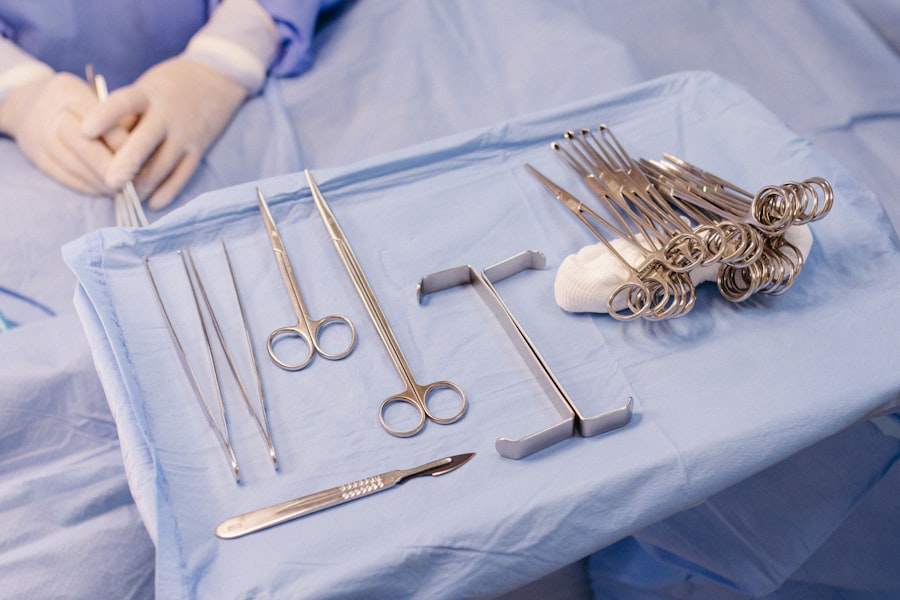
While participating in plastic surgery clinical trials can offer significant benefits, it is essential to consider the potential risks involved. One primary concern is that experimental procedures may not have undergone extensive testing prior to human trials. As a result, there may be unknown side effects or complications that could arise during or after the surgery.
Participants should be aware that they may experience outcomes that differ from those anticipated based on previous studies or standard practices. Additionally, there is often a level of uncertainty regarding the effectiveness of new interventions compared to established treatments. While many trials aim to improve upon existing methods, there is no guarantee that the experimental procedure will yield better results.
Participants should weigh these risks against their personal circumstances and treatment goals before deciding to enroll in a trial. Open communication with healthcare providers about concerns and expectations is vital in making an informed decision.
How to Enroll in Plastic Surgery Clinical Trials Near Me
Enrolling in a plastic surgery clinical trial typically involves several steps that begin with identifying suitable studies based on your interests and eligibility criteria. Once you find a trial that aligns with your needs, you will need to contact the research team responsible for the study. This initial communication often involves providing basic information about yourself and your medical history to determine if you meet the eligibility requirements.
If you qualify for participation, you will be invited for an initial consultation where further assessments will take place. During this meeting, researchers will explain the study in detail, including what participation entails and any potential risks involved. After this discussion, you will be asked to sign an informed consent form if you choose to proceed.
Following enrollment, you will begin participating in the trial according to its specific protocols.
Resources for Finding More Information about Plastic Surgery Clinical Trials
For individuals interested in learning more about plastic surgery clinical trials, several resources are available that provide comprehensive information. ClinicalTrials.gov remains one of the most extensive databases for finding ongoing studies across various medical fields, including plastic surgery. This site offers detailed descriptions of each trial, including eligibility criteria, locations, contact information for researchers, and updates on study progress.
In addition to online registries, professional organizations such as the American Society of Plastic Surgeons (ASPS) provide valuable resources related to clinical research in plastic surgery. These organizations often publish guidelines and position statements regarding best practices in clinical trials and may also feature listings of ongoing studies conducted by their members. Furthermore, academic journals dedicated to plastic surgery frequently publish articles detailing recent advancements in research and clinical trials, offering insights into emerging trends and innovations within the field.
By utilizing these resources and engaging with healthcare professionals knowledgeable about clinical research, individuals can make informed decisions about participating in plastic surgery clinical trials while contributing to advancements in medical science.
