
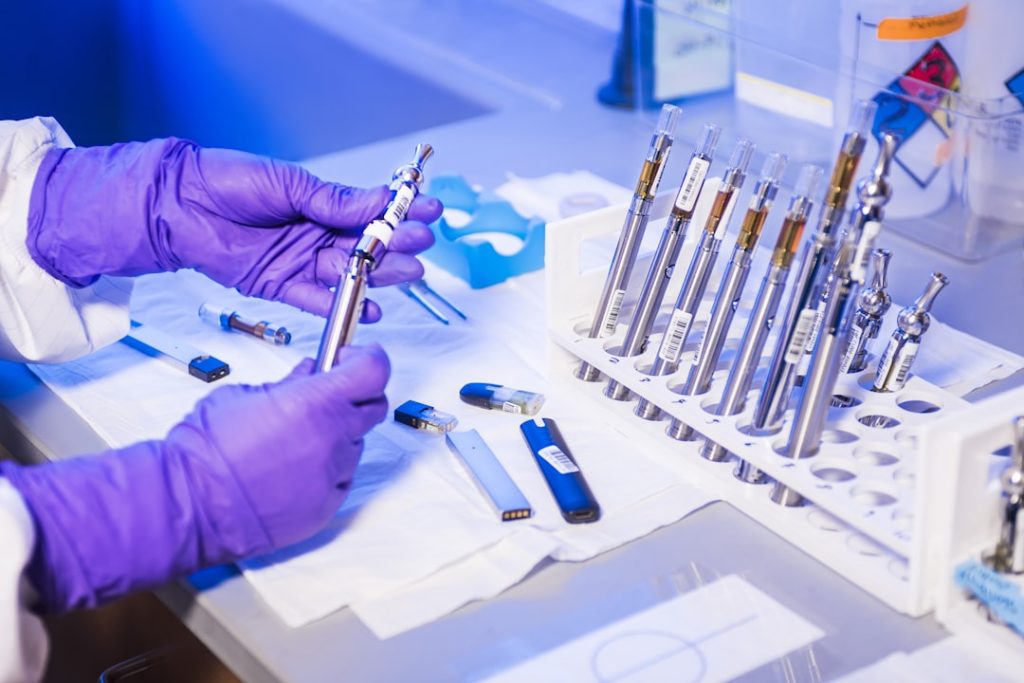
Synexus Clinical Research Ltd., commonly referred to as Synexus, is a prominent global site network dedicated to conducting clinical trials. Established in 1992, the company specializes in Phases II, III, and IV pharmaceutical research across various therapeutic areas. Its operations span multiple continents, making it a significant contributor to the advancement of medical science through clinical investigation. This article explores the current landscape of Synexus’s contributions, focusing on recent developments and its multifaceted role within the clinical research ecosystem.
Synexus operates on a decentralized model, leveraging a network of dedicated research sites and investigator partnerships. This structure differentiates it from traditional Contract Research Organizations (CROs) that primarily focus on managing trials externally. Synexus directly recruits patients, manages site operations, and collects data, acting as a direct interface between pharmaceutical sponsors and study participants.
Evolution and Expansion

Since its inception, Synexus has undergone significant expansion, both geographically and in its therapeutic scope. Initially focused on a limited set of medical conditions, the company has broadened its expertise to encompass a wide array of disease areas, including but not limited to, cardiovascular diseases, metabolic disorders, respiratory conditions, central nervous system disorders, and oncology. This expansion is a testament to the increasing demand for specialized clinical trial sites capable of efficiently recruiting and retaining diverse patient populations.
Integration with PPD
In 2017, Synexus was acquired by PPD, a leading global CRO. This acquisition integrated Synexus’s extensive site network and patient recruitment capabilities into a larger clinical research framework. The synergy between Synexus’s direct site management and PPD’s broader trial management services has aimed to create a more streamlined and efficient clinical development pathway for pharmaceutical companies. This integration acts as a bridge, connecting localized trial execution with global project management.
The Role of Dedicated Research Sites

Synexus’s strength lies in its network of dedicated research sites. These sites are purpose-built for clinical trials, staffed by experienced research professionals, including principal investigators, sub-investigators, study coordinators, and regulatory specialists. This dedicated infrastructure is designed to optimize patient recruitment, ensure data quality, and maintain adherence to Good Clinical Practice (GCP) guidelines. The dedicated site model offers a controlled environment for conducting complex clinical protocols, minimizing external variables that can impact study outcomes.
Advancements in Therapeutic Areas and Research Modalities
Synexus is actively involved in a diverse range of therapeutic areas, continually adapting to the evolving landscape of medical research. Its participation in trials for novel treatments and preventative strategies underscores its commitment to addressing unmet medical needs.
Chronic Disease Management
A substantial portion of Synexus’s trials focuses on chronic diseases that impact large patient populations. This includes conditions such as type 2 diabetes, hypertension, asthma, and chronic obstructive pulmonary disease (COPD). The company plays a crucial role in evaluating new drug candidates that offer improved efficacy, safety profiles, and patient adherence for these long-term conditions. The pursuit of better management strategies for chronic ailments is a continuous endeavor, and Synexus provides a critical testing ground.
Oncology Research
Oncology remains a key area of focus for Synexus. The complexities of cancer research, including the need for precise patient stratification and the evaluation of highly targeted therapies, demand specialized expertise. Synexus contributes to trials investigating novel immunotherapies, targeted molecular therapies, and innovative chemotherapy regimens across various cancer types. The fight against cancer is a dynamic battle, and clinical trials are the front lines for developing new weaponry.
Rare Diseases and Orphan Drugs
While large-scale chronic diseases represent a significant portion of its portfolio, Synexus also contributes to the development of orphan drugs for rare diseases. These trials often present unique challenges, such as difficulties in patient recruitment due to the low prevalence of the conditions. Synexus’s global reach and established patient databases can aid in identifying eligible participants for these specialized studies, facilitating the development of treatments for underserved patient populations. For patients with rare diseases, clinical trials offer a beacon of hope and a pathway to potential therapies.
Emerging Technologies and Modalities
The clinical research landscape is increasingly incorporating new technologies and treatment modalities. Synexus is adapting to these trends by participating in trials involving gene therapies, cell therapies, and digital health interventions. The integration of technology into clinical trial design and execution is a continuous process, aiming to enhance efficiency and data quality. Embracing these new frontiers is essential for pushing the boundaries of medical possibility.
Patient Recruitment and Engagement Strategies

Effective patient recruitment and retention are cornerstones of successful clinical trials. Synexus employs a multi-pronged approach to ensure timely and appropriate patient enrollment, recognizing that patients are the lifeblood of clinical research.
Direct-to-Patient Outreach
Synexus utilizes various direct-to-patient recruitment strategies. This includes community outreach programs, targeted advertising campaigns, and leveraging its established patient databases. The goal is to reach potential participants who meet the specific inclusion and exclusion criteria for a given study. This direct communication eliminates intermediaries, fostering a more personalized approach to recruitment.
Physician Referrals and Partnerships
Collaborations with local physicians and specialists are integral to Synexus’s recruitment model. By fostering strong relationships with healthcare providers, Synexus gains access to their patient populations who may be eligible for clinical trials. These partnerships are mutually beneficial, offering physicians additional treatment options for their patients and providing Synexus with a reliable source of potential participants. Physicians act as vital gatekeepers, guiding patients towards potentially beneficial research opportunities.
Enhancing Patient Experience
Recognizing the importance of patient retention, Synexus places emphasis on optimizing the patient experience throughout the trial duration. This includes clear communication, convenient scheduling, comfortable facilities, and compassionate study staff. Addressing patient concerns and providing comprehensive support helps to minimize drop-out rates and ensures the integrity of study data. A positive patient experience is not merely a courtesy; it is a critical driver of trial success.
Decentralized Trial Components
The rise of decentralized clinical trials (DCTs) has reshaped the landscape of patient engagement. Synexus is exploring and implementing various DCT components, such as remote monitoring, telemedicine consultations, and home-based visits, where appropriate. These strategies aim to reduce the burden on participants, particularly those with mobility issues or residing in remote areas, thereby broadening access to clinical trials. Decentralization chips away at geographical barriers, bringing research closer to the patient.
Quality Assurance and Regulatory Compliance

Adherence to rigorous quality standards and regulatory guidelines is paramount in clinical research. Synexus operates within a strict framework of compliance, ensuring the safety and rights of participants and the integrity of data.
Good Clinical Practice (GCP) Adherence
Synexus’s operations are meticulously aligned with International Council for Harmonisation (ICH) Good Clinical Practice (GCP) guidelines. These international ethical and scientific quality standards are essential for designing, conducting, recording, and reporting trials that involve human subjects. Regular training, internal audits, and external regulatory inspections ensure ongoing compliance. GCP is the bedrock upon which ethical and scientifically sound clinical research is built.
Ethical Review and Informed Consent
Before any trial commences, ethical approval from independent institutional review boards (IRBs) or ethics committees (ECs) is secured. Synexus prioritizes the informed consent process, ensuring that all potential participants fully understand the purpose, procedures, potential risks, and benefits of a study before agreeing to participate. This transparent process safeguards participant autonomy and welfare. Informed consent is more than a signature; it is a profound agreement to contribute to scientific advancement, understood and embraced by the participant.
Data Integrity and Security
The generation and management of clinical trial data are critical for regulatory submissions and scientific publications. Synexus employs robust data management systems and quality control procedures to ensure the accuracy, completeness, and confidentiality of all collected data. Data security protocols are in place to protect sensitive patient information in accordance with privacy regulations such as GDPR and HIPAA. Data is the currency of clinical research, and its integrity is non-negotiable.
Regulatory Submissions and Audits
Synexus collaborates closely with sponsors in preparing documentation for regulatory submissions to health authorities worldwide. The company is also subject to internal and external audits to verify compliance with protocols, GCP standards, and regulatory requirements. These audits serve as quality control mechanisms, identifying areas for improvement and ensuring continuous adherence to best practices. Regulatory scrutiny is a necessary crucible for forging robust scientific evidence.
The Future of Clinical Trials: Innovation and Impact
| Metric | Value | Details |
|---|---|---|
| Number of Clinical Trials Conducted | 500+ | Global trials across multiple therapeutic areas |
| Therapeutic Areas Covered | 20+ | Including oncology, cardiology, neurology, and more |
| Patient Recruitment Rate | 95% | High recruitment efficiency due to extensive patient database |
| Average Trial Duration | 12-18 months | Varies depending on study phase and complexity |
| Number of Global Sites | 100+ | Sites located in North America, Europe, Asia, and Africa |
| Data Quality Compliance | 99.9% | Adherence to GCP and regulatory standards |
| Patient Retention Rate | 90% | Strong patient engagement and follow-up protocols |
The landscape of clinical trials is constantly evolving, driven by scientific advancements, technological innovation, and changing regulatory environments. Synexus is positioned to adapt to these changes and contribute to the future of medical discovery.
Focus on Personalized Medicine
The shift towards personalized medicine, where treatments are tailored to an individual’s genetic makeup and disease characteristics, presents new opportunities and challenges for clinical trials. Synexus is involved in studies that require precise patient stratification and biomarker analysis, contributing to the development of highly targeted therapies. This tailoring of treatments is akin to fitting a key to a specific lock, rather than trying a master key on all doors.
Leveraging Artificial Intelligence and Machine Learning
Artificial intelligence (AI) and machine learning (ML) are increasingly being integrated into various aspects of clinical research, from identifying potential drug candidates to optimizing trial design and patient recruitment. Synexus is exploring how these technologies can enhance its operations, improve efficiency, and accelerate the clinical development process. AI and ML are powerful lenses, capable of discerning patterns and insights hidden within vast datasets.
Global Health Challenges
Synexus continues to play a role in addressing global health challenges, including infectious diseases and neglected tropical diseases. Its adaptable global network allows for participation in trials in diverse geographical regions, contributing to public health initiatives and the development of much-needed therapies for underserved populations. The reach of clinical trials must match the global nature of disease.
Sustainability and Ethical Responsibility
As a key player in the pharmaceutical industry, Synexus recognizes its responsibility to conduct research ethically and sustainably. This includes minimizing the environmental impact of its operations, promoting diversity and inclusion in clinical trials, and contributing to the broader scientific community through knowledge sharing and collaboration. Ethical responsibility is not a footnote; it is woven into the very fabric of scientific pursuit.
By maintaining its focus on scientific rigor, patient centricity, and operational excellence, Synexus aims to remain a vital force in clinical research, supporting the development of novel therapies that improve human health worldwide. Its ongoing contributions underscore the critical role that dedicated site networks play in advancing medical science, acting as a crucial conduit between scientific discovery and patient access to new treatments. The journey from laboratory bench to bedside is long and arduous, and Synexus occupies a vital waypoint.
