
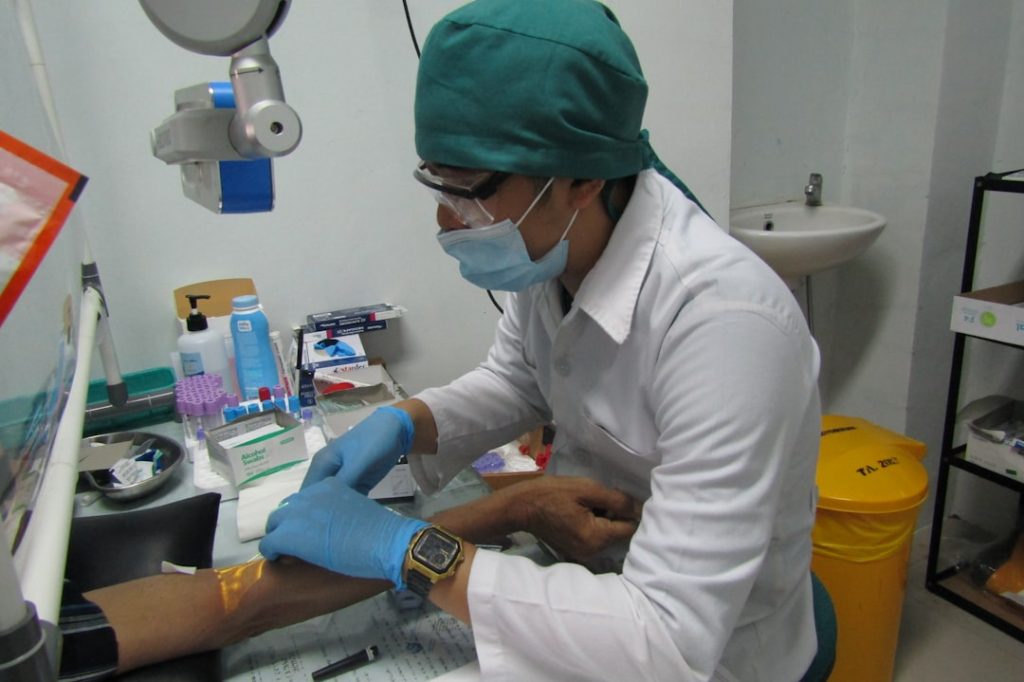
Participating in a clinical trial can offer individuals access to novel treatments, thorough medical evaluations, and sometimes financial compensation. This article aims to demystify the process of locating and understanding volunteer clinical trials, providing a practical guide for those considering participation.
Clinical trials are research studies conducted in human volunteers to evaluate the safety and efficacy of new medical interventions. These interventions can include drugs, vaccines, medical devices, surgical procedures, or behavioral therapies. The journey of a new treatment from laboratory bench to patient bedside is a lengthy and meticulous one, with clinical trials forming the crucial validation stage. Without them, medical progress would stall, much like a ship without a compass.
Phases of Clinical Trials

Clinical trials are typically structured into distinct phases, each designed to answer specific research questions.
- Phase 0 (Exploratory Studies): These are small studies involving a few participants, often looking at how a new drug is absorbed, distributed, metabolized, and excreted (pharmacokinetics) in the human body. They typically involve subtherapeutic doses.
- Phase I (Safety and Dosage): These trials involve a small group of healthy volunteers or patients with the target condition. The primary goal is to assess safety, determine a safe dosage range, and identify potential side effects.
- Phase II (Efficacy and Side Effects): Involving a larger group of patients with the condition, Phase II trials evaluate the effectiveness of the intervention and continue to monitor for adverse effects.
- Phase III (Confirmation and Comparison): These are large-scale trials comparing the new intervention to existing treatments or a placebo. They aim to confirm efficacy and safety in a broader population and collect data for regulatory approval.
- Phase IV (Post-Marketing Surveillance): Conducted after a drug or treatment has been approved for market, Phase IV trials monitor long-term effects, optimal use, and rare side effects in the general population.
Key Terminology
Familiarity with specific terms is essential for navigating the landscape of clinical trials.
- Inclusion/Exclusion Criteria: These are specific characteristics that define who can and cannot participate in a trial. Adherence to these criteria ensures participant safety and the integrity of the study results.
- Informed Consent: A process where potential participants receive detailed information about a trial, including its purpose, procedures, risks, and benefits, before deciding whether to enroll. This is a fundamental ethical requirement.
- Placebo: An inactive substance or treatment designed to resemble the active intervention. It is used as a control in some trials to distinguish the effects of the intervention from the placebo effect.
- Blinding/Masking: A technique used to prevent bias. In a single-blind trial, participants are unaware of their assignment (treatment or placebo). In a double-blind trial, both participants and researchers are unaware.
- Institutional Review Board (IRB) / Ethics Committee: An independent committee responsible for reviewing and approving clinical trial protocols to ensure participant safety and ethical conduct.
Why Participate in a Clinical Trial?

Individuals choose to participate in clinical trials for a variety of reasons, ranging from altruism to personal health benefits.
Access to Novel Treatments
For conditions where existing therapies are insufficient or unavailable, clinical trials can offer access to investigational treatments that are not yet publicly available. This early access can be a beacon of hope for patients facing difficult diagnoses.
Comprehensive Medical Care
Participants in clinical trials often receive extensive medical evaluations and close monitoring by a team of healthcare professionals. These evaluations can include diagnostic tests, specialist consultations, and regular check-ups, often at no cost to the participant. This level of oversight can provide a deeper understanding of one’s health status.
Contributing to Medical Advancement
Many volunteers are motivated by the desire to contribute to scientific knowledge and help others. By participating, individuals play a direct role in the development of new treatments and therapies that can benefit future generations. This contribution can be a profound source of personal satisfaction.
Financial Compensation
Some clinical trials offer financial compensation for time, travel, and inconvenience. This is not a payment for participating in research but rather a reimbursement for associated costs and the burden of participation. The amount varies significantly depending on the trial’s demands and duration.
Locating Clinical Trials Near You

The process of finding a suitable clinical trial involves utilizing various resources and understanding how to filter information effectively.
Online Databases and Registries
Several reputable online platforms serve as central repositories for clinical trial information. These databases are often the first port of call for individuals seeking trials.
- ClinicalTrials.gov: Operated by the U.S. National Library of Medicine, this is a comprehensive database of publicly and privately funded clinical studies conducted around the world. It provides detailed information on study design, eligibility criteria, locations, and contact information. You can search by condition, intervention, and location.
- WHO International Clinical Trials Registry Platform (ICTRP): This portal provides access to a comprehensive listing of clinical trials registered in various primary and partner registries worldwide. It’s a useful resource for broader international searches.
- EU Clinical Trials Register: This register provides information on clinical trials conducted in the European Union, making it relevant for individuals in European countries.
- Disease-Specific Organizations: Many patient advocacy groups and disease-specific organizations (e.g., American Cancer Society, National MS Society) maintain their own lists of ongoing clinical trials relevant to their target conditions. These resources often provide curated lists and additional support.
Healthcare Providers and Specialists
Your personal physician or a specialist familiar with your medical history can be an invaluable resource in identifying relevant clinical trials. They possess the clinical knowledge to assess your eligibility and recommend trials that align with your health needs.
- Referrals: Doctors may have direct knowledge of trials being conducted at their own institutions or within their professional network.
- Medical Center Research Departments: Many academic medical centers and large hospital systems have dedicated research departments or clinical trial offices. Contacting these departments directly can yield information on locally available trials.
Clinical Research Organizations (CROs)
CROs are companies that provide support to the pharmaceutical, biotechnology, and medical device industries in the form of research services. They often recruit participants for trials they are managing.
- Trial Websites: Many CROs maintain websites listing trials they are recruiting for. Searching for “clinical trials [your city]” or “research studies [your condition]” might lead to CRO-managed trials.
- Local Advertising: CROs and research sites often advertise for participants through local newspapers, community centers, social media, and online forums.
Evaluating a Clinical Trial

Once you have identified potential trials, a thorough evaluation is crucial to ensure it aligns with your expectations and health needs. Consider potential benefits and risks as two sides of the same coin.
Understanding the Protocol
The clinical trial protocol is the detailed plan for the study. While not always directly accessible to participants in its entirety, understanding its key aspects is important.
- Study Objectives: Clearly identify what the trial aims to achieve. Is it evaluating the safety of a new drug, comparing its effectiveness to an existing one, or exploring a new diagnostic method?
- Procedures and Commitments: Understand the frequency and type of visits, medical tests (e.g., blood draws, imaging scans, biopsies), and any required lifestyle modifications. Assess if these commitments are manageable within your life.
- Duration of Participation: Clinical trials can range from a few weeks to several years. Be aware of the time commitment involved.
Risks and Benefits
Every medical intervention carries potential risks, and clinical trials are no exception. The informed consent process is designed to thoroughly explain these to you.
- Potential Risks: These can range from mild side effects (e.g., nausea, fatigue) to serious adverse events. Discuss these in detail with the research team. Remember that the full spectrum of side effects for a new intervention might not yet be known.
- Potential Benefits: These often include access to innovative treatments, close medical monitoring, and contributing to scientific advancement. However, there is no guarantee of personal benefit, and the intervention may not be effective for you.
- Standard of Care: In some trials, participants may receive the standard of care as part of a control group. Understand what this entails and how it compares to the investigational treatment.
Questions to Ask the Research Team
Preparing a list of questions to ask the research team during the informed consent process is highly recommended. This allows you to gather all necessary information before making a decision.
- “What are the known risks and potential side effects of the investigational treatment?”
- “What are the potential benefits of participating in this trial?”
- “What alternative treatment options are available to me?”
- “What will my responsibilities be as a participant?”
- “How often will I need to visit the study site, and for how long?”
- “Will I receive compensation for my time and travel?”
- “Who will have access to my medical information, and how will my privacy be protected?”
- “What happens if I decide to withdraw from the study?”
- “Who is funding this research?”
- “What happens at the end of the trial?”
The Informed Consent Process
| Trial Name | Location | Condition Studied | Volunteer Age Range | Trial Duration | Compensation | Contact Information |
|---|---|---|---|---|---|---|
| COVID-19 Vaccine Study | New York, NY | COVID-19 Prevention | 18-65 years | 6 months | Up to 500 | contact@nyclinicaltrials.org |
| Diabetes Management Trial | Chicago, IL | Type 2 Diabetes | 30-70 years | 12 months | Up to 800 | info@chicagotrials.com |
| Asthma Treatment Study | Los Angeles, CA | Asthma | 12-50 years | 9 months | Up to 600 | asthma@latrials.net |
| Alzheimer’s Disease Research | Boston, MA | Alzheimer’s Disease | 55+ years | 18 months | Up to 1000 | alzheimers@bostonresearch.org |
| Hypertension Medication Trial | Houston, TX | High Blood Pressure | 40-75 years | 10 months | Up to 700 | hypertension@houstontrials.com |
The informed consent process is a cornerstone of ethical clinical research. It is designed to ensure that your decision to participate is voluntary and based on a comprehensive understanding of the trial.
Ethical Considerations
Before any clinical trial can begin, its protocol must be reviewed and approved by an Institutional Review Board (IRB) or Ethics Committee. This independent body evaluates the study to ensure:
- Participant Safety: Risks are minimized and reasonable in relation to potential benefits.
- Ethical Conduct: The study adheres to ethical principles such as beneficence (doing good), non-maleficence (doing no harm), autonomy (respecting individual choices), and justice (fairness in benefits and burdens).
- Voluntary Participation: All participants are free to choose whether or not to participate, without coercion.
Your Rights as a Participant
As a clinical trial participant, you have specific rights that are protected by regulations and ethical guidelines.
- Right to Information: You have the right to receive complete and understandable information about the trial before consenting.
- Right to Ask Questions: You can ask questions at any point during the process and receive clear answers.
- Right to Withdraw: You have the right to withdraw from the trial at any time, for any reason, without penalty or impact on your current or future medical care.
- Right to Privacy and Confidentiality: Your personal health information will be protected and kept confidential.
- Right to Medical Care: You will receive appropriate medical care during your participation in the trial.
Making an Informed Decision
Deciding to participate in a clinical trial is a significant personal choice. It requires careful consideration, often in consultation with your healthcare providers, family, and trusted advisors. Do not feel rushed or pressured. Take your time to review all the information, ask all your questions, and weigh the potential benefits and risks before signing the informed consent document. This document is not a contract waiving your rights, but rather a confirmation that you have been fully informed.
Participating in a clinical trial is an opportunity to contribute to the advancement of medicine, potentially gain access to cutting-edge treatments, and receive thorough medical oversight. By utilizing available resources and engaging in a thoughtful evaluation process, individuals can make informed decisions about whether a clinical trial is the right path for them.
