

Studying medicine presents unique challenges due to its extensive curriculum and high-stakes nature. Effective study strategies are crucial for navigating this demanding environment successfully. This article outlines practical tips to optimize your learning process, improve retention, and manage your time efficiently.
Passive learning, such as simply rereading notes, often proves insufficient in medical education. Active engagement with the material fosters deeper understanding and better recall.
Spaced Repetition

Spaced repetition is a powerful technique that leverages the forgetting curve. Instead of cramming, you review material at increasing intervals. Flashcard applications like Anki utilize this algorithm, presenting difficult cards more frequently and easier ones less often. This method reinforces memory consolidation. Imagine your brain as a muscle; spaced repetition acts as progressive overload, strengthening neuronal connections over time.
Practice Questions
Regularly testing yourself with practice questions is paramount. This not only assesses your knowledge gaps but also familiarizes you with the format of exams. Many question banks are available, often categorized by subject or organ system. Treat these questions not merely as assessments, but as learning opportunities. Analyze why correct answers are correct and, crucially, why incorrect answers are wrong. This meta-analysis refines your understanding.
Explaining Concepts to Others

The Feynman Technique, while not exclusively medical, is highly effective. If you can explain a complex medical concept to someone with limited medical knowledge in simple terms, you likely understand it well. This process forces you to clarify your thoughts, identify areas of confusion, and simplify intricate information. Consider forming study groups where you can take turns teaching different topics.
Case-Based Learning
Clinical cases serve as anchors for theoretical knowledge. Medical school often incorporates case-based learning (CBL) sessions. Actively participating in these, analyzing patient presentations, formulating differential diagnoses, and proposing management plans, solidifies your understanding of how basic science applies to real-world scenarios. This bridges the gap between textbook knowledge and clinical application, preparing you for clinical rotations.
Organization and Time Management
The sheer volume of information in medical school can be overwhelming without a structured approach. Effective organization and time management prevent burnout and ensure consistent progress.
Creating a Study Schedule
A well-structured study schedule is your compass in the vast ocean of medical knowledge. Allocate specific blocks of time for different subjects, balancing new material with review. Be realistic about your capacity. Overly ambitious schedules often lead to demotivation and abandonment. Integrate breaks to prevent mental fatigue. Think of your schedule as a blueprint for your academic week; it provides direction and helps you track progress.
Prioritization Techniques
Not all information holds equal weight. Learn to identify high-yield topics based on lecture emphasis, textbook content, and faculty guidance. Techniques like the Eisenhower Matrix (urgent/important) can help categorize tasks. Focus your energy on foundational concepts, pathology, pharmacology, and anatomy, which form the bedrock of medical understanding. Avoid getting bogged down in minutiae that may have minimal clinical relevance.
Utilizing Digital Tools
Leverage technology to your advantage. Note-taking applications (e.g., Notion, OneNote, Evernote) can organize your materials, integrate media, and facilitate searchability. Reference managers (e.g., Zotero, Mendeley) are invaluable for keeping track of research articles. Scheduling apps and calendar reminders ensure you don’t miss important deadlines or study sessions. These tools act as your personal academic assistant, streamlining your workflow.
Strategic Note-Taking and Resource Utilization
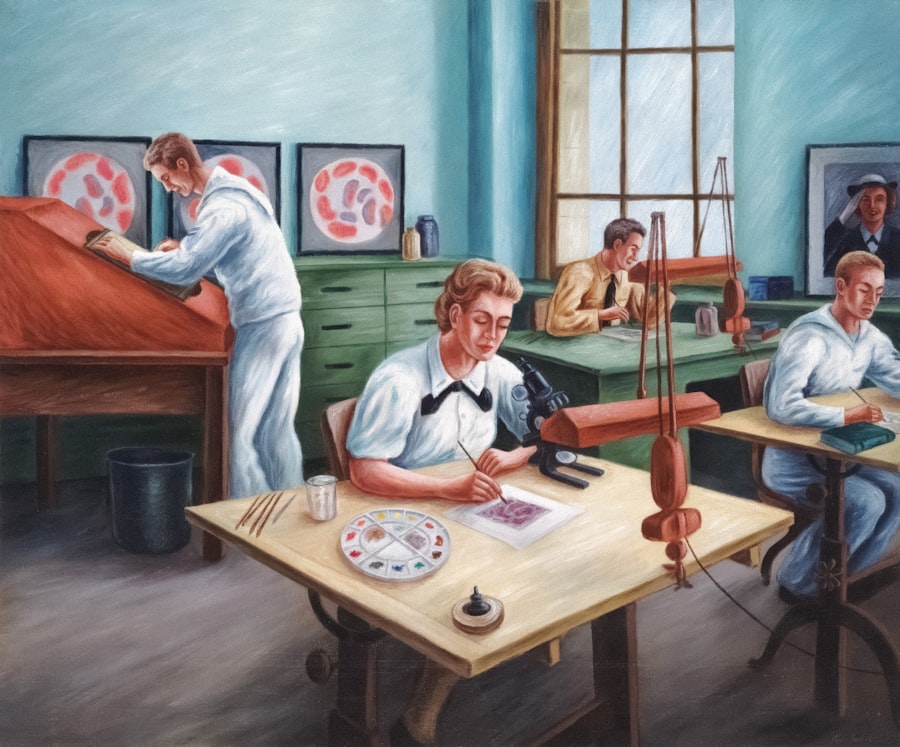
Effective note-taking transforms passive listening into active engagement, while discerning resource selection optimizes your study time.
Active Note-Taking
Note-taking should not be a verbatim transcription of lectures or textbooks. Instead, focus on synthesizing information, identifying key concepts, and making connections. Use techniques like Cornell notes, where you divide your page into sections for main notes, cues, and a summary. Mind maps are excellent for visualizing relationships between complex topics. Annotate textbooks and make margin notes; these personalizations enhance retention. Your notes should be a customized distillation of the material, not a mere copy.
Leveraging Different Learning Resources
Medical education provides a plethora of resources. Beyond lectures and textbooks, explore anatomy atlases (e.g., Netter’s, Gray’s), physiology textbooks (e.g., Guyton and Hall), and pharmacology resources (e.g., Katzung and Trevor’s). Online platforms offer video lectures (e.g., Osmosis, Boards and Beyond, SketchyMedical) that can supplement your understanding, particularly for visual learners. However, avoid resource overload. Identify a few high-quality resources that align with your learning style and stick with them. Constantly switching resources can dilute your focus.
Integrating Basic Sciences with Clinical Knowledge
Medical knowledge is not compartmentalized. Integrate basic science concepts (e.g., biochemistry, physiology) with clinical manifestations (e.g., pathophysiology, diagnosis, treatment). For instance, when learning about diabetes, understand the underlying insulin signaling pathways, the resulting metabolic derangements, the clinical presentation, and the pharmacological interventions. This holistic approach builds a robust mental framework, enabling you to connect the dots across different disciplines.
Maintaining Well-being

Medical school is a marathon, not a sprint. Neglecting your mental and physical health will inevitably impact your academic performance.
Prioritizing Sleep
Sleep is non-negotiable for memory consolidation and cognitive function. Chronic sleep deprivation impairs your ability to focus, learn new material, and recall information. Aim for 7-9 hours of quality sleep per night. Establish a consistent sleep schedule, even on weekends, to regulate your circadian rhythm. Think of sleep as the essential maintenance cycle for your brain; without it, performance degrades.
Incorporating Physical Activity
Regular exercise reduces stress, improves mood, and enhances cognitive function. Even short bursts of physical activity, such as a brisk walk or a quick workout, can significantly impact your mental clarity. It provides a crucial break from intense study and allows your mind to decompress. Physical activity is a powerful antidote to the sedentary nature of studying.
Stress Management Techniques
Medical school is inherently stressful. Develop healthy coping mechanisms. Mindfulness meditation, deep breathing exercises, or engaging in hobbies can help manage stress and prevent burnout. Identify your stressors and proactive strategies to address them. Seeking support from peers, mentors, or mental health professionals is a sign of strength, not weakness. Ignoring stress is like ignoring a growing lesion; it will only worsen over time.
Maintaining a Social Support System
Isolation can exacerbate the challenges of medical school. Nurture your relationships with family and friends. Connect with your classmates; they are experiencing similar challenges and can provide invaluable empathy and support. Study groups, social gatherings, and informal check-ins can create a sense of community and prevent feelings of isolation. Your support system acts as a resilient buffer against the pressures of your demanding academic journey.
Test-Taking Strategies
| Study Method | Description | Recommended Time | Effectiveness | Tips |
|---|---|---|---|---|
| Active Recall | Testing yourself on material rather than passively reading | 30-60 minutes daily | High | Use flashcards or practice questions |
| Spaced Repetition | Reviewing information at increasing intervals | 10-20 minutes per session | High | Use apps like Anki for scheduling reviews |
| Group Study | Collaborative learning with peers | 1-2 hours weekly | Moderate to High | Focus on discussing difficult topics |
| Practice Questions | Answering clinical and theoretical questions | 1-2 hours daily before exams | High | Review explanations thoroughly |
| Note-taking | Summarizing lectures and textbooks | 30-60 minutes per lecture | Moderate | Use concise bullet points and diagrams |
| Clinical Exposure | Hands-on learning in hospital or clinic | Varies by rotation | High | Ask questions and observe actively |
| Mind Mapping | Visual organization of complex topics | 20-30 minutes per topic | Moderate | Use colors and connections to enhance memory |
Exams are a core component of medical education. Understanding effective test-taking strategies can significantly improve your performance.
Understanding Exam Formats
Medical exams vary in format, from multiple-choice questions (MCQs) to short-answer questions, essays, and practical exams (OSCEs). Familiarize yourself with the specific format of each exam. If available, review past exams or practice tests provided by your institution. This reduces test anxiety and allows you to tailor your preparation.
Time Management During Exams
Pacing yourself during an exam is crucial. For MCQs, allocate a specific amount of time per question. If you get stuck on a difficult question, flag it and move on to others, returning to it later if time permits. Avoid spending excessive time on a single question at the expense of others. Develop a strategy to allocate your time proportionate to the weighting of each section.
Analyzing and Debriefing Exams
After an exam, regardless of the outcome, take time to analyze your performance. Review questions you answered incorrectly and understand the reasoning behind the correct answers. Identify patterns in your mistakes. Did you misunderstand a concept? Was there a knowledge gap? Or was it a careless error? This debriefing process is a powerful learning tool, ensuring you don’t repeat the same mistakes in future assessments. Each exam, therefore, becomes a diagnostic tool for your learning.
Conclusion
The path through medical school requires dedication, resilience, and, crucially, an adaptive and effective study methodology. By implementing active learning strategies, meticulous organization, discerning resource utilization, diligent self-care, and strategic test-taking approaches, you can navigate the demands of medical education successfully. Remember, learning medicine is an iterative process; continuous refinement of your study habits will be as vital as the knowledge you acquire.
