

The landscape of medical research offers diverse opportunities for individuals seeking to contribute to scientific advancement and public health. This article explores various career paths within this field, outlining the roles, responsibilities, and qualifications typically associated with them. Understanding these facets can assist in navigating the complex pathways available.
Entry into medical research often begins with foundational education and initial roles that provide exposure to scientific methodologies and laboratory environments. These early experiences are crucial for developing the skills necessary for more advanced positions.
Research Assistant: The Workhorse of the Lab

A research assistant (RA) serves as a critical support member of a research team. Their responsibilities typically involve executing experiments designed by senior researchers, collecting and analyzing data, and maintaining laboratory equipment. This role is often a stepping stone for individuals pursuing higher degrees or more independent research positions.
- Responsibilities: RAs perform tasks such as preparing reagents, culturing cells, operating analytical instruments (e.g., PCR machines, centrifuges), and meticulously recording experimental data in lab notebooks. They may also be involved in literature reviews and basic statistical analysis.
- Qualifications: A bachelor’s degree in a relevant scientific discipline (e.g., biology, chemistry, biochemistry, neuroscience) is usually required. Practical laboratory experience, often gained through undergraduate research or internships, is highly advantageous. Strong organizational skills, attention to detail, and the ability to follow protocols accurately are essential.
- Career Progression: With experience, RAs can advance to senior research assistant roles, gaining more autonomy in experimental design or project management. Many RAs pursue graduate studies to become independent researchers.
Graduate Student Researcher: The Apprentice Scientist
Graduate students conducting research—doctoral (Ph.D.) candidates in particular—are integral to the research enterprise. Their work forms the core of their thesis or dissertation, contributing original findings to their respective fields. This period is akin to an apprenticeship, where individuals learn to conceptualize, execute, and disseminate research under mentorship.
- Responsibilities: Ph.D. students are expected to develop an independent research project, design experiments, analyze complex data sets, interpret results, and prepare manuscripts for publication. They also present their findings at conferences and contribute to grant writing.
- Qualifications: A strong academic background in a scientific field, often with a master’s degree or significant undergraduate research experience, is typically required for admission to doctoral programs. Strong critical thinking, problem-solving abilities, and a high degree of self-motivation are paramount.
- Career Progression: Upon completing their Ph.D., individuals typically pursue postdoctoral fellowships, seeking further specialized training and independent research experience.
Navigating the Research Pipeline: Mid-Career Opportunities

As researchers gain experience and advanced degrees, they often move into positions that demand greater independence, leadership, and a broader scope of responsibilities. These mid-career roles are pivotal in driving research forward.
Postdoctoral Researcher: The Crucible of Independence
A postdoctoral researcher, or “postdoc,” undertakes a temporary position after completing their doctoral degree. This phase is designed to provide intensive, specialized training and to foster the development of an independent research program. It is a period of transition, bridging doctoral studies and a tenured academic or senior industry position.
- Responsibilities: Postdocs lead specific research projects, apply for grants, publish manuscripts, mentor junior lab members, and present their work nationally and internationally. They often work under the guidance of a principal investigator but are expected to develop their own research niche.
- Qualifications: A Ph.D. in a relevant scientific discipline is essential. A strong publication record, demonstrated ability in experimental design and data analysis, and excellent communication skills are highly valued.
- Career Progression: Successful postdocs often transition into faculty positions (e.g., assistant professor) in academia, research scientist roles in industry, or government research institutions.
Clinical Research Coordinator: Bridging Lab and Clinic
Clinical research coordinators (CRCs) are central to the execution of clinical trials. They serve as the primary link between the research team, patients, and regulatory bodies, ensuring that clinical studies adhere to protocols and ethical guidelines. Their role is analogous to a conductor, orchestrating the complex elements of a clinical study.
- Responsibilities: CRCs recruit and screen participants, obtain informed consent, collect patient data, administer study interventions (under supervision), monitor patient safety, manage regulatory documentation, and ensure compliance with Good Clinical Practice (GCP).
- Qualifications: A bachelor’s degree in nursing, public health, or a related scientific field is common. Certifications in clinical research (e.g., CCRP) are often preferred. Strong organizational skills, attention to detail, ethical judgment, and interpersonal communication skills are crucial.
- Career Progression: Experienced CRCs can advance to lead CRC roles, clinical research management, or specialist positions within pharmaceutical companies or contract research organizations (CROs).
Leading the Charge: Advanced Roles and Specializations
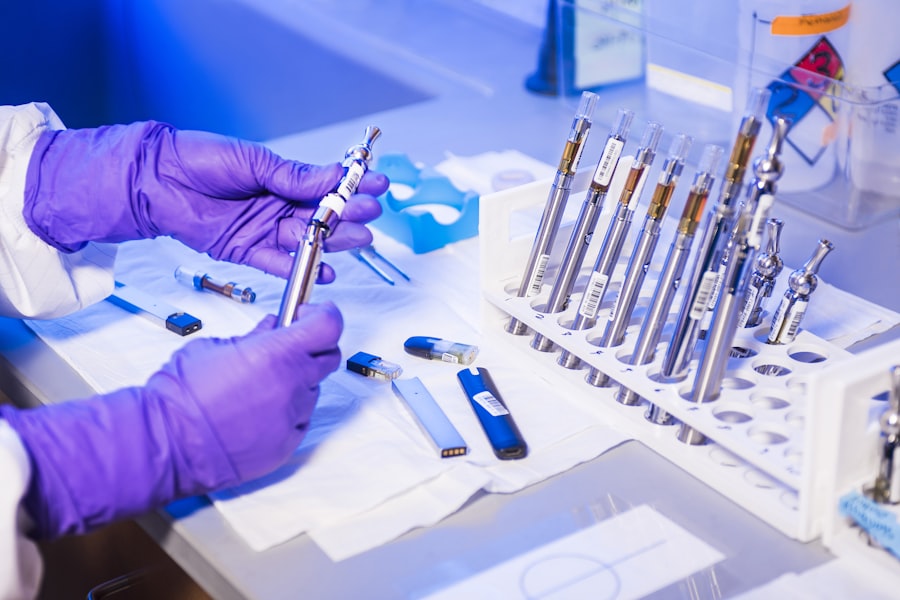
With extensive experience, a track record of innovation, and proven leadership abilities, medical researchers can ascend to positions of significant influence, guiding research directions and shaping scientific discourse.
Principal Investigator: Architect of Discovery
A Principal Investigator (PI) leads a research laboratory or program, securing funding, establishing research directions, mentoring junior scientists, and publishing research findings. PIs are akin to the captain of a scientific vessel, charting its course and guiding its crew. This role demands both scientific acumen and significant administrative capability.
- Responsibilities: PIs are responsible for writing and securing competitive grants (e.g., from NIH, NSF), managing budgets, designing overarching research strategies, overseeing experimental execution, supervising postdocs and students, and disseminating research through peer-reviewed publications and presentations. They are ultimately accountable for the scientific integrity and productivity of their lab.
- Qualifications: Typically, a Ph.D. or M.D./Ph.D. with substantial postdoctoral experience and a strong publication record is required. Demonstrated leadership, mentorship skills, and the ability to secure funding are paramount.
- Career Progression: PIs in academia progress through assistant, associate, and full professor ranks. In industry, they may hold titles such as Senior Research Scientist, Director of Research, or Chief Scientific Officer.
Biostatistician: The Interpreter of Data
Biostatisticians are specialized mathematicians who apply statistical theory and methods to biological and health-related data. They are essential in designing studies, analyzing complex data sets from clinical trials and observational studies, and interpreting results to draw valid scientific conclusions. Their work provides the rigorous framework for understanding patterns and drawing inferences from often noisy biological signals.
- Responsibilities: Biostatisticians collaborate with researchers on study design, determine appropriate sample sizes, develop statistical methodologies, perform data analysis using specialized software (e.g., R, SAS, Python), and contribute to the interpretation and presentation of findings in scientific papers and reports. They ensure that conclusions are statistically sound and evidence-based.
- Qualifications: A master’s or doctoral degree in biostatistics, statistics, or a related quantitative field is typically required. Proficiency in statistical software, strong analytical skills, and the ability to communicate complex statistical concepts to non-statisticians are crucial.
- Career Progression: Biostatisticians can work in academia, pharmaceutical companies, government agencies (e.g., FDA, CDC), and contract research organizations, advancing to leadership roles such as Senior Biostatistician or Director of Biostatistics.
Medical Science Liaison: Bridging Science and Practice
Medical Science Liaisons (MSLs) work for pharmaceutical, biotechnology, or medical device companies. They serve as non-promotional scientific experts, building relationships with key opinion leaders (KOLs), providing scientific information to healthcare professionals, and gathering insights from the medical community. Their role is to facilitate scientific exchange and understanding, acting as a two-way conduit between industry and clinical practice.
- Responsibilities: MSLs engage in peer-to-peer scientific discussions, educate healthcare providers on new therapies and disease states, respond to unsolicited requests for medical information, and identify potential investigators for clinical trials. They also convey insights from the field back to their company’s research and development teams.
- Qualifications: A doctoral-level degree (Ph.D., Pharm.D., M.D.) in a relevant scientific or clinical field is commonly required. Strong scientific communication skills, an understanding of clinical research, and a clear grasp of regulatory environments are essential.
- Career Progression: Experienced MSLs can advance to leadership positions within MSL teams, move into medical affairs management, or transition into other roles in the pharmaceutical industry such as regulatory affairs or clinical development.
The Broader Landscape: Beyond the Bench

Medical research extends beyond direct laboratory or clinical work. Several roles operate in support of, or in conjunction with, core research activities, providing critical infrastructure and ethical oversight.
Research Administrator: The Operational Backbone
Research administrators provide essential support for the operational and financial management of research projects. They navigate the complex web of institutional policies, funding agency requirements, and regulatory compliance. Without their expertise, a research lab would struggle to maintain its organizational structure.
- Responsibilities: Research administrators assist in grant application submission, manage research budgets, ensure compliance with institutional policies and federal regulations (e.g., IRB, IACUC), facilitate contract negotiations, and process expense reports. They are crucial for the smooth functioning of research endeavors.
- Qualifications: A bachelor’s degree in business, public administration, or a scientific field is often preferred. Experience in compliance, finance, or project management is highly valuable. Certifications in research administration are also available.
- Career Progression: Individuals can advance to senior administrator roles, director positions within research offices, or specialize in areas like intellectual property management or technology transfer.
Science Communicator: Translating Discovery
Science communicators bridge the gap between complex scientific findings and a broader audience, including the public, policymakers, and other scientific communities. They translate intricate research into accessible, engaging narratives, ensuring that discoveries are understood and their implications appreciated.
- Responsibilities: Science communicators write articles, press releases, grant proposals, and website content; create multimedia presentations; manage social media; and often engage with journalists. They may work for academic institutions, research institutes, government agencies, or scientific publishers.
- Qualifications: A bachelor’s or master’s degree in science communication, journalism, or a scientific field with a demonstrated aptitude for writing and communication is typically required. Strong analytical and storytelling skills are paramount.
- Career Progression: Science communicators can specialize in specific areas (e.g., medical writing, public relations, policy advocacy) or move into leadership roles in communication departments.
Conclusion
| Job Title | Average Salary | Education Required | Job Growth (2020-2030) | Key Responsibilities |
|---|---|---|---|---|
| Medical Scientist | 95,000 | PhD or MD | 16% | Conduct research to improve human health, develop new treatments |
| Clinical Research Coordinator | 58,000 | Bachelor’s Degree | 11% | Manage clinical trials, ensure compliance with protocols |
| Biostatistician | 88,000 | Master’s or PhD | 35% | Analyze data from medical research studies |
| Regulatory Affairs Specialist | 75,000 | Bachelor’s Degree | 9% | Ensure compliance with government regulations |
| Laboratory Technician | 45,000 | Associate’s or Bachelor’s Degree | 5% | Prepare samples, maintain lab equipment |
Exploring careers in medical research reveals a multifaceted ecosystem, from direct experimental work to administrative and communicative support. Each role contributes to the overarching goal of improving human health through scientific discovery. Prospective individuals should consider their aptitudes, interests, and educational goals when navigating these diverse pathways. The journey into medical research, while often demanding, offers the opportunity for significant contribution to the scientific enterprise.
