
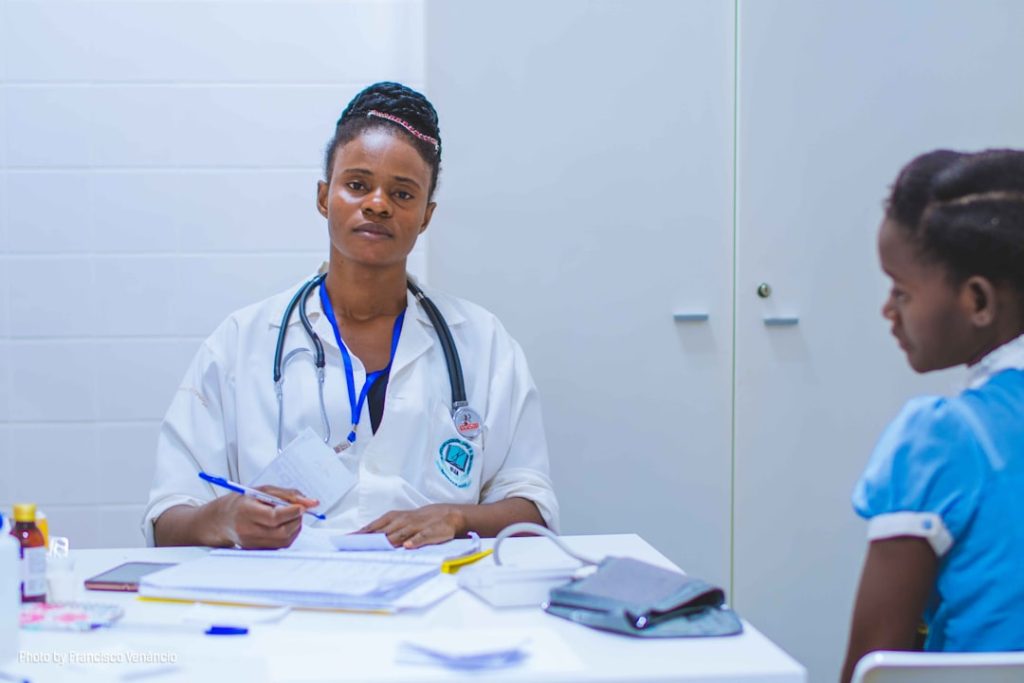
Clinical nurse research offers a specialized career trajectory for nurses interested in contributing to healthcare knowledge and improving patient outcomes through systematic investigation. This field moves beyond direct patient care to focus on the generation and application of evidence. Understanding the roles, pathways, and impact of clinical nurse research is essential for nurses considering this path.
Clinical nurse research is a systematic inquiry designed to develop evidence for practice, policies, and health services. It encompasses a broad spectrum of activities, from laboratory investigations to community-based studies, all with the ultimate goal of enhancing health and healthcare delivery.
Defining Clinical Nurse Research

Unlike general nursing practice, which focuses on individual patient care, clinical nurse research centers on asking and answering questions that affect patient populations. This could involve examining the effectiveness of a new pain management protocol, exploring factors influencing patient adherence to medication regimens, or evaluating the impact of different nursing interventions on recovery times. The core of this work lies in critical thinking, data analysis, and the scientific method. It is a rigorous discipline, demanding precision and objectivity.
The Role of Evidence-Based Practice
Clinical nurse research is the engine that drives evidence-based practice (EBP). EBP, which integrates the best available research evidence with clinical expertise and patient values, is fundamental to modern healthcare. Without robust research, the “evidence” component of EBP would be a void. Nurse researchers act as architects, constructing the blueprints for better patient care through their investigations. They identify gaps in knowledge, design studies to fill those gaps, and disseminate findings that guide clinical decision-making.
Historical Context and Evolution

The roots of nurse research trace back to Florence Nightingale’s meticulous data collection during the Crimean War, demonstrating a foundational commitment to using observational data to improve health outcomes. Over time, the field has matured, moving from practical observations to a sophisticated scientific discipline. The establishment of nursing research journals, funding bodies, and doctoral programs has solidified its academic standing. Today, clinical nurse research is integral to healthcare advancement, recognized for its distinct contribution to understanding health, illness, and healthcare systems from a nursing perspective.
Pathways to Becoming a Clinical Nurse Researcher
Embarking on a career in clinical nurse research requires specific educational preparation and a dedication to scientific inquiry. The journey typically involves advanced degrees and specialized training.
Educational Requirements
A strong educational foundation is paramount. While a Bachelor of Science in Nursing (BSN) provides the foundational nursing knowledge, it is generally insufficient for a career solely focused on research.
- Master of Science in Nursing (MSN) with a Research Focus: Some MSN programs offer specializations in nursing research, providing an introduction to research methodologies, statistics, and grant writing. This can serve as a stepping stone.
- Doctor of Philosophy (PhD) in Nursing: The PhD is the terminal degree for nurses aspiring to lead independent research programs. PhD programs emphasize theory development, advanced research design, statistical analysis, and scholarly writing. This doctorate prepares individuals to generate new knowledge and contribute significantly to the scientific body of nursing.
- Doctor of Nursing Practice (DNP) in Nursing: While the DNP focuses on translating research into practice and leadership roles within clinical settings, some DNP-prepared nurses may engage in quality improvement projects or translate evidence-based interventions. However, the PhD remains the primary degree for those whose career is centered on generating new research.
Postdoctoral Fellowships and Mentorship
After completing a PhD, many aspiring nurse researchers pursue postdoctoral fellowships. These fellowships offer an opportunity to gain further specialized training, work alongside established researchers, and develop an independent program of research. Postdoctoral work is similar to an apprenticeship, where junior researchers refine their skills under the guidance of seasoned mentors. Mentorship is a critical component of career development, providing guidance on grant writing, publication strategies, and navigating academic environments.
Essential Skills and Qualities
Success in clinical nurse research demands a unique blend of skills and personal attributes.
- Analytical Thinking: The ability to critically evaluate information, identify patterns, and draw logical conclusions from data is fundamental.
- Problem-Solving: Researchers must be adept at identifying research questions and designing appropriate methodologies to address them.
- Attention to Detail: Precision in data collection, analysis, and interpretation is crucial to ensure the validity and reliability of findings.
- Written and Oral Communication: Researchers must effectively disseminate their findings through peer-reviewed publications, conference presentations, and grant applications.
- Perseverance and Resilience: Research often involves setbacks, failed experiments, and rejected manuscripts. A high degree of perseverance is necessary to navigate these challenges.
- Ethical Conduct: Upholding ethical principles in research involving human subjects is non-negotiable.
Roles and Responsibilities of a Clinical Nurse Researcher

The daily work of a clinical nurse researcher is multifaceted, encompassing a range of activities from conceptualization to dissemination.
Research Design and Methodology
At the heart of the researcher’s role is the design of studies. This involves formulating clear research questions, selecting appropriate research designs (e.g., experimental, quasi-experimental, correlational, qualitative), identifying suitable populations, and determining data collection methods. Think of this as laying the track for a train journey; a faulty design will derail the entire enterprise. Understanding principles of validity, reliability, and generalizability is critical.
Data Collection and Analysis
Researchers are often involved in overseeing or directly conducting data collection, whether through surveys, interviews, observations, or biological samples. This data is then meticulously analyzed using statistical software for quantitative studies or thematic analysis for qualitative inquiries. The ability to interpret complex data and extract meaningful insights is a core competency.
Grant Writing and Funding Acquisition
Securing funding is a constant challenge for researchers. Clinical nurse researchers often spend significant time writing grant proposals to various funding agencies (e.g., National Institutes of Health, private foundations). These proposals must articulate a clear research plan, demonstrate the significance of the proposed work, and justify the allocated budget. This can be compared to being an entrepreneur who must constantly pitch ideas to secure investment.
Publication and Dissemination
The ultimate goal of research is often to disseminate findings to the scientific community and broader healthcare audience. This involves writing manuscripts for peer-reviewed journals, presenting at national and international conferences, and translating complex findings into accessible formats for clinicians and the public. Effective dissemination ensures that new knowledge can be integrated into practice.
Mentorship and Teaching
Many clinical nurse researchers hold academic appointments, which often include responsibilities for teaching research methods to undergraduate and graduate nursing students. They also frequently mentor junior researchers, guiding them through the research process and fostering the next generation of nurse scientists. This role is crucial for sustaining the pipeline of future research.
Impact and Contribution of Clinical Nurse Research

The work of clinical nurse researchers has a tangible and far-reaching impact on healthcare, influencing everything from individual patient care to broader health policy.
Improving Patient Outcomes
The most direct impact of clinical nurse research is on patient outcomes. By investigating the effectiveness of interventions, researchers contribute to improved symptom management, reduced complications, enhanced patient satisfaction, and often, a higher quality of life for individuals facing various health challenges. For example, research on pain management protocols has led to more effective and patient-centered approaches to alleviating discomfort.
Shaping Clinical Practice and Policy
Research findings directly inform evidence-based clinical guidelines and protocols. When strong evidence emerges supporting a particular nursing intervention, it can be adopted into standard practice across healthcare settings. Beyond direct care, nurse researchers also advocate for policy changes based on their findings, influencing healthcare legislation and resource allocation. They provide the empirical backbone for arguments for improved healthcare access, quality, and equity.
Advancing Nursing Science and Education
Clinical nurse research is instrumental in expanding the theoretical body of nursing knowledge, moving the discipline beyond solely practical application to a robust academic field. This advancement enriches nursing education by providing students with cutting-edge knowledge and critical thinking skills. It continually updates curricula and ensures that future nurses are educated in the latest evidence-based approaches to care.
Addressing Health Disparities
Many nurse researchers focus on identifying and addressing health disparities. By examining the social, economic, and systemic factors that lead to unequal health outcomes in certain populations, they contribute to the development of culturally sensitive and equitable interventions. Their work acts as a spotlight, illuminating inequities and proposing solutions that aim to level the playing field in health.
Challenges and Future Trends in Clinical Nurse Research
| Metric | Value | Notes |
|---|---|---|
| Average Salary | 75,000 – 95,000 | Annual salary range depending on experience and location |
| Job Growth Rate | 12% | Projected growth over the next 10 years (U.S. Bureau of Labor Statistics) |
| Education Required | Bachelor’s or Master’s in Nursing | Advanced degrees preferred for research roles |
| Certifications | Certified Clinical Research Professional (CCRP) | Optional but beneficial for career advancement |
| Common Employers | Hospitals, Universities, Pharmaceutical Companies | Settings where clinical research nurses are typically employed |
| Key Skills | Data Collection, Patient Care, Regulatory Compliance | Essential skills for clinical nurse researchers |
| Average Job Openings per Year | 3,000+ | Estimated number of new positions in the U.S. |
Like any evolving field, clinical nurse research faces specific challenges and is continually adapting to new trends and technologies.
Funding Constraints
Securing adequate funding remains a persistent challenge. Research is expensive, requiring resources for personnel, equipment, data analysis software, and publication fees. Competition for grants is fierce, and researchers must continually demonstrate the significance and feasibility of their proposed studies to attract investment.
Recruitment and Retention of Participants
Recruiting and retaining participants for clinical studies can be complex, particularly for long-term or highly specialized investigations. Ethical considerations, participant burden, and attrition rates are constant considerations that researchers must meticulously manage.
Bridging the Research-Practice Gap
A perennial challenge is ensuring that research findings are effectively translated into clinical practice. There can be a significant lag between the generation of evidence and its widespread adoption by clinicians. Researchers are increasingly focusing on implementation science – the study of methods to promote the integration of research findings into routine clinical and public health practice.
Technological Advancements
The rapid pace of technological innovation presents both opportunities and challenges. On one hand, advancements in data science, artificial intelligence, and genomics offer powerful new tools for research. On the other hand, researchers must continually update their skills to leverage these technologies effectively and ethically.
Interdisciplinary Collaboration
The future of clinical nurse research increasingly lies in interdisciplinary collaboration. Complex health problems often require perspectives from multiple disciplines, including medicine, public health, psychology, and engineering. Nurse researchers are key players in these collaborative teams, bringing a unique patient-centered and holistic perspective to shared research endeavors. This collaborative model acts as an intellectual symphony, where different instruments contribute to a richer, more comprehensive understanding of health.
Focus on Health Equity and Global Health
There is a growing emphasis on research that addresses health equity, social determinants of health, and global health challenges. Clinical nurse researchers are uniquely positioned to contribute to these areas due to their foundational understanding of patients within their broader social and environmental contexts. This involves investigating how cultural factors, economic status, and geographic location influence health and designing interventions that are contextually appropriate and sustainable. The compass of future research points toward a more just and healthier world.
In summary, a career in clinical nurse research is a demanding yet highly rewarding path. It offers nurses the opportunity to move beyond individual patient care to contribute to the broader scientific foundation of healthcare, ultimately improving the lives of countless individuals. It is a journey of continuous learning, critical inquiry, and a deep commitment to advancing the science of nursing.
