

Clinical research is a vital component of the healthcare landscape, serving as the bridge between laboratory discoveries and practical applications in patient care. It encompasses a wide range of activities aimed at evaluating new treatments, drugs, and medical devices to ensure their safety and efficacy before they reach the market. As the demand for innovative therapies continues to grow, so does the need for skilled professionals in clinical research.
This field offers a diverse array of career opportunities, attracting individuals from various educational backgrounds and experiences. The significance of clinical research cannot be overstated; it plays a crucial role in advancing medical knowledge and improving patient outcomes. The landscape of clinical research is dynamic and multifaceted, involving collaboration among scientists, healthcare professionals, regulatory bodies, and patients.

As such, careers in this field are not only intellectually stimulating but also deeply rewarding. Professionals in clinical research contribute to groundbreaking studies that can lead to life-saving treatments and interventions. The journey into this field often begins with a passion for science and a desire to make a difference in people’s lives.
As we delve deeper into the various aspects of clinical research careers, it becomes evident that this profession is both challenging and fulfilling, offering numerous pathways for growth and specialization.
Key Takeaways
- Clinical research careers require specialized education and training to ensure proper study design and patient safety.
- Various roles exist within clinical research, including coordinators, monitors, data managers, and regulatory specialists.
- Key responsibilities involve managing clinical trials, ensuring compliance, collecting data, and collaborating with healthcare teams.
- Success in clinical research demands strong analytical, communication, and organizational skills, along with attention to detail.
- The field offers diverse career advancement opportunities but also presents challenges such as regulatory complexities and ethical considerations.

Educational Requirements and Training for Clinical Research Careers
Pursuing a career in clinical research typically requires a solid educational foundation, often beginning with a bachelor’s degree in a relevant field such as biology, chemistry, nursing, or public health. This initial step provides aspiring clinical researchers with essential knowledge about human biology, disease processes, and the scientific method. Many institutions also offer specialized programs in clinical research or clinical trial management, which can further enhance one’s understanding of the intricacies involved in conducting clinical studies.
In addition to formal education, obtaining advanced degrees such as a Master’s in Clinical Research or a Doctorate in a related field can significantly bolster one’s qualifications. These programs often include coursework on biostatistics, epidemiology, regulatory affairs, and ethical considerations in research. Furthermore, hands-on experience through internships or research assistant positions is invaluable.
Such experiences not only provide practical skills but also help build professional networks that can be crucial for future job opportunities. Certifications from recognized organizations, such as the Association of Clinical Research Professionals (ACRP) or the Society of Clinical Research Associates (SoCRA), can also enhance one’s credentials and demonstrate a commitment to the field.
Types of Clinical Research Careers

The realm of clinical research encompasses a variety of roles, each with its own unique focus and responsibilities. One of the most recognized positions is that of a Clinical Research Coordinator (CRC), who manages the day-to-day operations of clinical trials. CRCs are responsible for recruiting participants, ensuring compliance with regulatory requirements, and maintaining accurate records throughout the study.
Their role is pivotal in ensuring that trials run smoothly and that data collected is reliable. Another key position is that of a Clinical Research Associate (CRA), who monitors clinical trials to ensure adherence to protocols and regulatory standards. CRAs often travel to various sites to conduct audits and provide support to CRCs.
They play an essential role in safeguarding participant welfare while ensuring that the integrity of the data is maintained. Additionally, there are roles such as Clinical Data Managers, who focus on data collection and analysis, and Regulatory Affairs Specialists, who navigate the complex landscape of regulations governing clinical trials. Each of these positions contributes to the overarching goal of advancing medical science through rigorous research.
Job Responsibilities and Duties in Clinical Research Careers
The responsibilities associated with clinical research careers can vary significantly depending on the specific role one occupies within a study. For instance, Clinical Research Coordinators are tasked with participant recruitment, which involves screening potential candidates for eligibility based on predefined criteria. They must also obtain informed consent from participants, ensuring that they fully understand the nature of the study and any potential risks involved.
Additionally, CRCs are responsible for maintaining study documentation, including case report forms and regulatory submissions. On the other hand, Clinical Research Associates focus on monitoring trial sites to ensure compliance with Good Clinical Practice (GCP) guidelines. This includes conducting site visits to review study documentation, verifying data accuracy, and addressing any issues that may arise during the trial.
CRAs must possess strong communication skills as they often serve as the liaison between the study sponsor and site personnel. Furthermore, they may be involved in training site staff on study protocols and procedures, emphasizing the importance of adherence to regulatory standards.
Skills and Qualities Needed for Success in Clinical Research Careers
| Job Title | Average Salary | Required Education | Experience Level | Key Skills | Job Growth Rate (2020-2030) |
|---|---|---|---|---|---|
| Clinical Research Coordinator | 65,000 | Bachelor’s Degree | Entry to Mid | Project Management, Regulatory Compliance | 10% |
| Clinical Research Associate | 75,000 | Bachelor’s Degree | Mid | Monitoring, Data Analysis, Communication | 12% |
| Clinical Data Manager | 85,000 | Bachelor’s or Master’s Degree | Mid to Senior | Data Management, SAS, Attention to Detail | 11% |
| Medical Monitor | 120,000 | MD or DO | Senior | Medical Knowledge, Safety Oversight | 8% |
| Regulatory Affairs Specialist | 80,000 | Bachelor’s Degree | Mid | Regulatory Knowledge, Documentation | 9% |
Success in clinical research requires a unique blend of technical skills and personal attributes. Strong analytical skills are paramount; professionals must be able to interpret complex data sets and draw meaningful conclusions from their findings. Attention to detail is equally critical, as even minor errors in data collection or documentation can have significant implications for study outcomes.
Proficiency in statistical software and data management tools is often necessary for roles that involve data analysis. In addition to technical competencies, effective communication skills are essential in clinical research careers. Professionals must be able to convey complex information clearly to diverse audiences, including study participants, healthcare providers, and regulatory agencies.
Interpersonal skills are also vital; building rapport with participants can enhance recruitment efforts and improve retention rates throughout the study. Moreover, adaptability is crucial in this ever-evolving field; researchers must be prepared to navigate changes in regulations, technology advancements, and emerging scientific knowledge.
Career Opportunities and Advancement in Clinical Research
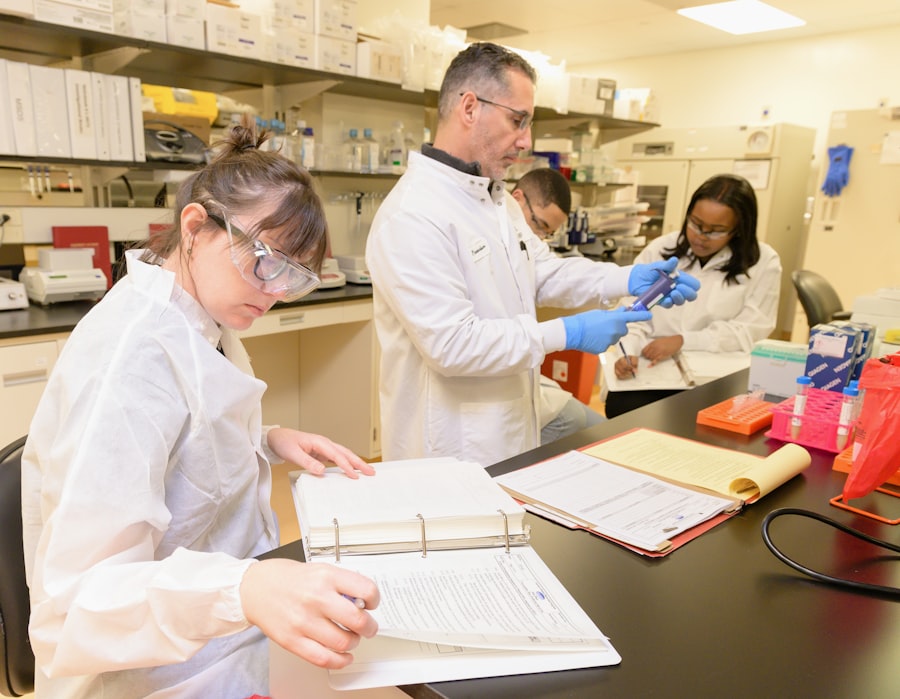
The field of clinical research offers numerous opportunities for career advancement and specialization. Entry-level positions such as Clinical Research Coordinator or Assistant can serve as stepping stones toward more senior roles like Clinical Project Manager or Director of Clinical Operations. With experience and additional training, professionals can transition into leadership positions where they oversee multiple studies or entire departments within pharmaceutical companies or research institutions.
Moreover, there are opportunities for specialization within clinical research careers. For instance, professionals may choose to focus on specific therapeutic areas such as oncology, cardiology, or neurology, allowing them to develop expertise that can enhance their marketability. Additionally, roles in regulatory affairs or quality assurance offer pathways for those interested in ensuring compliance with industry standards and regulations.
The diverse nature of clinical research means that individuals can tailor their career paths based on their interests and strengths.
Challenges and Rewards of Clinical Research Careers
While a career in clinical research can be immensely rewarding, it is not without its challenges. One significant hurdle is the complexity of regulatory compliance; professionals must navigate an intricate web of local, national, and international regulations governing clinical trials. This requires staying up-to-date with changes in laws and guidelines while ensuring that all aspects of a study adhere to these standards.
The pressure to meet deadlines while maintaining high-quality data can also be daunting. Despite these challenges, many professionals find great satisfaction in their work. The opportunity to contribute to groundbreaking medical advancements is a powerful motivator for those in the field.
Witnessing firsthand how research translates into improved patient care can be profoundly fulfilling. Additionally, the collaborative nature of clinical research fosters a sense of community among professionals who share a common goal: advancing healthcare through rigorous scientific inquiry.
Conclusion and Tips for Pursuing a Career in Clinical Research
For those considering a career in clinical research, several strategies can enhance one’s prospects for success. First and foremost, gaining relevant experience through internships or volunteer opportunities can provide invaluable insights into the day-to-day operations of clinical trials. Networking within professional organizations can also open doors to job opportunities and mentorship relationships that can guide career development.
Furthermore, pursuing continuing education through workshops or certification programs can keep professionals abreast of industry trends and best practices. Engaging with online forums or attending conferences can facilitate connections with peers and industry leaders alike. Ultimately, a career in clinical research offers not only the chance to contribute to meaningful advancements in healthcare but also a pathway for personal growth and professional fulfillment within an ever-evolving field.
