

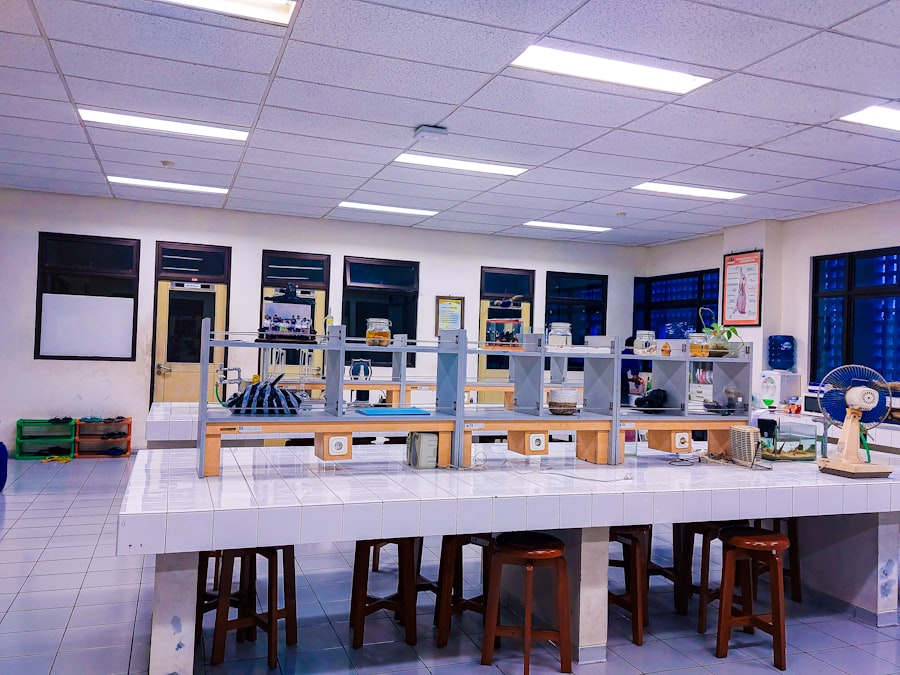
Clinical research facilities are specialized institutions designed to conduct clinical trials and research studies that evaluate new medical treatments, drugs, devices, and procedures. These facilities play a crucial role in the healthcare ecosystem by bridging the gap between laboratory research and patient care. They are equipped with the necessary infrastructure, including laboratories, examination rooms, and staff trained in clinical research methodologies.
The primary goal of these facilities is to ensure that new interventions are safe and effective before they are made widely available to the public. The personnel at clinical research facilities typically includes a diverse team of professionals, such as physicians, nurses, clinical research coordinators, and data analysts. Each member plays a vital role in the execution of clinical trials, from recruiting participants to monitoring their health throughout the study.

The environment is often highly regulated, adhering to strict guidelines set forth by regulatory bodies like the Food and Drug Administration (FDA) in the United States or the European Medicines Agency (EMA) in Europe. This regulatory oversight ensures that ethical standards are maintained and that participants’ rights and well-being are prioritized.
Key Takeaways
- Clinical research facilities conduct studies to advance medical knowledge and treatments.
- Finding nearby clinical research centers involves online searches and consulting healthcare providers.
- Participants should understand the procedures, benefits, and potential risks before joining a study.
- Asking key questions helps ensure the chosen facility and study align with personal health needs and goals.
- Active participation and clear communication enhance the overall experience and contribution to medical progress.
Locating Clinical Research Facilities Near Me

Finding a clinical research facility in your vicinity can be a straightforward process if you know where to look. One of the most effective methods is to utilize online resources such as clinical trial registries and databases. Websites like ClinicalTrials.gov provide comprehensive listings of ongoing studies, including details about the facilities conducting them.
By entering your location or specific health conditions, you can filter results to find relevant trials nearby. Additionally, many hospitals and academic medical centers have dedicated research departments that conduct clinical trials, making them another potential source for locating facilities. Local health organizations and patient advocacy groups can also be invaluable resources in your search for clinical research facilities.
These organizations often have connections with researchers and can provide recommendations based on your specific health needs or interests. Furthermore, speaking with your healthcare provider can yield insights into reputable facilities in your area. Physicians often have knowledge of ongoing studies and can guide you toward opportunities that align with your health profile.
What to Expect at a Clinical Research Facility

When you arrive at a clinical research facility, the first step typically involves an initial consultation where you will meet with a member of the research team. This meeting is designed to assess your eligibility for the study and to provide you with detailed information about what participation entails. You will likely undergo a series of assessments, including medical history reviews and physical examinations, to ensure that you meet the criteria set forth by the study protocol.
Once enrolled in a study, participants can expect a structured schedule of visits to the facility. These visits may include various assessments such as blood tests, imaging studies, or questionnaires designed to monitor your health and response to the treatment being tested. The frequency and nature of these visits will depend on the specific study protocol.
Throughout this process, researchers will maintain open lines of communication, providing updates on your health and any changes to the study protocol. Participants are encouraged to ask questions and express any concerns they may have during their time at the facility.
The Importance of Participating in Clinical Research
Participating in clinical research is vital for advancing medical knowledge and improving patient care. Clinical trials are essential for determining the safety and efficacy of new treatments before they become available to the general public. By volunteering for these studies, participants contribute to a body of knowledge that can lead to breakthroughs in medical science, ultimately benefiting future patients who may suffer from similar conditions.
Moreover, participation in clinical research can offer individuals access to cutting-edge therapies that may not yet be available outside of a trial setting. For patients with chronic or life-threatening conditions, this access can be life-changing. Additionally, many clinical trials provide participants with comprehensive medical care and monitoring throughout the study period, which can enhance their overall health outcomes.
The data collected from these trials also helps regulatory agencies make informed decisions about drug approvals, ensuring that only safe and effective treatments reach the market.
Finding the Right Clinical Research Facility for You
| Facility Name | Location | Specialty | Number of Trials | Contact | Rating |
|---|---|---|---|---|---|
| City Health Clinical Research Center | 123 Main St, Springfield | Cardiology, Neurology | 15 | (555) 123-4567 | 4.5/5 |
| Springfield Medical Research Institute | 456 Elm St, Springfield | Oncology, Immunology | 22 | (555) 987-6543 | 4.7/5 |
| Downtown Clinical Trials Center | 789 Oak St, Springfield | Diabetes, Endocrinology | 10 | (555) 555-1212 | 4.3/5 |
| Green Valley Research Facility | 321 Pine St, Springfield | Respiratory, Allergy | 8 | (555) 222-3344 | 4.6/5 |
Selecting the right clinical research facility is a critical step in ensuring a positive experience during your participation in a study. Factors to consider include the facility’s reputation, the expertise of its staff, and its track record in conducting successful trials. Researching online reviews and testimonials from previous participants can provide valuable insights into what you can expect from a particular facility.
Additionally, it is essential to consider the specific studies being conducted at each facility. Some centers may specialize in certain areas of research, such as oncology or cardiology, while others may focus on broader health issues. Aligning your health needs with the facility’s expertise can enhance your experience and increase the likelihood of finding a suitable study for participation.
Engaging with staff members during initial consultations can also help gauge their professionalism and commitment to participant care.
Questions to Ask Before Participating in Clinical Research
Before committing to participate in a clinical trial, it is crucial to ask pertinent questions that will help you understand what lies ahead. Inquire about the study’s purpose and design; understanding why the research is being conducted can provide context for your involvement. Additionally, ask about the specific procedures you will undergo during the trial, including any potential risks or side effects associated with the treatment being tested.
It is also important to clarify what compensation or reimbursement is available for participants, as well as any costs you may incur during the study. Understanding how your health will be monitored throughout the trial is another key consideration; ask about follow-up visits and what kind of support will be available should you experience any adverse effects. Finally, inquire about your rights as a participant, including your ability to withdraw from the study at any time without penalty.
Benefits and Risks of Participating in Clinical Research
Participating in clinical research comes with both benefits and risks that potential participants should carefully weigh before making a decision. On one hand, participants may gain access to innovative treatments that are not yet available on the market, potentially leading to improved health outcomes. Additionally, many studies offer comprehensive medical care and monitoring throughout the trial period, which can be particularly beneficial for individuals with chronic conditions.
However, there are inherent risks associated with participating in clinical trials. Experimental treatments may have unknown side effects or may not work as intended for every individual. Participants must also consider the time commitment involved; some studies require frequent visits or extensive monitoring that may disrupt daily life.
It is essential for individuals to have open discussions with their healthcare providers about these risks and benefits before deciding whether to participate.
Making the Most of Your Experience at a Clinical Research Facility
To maximize your experience at a clinical research facility, proactive engagement is key. Start by maintaining open communication with your research team; do not hesitate to ask questions or express concerns about your treatment or any side effects you may experience. Keeping a journal of your symptoms or experiences during the trial can also be helpful for both you and the researchers in tracking your progress.
Additionally, take advantage of any educational resources provided by the facility. Many research centers offer informational sessions or materials that explain the study’s goals and procedures in greater detail. Engaging with other participants can also enhance your experience; sharing insights and experiences with fellow volunteers can provide emotional support and foster a sense of community within the trial setting.
By actively participating in your own care and staying informed about the study process, you can ensure that your experience at a clinical research facility is both rewarding and beneficial for your health journey.
