
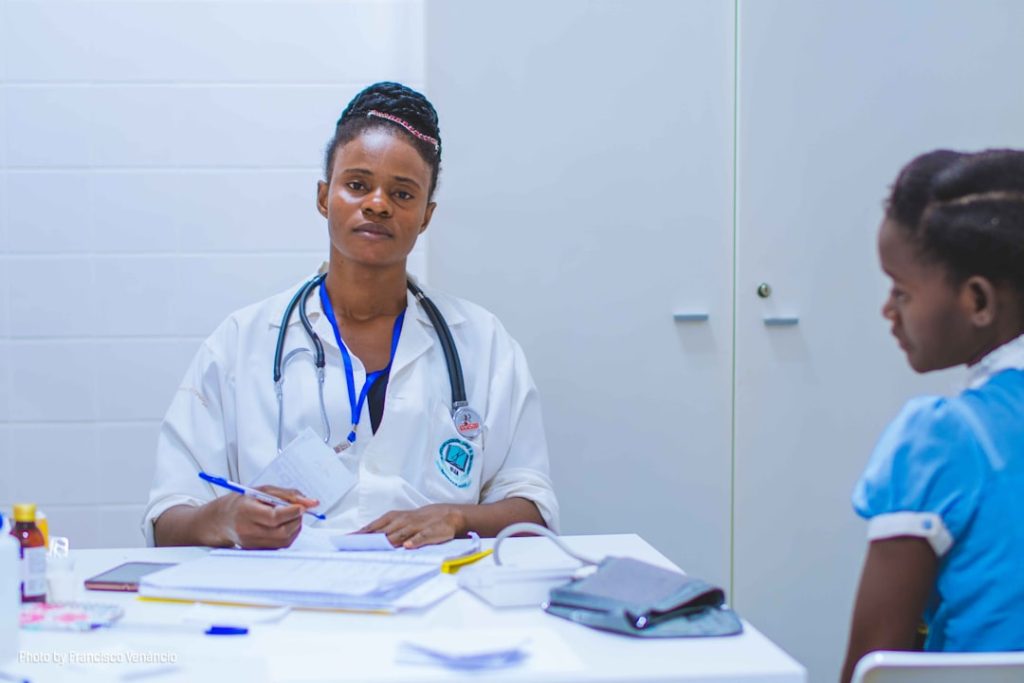
Clinical research offers a substantial career path for nurses beyond traditional bedside care. This field leverages the foundational knowledge and patient interaction skills inherent to nursing, translating them into a rigorous, scientific environment focused on advancing medical understanding and developing new treatments. For nurses contemplating a shift in their professional trajectory, clinical research presents a diverse landscape of roles, responsibilities, and opportunities for specialization.
Nurses are integral to the continuum of clinical research, acting as vital links between scientific protocols and human participants. Their presence ensures the ethical and practical implementation of studies, often serving as the primary point of contact for patients involved in trials. This direct involvement is crucial for data integrity, patient safety, and adherence to complex research methodologies.
Patient Recruitment and Consent

Nurses frequently initiate the patient involvement process by identifying eligible candidates for clinical trials. This involves a meticulous review of medical records against stringent inclusion and exclusion criteria. Once potential participants are identified, nurses are often responsible for explaining the study protocol, potential risks and benefits, and the informed consent process. Their communication skills are paramount in ensuring participants fully comprehend the implications of their involvement, fostering trust, and facilitating autonomous decision-making. This phase is not merely transactional; it is an educational endeavor, ensuring patients are well-informed partners in the research journey.
Data Collection and Management
A cornerstone of clinical research is accurate and comprehensive data collection. Nurses play a crucial role in gathering, documenting, and ensuring the integrity of this data. This can involve administering questionnaires, conducting physical assessments, taking physiological measurements, and recording adverse events. The precision with which a nurse performs these tasks directly impacts the reliability and validity of study findings. They are often the frontline guardians of the data, ensuring that every piece of information collected reflects the true experience of the patient. This meticulous attention to detail is akin to an archivist carefully cataloging historical documents, where each entry contributes to a larger narrative.
Patient Safety and Monitoring

The well-being of participants is paramount in any clinical trial. Nurses are often tasked with continuous monitoring for adverse reactions, drug toxicities, and overall patient safety. This involves regular assessments, vigilant observation, and prompt reporting of any concerning developments to the principal investigator. Their clinical acumen allows for early detection of potential issues, enabling timely intervention and safeguarding patient health. In this capacity, the nurse acts as a sentinel, standing guard over the participant’s safety throughout the trial.
Ethical Considerations and Regulatory Compliance
Clinical research is governed by a complex web of ethical guidelines and regulatory requirements. Nurses involved in research must possess a thorough understanding of these frameworks, including Good Clinical Practice (GCP) guidelines, HIPAA regulations, and institutional review board (IRB) protocols. They ensure that all study procedures adhere to these standards, protecting patient rights and maintaining the scientific integrity of the research. Their role here is akin to a legal interpreter, translating complex regulations into actionable steps within the study framework.
Common Clinical Research Roles for Nurses
The clinical research landscape offers a variety of specialized roles where nurses can apply their expertise. These roles often build upon the fundamental nursing skill set while introducing specific research methodologies and administrative responsibilities.
Clinical Research Coordinator (CRC)
The Clinical Research Coordinator (CRC) is often the foundational entry point for nurses into the research environment. CRCs manage the day-to-day operations of clinical trials. Their responsibilities include patient recruitment, scheduling appointments, performing study procedures (e.g., vital signs, ECGs, phlebotomy), maintaining source documents, completing case report forms (CRFs), and ensuring regulatory compliance. A CRC is the central nervous system of a clinical trial, coordinating all its moving parts.
Clinical Research Nurse (CRN)
While often overlapping with the CRC role, the Clinical Research Nurse (CRN) sometimes carries a greater emphasis on direct patient care within the research context. CRNs may administer investigational products, monitor patients for adverse events with a deeper clinical assessment, and provide patient education related to the study intervention. Their nursing licensure allows for interventions that a non-nurse CRC might not be qualified to perform. They are the hands-on clinicians within the research setting, providing patient care under the umbrella of a scientific protocol.
Clinical Nurse Specialist (CNS) in Research Settings
Clinical Nurse Specialists (CNSs) with advanced degrees can leverage their expertise in specific disease areas within research. They may be involved in designing studies, developing patient education materials, and providing specialized clinical oversight for complex trials. Their deep understanding of a particular patient population makes them invaluable resources for optimizing study protocols and patient care. A CNS acts as a compass, guiding the research direction within their specialized domain.
Research Nurse Practitioner (RNP)
Nurse Practitioners (NPs) possess advanced clinical training and prescriptive authority, making them highly valuable in clinical research. Research Nurse Practitioners (RNPs) can serve as sub-investigators, performing physical examinations, diagnosing and managing minor adverse events, writing prescriptions for concomitant medications, and even leading smaller trials. Their expanded scope of practice streamlines many research processes that would otherwise require direct physician involvement. They are the versatile engine of a research team, capable of both clinical care and research oversight.
Educational and Certification Pathways

Transitioning into clinical research often involves supplementing a nursing degree with specialized training and certifications. These credentials validate a nurse’s competency in research methodologies and regulatory frameworks.
Bachelor of Science in Nursing (BSN)
A Bachelor of Science in Nursing (BSN) is generally the minimum educational requirement for most clinical research roles. The foundational knowledge gained in a BSN program, particularly in areas like pathophysiology, pharmacology, and patient assessment, provides a strong basis for understanding research protocols and their implications. This degree acts as the launchpad for a career in research, providing the fundamental principles needed to ascend.
Advanced Degrees (MSN, DNP, PhD)
For nurses aspiring to leadership, principal investigator roles, or careers in academic research, advanced degrees such as a Master of Science in Nursing (MSN), Doctor of Nursing Practice (DNP), or Doctor of Philosophy (PhD) are often necessary. These programs delve into research design, biostatistics, epidemiology, and grant writing, preparing nurses for more complex research endeavors. These advanced degrees are like specialized tools, equipping nurses to tackle more intricate and impactful research challenges.
Professional Certifications
Several organizations offer certifications specifically for clinical research professionals. The Association of Clinical Research Professionals (ACRP) and the Society of Clinical Research Associates (SOCRA) are two prominent bodies. Certifications such as Certified Clinical Research Coordinator (CCRC), Certified Clinical Research Professional (CCRP), or Certified Clinical Research Nurse (CCRN) demonstrate a nurse’s commitment to the profession and mastery of core research competencies. These certifications serves as a seal of approval, signifying professional competence and a commitment to best practices.
Skills and Competencies for Clinical Research Nurses

While clinical expertise remains paramount, a successful transition into clinical research necessitates the development and refinement of specific skills. These competencies are often distinct from those exclusively honed at the bedside.
Attention to Detail and Accuracy
The integrity of research data hinges on meticulous attention to detail. Errors in data collection, documentation, or protocol adherence can compromise study validity and have significant consequences. Nurses in research must possess an almost forensic level of accuracy in their work. This is the cornerstone of scientific rigor, where even a small misplaced brick can compromise the entire structure.
Strong Organizational and Time Management Skills
Clinical trials are intricate, multi-faceted projects with strict timelines and numerous moving parts. Nurses in research must be highly organized, capable of managing multiple tasks simultaneously, prioritizing responsibilities, and adhering to deadlines. This is akin to a conductor leading an orchestra, ensuring each section plays its part in harmony and on schedule.
Communication and Interpersonal Skills
Effective communication is critical in clinical research, bridging the divide between patients, investigators, sponsors, and regulatory bodies. Nurses must be able to explain complex medical information clearly to participants, collaborate effectively with team members, and articulate study findings accurately. Their ability to foster rapport and build trust is invaluable. They are the translators, ensuring that information flows accurately and effectively between disparate groups.
Critical Thinking and Problem-Solving
Unexpected challenges and deviations can arise in any clinical trial. Nurses in research must possess strong critical thinking skills to identify problems, analyze situations, and develop appropriate solutions while maintaining patient safety and protocol integrity. They are the troubleshooters, navigating unforeseen obstacles with ingenuity and precision.
Career Advancement and Future Outlook
| Job Title | Average Salary | Required Experience | Key Responsibilities | Typical Employers |
|---|---|---|---|---|
| Clinical Research Nurse | 75,000 – 95,000 | 2-5 years in nursing | Patient monitoring, data collection, protocol adherence | Hospitals, Research Institutes, Pharma Companies |
| Clinical Trial Coordinator | 65,000 – 85,000 | 3-6 years clinical experience | Trial management, regulatory compliance, patient recruitment | Contract Research Organizations, Hospitals |
| Research Nurse Manager | 90,000 – 110,000 | 5+ years clinical research experience | Team leadership, budgeting, protocol development | Academic Medical Centers, Pharma Companies |
| Clinical Research Associate (Nurse) | 70,000 – 90,000 | 2-4 years nursing experience | Site monitoring, data verification, regulatory documentation | Contract Research Organizations, Pharma Companies |
| Regulatory Affairs Nurse Specialist | 80,000 – 100,000 | 3-5 years clinical research experience | Regulatory submissions, compliance monitoring, documentation | Pharmaceutical Companies, Research Institutions |
The field of clinical research for nurses offers a dynamic and evolving career trajectory with ample opportunities for advancement. Nurses can progress from entry-level coordinator roles to leadership positions, specializing in various aspects of research and even contributing to policy development.
Leadership and Management Roles
Experienced clinical research nurses can advance to roles such as Lead CRC, Clinical Research Manager, or Director of Clinical Operations. These positions involve overseeing multiple trials, managing research staff, budget administration, and strategic planning. They move from executing individual tasks to orchestrating entire research programs.
Specialty Areas and Therapeutic Focus
Nurses can specialize in particular therapeutic areas, such as oncology, cardiology, neurology, or infectious diseases. This allows them to deepen their expertise in a specific patient population and contribute to the development of treatments for those conditions. Their path becomes more focused, like a river carving a deeper channel through a specific landscape.
Regulatory and Quality Assurance
Some nurses transition into regulatory affairs or quality assurance roles within pharmaceutical companies or contract research organizations (CROs). In these positions, they ensure compliance with all relevant regulations and uphold the highest standards of research quality. They become the guardians of ethical conduct and scientific integrity.
Research and Academia
For those with advanced degrees, opportunities exist in academic institutions as research faculty, contributing to the design and conduct of investigator-initiated trials, publishing research findings, and mentoring future generations of nurse researchers. They become the architects and teachers, shaping the future of research.
The outlook for nurses in clinical research remains positive. The increasing complexity of medical treatments, the constant drive for scientific discovery, and the growing emphasis on evidence-based practice continue to fuel demand for skilled research professionals. For nurses seeking a career that blends their clinical expertise with intellectual challenge and the profound opportunity to contribute to medical advancements, clinical research presents a compelling and rewarding path. It is a field where the nurse’s touch contributes not just to individual patient care, but to the health of populations worldwide.
