

Clinical research plays a crucial role in advancing medical science and improving patient care. For individuals interested in contributing to this progress or seeking experimental treatments, understanding how to locate and engage with clinical research opportunities locally is essential. This guide aims to demystify the process of “exploring clinical research near me,” providing a structured approach to identifying, evaluating, and participating in studies.
Clinical research encompasses a broad spectrum of studies designed to evaluate the safety and efficacy of new treatments, diagnostic tools, and medical devices. These studies are systematically conducted on human volunteers, often in phases, to gather data that informs healthcare decisions.
Phases of Clinical Trials

Clinical trials typically progress through several well-defined phases, each with specific objectives:
- Phase 0: Exploratory, first-in-human trials with small doses of a drug to ascertain its pharmacokinetic and pharmacodynamic properties.
- Phase 1: Focuses on safety and dosage, usually involving a small group of healthy volunteers or patients with the target condition.
- Phase 2: Evaluates efficacy and further assesses safety in a larger group of patients. This phase helps determine if the new treatment has a beneficial effect.
- Phase 3: Compares the new treatment to existing standard treatments or a placebo in a large patient population. If successful, regulatory approval may be sought.
- Phase 4: Post-marketing studies conducted after a drug is approved and marketed. These studies monitor long-term effects and gather additional information about optimal use.
Types of Clinical Research
Beyond drug development, clinical research encompasses various study designs:
- Observational Studies: Researchers observe participants over time without intervening. Examples include cohort studies and case-control studies, which explore associations between exposures and outcomes.
- Interventional Studies: Participants receive a specific intervention, such as a new drug, device, or behavioral therapy. Clinical trials are a prominent form of interventional study.
- Epidemiological Studies: Investigate the patterns, causes, and effects of health and disease conditions in defined populations.
- Public Health Research: Focuses on improving community health through interventions and policy changes.

Understanding these distinctions helps potential participants identify studies that align with their interests and health status.
Locating Clinical Research Opportunities
Identifying relevant clinical research opportunities within your geographical proximity requires a systematic approach. Several resources, both online and local, can facilitate this search.
Online Databases
The internet serves as a primary hub for clinical research listings. These platforms offer comprehensive databases that can be filtered by location, condition, and study type.
- ClinicalTrials.gov: Operated by the U.S. National Library of Medicine, this is a global registry of publicly and privately funded clinical studies conducted around the world. It provides detailed information on study objectives, eligibility criteria, locations, and contact information. For individuals in the U.S., this is often the first port of call.
- World Health Organization (WHO) International Clinical Trials Registry Platform (ICTRP): This portal aims to ensure that information about all clinical trials is publicly accessible. It serves as a central search point for clinical trials registered in various primary registries globally.
- Disease-Specific Foundations and Organizations: Many advocacy groups for specific diseases (e.g., Alzheimer’s Association, American Cancer Society, JDRF) maintain registries of clinical trials relevant to their target conditions. These resources can be highly focused and provide additional support.
- Pharmaceutical Company Websites: Many pharmaceutical and biotechnology companies list their ongoing clinical trials on their corporate websites. If you are interested in a specific company’s pipeline, their site can be a direct resource.
- Research Study Search Engines: Several commercial and non-profit organizations operate dedicated search engines for clinical research, often with user-friendly interfaces (e.g., CenterWatch, Antidote). These platforms often aggregate data from multiple sources.
Local Healthcare Providers and Institutions
Beyond online portals, direct engagement with healthcare entities in your area can yield valuable information. Think of your local healthcare ecosystem as a network of potential research hubs.
- Hospitals and Academic Medical Centers: Major hospitals, particularly those affiliated with universities, are frequently centers for clinical research. They often have dedicated research departments or websites listing active studies. Consider contacting their research coordinators or public relations departments.
- Physician’s Offices: Your primary care physician or specialist may be aware of local clinical trials relevant to your health conditions. They can also refer you to research-active colleagues or institutions.
- Community Health Centers: Some community health centers participate in public health research or clinical trials, particularly those aimed at underserved populations.
- Local Research Organizations/CROs: Contract Research Organizations (CROs) conduct trials on behalf of pharmaceutical companies. Some CROs have local offices that recruit participants directly. Their websites or local listings might be informative.
- University Departments: Universities, even those without a dedicated medical school, may conduct research in fields like psychology, nutrition, or exercise science, which might involve human participation.
Networking and Referrals
Sometimes, the most effective path to discovery is through direct communication and leveraging existing connections.
- Support Groups: Patient support groups for specific conditions can be excellent sources of information about ongoing clinical trials. Members often share their experiences and knowledge of local opportunities.
- Professional Organizations: Medical societies and professional associations (e.g., American Medical Association, American Academy of Family Physicians) may offer resources or direct you to research initiatives.
- Word of Mouth: While less formal, sometimes friends, family, or colleagues might have participated in or heard about local studies.
Evaluating Clinical Research Opportunities
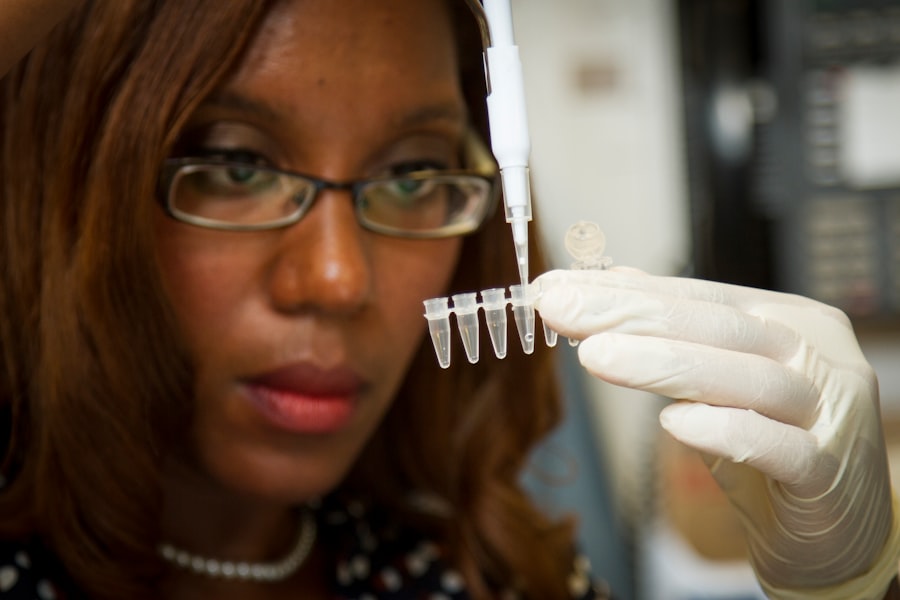
Once potential studies have been identified, a critical evaluation phase is necessary. Not all studies are suitable for every individual, and understanding the implications of participation is paramount.
Understanding Eligibility Criteria
Every clinical study has specific inclusion and exclusion criteria that determine who can and cannot participate. These criteria are designed to:
- Ensure participant safety: By excluding individuals who might be at increased risk.
- Promote scientific integrity: By selecting a homogeneous group of participants that allows for clear interpretation of results.
Carefully review these criteria. Do you meet the age requirements? Do you have the specified medical condition? Are there any co-existing conditions that might exclude you? Being forthcoming about your health history during the screening process is crucial.
Assessing Study Design and Objectives
The design of the study influences your experience and the type of data collected.
- Intervention vs. Observational: Are you receiving a new treatment, or are researchers simply observing your health over time?
- Blinding: Is the study “blinded” (you don’t know if you’re receiving the experimental treatment or a placebo) or “double-blinded” (neither you nor the researchers know)? Blinding helps prevent bias.
- Duration and Frequency of Visits: How long does the study last? How often will you need to visit the research site? Consider the time commitment involved.
- Procedures: What tests, examinations, or procedures will be part of the study? This could include blood draws, imaging scans, biopsies, or questionnaires. Understand any potential discomfort or inconvenience.
Considering Potential Benefits and Risks
Participation in clinical research carries both potential benefits and risks. A balanced understanding is essential.
- Potential Benefits:
- Access to New Treatments: You might receive brand-new treatments before they are widely available.
- Close Medical Supervision: You will likely receive frequent and thorough medical evaluations related to the study.
- Contribution to Science: Your participation helps advance medical knowledge and potentially improve health outcomes for future generations.
- Financial Compensation: Some studies offer reimbursement for time, travel, or expenses.
- Potential Risks:
- Side Effects: New treatments may have unexpected or severe side effects.
- Ineffectiveness: The experimental treatment may not be more effective than existing treatments or a placebo.
- Placebo Group: You might be assigned to a placebo group, meaning you receive an inactive substance instead of the experimental treatment.
- Inconvenience: The study schedule, procedures, and travel can be time-consuming and disruptive.
- Confidentiality Concerns: While strict regulations are in place, the secure handling of personal health information is a topic to discuss.
Understanding Informed Consent
Informed consent is a cornerstone of ethical clinical research. Before participating, you will receive a detailed document outlining the study’s purpose, procedures, potential risks, benefits, and your rights as a participant.
- Thorough Review: Read this document carefully. Do not hesitate to ask questions.
- Right to Withdraw: Understand that you have the right to withdraw from a study at any time, for any reason, without penalty.
- Contact Information: The consent form will provide contact information for the research team and an institutional review board (IRB) or ethics committee, which oversees the study and protects participant rights.
The Participation Process
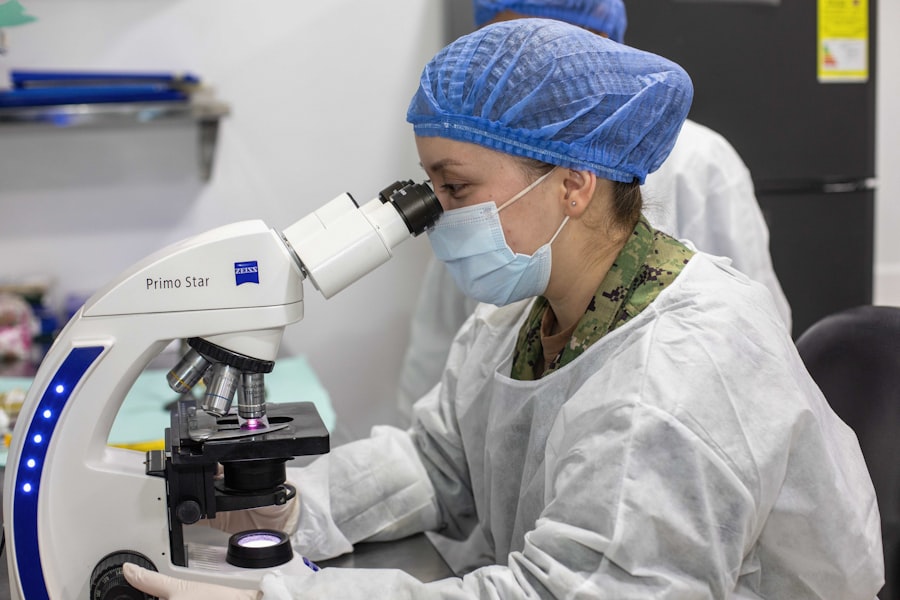
Once you have identified a suitable study and understand its implications, the participation process typically follows a structured pathway.
Initial Screening and Assessment
The first step after expressing interest is usually a preliminary screening.
- Phone Screening: A research coordinator may conduct a brief phone interview to assess your initial eligibility based on basic criteria. This is like a preliminary filter, ensuring broad alignment.
- In-person Screening Visit: If you pass the phone screening, you may be invited for an in-person visit. This often involves a physical examination, medical history review, and specific tests (e.g., blood work, ECG) to confirm your eligibility against the detailed inclusion/exclusion criteria. At this point, the informed consent process will be explained in detail, and you’ll have ample opportunity to ask questions.
Study Commencement
Upon successful completion of the screening phase and informed consent, your participation in the study officially begins.
- Baseline Assessments: Initial data on your health status, often referred to as “baseline,” will be collected. This serves as a starting point for comparing changes throughout the study.
- Intervention/Observation Period: You will then follow the study protocol, which might involve taking a new medication, using a specific device, or undergoing regular observations. Adherence to the protocol is critical for the study’s validity.
- Regular Follow-up Visits: Throughout the study, you will have scheduled visits for assessments, to monitor your health, and to record data. These visits are the lifeblood of the research, providing the data points that form the study’s narrative.
Conclusion and Follow-up
When the study concludes, there are often follow-up procedures.
- End-of-Study Assessments: A final set of assessments will be conducted to gather data, measure outcomes, and evaluate any changes.
- Long-Term Follow-up: For some studies, particularly those involving new drug treatments or long-term effects, a post-study follow-up might be scheduled months or even years later.
- Results Dissemination: While individual results are confidential, aggregated study findings are typically published in medical journals or presented at conferences. Participants may sometimes be offered a summary of the study’s overall results.
Ethical Considerations and Participant Rights
| Metric | Description | Example Data |
|---|---|---|
| Number of Clinical Trials | Total active clinical trials available within a 50-mile radius | 125 |
| Trial Phases | Distribution of clinical trials by phase (I, II, III, IV) | Phase I: 20%, Phase II: 35%, Phase III: 30%, Phase IV: 15% |
| Common Therapeutic Areas | Most frequent medical conditions studied in local trials | Oncology, Cardiology, Neurology, Diabetes |
| Average Enrollment Time | Average duration to enroll participants in local trials | 3 months |
| Number of Research Centers | Count of clinical research facilities nearby | 15 |
| Participant Eligibility | Common inclusion criteria for local clinical trials | Age 18-65, Specific diagnosis, No prior treatment |
| Average Compensation | Typical participant compensation for local trials | Varies by study, typically 500-2000 per trial |
Clinical research is governed by stringent ethical guidelines to protect the rights, safety, and well-being of participants. These guidelines are not mere suggestions; they are the bedrock of responsible research.
Institutional Review Boards (IRBs)/Ethics Committees
Independent committees, known as Institutional Review Boards (IRBs) in the U.S. or Ethics Committees elsewhere, review and approve all clinical research studies involving human participants. Their primary role is to ensure:
- Protection of Participants: That the study design minimizes risks and maximizes benefits.
- Informed Consent: That participants are adequately informed and freely consent to participate.
- Privacy and Confidentiality: That participant data is handled securely and confidentially.
Key Ethical Principles
Several core ethical principles underpin clinical research:
- Beneficence: The obligation to act in the best interest of the participant, minimizing harm and maximizing potential benefits.
- Non-maleficence: The duty to do no harm.
- Autonomy: Respect for an individual’s right to make their own decisions about participation, including the right to withdraw.
- Justice: Ensuring that the benefits and burdens of research are distributed fairly among different groups of people. This means avoiding the exploitation of vulnerable populations and ensuring that research findings benefit all segments of society.
Your Rights as a Participant
As a participant in clinical research, you have several fundamental rights, which are typically outlined in the informed consent document:
- Right to Information: To receive full and understandable information about the study.
- Right to Ask Questions: To ask questions at any time and have them answered.
- Right to Refuse or Withdraw: To refuse to participate or to withdraw from the study at any time without penalty or loss of benefits to which you are otherwise entitled.
- Right to Privacy: To have your personal information kept confidential.
- Right to Safety: To be protected from unnecessary risks.
- Right to Medical Care: To receive medical care for any research-related injuries.
Understanding these rights empowers you to make informed decisions and advocate for yourself throughout the research process. It transforms you from a mere subject into an active partner in the scientific endeavor.
Conclusion
Exploring clinical research near you is a journey that often combines individual health needs with a broader commitment to scientific progress. It involves navigating online resources, engaging with local healthcare providers, and conducting a thorough evaluation of potential opportunities. By understanding the phases of research, the types of studies available, the process of participation, and the ethical safeguards in place, individuals can make informed decisions. Participation in clinical research serves as a direct contribution to the advancement of medicine, offering a tangible link between personal health and the collective pursuit of new knowledge and improved healthcare for all.
