
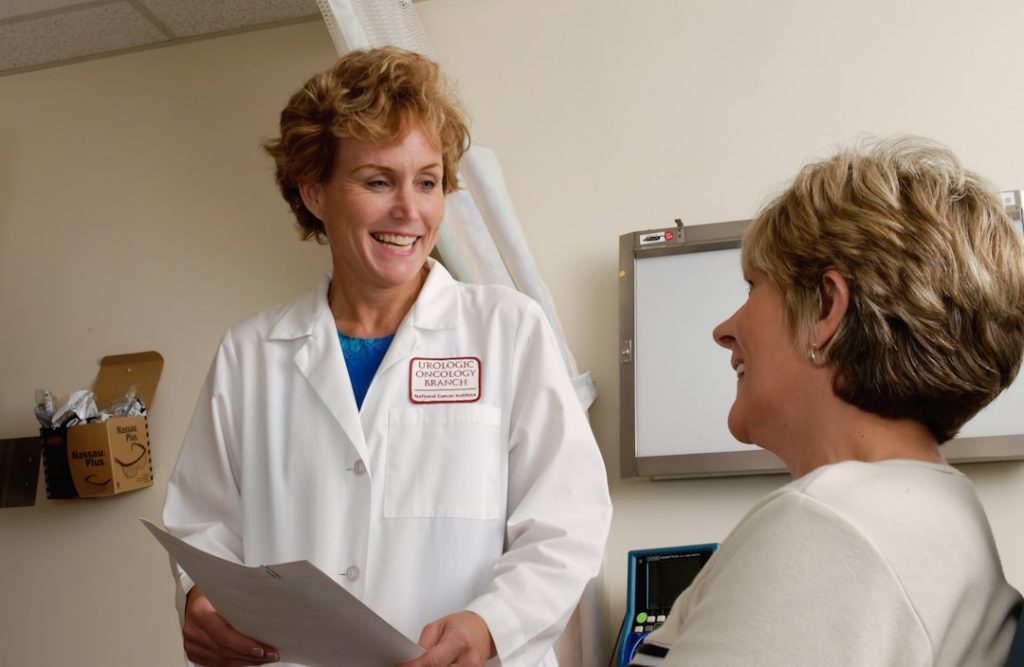
Clinical research nurses (CRNs) are integral to the advancement of medical knowledge and patient care. This article provides an overview of the CRN role, including responsibilities, necessary qualifications, career paths, and the impact these professionals have on the healthcare landscape. It aims to inform individuals considering a career in clinical research nursing, offering a realistic perspective of the profession.
A clinical research nurse operates at the intersection of patient care and scientific inquiry. They are registered nurses (RNs) who specialize in the coordination and management of clinical trials, playing a pivotal role in ensuring the safety and well-being of participants while meticulously adhering to research protocols. The CRN acts as a bridge between researchers, physicians, and patients, facilitating the collection of high-quality data that can lead to new treatments and therapies.
Core Responsibilities

The responsibilities of a CRN are multifaceted and demand a keen eye for detail, strong organizational skills, and a solid understanding of ethical research practices.
Patient Recruitment and Screening
CRNs are often involved in identifying eligible patients for clinical trials. This process involves reviewing medical records, conducting initial patient assessments, and explaining the purpose and procedures of the study. They ensure that potential participants meet all inclusion and exclusion criteria outlined in the research protocol. The CRN acts as a gatekeeper, ensuring the right individuals are matched with the right studies.
Informed Consent Process

A crucial aspect of a CRN’s role is guiding potential participants through the informed consent process. They explain the study’s objectives, potential risks and benefits, alternative treatments, and the participant’s rights, including the right to withdraw at any time. This requires clear communication and a patient-centered approach to ensure participants fully comprehend what they are agreeing to. The CRN ensures that consent is truly voluntary and informed, a cornerstone of ethical research.
Protocol Adherence and Data Collection
CRNs are responsible for implementing study protocols accurately and consistently. This includes administering investigational drugs or devices, performing assessments, collecting biological samples, and documenting all study-related activities. They meticulously record data, often using electronic data capture (EDC) systems, ensuring accuracy and completeness. Deviations from the protocol must be documented and, if necessary, reported to relevant regulatory bodies and the institutional review board (IRB) or ethics committee (EC). Their adherence to the protocol is the bedrock upon which reliable research data is built.
Patient Monitoring and Safety
Throughout a clinical trial, CRNs continuously monitor participants for adverse events (AEs) or serious adverse events (SAEs). They assess patient responses, manage symptoms, and communicate findings to the principal investigator (PI) and other members of the research team. Prompt reporting of AEs/SAEs is critical for patient safety and regulatory compliance. The CRN acts as a sentinel, guarding against potential harm to participants.
Regulatory Compliance
Clinical research is heavily regulated to protect human subjects and ensure the integrity of scientific findings. CRNs must be familiar with and adhere to various regulatory guidelines, including Good Clinical Practice (GCP) guidelines, Food and Drug Administration (FDA) regulations (in the US), and local ethical review board requirements. They often assist with preparing for and participating in internal and external audits, demonstrating a full understanding of regulatory frameworks.
Pathways to Becoming a Clinical Research Nurse
The journey to becoming a CRN typically involves a combination of education, clinical experience, and specialized training. It is a path that requires dedication to lifelong learning and a commitment to detail.
Educational Requirements
The foundational requirement for a CRN is a valid and active Registered Nurse (RN) license.
Associate Degree in Nursing (ADN) or Bachelor of Science in Nursing (BSN)
While an ADN can serve as an entry point into nursing, a Bachelor of Science in Nursing (BSN) is increasingly preferred by employers in clinical research. The BSN curriculum provides a broader theoretical foundation, critical thinking skills, and an introduction to research principles that are beneficial in this specialized field. A BSN offers a more robust foundation for the complexities of research roles.
Master of Science in Nursing (MSN) or Doctor of Nursing Practice (DNP)
For those aspiring to advanced CRN roles, such as lead CRN, research coordinator manager, or even principal investigator in some nurse-led studies, a Master of Science in Nursing (MSN) or a Doctor of Nursing Practice (DNP) can be advantageous. These advanced degrees often include coursework in research methodology, biostatistics, epidemiology, and leadership, preparing nurses for greater responsibility and influence within the research paradigm.
Clinical Experience
Prior clinical experience is highly valued in clinical research nursing. It provides nurses with practical skills in patient assessment, medication administration, symptom management, and effective communication, all of which are transferable to the research setting.
Specialty Area Experience
Experience in a specific clinical specialty, such as oncology, cardiology, or neurology, can be particularly beneficial if the CRN intends to work on trials within that therapeutic area. This specialized knowledge allows for a deeper understanding of the patient population and the disease processes under investigation. For instance, an oncology nurse transitioning to an oncology research role will have a head start in understanding the nuances of cancer treatments and patient care.
Certifications and Training
Several certifications and training programs are available to enhance a CRN’s knowledge and demonstrate their expertise.
Good Clinical Practice (GCP) Certification
GCP training is essential for anyone involved in clinical research. It provides a comprehensive understanding of international ethical and scientific quality standards for designing, conducting, recording, and reporting trials that involve human subjects. Certification in GCP is often a mandatory requirement for CRNs. It is the compass guiding ethical and quality research.
Certified Clinical Research Coordinator (CCRC) or Certified Clinical Research Professional (CCRP)
Certifications such as the Certified Clinical Research Coordinator (CCRC) offered by the Association of Clinical Research Professionals (ACRP) or the Certified Clinical Research Professional (CCRP) offered by the Society of Clinical Research Associates (SOCRA) can validate a CRN’s knowledge and skills. These certifications demonstrate a commitment to professional development and adherence to best practices in clinical research. They serve as a mark of specialized competence.
Career Development and Advancement

Clinical research nursing offers diverse career trajectories, allowing individuals to specialize, take on leadership roles, or transition into other areas of clinical research. The landscape of clinical research is dynamic, offering various avenues for growth.
Entry-Level Positions
Many CRNs begin their careers as Clinical Research Nurses or Clinical Research Coordinators (CRCs). In some institutions, the CRN title specifically denotes an RN performing research duties, while the CRC role may be open to individuals with other healthcare backgrounds, though often filled by nurses. The primary focus at this stage is to gain hands-on experience in protocol implementation, data management, and patient care within a research context.
Specialization
CRNs can specialize in specific therapeutic areas, such as oncology trials, cardiovascular research, pediatric studies, or infectious disease investigations. This specialization allows them to develop in-depth expertise in a particular domain, making them valuable assets to research teams focusing on those areas. Becoming an expert in a niche is akin to digging a deep well rather than several shallow ones.
Leadership and Management Roles
Experienced CRNs can advance to leadership positions, such as Lead Clinical Research Nurse, Clinical Research Nurse Manager, or Director of Clinical Research. These roles often involve overseeing teams of CRNs and CRCs, managing multiple studies, developing and implementing research policies, and strategic planning for research operations. They move from executing tasks to strategically shaping the research environment.
Industry and Academia
CRNs are employed in various settings, opening different career paths.
Pharmaceutical and Biotechnology Companies
Many CRNs find employment in pharmaceutical and biotechnology companies, working on industry-sponsored trials. In these roles, they might be involved in site selection, monitoring clinical trials at various sites, or contributing to the development of new protocols and research strategies. This offers a different perspective on research, moving from the clinical frontline to the industry’s strategic center.
Contract Research Organizations (CROs)
Contract Research Organizations (CROs) conduct clinical trials on behalf of pharmaceutical companies, biotechnology firms, and medical device companies. CRNs working for CROs may serve as Clinical Research Associates (CRAs) or Clinical Research Monitors, traveling to different research sites to ensure protocol adherence, data accuracy, and regulatory compliance. This role often involves significant travel.
Academic Medical Centers and Hospitals
Academic medical centers and large hospital systems are common employers of CRNs, particularly those involved in investigator-initiated trials or government-funded research. These settings often provide opportunities for participation in a wide range of studies and collaborations with leading researchers.
The Impact of Clinical Research Nurses

Clinical research nurses are pivotal figures in the ecosystem of medical advancement. Their contributions directly affect patient outcomes, the integrity of research, and the development of new medical interventions. They are the artisans who shape the raw material of data into the refined products of medical understanding.
Advancing Medical Knowledge
By meticulously implementing protocols and collecting precise data, CRNs contribute directly to the generation of robust scientific evidence. This evidence forms the basis for new drug approvals, treatment guidelines, and improved patient care practices. Without their dedication to detail, the scientific foundation of new therapies would be less stable.
Ensuring Patient Safety and Advocacy
The CRN’s unwavering focus on patient safety is paramount. They are often the primary point of contact for participants, providing emotional support, addressing concerns, and advocating for their well-being throughout the trial. They act as the patient’s voice in a complex research environment, shielding them from potential harm and navigating the intricacies of the study.
Maintaining Ethical Standards
CRNs uphold the highest ethical standards in clinical research. Their role in the informed consent process, their vigilance in monitoring adverse events, and their adherence to regulatory guidelines ensure that research is conducted ethically and respectfully. They are the moral compass of the research study.
Bridging the Gap Between Research and Practice
CRNs are uniquely positioned to translate research findings into clinical practice. Their understanding of both the research process and the realities of patient care allows them to facilitate the integration of new evidence-based practices into healthcare settings. They serve as conduits, allowing the river of new knowledge to enrich the fields of clinical care.
Challenges and Rewards
| Metric | Value | Notes |
|---|---|---|
| Average Salary | 75,000 – 95,000 | Annual salary range in USD |
| Job Growth Rate | 7% (2022-2032) | Projected growth rate in the US |
| Average Experience Required | 2-4 years | Clinical nursing experience preferred |
| Common Certifications | CCRN, CCRC, OCN | Certifications enhancing job prospects |
| Typical Work Settings | Hospitals, Research Centers, Pharmaceutical Companies | Primary employers of clinical research nurses |
| Key Responsibilities | Patient Monitoring, Data Collection, Protocol Compliance | Core duties in clinical trials |
| Education Requirements | BSN (Bachelor of Science in Nursing) | Minimum educational qualification |
Like any specialized profession, clinical research nursing presents its own set of challenges and offers distinct rewards. Understanding these aspects provides a comprehensive picture for prospective CRNs.
Challenges
The CRN role can be demanding, requiring resilience and adaptability.
Regulatory Complexity
Navigating the intricate web of regulatory guidelines and ensuring continuous compliance can be challenging. Staying updated on evolving regulations from various bodies (e.g., FDA, local IRBs/ECs) requires ongoing education and meticulous record-keeping. The regulatory landscape is a shifting terrain that calls for constant attention.
Caseload Management
CRNs often manage multiple clinical trials simultaneously, each with its own protocol, timeline, and participant requirements. Juggling these responsibilities while maintaining accuracy and meeting deadlines can be a significant challenge, requiring strong organizational and time management skills. They are conductors leading multiple orchestras that must all play in harmony.
Ethical Dilemmas
CRNs may encounter ethical dilemmas, such as balancing the drive for scientific discovery with the individual needs and comfort of a research participant, or managing situations where a participant’s best interests might diverge from the study protocol. These situations require sound judgment and a strong ethical framework.
Emotional Labor
Working with patients who are often dealing with serious illnesses and participating in trials that may or may not succeed can be emotionally taxing. CRNs provide support and empathy while maintaining professional boundaries and adhering to research objectives. They navigate the emotional currents of patient care while steering the ship of research.
Rewards
Despite the challenges, the rewards of being a CRN can be significant and deeply satisfying.
Contributing to Medical Breakthroughs
Perhaps the most significant reward is the knowledge that one is directly contributing to the advancement of medicine. CRNs play a vital role in bringing new treatments and cures to patients, with the potential to improve countless lives globally. They are architects in the grand scheme of medical progress.
Intellectual Stimulation
The CRN role offers continuous opportunities for intellectual growth. Staying abreast of scientific developments, learning about new diseases and treatments, and mastering complex research protocols provides a stimulating and dynamic work environment. It is a field always in motion, offering a constant landscape of new knowledge.
Patient Interaction and Advocacy
For nurses drawn to direct patient care, the CRN role still provides ample opportunity for meaningful patient interaction. Advocating for participants, educating them about their health, and providing support throughout their trial journey can be deeply rewarding. They maintain a direct connection to the human element of healthcare.
Professional Growth
The diverse skills required in clinical research nursing, from scientific understanding to regulatory expertise and patient management, foster significant professional growth. The opportunity to specialize, lead teams, or transition into various industry roles offers a clear path for career development. It is a profession that actively cultivates its practitioners.
Conclusion
The role of a clinical research nurse is a specialized and essential component of the healthcare and scientific communities. It demands a unique blend of clinical expertise, scientific acumen, and ethical guardianship. For registered nurses seeking a path that combines direct patient care with the intellectual rigor of scientific discovery, a career as a CRN offers profound opportunities to contribute to medical advancement and improve patient outcomes. It is a challenging yet profoundly rewarding journey at the forefront of medical innovation. Any nurse considering this profession should anticipate a career that is both rigorous and impactful, offering a direct hand in shaping the future of medicine.
