

Data management plays a pivotal role in the success of clinical research, acting as the backbone that supports the integrity and reliability of study findings. Without robust data management practices, the complex network of information generated during clinical trials – from patient demographics and medical history to adverse events and efficacy measures – would be susceptible to errors, inconsistencies, and ultimately, invalid conclusions. This field offers a growing array of career opportunities for individuals with meticulous attention to detail, analytical skills, and a commitment to scientific rigor. This exploration aims to demystify data management careers within clinical research, outlining the key roles, necessary skills, educational pathways, and the evolving landscape of this critical domain.
Data management in clinical research encompasses all processes involved in collecting, validating, cleaning, processing, reporting, and archiving clinical trial data. Its primary objectives are to ensure the accuracy, completeness, consistency, and reliability of data, thereby producing high-quality datasets suitable for statistical analysis and regulatory submission. Think of it as constructing a sturdy bridge between raw information and actionable insights; if the construction is flawed, the bridge will eventually fail.
The Lifecycle of Clinical Data

The data management lifecycle begins even before the first patient is enrolled and extends beyond the final study report. Key stages include protocol review, case report form (CRF) design, database development, data entry (or electronic data capture (EDC) system setup), data validation and cleaning, query management, medical coding, serious adverse event reconciliation, database lock, and archiving. Each stage requires specific expertise and adherence to regulatory guidelines.
Regulatory Landscape and Compliance
Clinical research operates within a heavily regulated environment to protect patient safety and ensure data integrity. Agencies such as the U.S. Food and Drug Administration (FDA) and the European Medicines Agency (EMA) establish stringent guidelines, including Good Clinical Practice (GCP) and 21 CFR Part 11 (for electronic records and signatures). Data management professionals must navigate this intricate web of regulations, demonstrating an understanding of how these rules directly impact data collection, processing, and retention. Compliance is not merely a formality but a safeguard for public health.
Key Roles in Clinical Data Management

The field of clinical data management offers a variety of specialized roles, each contributing to the overarching goal of accurate and reliable data. These roles often work collaboratively, forming a cohesive unit responsible for the data’s journey.
Clinical Data Manager (CDM)
The Clinical Data Manager (CDM) typically serves as the project lead for data management activities on a specific clinical trial. This role orchestrates the entire data management lifecycle, from study start-up to database lock.
- Responsibilities: CDMs are responsible for developing the Data Management Plan (DMP), designing CRFs or eCRFs, overseeing database build and validation, managing data cleaning activities, establishing data quality metrics, leading cross-functional team meetings, and ensuring adherence to study timelines and budgets. They act as the central point of contact for all data-related issues.
- Skills: Strong organizational skills, leadership capabilities, keen attention to detail, problem-solving prowess, and excellent communication are essential. An understanding of statistics and clinical trial design is also beneficial.
Clinical Data Coordinator (CDC)
Clinical Data Coordinators (CDCs), often an entry-level position, play a hands-on role in the day-to-day management of clinical data. They are the frontline workers in the data cleaning process.
- Responsibilities: CDCs are primarily involved in data entry, reviewing CRFs for discrepancies, generating and resolving data queries, collaborating with investigational sites to clarify data points, and ensuring the accurate and timely flow of data.
- Skills: Meticulous attention to detail, proficiency in data entry systems (EDC), basic understanding of medical terminology, and strong communication skills are crucial.
Database Programmer/Designer
These professionals are the architects of the data capture system. They translate the data collection requirements into a functional and efficient database.
- Responsibilities: Database Programmers design and build the EDC system, create edit checks and validation rules to ensure data quality at the point of entry, develop custom reports, and manage database modifications. They ensure the database infrastructure aligns with the protocol and regulatory requirements.
- Skills: Proficiency in database programming languages (e.g., SQL), familiarity with EDC platforms (e.g., Medidata Rave, Oracle Clinical), understanding of data structures, and strong logical thinking are paramount.
Clinical Coder
Clinical coders standardize medical terms and adverse events using internationally recognized terminologies. This standardization is vital for consistent reporting and analysis across different studies.
- Responsibilities: Coders review verbatim terms reported by investigators for medical conditions, medications, and adverse events, and map them to standard dictionaries like MedDRA (Medical Dictionary for Regulatory Activities) and WHO Drug Dictionary.
- Skills: Extensive medical terminology knowledge, understanding of pathophysiology, analytical skills to interpret complex medical information, and a strong grasp of coding guidelines are necessary.
Educational Pathways and Essential Skills
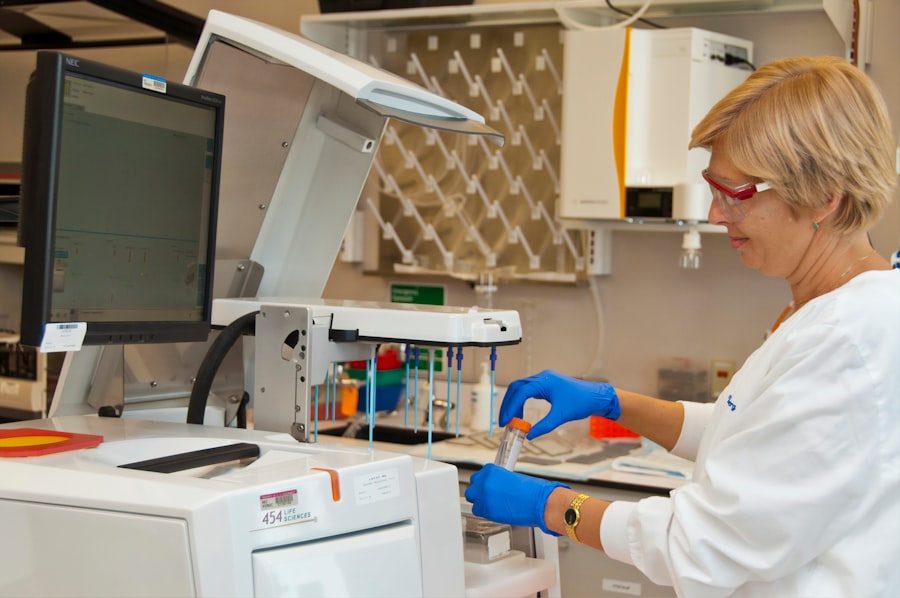
Embarking on a career in clinical data management requires a combination of formal education, specialized training, and the development of specific skill sets. The path is not always linear, but certain foundations are consistently valuable.
Academic Background
Individuals entering this field often hold a bachelor’s or master’s degree in a relevant scientific or healthcare discipline.
- Relevant Degrees: Life sciences (e.g., biology, chemistry, pharmacology), public health, nursing, health informatics, computer science, or statistics. A degree in a quantitative field provides a strong foundation for understanding data analysis principles.
- Certifications: While not always mandatory, certifications like the Certified Clinical Data Manager (CCDM) offered by the Society for Clinical Data Management (SCDM) can enhance career prospects and demonstrate a commitment to professional development. Continuing education is also vital to stay abreast of evolving technologies and regulations.
Technical Proficiencies
The landscape of clinical data management is increasingly technology-driven. Proficiency in various software and platforms is a distinct advantage.
- EDC Systems: Experience with leading EDC platforms (e.g., Medidata Rave, Oracle Clinical, Veeva Vault CDMS) is highly sought after. These systems are the primary tools for data capture and management.
- Database Software: Familiarity with relational database management systems (RDBMS) like SQL and their query languages is beneficial, especially for database programmers.
- Spreadsheet and Presentation Software: Mastery of Microsoft Excel for data manipulation and analysis, and PowerPoint for reporting and presentations, remains fundamental.
- Statistical Software: While not always a primary requirement for all roles, a basic understanding of statistical software (e.g., SAS, R, Python) can aid in understanding data analysis and interacting effectively with biostatisticians.
Soft Skills
Beyond technical expertise, several non-technical skills are critical for success in clinical data management roles. These are often the differentiator between competence and excellence.
- Attention to Detail: This is perhaps the most crucial skill. Data managers are responsible for ensuring the minutest details are correct, as even small errors can have significant implications for study results.
- Problem-Solving: Data discrepancies and challenges are frequent. The ability to identify issues, investigate their root causes, and propose effective solutions is paramount.
- Communication: Effective communication (written and verbal) is essential for interacting with clinical sites, sponsors, statisticians, and regulatory agencies. Data managers must clearly articulate data issues and solutions.
- Organizational Skills: Managing multiple tasks, deadlines, and diverse datasets requires exceptional organizational capabilities.
- Adaptability: The industry is constantly evolving with new technologies and regulations. The ability to adapt to change and learn new tools quickly is a significant asset.
The Evolving Landscape: Trends and Technologies

The field of clinical data management is not static; it is constantly evolving, driven by technological advancements, regulatory changes, and the demand for greater efficiency and data quality. Embracing these changes is key to long-term career success.
Electronic Data Capture (EDC) Systems
EDC systems have revolutionized data collection, largely replacing traditional paper-based CRFs. These systems offer numerous advantages, including real-time data entry, automated edit checks, and immediate access to data for monitoring.
- Impact: EDC systems have reduced data entry errors, accelerated data cleaning cycles, and improved overall data quality. They have transformed the role of data entry personnel, shifting focus towards data validation and query management.
- Future: Expect further integration with other clinical trial management systems (CTMS) and electronic health records (EHRs) for seamless data flow and reduced manual intervention.
Automation and Artificial Intelligence (AI)
The application of automation and AI in clinical data management is a burgeoning area with the potential to significantly enhance efficiency and accuracy.
- Use Cases: AI can assist in identifying data anomalies, predicting potential data quality issues, automating query generation, and even assisting in medical coding by identifying relevant terms from unstructured text data. For example, machine learning algorithms can flag data points that deviate significantly from expected ranges, prompting early investigation.
- Implications: While AI will likely automate repetitive tasks, it is not expected to replace human data managers entirely. Instead, it will augment their capabilities, allowing them to focus on more complex problem-solving and strategic oversight. The human element of critical thinking and regulatory compliance remains indispensable.
Real-World Data (RWD) and Real-World Evidence (RWE)
The increasing focus on RWD and RWE generation is expanding the scope of data management beyond traditional clinical trials. RWD refers to data collected outside of controlled clinical trial settings, such as electronic health records, claims data, and patient registries.
- Challenges: Managing RWD presents unique challenges related to data heterogeneity, varying data quality, and privacy concerns. Data managers working with RWD need expertise in handling diverse data sources and ensuring data privacy and security.
- Opportunities: This trend opens new avenues for data management professionals in observational studies, post-market surveillance, and health economics and outcomes research (HEOR).
Career Progression and Opportunities
| Job Title | Average Salary | Required Experience | Key Skills | Typical Employers | Job Growth Outlook (2024-2029) |
|---|---|---|---|---|---|
| Clinical Data Manager | 85,000 – 110,000 | 3-5 years | Data validation, SAS, CDISC standards, EDC systems | Pharmaceutical companies, CROs, Hospitals | 7% increase |
| Clinical Research Data Analyst | 70,000 – 95,000 | 2-4 years | Statistical analysis, SQL, R, data visualization | Research institutions, Biotech firms, CROs | 8% increase |
| Clinical Data Coordinator | 55,000 – 75,000 | 1-3 years | Data entry, EDC software, attention to detail | Hospitals, CROs, Academic research centers | 6% increase |
| Clinical Database Programmer | 80,000 – 105,000 | 3-5 years | Programming (SAS, SQL), database design, data cleaning | Pharma, CROs, Contract research labs | 7% increase |
| Clinical Trial Data Specialist | 65,000 – 90,000 | 2-4 years | Data management plans, regulatory compliance, EDC | Pharmaceutical companies, CROs | 7% increase |
A career in clinical data management offers various avenues for growth and specialization. The knowledge and skills acquired in entry-level positions form a solid foundation for advancing into more leadership-oriented or highly specialized roles.
Lateral and Upward Mobility
- From Coordinator to Manager: Clinical Data Coordinators can progress to Clinical Data Managers by gaining experience in leading studies, managing teams, and developing strategic data management plans.
- Specialization: Data Managers can specialize in areas like database programming, medical coding, or data quality assurance, becoming subject matter experts.
- Cross-Functional Roles: The understanding of clinical data processes can lead to roles in clinical operations, quality assurance, or even regulatory affairs, leveraging a comprehensive understanding of the clinical trial lifecycle.
Industry Sectors
Clinical data management professionals are employed across various sectors within the healthcare and pharmaceutical industries.
- Pharmaceutical Companies: Large pharmaceutical companies often have dedicated data management departments that handle a vast portfolio of clinical trials.
- Contract Research Organizations (CROs): CROs conduct clinical trials on behalf of pharmaceutical and biotechnology companies, offering diverse project experience and opportunities to work with multiple sponsors and therapeutic areas.
- Biotechnology Companies: Smaller biotech companies, focused on innovative therapies, also require robust data management expertise.
- Academic Research Institutions: Universities and academic medical centers conduct their own clinical research, providing opportunities in an academic setting.
- Technology Vendors: Companies that develop and sell EDC systems and other clinical trial technologies also employ data management professionals for product development, support, and training.
Conclusion
The field of clinical data management is a dynamic and essential component of modern clinical research. It is a domain where meticulous attention to detail, analytical rigor, and a commitment to data integrity directly contribute to the advancement of medical science and the improvement of public health. As technology continues to evolve and the complexity of clinical trials increases, the demand for skilled data management professionals will undoubtedly grow. For individuals seeking a career that combines scientific principles with practical application, offers continuous learning opportunities, and plays a vital role in bringing new therapies to patients, exploring data management in clinical research presents a compelling and rewarding pathway. The bridge between raw data and medical breakthroughs is built upon the foundation of sound data management, and the architects of this bridge are the data management professionals.
