
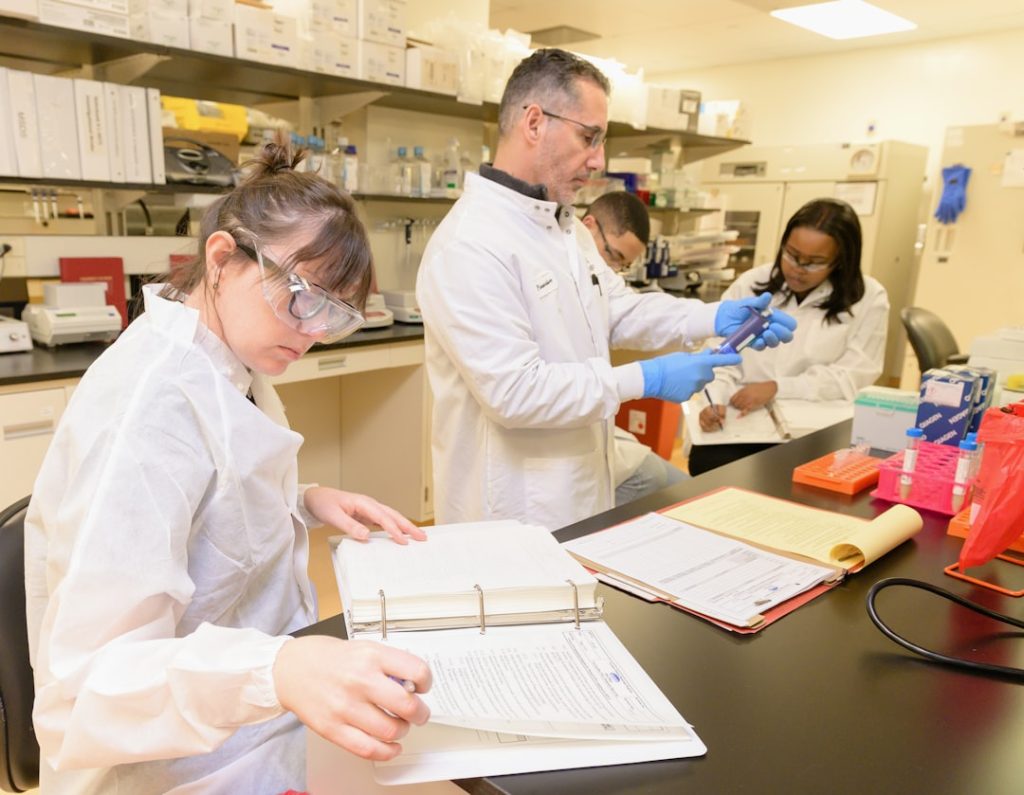
Clinical research, a field dedicated to advancing medical knowledge and patient care, offers a variety of internship opportunities. These internships provide practical experience, bridging the gap between theoretical knowledge and its application in real-world settings. For individuals considering a career in healthcare, pharmaceuticals, or biotechnology, a clinical research internship can be a foundational stepping stone.
Clinical research encompasses a broad spectrum of scientific investigation aimed at discovering or verifying the effects of interventions or diagnostic methods on health outcomes. It involves studying human health and disease. This field is crucial for developing new treatments, diagnostic tools, and preventative strategies.
Types of Clinical Research

Clinical research can be categorized in several ways, often based on its purpose or methodology.
- Observational Studies: These studies involve observing participants and measuring outcomes without intervention. Examples include cohort studies, case-control studies, and cross-sectional studies. They are often used to identify risk factors for diseases or to understand natural disease progression.
- Interventional Studies (Clinical Trials): These studies involve actively intervening with participants, typically administering a new drug, device, or other treatment. Participants are usually randomized into different treatment groups, including a placebo or standard treatment group, to evaluate the intervention’s efficacy and safety. Clinical trials are often phased:
- Phase I: Focuses on safety and dosage in a small group of healthy volunteers.
- Phase II: Evaluates efficacy and further assesses safety in a larger group of patients with the condition.
- Phase III: Compares the new intervention to existing treatments in a large, diverse patient population.
- Phase IV: Post-marketing studies monitoring long-term effects and optimal use after approval.
- Translational Research: This type of research aims to translate basic scientific discoveries into practical applications for human health. It acts as a conduit between the laboratory bench and the patient’s bedside.
Key Roles in Clinical Research
The execution of clinical research involves a multidisciplinary team. Understanding these roles can help an aspiring intern identify areas of interest.
- Principal Investigator (PI): The lead researcher responsible for the overall conduct of the study, ensuring ethical guidelines are followed and data integrity maintained.
- Clinical Research Coordinator (CRC): Manages the day-to-day operations of a clinical trial site, including patient recruitment, data collection, and regulatory documentation. CRCs are often the central hub of communication at a site.
- Clinical Research Associate (CRA): Monitors clinical trials conducted at various sites, ensuring compliance with protocols, regulations, and good clinical practice (GCP). They are the eyes and ears of the sponsor.
- Data Manager: Responsible for the collection, cleaning, and management of research data, ensuring its accuracy and integrity.
- Biostatistician: Designs studies, analyzes data, and interprets results, playing a critical role in drawing valid conclusions from research.
Identifying Internship Opportunities

Locating suitable clinical research internships requires a strategic approach. It’s a process of casting a wide net and then refining the catch.
Academic Institutions
Universities and teaching hospitals are significant hubs for clinical research. Their academic environment often fosters a culture of learning and mentorship, making them ideal for internships.
- Research Departments: Many universities have dedicated research departments across various medical specialties (e.g., oncology, cardiology, neurology) that conduct clinical trials. Contacting individual PIs or department administrators directly can yield opportunities.
- Medical Centers: Affiliated medical centers often have clinical trial units or research centers. These institutions provide exposure to a direct patient care environment alongside research activities.
- Career Services: Most academic institutions have career services departments that maintain lists of internship opportunities and can assist with resume building and interview preparation specifically tailored for research roles.
Pharmaceutical and Biotechnology Companies
These companies are the primary drivers of drug and device development, making them large employers in clinical research.
- Research and Development (R&D) Divisions: Within pharmaceutical companies, R&D divisions often have specific departments dedicated to clinical operations, regulatory affairs, or data management, which may offer internships.
- Dedicated Internship Programs: Many large pharmaceutical and biotech firms run structured internship programs, often advertised on their corporate websites or through university career fairs. These programs can be competitive but offer comprehensive exposure.
Contract Research Organizations (CROs)
CROs are companies that provide outsourced research services to pharmaceutical, biotechnology, and medical device industries. They are like the logistical backbone of many clinical trials.
- Diverse Project Exposure: Interning at a CRO can expose you to a wider range of therapeutic areas and study phases because they typically work with multiple clients.
- Operational Focus: CRO internships often focus on the operational aspects of clinical trials, such as project management, regulatory submissions, or clinical monitoring.
Government Agencies
Government bodies play a significant role in regulating and conducting clinical research.
- National Institutes of Health (NIH): In the United States, the NIH conducts extensive intramural research and funds extramural research. Their various institutes (e.g., National Cancer Institute, National Heart, Lung, and Blood Institute) offer diverse internship programs.
- Food and Drug Administration (FDA): The FDA, responsible for regulating medical products, offers internships focusing on regulatory science, drug review, and post-market surveillance.
Preparing for an Internship Application

The application process is your opportunity to present yourself as a valuable candidate. Think of it as constructing a compelling narrative about your potential.
Essential Skills and Knowledge
Certain foundational skills and knowledge are highly valued in clinical research. Developing these will make you a more attractive candidate.
- Scientific Literacy: A strong understanding of biology, chemistry, and human physiology is fundamental. The ability to critically read and understand scientific literature is also crucial.
- Basic Statistics: An acquaintance with statistical concepts and methods, as often applied in research, is beneficial for understanding study design and data interpretation.
- Attention to Detail: Clinical research is meticulous. Errors can have significant consequences. Precision in data entry, documentation, and protocol adherence is paramount.
- Communication Skills: Effective written and oral communication are essential for interacting with team members, participants, and regulatory bodies. The ability to articulate complex scientific concepts clearly is a valuable asset.
- Computer Proficiency: Familiarity with common software like Microsoft Office Suite (Word, Excel, PowerPoint) is expected. Exposure to statistical software (e.g., R, SAS, SPSS) or electronic data capture (EDC) systems can be an advantage.
- Ethical Considerations (GCP): An understanding of Good Clinical Practice (GCP) guidelines and ethical principles in human research (e.g., informed consent, patient confidentiality) is non-negotiable. Many organizations offer free online GCP training courses.
Crafting Your Application Documents
Your resume and cover letter are your first impression. They need to be polished and tailored.
- Resume/CV:
- Highlight Relevant Coursework: Emphasize courses in biology, statistics, ethics, or research methods.
- Showcase Lab Experience: Any experience in a research lab, even if not clinical, demonstrates an understanding of scientific methodology.
- Include Volunteer Work: Experience in healthcare settings or with patient populations can demonstrate empathy and an understanding of patient interactions.
- Quantify Achievements: Where possible, use numbers to describe your responsibilities or accomplishments (e.g., “Assisted in data collection for 20 patients,” “Processed 50 samples per week”).
- Cover Letter:
- Personalization: Address the letter to a specific person if possible. Research the organization and express genuine interest in their specific work.
- Connect Your Skills: Articulate how your skills and coursework align with the requirements of the internship and the mission of the organization.
- Express Learning Goals: Clearly state what you hope to gain from the internship beyond just experience. This demonstrates initiative and a growth mindset.
Networking
Networking can open doors that online applications sometimes miss. It’s about building a web of professional connections.
- Informational Interviews: Reach out to professionals in clinical research for brief informational interviews. Ask about their career path, their daily work, and advice for aspiring interns. This can also lead to learning about unadvertised opportunities.
- Professional Organizations: Join relevant professional organizations (e.g., Association of Clinical Research Professionals – ACRP, Society for Clinical Research Sites – SCRS). Attend their meetings or webinars.
- University Alumni Networks: Connect with alumni who work in clinical research. They can offer guidance and potentially connect you with opportunities within their organizations.
What to Expect During an Internship

An internship is a hands-on learning experience. It’s a chance to put theory into practice and observe the complex machinery of research in action.
Typical Intern Responsibilities
Internship tasks can vary significantly depending on the organization, the specific project, and your qualifications.
- Data Entry and Management: Assisting CRCs with entering anonymized patient data into electronic systems or maintaining paper records. This is often an entry point into understanding data flow.
- Regulatory Document Preparation: Helping assemble and organize regulatory binders, consent forms, and other documentation required for ethical and governmental oversight.
- Literature Reviews: Conducting searches and summarizing existing scientific literature relevant to the study.
- Participant Recruitment Support: Assisting with screening potential participants, scheduling appointments, or preparing recruitment materials.
- Observation: Shadowing CRCs, PIs, or other research staff during patient visits, monitoring visits, or team meetings. This is a critical learning opportunity to observe best practices.
- Quality Control: Assisting with checks on data accuracy and completeness.
Learning and Development Opportunities
An internship should be viewed as a period of intense learning.
- Good Clinical Practice (GCP) Application: You will see how GCP principles are applied daily to ensure patient safety and data integrity. This practical experience cements theoretical knowledge.
- Protocol Adherence: Understanding the detailed study protocol and observing how it guides all research activities.
- Regulatory Landscape: Gaining insight into the complex network of regulations (e.g., FDA regulations, ICH guidelines) that govern clinical research.
- Team Collaboration: Working as part of a multidisciplinary team, understanding different roles, and contributing to a common goal. This highlights the collaborative nature of scientific endeavor.
- Problem-Solving: Observing how the research team addresses challenges, such as participant recruitment difficulties or unexpected data issues.
Mentorship
A key benefit of a well-structured internship is the opportunity for mentorship.
- Guidance and Feedback: A mentor can provide guidance on your work, offer constructive feedback, and share insights into career paths.
- Professional Development: Mentors can help you identify areas for development, suggest relevant resources, and introduce you to their professional network.
- Career Insights: They can offer a realistic perspective on the day-to-day realities of working in clinical research.
Maximizing Your Internship Experience
| Metric | Description | Typical Value/Range |
|---|---|---|
| Duration | Length of the internship program | 3 to 6 months |
| Stipend | Monthly financial compensation for interns | Varies; often unpaid to moderate stipend |
| Eligibility | Educational qualifications required | Undergraduate or graduate students in life sciences, pharmacy, medicine |
| Key Skills Gained | Core competencies developed during internship | Clinical trial management, data analysis, regulatory compliance, patient recruitment |
| Number of Projects | Typical number of projects an intern works on | 1 to 3 projects |
| Mentorship Ratio | Number of interns per mentor | 1:1 to 1:3 |
| Certification | Whether a certificate is provided upon completion | Yes, usually provided |
| Internship Mode | Format of the internship | On-site, remote, or hybrid |
| Average Weekly Hours | Typical number of hours worked per week | 20 to 40 hours |
| Post-Internship Opportunities | Potential career paths after internship | Clinical research associate, data coordinator, regulatory affairs assistant |
An internship is a two-way street. You contribute to the organization, and the organization provides you with a learning platform. Proactive engagement will amplify your gains.
Be Proactive and Engaged
Don’t wait to be told what to do. Actively seek out learning opportunities.
- Ask Questions: Don’t be afraid to ask for clarification or to understand the “why” behind a task. This demonstrates curiosity.
- Take Initiative: If you complete a task, ask for the next one, or see if you can assist a team member.
- Offer Help: Identify areas where you can genuinely contribute, even if it’s a minor task.
- Maintain a Learning Log: Document your daily tasks, observations, questions, and insights. This can be a valuable resource for reflecting on your experience and for future interviews. Think of it as building your own personal knowledge base.
Network Within the Organization
Your internship is an ideal time to build connections within your host organization.
- Connect with Colleagues: Introduce yourself to various team members, not just your immediate supervisor. Understand their roles and how they contribute.
- Attend Meetings: Participate in team meetings, even if you are primarily observing. This provides insight into project progress and problem-solving discussions.
- Seek Informational Interviews: Ask if you can have a brief chat with professionals in different departments to learn about their work.
Seek Feedback and Reflect
Constructive criticism is a gift that helps you grow professionally.
- Request Regular Feedback: Ask your supervisor for regular feedback on your performance. Be open to improvement.
- Self-Reflection: Regularly reflect on what you are learning, what challenges you face, and how you are developing. How has your understanding of clinical research evolved?
- Identify Strengths and Growth Areas: Use the feedback and self-reflection to identify your strengths and pinpoint areas where you need further development.
Post-Internship: Leveraging Your Experience
The internship doesn’t end when you walk out the door on your last day. The experience continues to deliver value long afterward.
Resume and Interview Enhancement
Your internship provides concrete examples to bolster your resume and interview responses.
- Quantify Your Contributions: Update your resume with specific accomplishments from your internship, using action verbs and quantifiable results where possible.
- Behavioral Interview Preparation: An internship provides a rich source of examples for answering behavioral interview questions (e.g., “Tell me about a time you handled a challenging situation,” “Describe a project where you demonstrated attention to detail”).
Professional Network Expansion
The individuals you met during your internship become part of your professional network.
- Maintain Connections: Stay in touch with your supervisor, mentors, and colleagues. A polite email update or a LinkedIn connection can maintain these relationships.
- Letters of Recommendation: A successful internship can lead to strong letters of recommendation, which are invaluable for future academic or employment applications.
Career Path Clarity
An internship can serve as a compass, confirming or redirecting your career aspirations.
- Confirming Interest: It can solidify your interest in clinical research and specific roles within the field.
- Exploring Alternatives: Conversely, it might reveal that a particular aspect of clinical research isn’t for you, guiding you toward other related fields or specializations. This is equally valuable information, saving you time and effort in the long run.
In conclusion, a clinical research internship is more than just a line on a resume; it is an immersive learning experience that provides a microcosm of this essential scientific field. By understanding the landscape of clinical research, strategically identifying opportunities, meticulously preparing applications, actively engaging during the internship, and diligently leveraging the experience afterward, you can lay a robust foundation for a career in this dynamic and impactful domain. The journey into clinical research, much like a well-designed study, requires careful planning, diligent execution, and thoughtful reflection to yield meaningful results.
