
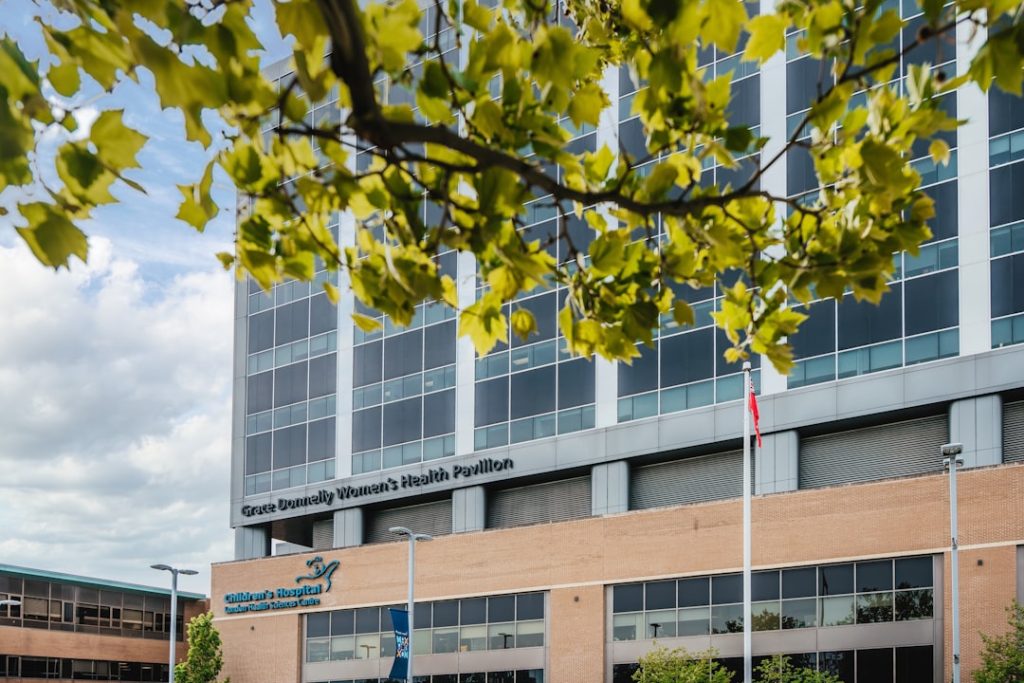
The Emma Eccles Jones Research Building, a facility located on the University of Utah campus, serves as a hub for biomedical inquiry. Established with a design conducive to collaborative research, it houses various laboratories and specialized equipment. This article examines some of the research endeavors underway within its walls, focusing on areas with potential clinical impact.
Research into cardiovascular diseases forms a significant portion of the work conducted at the Emma Eccles Jones Building. Investigators explore the underlying mechanisms of various heart conditions and potential therapeutic interventions.
Genetic Predisposition to Cardiac Arrhythmias

Studies investigate the genetic factors contributing to cardiac arrhythmias, particularly conditions like long QT syndrome and Brugada syndrome. Researchers employ genomic sequencing and functional assays to identify novel genetic variants and understand their impact on cardiac ion channel function. This involves analyzing patient cohorts and developing cellular models, such as induced pluripotent stem cell-derived cardiomyocytes, to replicate disease phenotypes in vitro. The goal is to move beyond mere correlation and establish causal links between specific genetic mutations and arrhythmic events, which could inform personalized treatment strategies.
Myocardial Regeneration and Repair
Another area of focus is myocardial regeneration, addressing the challenge of repairing damaged heart tissue after events like myocardial infarction. Projects explore the potential of stem cell therapies, both mesenchymal stem cells and cardiac progenitor cells, to enhance cardiac function and reduce scar tissue formation. This involves preclinical studies in animal models, evaluating the engraftment, survival, and differentiation of transplanted cells. Furthermore, researchers investigate biomaterial scaffolds and growth factors that can promote the endogenous regenerative capacity of the heart, effectively providing a framework and signals for recovery. The long-term objective is to translate these findings into clinical applications, offering alternatives to traditional cardiac interventions.
Vascular Biology and Angiogenesis

Investigations into vascular biology examine the processes of angiogenesis and vasculogenesis, crucial for tissue repair and disease progression. Researchers study the molecular pathways regulating blood vessel formation, both in healthy states and in pathological conditions like ischemia and tumor growth. This includes analyzing the role of endothelial cells, pericytes, and growth factors such as VEGF and FGF. The work aims to identify targets for promoting therapeutic angiogenesis in ischemic diseases, such as peripheral artery disease, and for inhibiting pathological angiogenesis in conditions like cancer and diabetic retinopathy. Such understanding is akin to understanding the river systems that hydrate a landscape; manipulating them can either bring life or stifle growth.
Neurological Disease Exploration
The building also hosts extensive research into neurological disorders, ranging from neurodegenerative conditions to rare genetic epilepsies. The complexity of the brain presents both significant challenges and opportunities for discovery.
Mechanisms of Neurodegeneration
Researchers delve into the molecular and cellular mechanisms underlying neurodegenerative diseases such as Alzheimer’s, Parkinson’s, and Huntington’s disease. This includes studying protein misfolding and aggregation, mitochondrial dysfunction, and neuroinflammation. Investigations often utilize animal models, such as transgenic mice and C. elegans, to mimic disease pathology and test potential therapeutic compounds. The focus extends to exploring novel biomarkers for early disease detection and monitoring disease progression, which act as early warning systems for these insidious conditions.
Epilepsy Pathophysiology and Therapeutics
Work on epilepsy encompasses elucidating the fundamental causes of seizure disorders and developing new anticonvulsant therapies. Projects examine ion channelopathies, synaptic dysfunction, and network hyperexcitability within the brain. Researchers employ electrophysiological techniques, optogenetics, and advanced imaging to map seizure initiation and propagation. The goal is to identify precise molecular and cellular targets for intervention, potentially leading to drugs with improved efficacy and fewer side effects than current treatments. This involves a meticulous dissection of the brain’s electrical circuitry, much like an electrician tracing a fault in a complex wiring system.
Neurodevelopmental Disorders
Another area of inquiry addresses neurodevelopmental disorders, including autism spectrum disorders and intellectual disabilities. Researchers investigate genetic and environmental factors that disrupt normal brain development, leading to these conditions. This often involves large-scale genetic studies, analysis of patient-derived cell models, and neuroimaging studies to identify structural and functional brain abnormalities. The aim is to understand the developmental trajectories of these disorders, with a view to informing early intervention strategies and developing targeted therapies.
Cancer Research Endeavors

Cancer research conducted within the Emma Eccles Jones Building spans various cancer types and aspects of oncogenesis, from fundamental mechanisms to translational applications.
Tumor Microenvironment Studies
Researchers explore the intricate interactions within the tumor microenvironment, recognizing its crucial role in cancer progression, metastasis, and therapeutic resistance. This includes studying the interplay between cancer cells, stromal cells, immune cells, and the extracellular matrix. Projects employ advanced imaging techniques, single-cell RNA sequencing, and organoid models to dissect these complex relationships. Understanding the tumor microenvironment is analogous to understanding the soil in which a weed grows; simply removing the weed without addressing the soil often leads to its recurrence.
Targeted Cancer Therapies
Efforts are directed towards developing and testing targeted cancer therapies that specifically inhibit molecular pathways essential for cancer cell survival and proliferation. This involves identifying novel oncogenic drivers and designing small molecule inhibitors or antibody-based therapies against them. Preclinical testing in in vitro and in vivo models forms a critical part of this process, evaluating drug efficacy and toxicity. The goal is to move towards more personalized cancer treatments, tailoring therapies to the specific genetic and molecular profile of a patient’s tumor.
Cancer Immunotherapy Development
Another significant area is cancer immunotherapy, aiming to harness the body’s own immune system to fight cancer. Researchers explore various strategies, including checkpoint blockade inhibitors, CAR T-cell therapy, and oncolytic viruses. This involves understanding immune evasion mechanisms employed by cancer cells and developing ways to overcome them. Projects often include collaboration with clinical oncologists to translate promising findings into clinical trials, pushing the boundaries of what is possible in cancer treatment.
Infectious Disease Research
Given the persistent threat of infectious agents, research into understanding and combating these diseases remains a critical focus.
Viral Pathogenesis and Antivirals
Studies investigate the mechanisms of viral replication, host-pathogen interactions, and viral immune evasion strategies. This includes work on clinically relevant viruses such as influenza, HIV, and emerging viral pathogens. Researchers utilize molecular biology, cell biology, and immunological techniques to identify viral targets for antiviral drug development. The aim is to develop new antiviral compounds that can effectively inhibit viral proliferation with minimal toxicity to host cells, acting as a shield against microscopic invaders.
Bacterial Resistance Mechanisms
The rise of antibiotic-resistant bacteria presents a global health challenge. Researchers at the building explore the mechanisms by which bacteria develop and spread resistance, including the role of efflux pumps, enzymatic degradation, and target modification. This involves genomic sequencing of resistant strains, biochemical analyses, and structural biology approaches to understand the molecular basis of resistance. The goal is to inform the development of new antibiotics and strategies to combat resistance, ensuring that our medical arsenal remains effective.
Vaccine Development Initiatives
Efforts are also directed towards developing novel vaccines against various infectious agents. This involves identifying protective antigens, designing effective vaccine platforms (e.g., mRNA, subunit, viral vector-based), and evaluating vaccine efficacy in preclinical models. The work is crucial for preventing the spread of infectious diseases and protecting public health, providing a firewall against widespread illness.
Advancements in Medical Technologies
| Metric | Details |
|---|---|
| Name | Emma Eccles Jones Medical Research Building |
| Location | Salt Lake City, Utah |
| Affiliation | University of Utah Health Sciences |
| Building Size | Approximately 300,000 square feet |
| Number of Floors | 7 floors |
| Primary Use | Biomedical research and medical education |
| Research Focus Areas | Cancer, cardiovascular disease, neuroscience, genetics, and infectious diseases |
| Year Opened | 2012 |
| Funding Sources | State funds, private donations, and federal grants |
| Notable Features | Advanced laboratory facilities, collaborative research spaces, and state-of-the-art imaging technology |
Beyond disease-specific research, the Emma Eccles Jones Research Building also fosters innovation in medical technologies, aimed at improving diagnosis, treatment, and monitoring.
Biomedical Imaging Techniques
Researchers develop and refine advanced biomedical imaging techniques to visualize biological processes at various scales, from molecular to organismal. This includes innovations in MRI, PET, ultrasound, and optical imaging. The goal is to improve diagnostic accuracy, guide surgical interventions, and monitor therapeutic responses with greater precision and less invasiveness. These technologies serve as enhanced spectacles, allowing us to see deeper into the body’s hidden machinery.
Drug Delivery Systems
Another area of technological advancement focuses on developing novel drug delivery systems. Projects explore nanoparticles, liposomes, and other carrier systems designed to improve drug bioavailability, target specific tissues or cells, and reduce systemic toxicity. This involves material science, pharmaceutical chemistry, and in vivo pharmacology. The aim is to optimize therapeutic outcomes, ensuring that medications reach their intended targets effectively and safely.
Medical Device Development
Collaboration between engineers and clinicians leads to the development of new medical devices. This ranges from improved surgical tools and prosthetics to advanced sensors for continuous physiological monitoring. The process involves prototyping, testing, and regulatory considerations, with a strong emphasis on meeting unmet clinical needs. Such work involves bridging the gap between scientific principles and tangible clinical tools, turning abstract ideas into practical solutions that directly benefit patients.
The Emma Eccles Jones Research Building continues to serve as a significant contributor to biomedical research. The diversity of studies undertaken within its facilities underscores its role in advancing our understanding of disease and developing new approaches to medical care. The collaborative environment aims to facilitate the transition of scientific discoveries from the laboratory bench to clinical application.
