

Clinical trials are a cornerstone of medical research, serving as the primary method for evaluating the safety and efficacy of new treatments, drugs, and medical devices. While many people associate clinical trials with patients suffering from specific conditions, the role of healthy volunteers is equally crucial. Healthy volunteers contribute to the understanding of how new interventions work in a controlled environment, providing baseline data that can be compared against the responses of individuals with various health conditions.
This comparative analysis is essential for determining the therapeutic potential of new treatments and ensuring that they are safe for public use. Moreover, healthy volunteers help researchers identify potential side effects and adverse reactions that may not be evident in animal studies or theoretical models. By participating in clinical trials, these volunteers enable scientists to gather comprehensive data on how a drug interacts with a healthy human body before it is administered to patients.

This process not only enhances the safety profile of new medications but also accelerates the development timeline for innovative therapies. The contributions of healthy volunteers are indispensable in bridging the gap between laboratory research and clinical application, ultimately leading to improved healthcare outcomes for everyone.
Key Takeaways
- Healthy volunteers play a crucial role in advancing medical research and developing new treatments.
- Participation involves understanding both the potential benefits and risks associated with clinical trials.
- Informed consent and ethical considerations are essential to protect the rights and safety of healthy volunteers.
- Finding and enrolling in clinical trials requires access to reliable resources and support systems.
- The future of clinical trials promises improved healthcare outcomes through innovative research involving healthy volunteers.
What to Expect as a Healthy Volunteer in a Clinical Trial

When considering participation in a clinical trial, healthy volunteers can expect a structured and regulated environment designed to ensure their safety and well-being. Upon enrollment, participants typically undergo a thorough screening process that includes medical history assessments, physical examinations, and laboratory tests. This initial evaluation is critical to confirm that volunteers meet the eligibility criteria for the study and do not have any underlying health issues that could interfere with the trial’s objectives.
Once accepted, volunteers will receive detailed information about the study’s purpose, procedures, and any potential risks involved. During the trial itself, healthy volunteers may be required to attend multiple visits to the research site, where they will undergo various assessments, including blood tests, imaging studies, or questionnaires. Depending on the nature of the trial, participants might receive either the investigational treatment or a placebo.
Throughout this process, researchers closely monitor volunteers for any adverse effects or changes in health status. Communication is key; volunteers are encouraged to ask questions and express any concerns they may have. This transparency fosters a collaborative atmosphere between researchers and participants, ensuring that everyone is informed and comfortable with the trial’s progress.
Benefits and Risks of Participating in Clinical Trials as a Healthy Volunteer
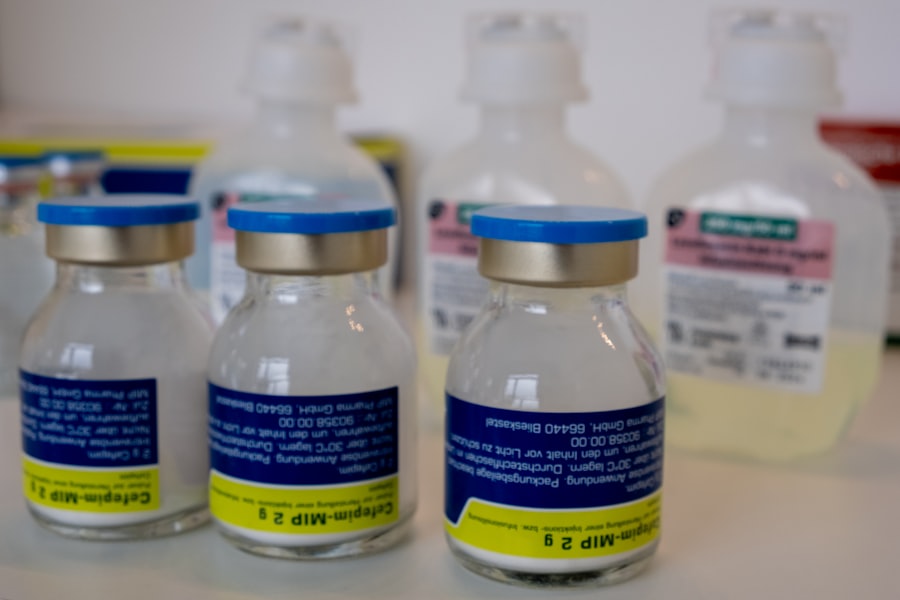
Participating in clinical trials as a healthy volunteer comes with a unique set of benefits and risks that individuals should carefully consider before enrolling. One of the most significant advantages is the opportunity to contribute to medical research that may lead to breakthroughs in treatment for various diseases. Volunteers play an essential role in advancing science and improving healthcare for future generations.
Additionally, many clinical trials offer compensation for time and travel expenses, which can be an attractive incentive for those considering participation. However, it is crucial to acknowledge the potential risks associated with being a healthy volunteer in a clinical trial. While researchers take extensive precautions to minimize risks, there is always a possibility of experiencing side effects from investigational treatments or even from placebo administration.
Some trials may involve invasive procedures or require participants to adhere to strict protocols that could disrupt their daily lives. Furthermore, the long-term effects of new treatments may not be fully understood at the time of enrollment, which can lead to uncertainty about potential health implications. Therefore, prospective volunteers must weigh these factors carefully and engage in open discussions with healthcare professionals before making a decision.
How to Find and Enroll in Clinical Trials for Healthy Volunteers
Finding and enrolling in clinical trials as a healthy volunteer can be a straightforward process if individuals know where to look. Numerous resources are available to help potential participants identify suitable studies. Websites such as ClinicalTrials.gov provide comprehensive databases of ongoing clinical trials across various medical fields.
Users can search by location, condition, or specific interventions to find studies that align with their interests and eligibility criteria. Additionally, local hospitals, universities, and research institutions often have dedicated clinical trial offices that can provide information about upcoming studies. Once individuals identify a trial they are interested in, the next step is to reach out to the research team for more information.
This initial contact typically involves discussing eligibility requirements and understanding what participation entails. If individuals meet the criteria and decide to proceed, they will undergo the screening process mentioned earlier. It is essential for potential volunteers to ask questions about the study’s design, duration, and any commitments required before enrolling.
This proactive approach ensures that individuals are well-informed and comfortable with their decision to participate.
Understanding Informed Consent and Ethical Considerations for Healthy Volunteers
| Metric | Description | Typical Range/Value | Notes |
|---|---|---|---|
| Number of Participants | Count of healthy volunteers enrolled in a clinical trial | 20 – 100 | Varies based on phase and study design |
| Age Range | Age limits for healthy volunteers | 18 – 55 years | Often restricted to adults without chronic conditions |
| Gender Distribution | Percentage of male vs female participants | Typically balanced or male predominant | Depends on study requirements |
| Adverse Event Rate | Percentage of volunteers experiencing side effects | 5% – 30% | Mostly mild to moderate events |
| Study Duration | Length of time volunteers participate | 1 day – 3 months | Depends on trial phase and drug tested |
| Compensation | Typical payment or reimbursement for volunteers | Varies by region and study | Not included here as per instructions |
| Trial Phase | Phase of clinical trial involving healthy volunteers | Phase 1 primarily | Focus on safety and pharmacokinetics |
| Screening Failure Rate | Percentage of volunteers excluded after screening | 20% – 50% | Due to health criteria or lab results |
Informed consent is a fundamental ethical principle in clinical research that ensures participants are fully aware of what their involvement entails before agreeing to participate. For healthy volunteers, this process involves receiving detailed information about the study’s purpose, procedures, potential risks, benefits, and alternative options available outside of participation. Researchers must present this information clearly and comprehensively, allowing individuals to make an informed decision without coercion or undue pressure.
Ethical considerations extend beyond informed consent; they also encompass issues related to participant safety, confidentiality, and the right to withdraw from the study at any time without penalty. Institutional Review Boards (IRBs) play a critical role in overseeing clinical trials by ensuring that ethical standards are upheld throughout the research process. These boards review study protocols to assess their scientific validity and ethical implications before granting approval for trials to proceed.
Healthy volunteers should feel empowered to ask questions about these ethical safeguards and understand their rights as participants in clinical research.
The Role of Healthy Volunteers in Advancing Medical Research and Treatment Development

Healthy volunteers serve as an essential component in advancing medical research and treatment development by providing critical data that informs clinical practice. Their participation allows researchers to establish baseline measurements against which they can evaluate the effects of new interventions on specific populations with health conditions. This comparative analysis is vital for understanding how different demographics respond to treatments and identifying any variations in efficacy or safety profiles.
Furthermore, healthy volunteers contribute to the development of preventive measures and public health strategies by participating in studies focused on disease prevention or health promotion. For instance, trials investigating vaccines or lifestyle interventions often rely on healthy individuals to assess how these strategies can be implemented effectively within broader populations. By participating in such studies, healthy volunteers not only aid in scientific discovery but also help shape future healthcare policies aimed at improving community health outcomes.
The Future of Clinical Trials and the Impact on Healthcare for Healthy Volunteers
The landscape of clinical trials is evolving rapidly due to advancements in technology and changes in regulatory frameworks. Innovations such as telemedicine, mobile health applications, and wearable devices are transforming how clinical trials are conducted, making participation more accessible and convenient for healthy volunteers. Remote monitoring allows researchers to collect data from participants without requiring them to visit research sites frequently, thereby reducing barriers to enrollment.
As these changes continue to unfold, the role of healthy volunteers will likely expand further within the realm of personalized medicine. With an increasing emphasis on tailoring treatments based on individual genetic profiles and lifestyle factors, healthy volunteers will be instrumental in helping researchers understand how various interventions can be optimized for different populations. This shift towards precision medicine holds great promise for enhancing treatment efficacy while minimizing adverse effects, ultimately leading to improved healthcare outcomes for all.
Resources and Support for Healthy Volunteers Participating in Clinical Trials
For those considering participation in clinical trials as healthy volunteers, numerous resources are available to provide support throughout the process. Organizations such as the National Institutes of Health (NIH) offer educational materials that explain what clinical trials entail and how individuals can get involved. Additionally, advocacy groups focused on specific diseases often maintain databases of ongoing studies relevant to their communities.
Support networks also exist for individuals who have participated in clinical trials or are considering enrollment. Online forums and social media groups provide platforms for sharing experiences, asking questions, and connecting with others who have similar interests in medical research. These communities can offer valuable insights into what it means to be a healthy volunteer while fostering a sense of camaraderie among participants.
In conclusion, healthy volunteers play an indispensable role in advancing medical research through their participation in clinical trials. By understanding what to expect during this process and being aware of both benefits and risks, individuals can make informed decisions about their involvement in shaping future healthcare innovations. With ongoing support from various resources and organizations dedicated to promoting clinical research participation, healthy volunteers can contribute meaningfully to the evolution of medicine while enhancing their own understanding of health and wellness.
