

Clinical trials serve as a cornerstone in the development of new medical treatments, therapies, and interventions. While many people associate clinical trials with patients suffering from specific diseases, the role of healthy volunteers is equally critical. Healthy volunteers contribute to the foundational understanding of how new drugs and treatments interact with the human body.
Their participation helps researchers establish baseline data, which is essential for comparing the effects of a treatment against a control group. This data is vital for determining the safety and efficacy of new medical products before they are made available to the general public. Moreover, healthy volunteers help to expedite the research process.

By participating in early-phase clinical trials, they enable researchers to gather essential information that can lead to quicker advancements in medical science. For instance, Phase I trials often focus on assessing the safety and pharmacokinetics of a drug, which requires a controlled environment where variables can be minimized. Healthy volunteers provide a unique opportunity for researchers to study these variables without the confounding factors that come with pre-existing health conditions.
Their involvement not only aids in the development of new therapies but also enhances our understanding of human biology and disease mechanisms.
Key Takeaways
- Clinical trials are essential for medical advancements and rely on healthy volunteers to test new treatments safely.
- Participants should carefully weigh the potential risks and benefits before enrolling in a clinical trial.
- Finding and enrolling in trials involves researching available studies and meeting specific eligibility criteria.
- Volunteers can expect thorough monitoring, informed consent processes, and clear communication throughout the trial.
- Ethical standards and support resources ensure the safety and well-being of healthy volunteers during clinical research.

Understanding the Risks and Benefits of Participating in Clinical Trials
Participating in clinical trials comes with its own set of risks and benefits that potential volunteers must carefully consider. On one hand, the benefits can be significant. Healthy volunteers may receive access to cutting-edge treatments that are not yet available to the general public.
They may also undergo comprehensive health assessments and monitoring throughout the trial, which can lead to early detection of potential health issues. Additionally, many trials offer compensation for time and travel, making participation financially beneficial for some individuals. Conversely, there are inherent risks involved in participating in clinical trials.
These can range from mild side effects to more severe adverse reactions, depending on the nature of the intervention being tested. Healthy volunteers may experience unexpected health issues as a result of the treatment or may be subjected to invasive procedures that carry their own risks. It is crucial for potential participants to engage in thorough discussions with healthcare professionals and trial coordinators to fully understand these risks before making a decision.
Informed consent is a fundamental aspect of clinical trials, ensuring that volunteers are aware of what participation entails and can weigh the potential benefits against the risks.
How to Find and Enroll in Clinical Trials for Healthy Volunteers
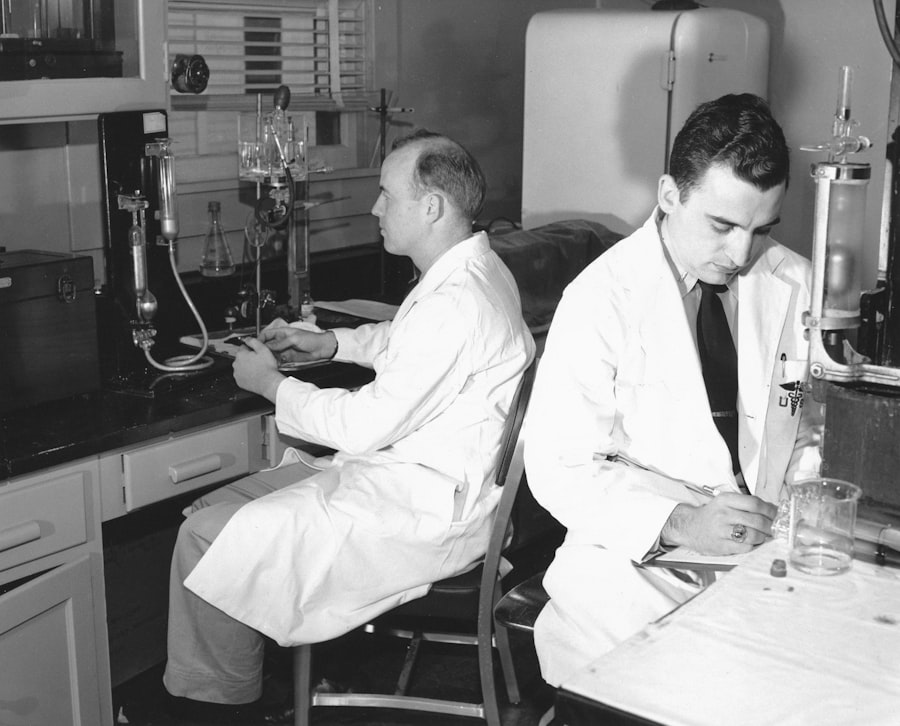
Finding and enrolling in clinical trials as a healthy volunteer can be a straightforward process if one knows where to look. Numerous online databases and registries exist to help individuals locate trials that match their interests and eligibility criteria. Websites such as ClinicalTrials.gov provide comprehensive listings of ongoing studies across various medical fields, allowing users to filter results based on location, condition, and phase of the trial.
Additionally, local hospitals, universities, and research institutions often have dedicated departments that manage clinical trials and can provide information on upcoming studies. Once a suitable trial has been identified, the enrollment process typically begins with an initial screening. This may involve filling out questionnaires about medical history, lifestyle factors, and any medications currently being taken.
Some trials may require additional tests or assessments to ensure that potential participants meet specific inclusion criteria. It is essential for volunteers to be honest and thorough during this screening process, as discrepancies can lead to disqualification or complications later on. After passing the screening phase, participants will be provided with detailed information about the trial protocol, including what will be expected of them throughout the study.
What to Expect During a Clinical Trial for Healthy Volunteers
The experience of participating in a clinical trial can vary significantly depending on the study’s design and objectives. Generally, participants can expect a structured environment where they will be closely monitored by healthcare professionals throughout the trial duration. This monitoring may include regular check-ups, laboratory tests, and assessments to evaluate their health status and any side effects experienced during the study.
Participants may also be required to adhere to specific protocols regarding medication administration or lifestyle restrictions during the trial period. For example, they might need to take a medication at certain times or avoid certain foods or activities that could interfere with the study’s outcomes. Communication is key during this time; participants should feel comfortable reaching out to study coordinators with any questions or concerns that arise.
Transparency about their experiences is crucial for researchers to gather accurate data on the treatment’s effects.
The Role of Healthy Volunteers in Advancing Medical Research
| Metric | Description | Typical Range/Value | Notes |
|---|---|---|---|
| Number of Participants | Count of healthy volunteers enrolled in a trial | 20 – 100 | Depends on phase and study design |
| Age Range | Age limits for healthy volunteers | 18 – 55 years | Varies by protocol and drug safety profile |
| Gender Distribution | Percentage of male vs female participants | Typically balanced or male predominant | Some trials exclude females due to pregnancy risk |
| Trial Duration | Length of time volunteers participate | 1 day – 3 months | Depends on study phase and endpoints |
| Adverse Event Rate | Percentage of volunteers experiencing side effects | 5% – 30% | Mostly mild to moderate events |
| Dropout Rate | Percentage of volunteers who do not complete the trial | 5% – 15% | Reasons include adverse events or personal choice |
| Compensation | Typical reimbursement for participation | Varies by country and study length | Not included here as per instructions |
| Phase of Trial | Clinical trial phase involving healthy volunteers | Phase 1 primarily | Focus on safety and pharmacokinetics |
Healthy volunteers play an indispensable role in advancing medical research by providing critical data that informs future studies and treatments. Their participation allows researchers to establish safety profiles for new drugs and interventions before they are tested on populations with specific health conditions. This foundational work is essential for ensuring that subsequent phases of clinical trials can proceed with a clear understanding of how a treatment interacts with a healthy human body.
Furthermore, healthy volunteers contribute to the broader scientific community by helping researchers identify potential biomarkers or genetic factors that may influence treatment responses. This information can lead to more personalized approaches in medicine, where treatments are tailored based on individual characteristics rather than a one-size-fits-all model. The insights gained from studies involving healthy volunteers can ultimately lead to breakthroughs that benefit not only those who participate but also countless others who may suffer from various health conditions in the future.
Ethical Considerations in Clinical Trials for Healthy Volunteers

The ethical landscape surrounding clinical trials involving healthy volunteers is complex and multifaceted. One of the primary ethical considerations is ensuring informed consent, which requires that participants fully understand what their involvement entails, including potential risks and benefits. Researchers must provide clear and comprehensive information about the study’s purpose, procedures, and any possible adverse effects associated with participation.
Additionally, ethical guidelines dictate that healthy volunteers should not be exploited or coerced into participating in trials solely for financial gain or other incentives. Researchers must ensure that compensation is fair and does not unduly influence an individual’s decision to participate. Institutional Review Boards (IRBs) play a crucial role in overseeing clinical trials by reviewing study protocols to ensure they adhere to ethical standards designed to protect participants’ rights and welfare.
Potential Impact of Participating in Clinical Trials on Future Healthcare
The impact of participating in clinical trials extends far beyond individual experiences; it has profound implications for future healthcare practices and policies. By contributing to the development of new treatments and therapies, healthy volunteers help pave the way for innovations that can improve patient outcomes across various medical fields. For instance, successful trials can lead to new medications that effectively manage chronic diseases or even cure previously untreatable conditions.
Moreover, data gathered from clinical trials involving healthy volunteers can inform public health strategies and guidelines. Understanding how different populations respond to treatments can help healthcare providers make more informed decisions about prescribing practices and preventive measures. As medical research continues to evolve, the contributions of healthy volunteers will remain vital in shaping the future landscape of healthcare.
Resources and Support for Healthy Volunteers Participating in Clinical Trials
For those considering participation in clinical trials as healthy volunteers, numerous resources are available to provide support and information throughout the process. Organizations such as the National Institutes of Health (NIH) offer educational materials about clinical trials, including what participants can expect and how to navigate potential challenges. Additionally, local research institutions often have dedicated staff who can answer questions and provide guidance on enrollment procedures.
Support groups and online forums can also serve as valuable resources for individuals interested in sharing experiences or seeking advice from others who have participated in clinical trials. These platforms allow potential volunteers to connect with individuals who have firsthand knowledge of what it means to be involved in research studies. By leveraging these resources, healthy volunteers can make informed decisions about their participation while feeling supported throughout their journey in advancing medical research.
