

Nursing clinical research represents a specialized field within healthcare that focuses on generating scientific evidence to improve patient care and clinical practices. This discipline combines nursing expertise with research methodologies to investigate healthcare interventions, treatment outcomes, and care delivery systems. Clinical nurse researchers conduct studies that examine the effectiveness of nursing interventions, patient safety protocols, and healthcare technologies.
Nursing clinical researchers perform diverse responsibilities including study design, data collection, statistical analysis, and dissemination of research findings. They work across various settings such as academic medical centers, research institutions, pharmaceutical organizations, and healthcare systems. These professionals collaborate with physicians, biostatisticians, regulatory specialists, and other healthcare team members to execute clinical trials and observational studies.

The field addresses critical healthcare questions through systematic investigation of nursing practices, patient outcomes, and healthcare delivery models. Research areas include chronic disease management, infection prevention, medication administration protocols, patient education strategies, and quality improvement initiatives. Clinical nurse researchers contribute to the development of evidence-based guidelines that inform nursing practice standards and healthcare policies at institutional and national levels.
Key Takeaways
- Nursing clinical research careers combine nursing expertise with scientific investigation to improve patient care.
- Specialized education and training, including advanced degrees and certifications, are essential for these roles.
- Key duties involve designing studies, collecting data, and ensuring compliance with ethical standards.
- The field offers growth opportunities but also presents challenges like balancing clinical and research responsibilities.
- Success requires strong analytical, communication, and organizational skills, supported by ongoing networking and professional development.
Education and Training Requirements for Nursing Clinical Research

To embark on a career in nursing clinical research, individuals typically need a solid educational foundation in nursing, complemented by specialized training in research methodologies. Most nursing clinical researchers hold at least a Bachelor of Science in Nursing (BSN), which provides essential knowledge in nursing theory, patient care, and healthcare systems. However, many positions, especially those involving advanced research responsibilities, require a Master of Science in Nursing (MSN) or even a Doctor of Philosophy (PhD) in Nursing or a related field.
These advanced degrees not only deepen clinical knowledge but also equip nurses with the skills necessary to conduct rigorous research. In addition to formal education, aspiring nursing clinical researchers often benefit from specialized training in research methods, statistics, and ethical considerations in research. Many universities offer certificate programs or workshops focused on clinical research methodologies, which can enhance a nurse’s ability to design and implement studies effectively.
Furthermore, gaining experience through internships or research assistant positions during academic training can provide invaluable hands-on experience that is highly regarded by employers in the field.
Job Responsibilities and Duties of a Nursing Clinical Researcher

The responsibilities of nursing clinical researchers are diverse and can vary significantly depending on the specific role and setting. One of the primary duties involves designing and conducting clinical trials or studies aimed at evaluating new treatments or interventions. This process includes formulating research questions, developing study protocols, obtaining necessary approvals from institutional review boards (IRBs), and recruiting participants.
Researchers must ensure that all aspects of the study adhere to ethical guidelines and regulatory requirements, which is critical for maintaining participant safety and data integrity. In addition to study design and implementation, nursing clinical researchers are also responsible for data collection and analysis. This involves utilizing various statistical methods to interpret results and draw meaningful conclusions from the data gathered during the study.
Furthermore, researchers must communicate their findings effectively through written reports and presentations, often contributing to peer-reviewed journals or conferences. Collaboration with other healthcare professionals is also a key aspect of the role, as nursing clinical researchers frequently work alongside physicians, pharmacists, and other specialists to ensure comprehensive approaches to patient care and research initiatives.
Advantages and Challenges of Working in Nursing Clinical Research
Working in nursing clinical research offers numerous advantages that can be highly rewarding for professionals in the field. One significant benefit is the opportunity to contribute directly to advancements in healthcare. By participating in groundbreaking studies that lead to new treatments or improved patient care protocols, nursing clinical researchers can have a lasting impact on the lives of patients and the broader healthcare community.
Additionally, this career path often provides a stimulating work environment where professionals can engage with cutting-edge technologies and methodologies. However, there are also challenges associated with a career in nursing clinical research. The nature of research can be unpredictable; studies may not yield expected results or may face delays due to regulatory hurdles or recruitment difficulties.
This uncertainty can be stressful for researchers who are committed to their work and passionate about making a difference. Moreover, balancing the demands of research with clinical responsibilities can be challenging, particularly for those who continue to practice nursing while conducting research. Time management skills and the ability to prioritize tasks are essential for navigating these challenges effectively.
Career Opportunities and Growth in Nursing Clinical Research
| Job Title | Average Salary | Required Education | Experience Level | Key Responsibilities | Job Growth Outlook (2024-2034) |
|---|---|---|---|---|---|
| Clinical Research Nurse | 85,000 | BSN (Bachelor of Science in Nursing) | 1-3 years | Patient monitoring, data collection, protocol adherence | 15% (Faster than average) |
| Research Nurse Coordinator | 95,000 | BSN or MSN | 3-5 years | Study coordination, regulatory compliance, team leadership | 18% (Faster than average) |
| Clinical Trials Nurse | 88,000 | BSN | 2-4 years | Conducting clinical trials, patient education, data management | 16% (Faster than average) |
| Nurse Researcher | 100,000 | MSN or PhD | 5+ years | Designing studies, data analysis, publishing research | 20% (Much faster than average) |
| Regulatory Affairs Nurse | 90,000 | BSN or MSN | 3-5 years | Ensuring compliance with regulations, documentation, audits | 14% (Faster than average) |
The field of nursing clinical research is expanding rapidly, creating a wealth of career opportunities for qualified professionals. As healthcare continues to evolve with advancements in technology and an increasing emphasis on evidence-based practice, the demand for skilled nursing researchers is expected to grow significantly. Positions can be found in various settings, including academic institutions where researchers may engage in teaching as well as conducting studies; hospitals that seek to improve patient care through research initiatives; pharmaceutical companies focused on drug development; and government agencies involved in public health research.
Career growth within nursing clinical research can take many forms. Professionals may choose to specialize in specific areas such as oncology, cardiology, or pediatrics, allowing them to develop expertise that enhances their marketability. Additionally, opportunities for advancement into leadership roles such as principal investigator or research director are available for those who demonstrate strong research acumen and leadership capabilities.
Continuous professional development through attending conferences, obtaining certifications, or pursuing further education can also facilitate career progression within this dynamic field.
Skills and Qualities Needed for Success in Nursing Clinical Research
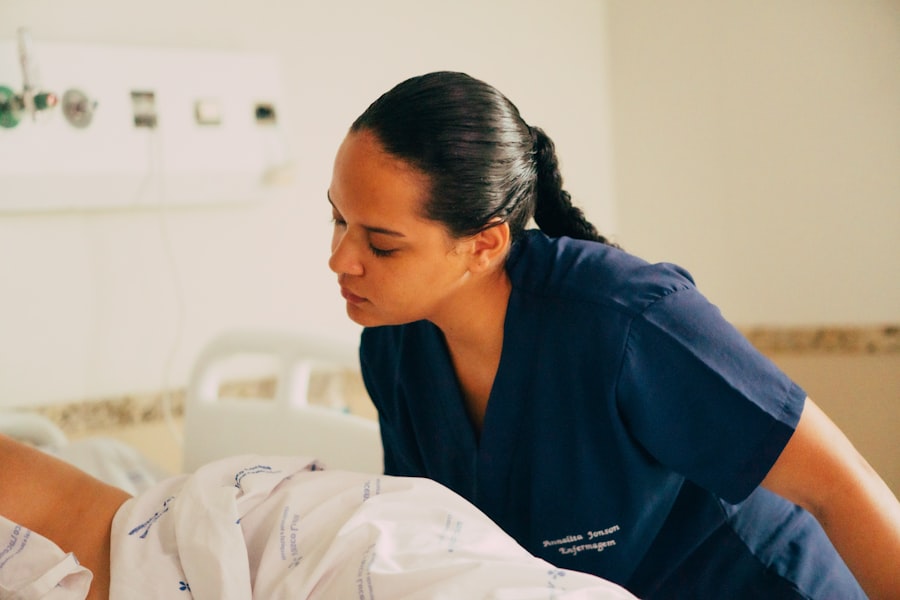
Success in nursing clinical research requires a unique combination of skills and personal qualities that enable professionals to navigate the complexities of this field effectively. Strong analytical skills are paramount; researchers must be able to critically evaluate data, identify trends, and draw meaningful conclusions from their findings. Proficiency in statistical analysis software is often necessary for data management and interpretation, making technical skills an essential component of a researcher’s toolkit.
In addition to technical abilities, effective communication skills are crucial for nursing clinical researchers. They must be adept at conveying complex information clearly and concisely to diverse audiences, including patients, colleagues, and stakeholders. This includes writing detailed reports that adhere to scientific standards as well as presenting findings at conferences or meetings.
Furthermore, interpersonal skills are vital for fostering collaboration within interdisciplinary teams and building rapport with study participants. A strong ethical foundation is also essential; researchers must prioritize participant welfare and adhere to ethical guidelines throughout the research process.
Networking and Professional Development in Nursing Clinical Research
Networking plays a pivotal role in advancing a career in nursing clinical research. Engaging with other professionals in the field can lead to valuable collaborations, mentorship opportunities, and access to job openings that may not be widely advertised. Attending conferences focused on clinical research allows nurses to connect with leading experts, share insights about emerging trends, and learn about innovative methodologies being employed across various studies.
Professional development is equally important for those pursuing careers in nursing clinical research. Joining professional organizations such as the Society of Clinical Research Associates (SoCRA) or the Association of Clinical Research Professionals (ACRP) can provide access to resources such as training programs, certification opportunities, and industry publications that keep professionals informed about best practices and regulatory changes. Additionally, pursuing continuing education courses related to research methodologies or specific areas of interest can enhance one’s qualifications and demonstrate commitment to ongoing learning within this ever-evolving field.
Conclusion and Next Steps for Pursuing a Career in Nursing Clinical Research
For those interested in pursuing a career in nursing clinical research, taking proactive steps toward education and professional development is essential. Aspiring researchers should begin by obtaining a solid foundation in nursing through formal education while seeking opportunities for specialized training in research methodologies. Gaining practical experience through internships or volunteer positions can provide invaluable insights into the day-to-day responsibilities of a nursing clinical researcher.
As individuals progress in their careers, they should prioritize networking with other professionals in the field and actively seek out mentorship opportunities that can guide their development. Engaging with professional organizations will not only enhance knowledge but also open doors to new career opportunities within nursing clinical research. By remaining committed to continuous learning and staying informed about advancements in healthcare research, aspiring professionals can position themselves for success in this impactful field that bridges clinical practice with scientific inquiry.
