

Nursing clinical research offers a distinct career path within the broader healthcare landscape, moving beyond direct patient care to investigate and improve clinical practice, patient outcomes, and healthcare systems. For nurses drawn to inquiry, evidence-based practice, and a deeper understanding of health phenomena, this field provides a robust platform for intellectual exploration and significant impact. It is a domain where critical thinking and scientific methodology converge, requiring a unique blend of clinical insight and research acumen. This essay will navigate the various facets of a nursing clinical research career, outlining the roles, educational pathways, methodologies, challenges, and future prospects within this evolving field. Consider this an architect’s blueprint for a potential career, detailing the foundational elements and the structural components you will encounter.
The Role of the Nurse Researcher
The nurse researcher, at its core, is a scientist. They are tasked with designing, executing, and disseminating studies that address critical questions in healthcare. This role is not simply adjunct to medical research but a distinct and vital component, focusing on aspects often overlooked by other disciplines, such as patient experiences, quality of life, care delivery models, and the impact of nursing interventions.
Key Responsibilities of a Nurse Researcher

A nurse researcher’s daily activities are diverse and intellectually engaging. They encompass a spectrum of scientific and administrative tasks.
- Formulating Research Questions: This initial step is akin to a cartographer drawing the first lines of a map. It involves identifying gaps in current knowledge or problems within clinical practice that warrant investigation. These questions are often derived from clinical observations, theoretical frameworks, or existing literature.
- Designing Studies: Once a question is established, the researcher must determine the most appropriate methodology to answer it. This involves selecting study designs (e.g., randomized controlled trials, cohort studies, qualitative studies), developing protocols, and defining variables and measurements. This stage is the engineering phase, where the research structure is developed.
- Securing Funding: Research, particularly large-scale projects, often requires significant financial resources. Nurse researchers frequently write grant proposals to secure funding from governmental agencies (e.g., National Institutes of Health), foundations, or private industry. This is a competitive landscape requiring strong persuasive writing and a robust research plan.
- Obtaining Ethical Approval: All research involving human subjects must undergo rigorous ethical review by institutional review boards (IRBs). Researchers are responsible for preparing comprehensive applications that detail participant protection measures, informed consent processes, and data privacy protocols. This acts as the ethical compass guiding the research journey.
- Data Collection and Management: This involves overseeing the implementation of the research protocol, including recruitment of participants, data collection (e.g., questionnaires, interviews, physiological measurements), and establishing robust data management systems to ensure accuracy and integrity.
- Data Analysis and Interpretation: Once data is collected, statistical or qualitative analysis is performed to identify patterns, relationships, and meaningful insights. The researcher is then responsible for interpreting these findings within the context of existing literature and the study’s limitations.
- Dissemination of Findings: The impact of research is realized through its dissemination. Nurse researchers present their findings at conferences, publish articles in peer-reviewed journals, and translate complex scientific information into accessible formats for clinicians, policymakers, and the public. This is the communication hub, broadcasting discoveries.
- Mentorship and Collaboration: Experienced nurse researchers often mentor junior researchers, students, and clinicians interested in research. Collaboration with other disciplines (e.g., physicians, biostatisticians, social scientists) is also common, fostering interdisciplinary approaches to complex health challenges.
Settings for Nurse Researchers
Nurse researchers work in various environments, each offering unique opportunities and challenges.
- Academic Institutions: Universities and schools of nursing are primary hubs for nurse researchers. Here, they conduct independent research, teach research methodologies to students, and contribute to the generation of new knowledge. This is often the incubator for groundbreaking theoretical work.
- Hospitals and Healthcare Systems: Large hospitals and integrated healthcare systems often have dedicated research departments. Nurse researchers in these settings focus on improving patient care processes, evaluating new interventions, and translating research findings into clinical practice within their organizations. Think of this as the proving ground for practical application.
- Government Agencies: Agencies like the Agency for Healthcare Research and Quality (AHRQ) or the Centers for Disease Control and Prevention (CDC) employ nurse researchers to contribute to public health initiatives, policy development, and large-scale epidemiological studies. Here, research directly informs national health strategies.
- Pharmaceutical and Medical Device Companies: In industry, nurse researchers may be involved in clinical trials for new drugs or devices, focusing on patient safety, efficacy, and user experience. This is a commercially driven research environment.
- Non-profit Organizations: Various non-profit organizations dedicated to specific diseases or health conditions employ nurse researchers to investigate causes, treatments, and prevention strategies relevant to their mission.
Educational Pathways in Nursing Clinical Research


Embarking on a career in nursing clinical research typically requires advanced education, building upon a foundational nursing degree with specialized training in research methodology. The educational journey is often incremental, much like constructing a pyramid, with each level providing a more specialized and elevated perspective.
Bachelor of Science in Nursing (BSN)
While a BSN is the entry-level degree for professional nursing practice, it serves as the essential bedrock for a research career. It provides fundamental knowledge of patient care, anatomy, physiology, pharmacology, and introduces concepts of evidence-based practice and critical appraisal of research. Some BSN programs may offer elective courses in research methods.
Master of Science in Nursing (MSN)
An MSN with a focus on research or a related specialty (e.g., clinical nurse specialist, nurse practitioner) often includes coursework in statistics, research design, and qualitative and quantitative methods. Some MSN programs prepare graduates for roles as research coordinators or clinical research associates, where they can contribute to ongoing studies. This level begins to sculpt the specialized skillset for research.
Doctor of Philosophy (PhD) in Nursing
The PhD is the terminal research degree in nursing and is generally considered the gateway to an independent nurse researcher career. PhD programs focus on developing advanced research skills, theoretical knowledge, and the ability to conduct original, independent research. Coursework typically includes advanced statistics, research methodologies, grant writing, and scholarly communication. The dissertation is a cornerstone of the PhD, representing a significant original contribution to nursing science. This is the capstone, signifying mastery and independence.
Doctor of Nursing Practice (DNP)
While the DNP is a practice-focused doctorate, some DNP programs incorporate a strong emphasis on evidence-based practice and quality improvement, which can involve conducting rigorous clinical projects and translating research into practice. Though not primarily a research degree like the PhD, a DNP can provide valuable skills for implementing and evaluating research findings in clinical settings, making them “consumers” and “translators” of research, bridging the gap between theory and practice.
Postdoctoral Fellowships
Following a PhD, many aspiring nurse researchers pursue postdoctoral fellowships. These fellowships provide an opportunity for new doctorates to gain further research experience, mentorship from established researchers, and to develop their independent research program. This period acts as a refining crucible, honing specific research expertise.
Research Methodologies in Nursing
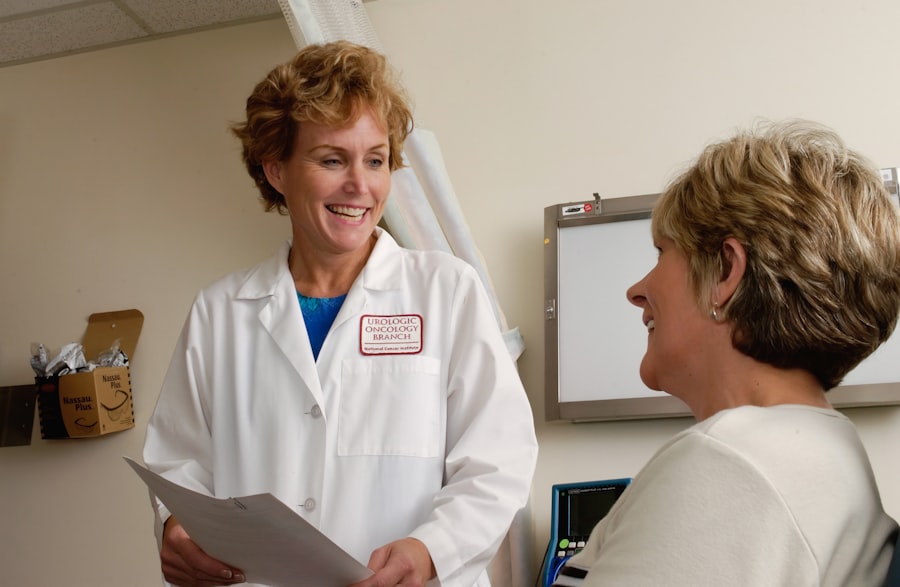
Nurse researchers employ a diverse array of methodologies to address complex health phenomena. The choice of methodology is dictated by the research question, much like a craftsman selects a tool based on the task at hand.
Quantitative Research
Quantitative research focuses on measuring and analyzing numerical data to identify relationships, test hypotheses, and generalize findings.
- Experimental Designs: These designs, including randomized controlled trials (RCTs), involve manipulating an independent variable (the intervention) and observing its effect on a dependent variable (the outcome) while controlling for extraneous factors. RCTs are often considered the “gold standard” for establishing causality.
- Quasi-experimental Designs: Similar to experimental designs but without random assignment to groups, these are often used when true randomization is not feasible or ethical.
- Correlational Designs: These studies examine the relationships between two or more variables without manipulating them. They identify the strength and direction of associations but do not establish cause and effect.
- Descriptive Designs: These studies aim to describe characteristics of a population or phenomenon, providing a snapshot of current conditions.
Qualitative Research
Qualitative research explores non-numerical data, such as interviews, observations, and textual analysis, to understand experiences, perspectives, and meanings. It delves into the rich tapestry of human experience.
- Phenomenology: This approach seeks to understand the lived experiences of individuals regarding a particular phenomenon, aiming to uncover the essence of those experiences.
- Grounded Theory: Grounded theory aims to develop a theory or conceptual framework from data that is systematically collected and analyzed. The theory is “grounded” in the empirical data.
- Ethnography: This methodology involves immersing the researcher in a particular cultural group or setting to understand their behaviors, beliefs, and social structures.
- Narrative Research: This approach focuses on stories as a primary means of understanding human experience, collecting and analyzing personal narratives.
Mixed Methods Research
Mixed methods research integrates both quantitative and qualitative approaches within a single study. This approach leverages the strengths of both methodologies, providing a more comprehensive and nuanced understanding of a research problem. For example, a study might use quantitative data to assess the effectiveness of an intervention and then use qualitative data to explore participants’ experiences with that intervention. This is like viewing a landscape with both a wide-angle lens and a macro lens, gaining both scope and detail.
Challenges and Opportunities
| Job Title | Average Salary | Required Education | Experience Level | Key Responsibilities | Job Growth Outlook (2024-2034) |
|---|---|---|---|---|---|
| Clinical Research Nurse | 85,000 | BSN (Bachelor of Science in Nursing) | 1-3 years | Patient monitoring, data collection, protocol adherence | 15% (Faster than average) |
| Research Nurse Coordinator | 95,000 | BSN or MSN | 3-5 years | Study coordination, regulatory compliance, team leadership | 18% (Faster than average) |
| Clinical Trials Nurse | 88,000 | BSN | 2-4 years | Conducting clinical trials, patient education, data management | 16% (Faster than average) |
| Research Nurse Specialist | 100,000 | MSN preferred | 5+ years | Protocol development, advanced patient care, data analysis | 20% (Faster than average) |
| Clinical Research Nurse Manager | 110,000 | MSN or higher | 7+ years | Managing research teams, budgeting, regulatory oversight | 22% (Faster than average) |
While nursing clinical research offers a rewarding career, it is not without its challenges. However, alongside these hurdles are significant opportunities for innovation and impact.
Challenges
- Funding Competition: Securing research grants is highly competitive, requiring robust proposals and a strong track record.
- Ethical Complexities: Research involving human subjects often presents intricate ethical dilemmas, particularly when working with vulnerable populations.
- Recruitment and Retention of Participants: Enrolling and retaining a sufficient number of participants for studies can be difficult, impacting the feasibility and generalizability of findings.
- Data Management and Analysis: Managing large datasets and employing sophisticated statistical or qualitative analysis techniques requires specialized skills and resources.
- Translating Research into Practice: Bridging the gap between research findings and their adoption in clinical practice can be a slow and challenging process, often requiring significant effort in dissemination and implementation science.
- Interdisciplinary Collaboration: While beneficial, navigating diverse perspectives and methodologies in interdisciplinary teams can sometimes present communication and coordination challenges.
Opportunities
- Making a Tangible Impact: Nurse researchers directly contribute to improving patient care, shaping healthcare policy, and advancing nursing science. This is the ultimate harvest of their efforts.
- Intellectual Stimulation: The field offers continuous opportunities for learning, critical thinking, and addressing complex problems.
- Growth in Evidence-Based Practice: The increasing emphasis on evidence-based practice in healthcare creates a growing demand for rigorous nursing research.
- Technological Advancements: New technologies, such as big data analytics, artificial intelligence, and telehealth, offer innovative tools and avenues for nursing research.
- Global Health Initiatives: Nurse researchers play a crucial role in addressing global health challenges, contributing to solutions for preventable diseases, maternal mortality, and health disparities worldwide.
- Leadership and Advocacy: Nurse researchers are positioned to become leaders and advocates for patient-centered care and evidence-informed healthcare systems.
Future Prospects in Nursing Clinical Research
The future of nursing clinical research is dynamic and promising. As healthcare evolves, so too will the questions and methods employed by nurse researchers. Consider this a shifting horizon, continually revealing new territories to explore.
Emerging Areas of Focus
- Precision Health: Research focusing on tailoring interventions to individual patient characteristics, including genomic, lifestyle, and environmental factors.
- Digital Health and Telehealth: Investigating the effectiveness, usability, and impact of digital health technologies, remote monitoring, and telehealth interventions on patient outcomes and access to care.
- Health Equity and Disparities: Addressing systemic inequities in healthcare and conducting research to reduce health disparities among diverse populations.
- Data Science and Analytics: Utilizing large datasets and advanced analytical techniques to identify patterns, predict outcomes, and inform decision-making in healthcare.
- Artificial Intelligence (AI) in Nursing: Exploring the application of AI in clinical decision support, predictive analytics, and automated care processes, as well as the ethical implications.
- Implementation Science: Focusing on methods to promote the systematic uptake of research findings and other evidence-based practices into routine practice and policy.
Career Development
For those considering a career in nursing clinical research, continuous learning and professional development are vital.
- Specialized Training: Pursuing specialized training in areas like biostatistics, qualitative data analysis software, grant writing, or specific therapeutic areas.
- Networking: Engaging with the research community through conferences, professional organizations (e.g., American Academy of Nursing, Council for the Advancement of Nursing Science), and collaborative projects.
- Mentorship: Actively seeking out and maintaining relationships with experienced nurse researchers who can provide guidance and support.
- Grant Writing Skills: Continuously refining grant writing abilities, as funding is a perpetual driver of research.
- Publication and Presentation: Regularly publishing research findings in peer-reviewed journals and presenting at national and international conferences to disseminate knowledge and build a scholarly reputation.
In conclusion, a career in nursing clinical research is a commitment to advancing knowledge and improving health outcomes through rigorous scientific inquiry. It requires intellectual curiosity, persistence, and a dedication to evidence-based practice. For nurses who feel called to contribute beyond the immediate bedside, this path offers a profound opportunity to shape the future of healthcare. It is a journey for those who seek not just to provide care, but to understand and redefine the very landscape of care itself.
