

Research Medical Center (RMC) presents a multifaceted landscape of opportunities for various stakeholders, including prospective employees, patients, and the broader healthcare community. This article explores these avenues, offering a detailed perspective on the institution’s operational scope, its role in medical education, and its engagement with community health initiatives.
Research Medical Center, situated in Kansas City, Missouri, is a 590-bed acute care hospital operating under the HCA Midwest Health umbrella. Established in 1869 as Research Hospital, it has evolved into a comprehensive medical facility offering a wide array of specialized services. The institution’s trajectory reflects broader trends in healthcare development, moving from a general hospital model to a specialized center for advanced medical care.
History and Development

The genesis of RMC can be traced to a period of significant urban growth and the increasing demand for organized medical care. Its initial mandate focused on providing general medical services to the burgeoning population of Kansas City. Over subsequent decades, the hospital underwent numerous expansions and modernizations, paralleling advancements in medical science and technology. Key milestones include the establishment of specialized departments and the adoption of advanced diagnostic and treatment modalities. These developments have positioned RMC as a regional hub for certain medical specialties.
Facilities and Infrastructure
RMC’s physical infrastructure encompasses a main hospital campus and several outlying clinics and specialized centers. The main campus consolidates inpatient care, emergency services, and a significant portion of its diagnostic and surgical capabilities. Specific facilities include:
- Emergency Department: A Level I Trauma Center, providing comprehensive care for critically injured or ill patients. This designation signifies a robust infrastructure for severe trauma cases, including specialized surgical teams and diagnostic technologies available 24/7.
- Operating Theatres: A suite of modern operating rooms equipped for a range of surgical procedures, from minimally invasive interventions to complex open surgeries.
- Intensive Care Units (ICUs): Multiple specialized ICUs, including medical, surgical, cardiac, and neurological units, designed to provide critical care for diverse patient populations.
- Diagnostic Imaging Center: Features advanced imaging technologies such as MRI, CT, PET/CT, and ultrasound. These tools are critical for accurate diagnosis and treatment planning.
- Outpatient Clinics: A network of clinics offering specialized consultations and follow-up care, extending the hospital’s reach beyond inpatient services.

The continuous upgrading of these facilities is a testament to the institution’s commitment to maintaining contemporary standards of care and adopting emerging technologies.
Professional Growth and Employment
For medical professionals and allied health personnel, RMC represents a potential career trajectory. The institution’s size and scope create a diverse employment landscape, offering roles across various clinical and administrative domains. Prospective employees will find a system that, like a complex organism, requires numerous specialized cells to function optimally.
Staffing Needs and Specialties
RMC’s operational requirements necessitate a broad spectrum of medical and non-medical professionals. Clinical roles include:
- Physicians: Across various specialties, including internal medicine, surgery (general, orthopedic, neurosurgery, cardiovascular), emergency medicine, radiology, pathology, and subspecialties such as cardiology, oncology, and gastroenterology.
- Nurses: Registered Nurses (RNs), Licensed Practical Nurses (LPNs), and Certified Nursing Assistants (CNAs) for various units (e.g., ICU, med-surg, ER, OR, labor and delivery). Specialized certifications are often encouraged and supported.
- Allied Health Professionals: Including physical therapists, occupational therapists, speech-language pathologists, respiratory therapists, medical technologists, pharmacists, and dietitians. These roles are integral to a holistic approach to patient care and recovery.
Non-clinical roles support the operational framework of the hospital, encompassing areas such as administration, human resources, finance, information technology, environmental services, and dietary services. The sheer volume of these roles underscores the comprehensive nature of hospital operations.
Educational and Development Programs
RMC endeavors to cultivate a workforce capable of adapting to evolving medical landscapes. This is facilitated through various educational and professional development programs. The institution, in collaboration with academic partners, provides opportunities for continued learning.
- Residency and Fellowship Programs: RMC is a teaching hospital, affiliated with medical schools and offering residency programs in numerous specialties. These programs are foundational for young physicians, providing structured clinical training under supervision. Fellowships offer further specialization.
- Continuing Medical Education (CME): Regular seminars, workshops, and grand rounds are conducted to keep staff abreast of the latest medical research, treatment protocols, and technological advancements. This process is akin to tending a garden, ensuring continuous growth and rejuvenation of knowledge.
- Tuition Reimbursement and Scholarship Opportunities: Financial assistance may be available for employees pursuing further education or specialized certifications. This investment in human capital aims to enhance both individual career trajectories and institutional capacity.
These programs are integral to maintaining a high standard of care and fostering a culture of continuous improvement within the organization.
Patient Care and Clinical Services

RMC positions itself as a provider of comprehensive patient care, encompassing a range of medical services from routine check-ups to complex surgical interventions. The institution operates as a central hub, drawing in patients from various demographic and geographic areas.
Specialty Services
The hospital offers specialized services designed to address specific medical conditions. These centers of excellence often integrate multidisciplinary teams to provide coordinated care. Key specialty areas include:
- Heart and Vascular Center: Provides comprehensive cardiac care, including interventional cardiology, electrophysiology, cardiac surgery, and rehabilitation services. This represents a core area of focus for RMC, addressing prevalent cardiovascular diseases.
- Neuroscience Institute: Focuses on neurological and neurosurgical conditions, encompassing stroke care, brain tumor treatment, spinal disorders, and movement disorders. The institute’s stroke program is often a benchmark for acute neurological care.
- Cancer Center: Offers a full spectrum of oncology services, from diagnosis and staging to treatment (chemotherapy, radiation therapy, surgery) and survivorship programs. The center frequently participates in clinical trials, offering patients access to novel therapies.
- Orthopedic and Spine Center: Specializes in the diagnosis and treatment of musculoskeletal conditions, including joint replacement, sports medicine, and spinal surgery.
- Women’s and Children’s Services: Provides obstetric and gynecological care, neonatal intensive care (NICU), and pediatric services. This department addresses the unique healthcare needs of women and children across various stages of life.
These specialized units function as dedicated engines within the larger hospital framework, each optimized for specific objectives.
Patient Experience and Quality Initiatives
RMC focuses on aspects of patient experience and quality of care, recognizing that clinical outcomes are intertwined with patient satisfaction. Efforts in this domain include:
- Patient Safety Initiatives: Implementation of protocols and technologies aimed at reducing medical errors, healthcare-associated infections, and adverse events. This involves continuous monitoring and analysis of incident reports.
- Patient Satisfaction Surveys: Regular feedback mechanisms are employed to gauge patient perceptions of care, communication, and overall experience. The data collected informs ongoing improvements.
- Accreditation and Certifications: Adherence to standards set by accrediting bodies (e.g., The Joint Commission) and attainment of specialized certifications (e.g., Chest Pain Center, Stroke Center). These external validations signify compliance with recognized benchmarks of quality.
- Care Coordination: Emphasis on multidisciplinary team approaches and streamlined processes to ensure seamless transitions of care between different settings and providers. This minimizes fragmentation and enhances continuity of care.
The commitment to continuous improvement in these areas reflects a structured approach to healthcare delivery.
Research and Innovation
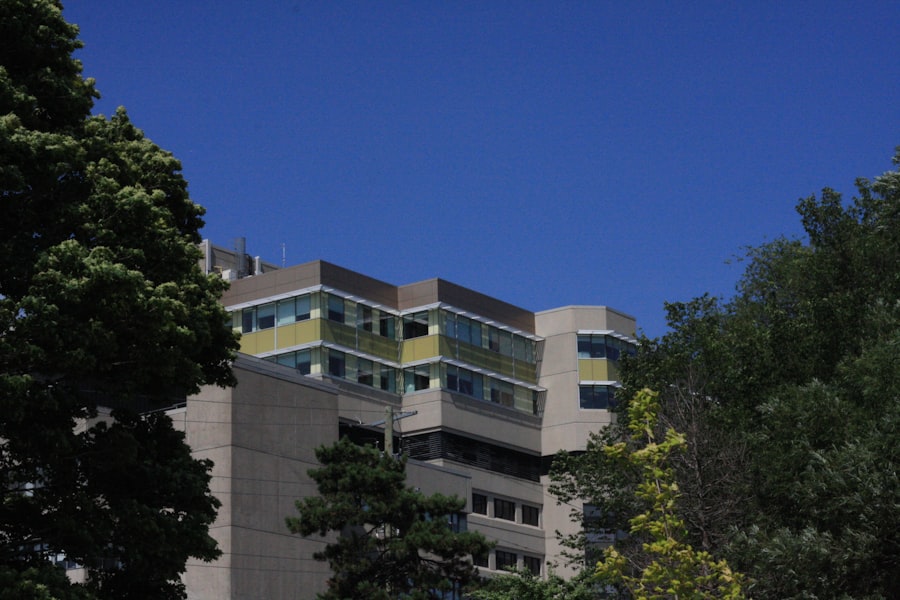
As a “Research” Medical Center, the institution has a historical and ongoing engagement with medical research. While not primarily a research institution like a university, RMC participates in clinical trials and contributes to the broader scientific discourse in medicine. Its role here is often that of a proving ground for new hypotheses.
Clinical Trials and Studies
RMC participates in a range of clinical trials, spanning various medical specialties. These studies are critical for advancing medical knowledge, testing new therapies, and improving diagnostic techniques.
- Phases of Research: Participation often includes Phase II, III, and IV clinical trials, which assess the efficacy and safety of new drugs, medical devices, or treatment protocols in human subjects.
- Therapeutic Areas: Research efforts frequently align with the hospital’s specialized services, such as cardiology, oncology, neurology, and orthopedics.
- Patient Access to Novel Therapies: Involvement in clinical trials provides an opportunity for eligible patients to access experimental treatments that are not yet widely available. This can be a significant benefit for individuals with challenging medical conditions.
The integrity and ethical conduct of these trials are paramount, with strict adherence to regulatory guidelines and institutional review board oversight.
Collaboration with Academic Institutions
RMC often collaborates with academic institutions and pharmaceutical companies on research initiatives. These partnerships can facilitate the translation of basic science discoveries into clinical applications.
- Shared Resources: Collaborations may involve sharing research infrastructure, expertise, and patient populations for specific studies.
- Joint Research Projects: Teams from RMC and academic partners may engage in joint research projects, pooling resources and intellectual capital to address specific research questions.
- Knowledge Exchange: These collaborations foster an environment of knowledge exchange, benefiting both research and clinical practice. It’s a two-way street, where clinicians inform researchers and vice versa.
This collaborative model is a common approach in modern medical research, aiming to accelerate scientific progress and improve patient outcomes.
Community Engagement and Outreach
| Metric | Value | Notes |
|---|---|---|
| Total Employees | 3,200 | Includes clinical, research, and administrative staff |
| Research Staff | 1,100 | Scientists, lab technicians, and research coordinators |
| Clinical Staff | 1,500 | Doctors, nurses, and allied health professionals |
| Administrative Staff | 600 | Support and management personnel |
| Annual Hiring Rate | 8% | Percentage of new hires relative to total employees |
| Average Employee Tenure | 7 years | Average length of employment at the center |
| Employee Turnover Rate | 12% | Annual percentage of employees leaving the center |
| Percentage of Employees with Advanced Degrees | 65% | Includes Master’s, PhD, MD, and other advanced qualifications |
Beyond its direct patient care responsibilities, RMC engages with the broader community through various outreach programs and partnerships. This outreach extends the hospital’s impact beyond its walls, fostering health and wellness in the wider populace.
Health Education and Prevention Programs
RMC operates several programs focused on health education and disease prevention, aiming to empower individuals to make informed health decisions.
- Community Health Fairs: Participation in or hosting of health fairs, offering screenings (e.g., blood pressure, glucose, cholesterol), health information, and consultations with healthcare professionals.
- Disease-Specific Educational Seminars: Workshops and seminars on prevalent health issues such as diabetes management, heart disease prevention, cancer awareness, and stroke education. These programs often target specific at-risk populations.
- Smoking Cessation and Wellness Programs: Initiatives designed to promote healthier lifestyles, including programs to quit smoking, manage weight, and increase physical activity.
These educational efforts serve as a preventive arm of the institution, aiming to mitigate the burden of chronic diseases.
Partnerships and Collaborations
RMC actively partners with local organizations, schools, and governmental agencies to address community health needs. These partnerships amplify the impact of individual efforts.
- Local Health Departments: Collaboration on public health initiatives, such as vaccination campaigns or infectious disease surveillance.
- Schools and Universities: Partnerships to promote health education among students, offer career shadowing opportunities for aspiring healthcare professionals, and contribute to health-related curricula.
- Non-profit Organizations: Working with non-profit groups focused on specific health conditions or underserved populations, providing resources or expertise. For example, collaborating with organizations addressing homelessness or food insecurity which often have significant health implications.
- Emergency Preparedness: Involvement in community-wide emergency preparedness planning and response, leveraging its trauma center capabilities in times of crisis.
These collaborative ventures underscore RMC’s role as a stakeholder in the community’s overall well-being, extending its influence beyond the confines of clinical treatment.
Conclusion
Research Medical Center presents a comprehensive array of opportunities and services. For individuals seeking employment, it offers a diverse environment for professional growth within a large healthcare system. For patients, it provides access to specialized medical care and advanced technologies. Its engagement in medical education and community health initiatives further solidifies its position as a significant entity in the regional healthcare landscape. Understanding RMC requires appreciating its multifaceted operations, its commitment to both immediate patient needs and broader public health objectives, and its continuous evolution within the dynamic field of modern medicine.
