

The traditional model of clinical research, often characterized by on-site roles within bustling university medical centers or pharmaceutical companies, is undergoing a significant transformation. The advent of advanced communication technologies and the increasing demand for flexible work arrangements have paved the way for a burgeoning field of remote clinical research opportunities. This shift is not merely a convenience but a strategic evolution, allowing research to tap into a wider talent pool and potentially accelerate drug development and therapeutic advancements. For individuals considering a career in clinical research, or current professionals seeking new avenues, understanding this remote landscape is crucial.
Defining Remote Clinical Research Roles
Remote clinical research jobs encompass a spectrum of roles where all or a substantial portion of the work is conducted outside a traditional office or site-based setting. This can range from entirely home-based positions to hybrid models that involve occasional on-site visits. The core functions remain the same – ensuring the ethical and scientific integrity of clinical trials – but the execution is decentralized.
Types of Remote Roles
- Clinical Research Associate (CRA): While traditionally site-visiting, many CRA roles now incorporate extensive remote monitoring. This involves reviewing electronic health records, source data verification, and communicating with site staff through virtual platforms.
- Clinical Data Manager: These professionals are ideally suited for remote work, as their tasks primarily involve data cleaning, validation, and database management, all of which are computer-based.
- Medical Writer: The core function of synthesizing complex scientific information into regulatory documents, manuscripts, and other communications is inherently desk-bound and easily transferable to a remote setting.
- Pharmacovigilance Specialist: Monitoring and assessing adverse events, often involving extensive database searches and report generation, can be effectively managed remotely.
- Regulatory Affairs Specialist: Navigating the intricate web of regulatory guidelines and preparing submissions can be performed from a remote location, provided access to necessary documentation and communication channels.
- Project Manager: Overseeing the entire lifecycle of a clinical trial, including timelines, budgets, and team coordination, is increasingly managed through virtual collaboration tools.
- Biostatistician: Performing statistical analysis and interpreting trial data requires specialized software and analytical skills, making it a highly adaptable remote role.
- Quality Assurance Auditor: While some on-site audits are inevitable, a significant portion of quality assurance work, including document review and procedural assessments, can be conducted remotely.
Hybrid Models and Flexibility

Many “remote” roles are not entirely isolated. A hybrid model, where a remote worker might have occasional travel requirements for team meetings, site audits, or professional development, offers a balance. This flexibility can be a significant advantage, particularly for those who desire a degree of in-person interaction without the daily commute. The definition of “remote” itself is fluid and can be negotiated, much like the tide working around a stubborn rock on the shore; some prefer to be fully submerged, while others prefer to dip their toes in occasionally.
Advantages and Challenges of Remote Clinical Research
The shift towards remote work in clinical research carries both compelling advantages and inherent challenges. Understanding these facets is critical for both individuals seeking remote roles and organizations implementing them.
Benefits for Individuals
- Increased Flexibility and Work-Life Balance: This is often the primary draw. The ability to manage personal and professional commitments more effectively can lead to reduced stress and enhanced well-being.
- Reduced Commute Times and Costs: Eliminating daily travel saves time, fuel, and reduces wear and tear on personal vehicles, a tangible economic benefit.
- Wider Geographic Job Opportunities: Location is no longer a primary constraint, opening up a global talent pool for employers and a broader range of opportunities for job seekers.
- Enhanced Autonomy and Control: Remote workers often have more control over their immediate work environment, which can contribute to increased productivity and job satisfaction.
- Development of Self-Discipline and Time Management Skills: Success in a remote environment necessitates strong organizational skills and the ability to manage one’s own schedule effectively.
Challenges for Individuals
- Potential for Isolation and Reduced Social Interaction: The absence of daily in-person interaction can lead to feelings of isolation for some individuals. Strategies for virtual social engagement become crucial.
- Work-Life Boundary Blurring: Without a clear physical separation between work and home, it can be challenging to switch off from professional responsibilities, leading to potential burnout.
- Technological Requirements and Dependenc: Reliable internet access, appropriate hardware, and familiarity with collaboration software are prerequisites. Technical issues can significantly impede work.
- Distractions in the Home Environment: Managing household interruptions, family responsibilities, and other personal distractions requires discipline and a dedicated workspace.
- Visibility and Professional Development: Less frequent in-person interaction can sometimes impact career visibility and opportunities for spontaneous mentorship or networking.
Advantages for Organizations
- Access to a Broader Talent Pool: Companies are no longer limited by geographic boundaries, enabling them to recruit the best candidates globally. This is like turning a small pond into an ocean of talent.
- Potential for Reduced Overhead Costs: Less need for physical office space, utilities, and associated infrastructure can lead to significant cost savings.
- Improved Employee Retention: Offering remote options can increase job satisfaction and reduce turnover, as employees value flexibility.
- Enhanced Business Continuity: In situations like natural disasters or public health crises, a distributed workforce can maintain operations with greater resilience.
- Increased Diversity and Inclusion: Remote work can open opportunities for individuals who may face barriers to traditional on-site employment, such as those with disabilities or caregiving responsibilities.
Challenges for Organizations
- Ensuring Data Security and Confidentiality: Remote access to sensitive patient data necessitates robust cybersecurity measures and strict adherence to data protection regulations.
- Maintaining Team Cohesion and Communication: Fostering a sense of team unity and effective communication across dispersed teams requires deliberate effort and appropriate tools.
- Performance Monitoring and Management: Developing effective metrics and strategies for assessing remote worker performance is essential to ensure productivity and accountability.
- Compliance with International Regulations: When employing a global remote workforce, navigating different labor laws, tax regulations, and data privacy mandates can be complex.
- Providing Adequate Training and Onboarding: Ensuring remote employees are properly integrated into the company culture and have access to necessary training resources requires thoughtful planning.
Essential Skills for Remote Clinical Research Professionals

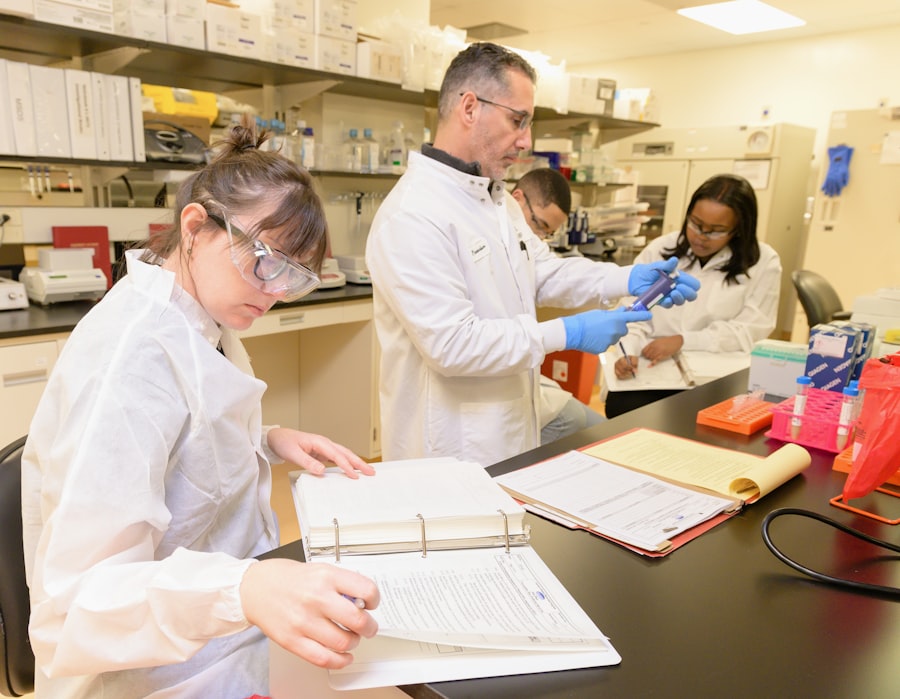
Success in a remote clinical research role demands a specific set of skills beyond core scientific and clinical competencies. These are the tools in your belt for navigating the remote landscape.
Communication and Collaboration
- Exceptional Written and Verbal Communication: Clear, concise communication is paramount in a remote setting where nuances of body language are absent. This includes proficiency in email, instant messaging, and virtual meeting platforms.
- Active Listening: The ability to understand and interpret information effectively during virtual interactions is crucial for avoiding misunderstandings.
- Virtual Collaboration Tool Proficiency: Mastery of platforms like Zoom, Microsoft Teams, Slack, and project management software (e.g., Asana, Monday.com) is non-negotiable.
Self-Management and Organization
- Strong Time Management and Prioritization: The ability to independently organize tasks, meet deadlines, and manage a workload without constant direct supervision.
- Self-Motivation and Proactiveness: Taking initiative and being accountable for one’s own work without external prompting.
- Organizational Skills: Maintaining a structured workflow, digital filing systems, and consistent record-keeping.
- Problem-Solving: The capacity to identify issues independently and seek effective solutions, often without immediate in-person assistance.
Technical Acumen
- Computer Literacy: A high level of proficiency in standard office software (Microsoft Office Suite, Google Workspace) and an aptitude for quickly learning new applications.
- Troubleshooting Basic Technical issues: The ability to resolve common IT problems (e.g., connectivity issues, software glitches) or effectively communicate them to IT support.
- Data Security Awareness: Understanding and adhering to best practices for data protection and safe remote access.
Finding Remote Clinical Research Opportunities
The search for remote clinical research jobs often mirrors traditional job hunting but with an added emphasis on specific platforms and networking strategies. Think of it as adjusting your fishing net to catch a different kind of fish.
Online Job Boards and Platforms
- Specialized Clinical Research Job Boards: Websites like ACRP, SOCRA, and industry-specific platforms often feature remote opportunities.
- General Professional Job Boards with Advanced Filters: LinkedIn, Indeed, and Glassdoor allow users to filter for “remote” or “work-from-home” positions within the clinical research sector.
- Company Career Pages: Proactively checking the careers sections of major pharmaceutical companies, CROs (Contract Research Organizations), and biotech firms, as many list remote options directly.
- Freelance Platforms (for specific roles): For medical writing, data analysis, or statistical programming, platforms like Upwork or Fiverr might offer project-based remote work.
Networking and Professional Development
- LinkedIn Professional Networking: Engage with industry professionals, join relevant groups, and follow companies known for their remote work policies.
- Virtual Conferences and Webinars: Attend online industry events to learn about emerging trends, identify companies embracing remote work, and connect with potential employers.
- Professional Organizations: Membership in organizations like ACRP or SOCRA can provide access to job databases, networking events, and professional development resources.
- Targeting Remote-First Companies: Some organizations are built on a remote-first model; identifying and researching these can be a productive strategy.
Crafting a Remote-Ready Application
- Tailored Resume and Cover Letter: Highlight remote work experience, relevant skills (e.g., self-management, virtual collaboration), and express enthusiasm for remote roles.
- Showcasing Technical Competencies: Mention proficiency in relevant software and communication platforms.
- Demonstrating Problem-Solving and Initiative: Provide examples of how you’ve independently managed tasks, overcome challenges, or contributed to projects remotely.
- Professional Online Presence: Ensure your LinkedIn profile is up-to-date, professional, and reflects your remote work aspirations.
The Future of Remote Clinical Research
| Job Title | Average Salary | Experience Level | Key Skills | Typical Employers | Remote Work Availability |
|---|---|---|---|---|---|
| Clinical Research Associate (CRA) | 85,000 – 110,000 | Mid-level | Monitoring, GCP, Data Management | Pharmaceuticals, CROs | High |
| Clinical Data Manager | 75,000 – 100,000 | Mid-level | Data Analysis, SAS, EDC Systems | Pharma, Biotech, CROs | Moderate to High |
| Regulatory Affairs Specialist | 70,000 – 95,000 | Mid-level | Regulatory Submissions, FDA Guidelines | Pharma, Medical Devices | Moderate |
| Clinical Project Manager | 95,000 – 130,000 | Senior | Project Management, Budgeting, Leadership | CROs, Pharma | High |
| Medical Writer | 65,000 – 90,000 | Entry to Mid-level | Scientific Writing, Regulatory Knowledge | Pharma, CROs, Publishing | Very High |
The trajectory of remote clinical research appears to be one of continued growth and integration within the broader industry. The pandemic served as an accelerant, forcing many organizations to adopt remote models out of necessity. What began as a temporary measure has, in many cases, proven to be a sustainable and beneficial operational strategy.
Emerging Trends and Innovations
- Decentralized Clinical Trials (DCTs): Remote work is a cornerstone of DCTs, which aim to reduce patient burden by leveraging technology for recruitment, consent, data collection, and monitoring, often allowing patients to participate from home.
- Increased Use of AI and Machine Learning: These technologies will further streamline data management, site monitoring, and drug discovery processes, potentially increasing the efficiency of remote operations.
- Virtual Site Monitoring Tools: Advanced platforms for remote monitoring, including AI-powered data analytics and robotic process automation, will reduce the need for physical site visits.
- Wearable Technology and Digital Biomarkers: The proliferation of wearable devices for data capture offers new avenues for remote patient monitoring and real-world data collection in trials.
- Enhanced Cybersecurity Measures: As remote work becomes more prevalent, investment in robust cybersecurity infrastructure and protocols will be paramount to protect sensitive research data. Much like building a stronger fortress as the landscape becomes more open.
Implications for the Workforce
The expanding remote landscape will necessitate ongoing professional development to keep pace with evolving technologies and methodologies. Clinical research professionals will need to continuously adapt, acquire new digital skills, and remain agile in a rapidly changing environment. The ability to collaborate effectively across geographical boundaries, leverage diverse technological tools, and demonstrate strong self-management skills will become even more critical. Organizations, in turn, will need to foster cultures that support remote work, prioritize employee well-being, and invest in the tools and training necessary for a distributed workforce to thrive. The future of clinical research is undoubtedly heading towards a more flexible, technologically integrated, and globally connected model, reshaping how therapies are developed and delivered.
