

For medical students, the summer months offer a valuable opportunity to engage in research, a pursuit that can significantly shape their academic and professional trajectory. Summer research programs provide a structured environment to delve into scientific inquiry, gain practical skills, and explore potential career paths beyond clinical practice. This article outlines the landscape of these programs, offering guidance on identification, application, and maximizing the experience.
Engaging in summer research is more than just a resume booster; it is a fundamental component of a comprehensive medical education. It offers a unique lens through which to view medicine, transcending the confines of textbooks and clinical rotations. For many students, it is their first foray into the scientific method applied to real-world health challenges.
Developing Critical Thinking and Problem-Solving Skills

Research inherently demands a rigorous approach to critical thinking. Students learn to formulate hypotheses, design experiments, analyze data, and interpret findings. This process hones their ability to dissect complex problems, identify underlying mechanisms, and propose evidence-based solutions – skills that are directly transferable to clinical diagnosis and patient management. Think of it as a mental gymnasium where your analytical muscles are rigorously trained.
Gaining Practical Laboratory and Clinical Skills
Depending on the nature of the research, students may acquire a diverse array of practical skills. In basic science labs, this could involve techniques like PCR, Western blotting, cell culture, or microscopy. In clinical research, it might entail patient recruitment, data collection using validated instruments, statistical software proficiency, or even assisting with procedures. These hands-on experiences are invaluable, offering a foundation that is often inaccessible during standard coursework. You are not just observing; you are actively building.
Exploring Career Pathways and Specializations

Medical school is a journey of discovery, not just of disease but also of individual aptitudes and interests. Research programs can expose students to various medical specialties from a scientific perspective. An oncology research project might reveal a passion for cancer biology, while a public health initiative could ignite an interest in epidemiology. This exposure can be instrumental in making informed decisions about residency applications and future career trajectories. It’s like a reconnaissance mission into different medical territories.
Building Mentorship and Networking Opportunities
A significant benefit of summer research lies in the connections forged. Working closely with principal investigators (PIs), postdoctoral fellows, and graduate students provides invaluable mentorship. These individuals can offer guidance on academic pursuits, career advice, and even write letters of recommendation. Furthermore, attending lab meetings, departmental seminars, and conferences expands a student’s professional network, opening doors to future collaborations and opportunities. Your research mentor can become a crucial compass in your professional journey.
Identifying Potential Research Opportunities
The sheer volume of available programs can be daunting, but a systematic approach can simplify the search. You wouldn’t embark on a long journey without a map, and finding the right research program requires similar planning.
Institutional Programs and Departmental Offerings
Most academic medical centers and universities host their own summer research programs for medical students. These are often advertised through student affairs offices, departmental websites, or dedicated research program portals. Examples include institutional NIH T35 grants, individual departmental research electives, or institution-specific “Dean’s Research Fellowships.” Start your search within your own institution first, as these programs often have established infrastructure and familiar faculty.
National and Specialty-Specific Organizations
Numerous national organizations and medical specialty societies offer research opportunities. Examples include:
- National Institutes of Health (NIH) Summer Internship Program (SIP): A highly competitive program offering research experiences across various NIH institutes.
- American Medical Association (AMA) Seed Grant Research Program: Supports student-initiated research projects.
- Medical Specialty Societies: Organizations like the American Heart Association (AHA), American Academy of Neurology (AAN), or American College of Physicians (ACP) often have dedicated research programs or scholarships for medical students interested in their respective fields.
- Howard Hughes Medical Institute (HHMI) Medical Research Fellows Program: For students who have completed additional years of research or coursework and are interested in a dedicated year of research.
These external programs can offer a broader range of research areas and the chance to experience a different institutional environment.
Direct Faculty Outreach
Sometimes, the most fruitful approach is direct communication. If you have a particular research interest or admire the work of a specific faculty member, consider reaching out to them directly. This involves:
- Reviewing Faculty Profiles: Explore departmental websites, PubMed, or Google Scholar to identify faculty whose research aligns with your interests.
- Crafting a Professional Email: Briefly introduce yourself, explain your interest in their work, highlight any relevant experience, and inquire about potential summer research opportunities. Attach your CV.
- Be Prepared for Rejection: Not all faculty will have funding or bandwidth to take on a summer student, but persistent and polite inquiry can often yield results. It’s akin to prospecting for gold; not every pan will yield a nugget, but the effort is often rewarded.
The Application Process: Navigating the Gauntlet

Applying for summer research is a structured process that requires attention to detail and timely submission. Consider it an audition for a significant role in a scientific production.
Crafting a Strong Curriculum Vitae (CV)
Your CV is your academic and professional autobiography. It should be concise, well-organized, and highlight relevant experiences. Key sections include:
- Education: Medical school, undergraduate institution, degrees, and relevant coursework.
- Research Experience: Detail previous research projects, your role, and any publications or presentations.
- Clinical Experience: Shadowing, volunteer work, or clinical assistant roles.
- Extracurricular Activities: Leadership roles, community service, or memberships in student organizations.
- Skills: Laboratory techniques, statistical software, or language proficiencies.
Avoid jargon where possible, and quantify achievements when applicable (e.g., “Assisted in data collection for 50 patients”).
Writing a Compelling Personal Statement or Cover Letter
This is your opportunity to tell your story beyond the bullet points of your CV. Address the following:
- Motivation: Why are you interested in research? What specific questions drive your curiosity?
- Research Interests: How do your interests align with the program or specific lab you are applying to?
- Relevant Experiences: Connect past experiences (academic, research, or personal) to your suitability for the program.
- Future Goals: How will this research experience contribute to your long-term academic and career aspirations?
- Enthusiasm: Convey genuine interest and a willingness to learn and contribute.
Tailor each personal statement to the specific program or PI. generic statements are easily identifiable and often disregarded.
Securing Strong Letters of Recommendation
Letters of recommendation provide an external validation of your capabilities and character. Choose individuals who:
- Know You Well: Ideally, a professor, research mentor, or supervisor who can speak to your work ethic, intellectual curiosity, and professionalism.
- Can Speak to Your Strengths: Individuals who have witnessed your analytical skills, problem-solving abilities, or commitment.
- Will Write a Positive and Detailed Letter: Ask directly if they can write a strong letter. Provide them with your CV, personal statement, and any relevant deadlines.
It is an unwritten rule to provide ample time for your recommenders. Request letters at least a month in advance.
Interview Preparation
Some highly competitive programs or direct faculty outreach may involve an interview. Prepare by:
- Reviewing your CV and application materials.
- Researching the lab’s work: Understand their recent publications and current projects.
- Formulating questions: Prepare questions about the project, the lab environment, and expectations.
- Practicing your answers: Be ready to discuss your research interests, prior experiences, and future goals.
- Dress professionally.
The interview is a two-way street; it’s an opportunity for you to assess the fit as well.
Maximizing Your Summer Research Experience
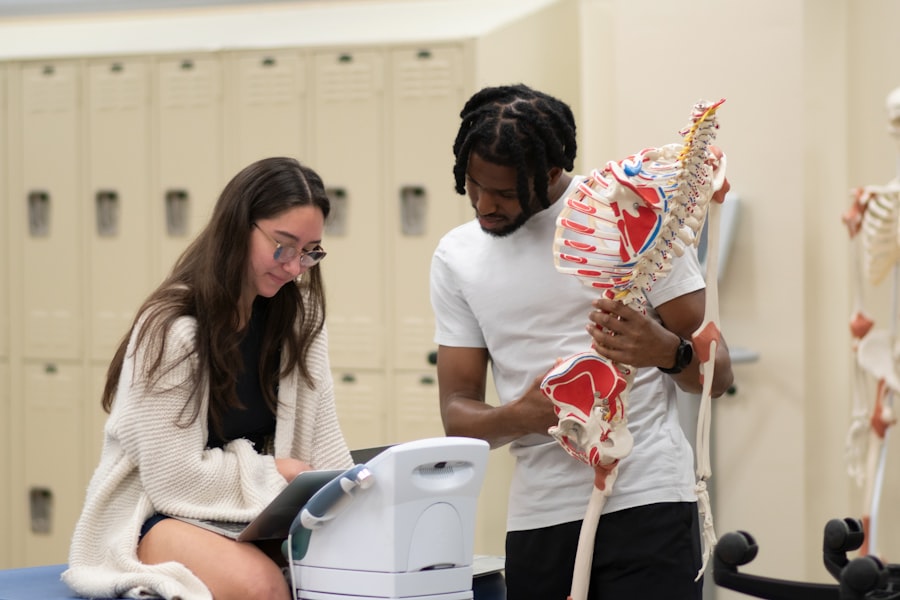
A research program is not a passive endeavor. To truly benefit, you must actively engage and contribute.
Active Participation and Learning
Don’t just be a pair of hands; be a pair of thinking hands.
- Ask Questions: Inquire about the rationale behind experiments, the interpretations of data, and the broader implications of the research.
- Read Relevant Literature: Familiarize yourself with primary articles in your field. This will deepen your understanding and enable more meaningful contributions.
- Attend Lab Meetings and Seminars: These are crucial forums for scientific discourse and learning about ongoing projects.
- Take Detailed Notes: Document your experiments, observations, and insights systematically. This is the bedrock of good scientific practice.
Embrace the role of a junior scientist.
Building Relationships with Mentors and Colleagues
Your mentors and lab colleagues are invaluable resources.
- Engage in scientific discussions: Share your thoughts, challenge assumptions (respectfully), and learn from diverse perspectives.
- Seek Feedback: Ask for constructive criticism on your work, presentations, or writing.
- Offer Assistance: Be a team player. If you have downtime, offer to help others in the lab.
- Maintain Professionalism: Adhere to lab etiquette, show up on time, and meet deadlines.
These relationships can extend far beyond the summer, providing a robust professional network.
Presenting Your Findings
Even if your project isn’t fully completed, presenting your work is a critical aspect of research.
- Internal Lab/Departmental Presentations: Many programs culminate in a student research symposium where you present your findings to peers and faculty.
- Poster Presentations: A common format for showcasing preliminary or completed research at scientific conferences.
- Oral Presentations: For more advanced projects or at larger conferences.
Presenting refines your communication skills, forces you to synthesize your work, and allows for valuable feedback. It’s the culmination of your efforts, showcased for a wider audience.
Thinking Beyond the Summer: Publications and Future Research
A productive summer research experience can open doors to further scientific endeavors.
- Co-Authorship on Publications: Significant contributions to a project can lead to co-authorship on peer-reviewed publications, a substantial achievement for a medical student.
- Presentations at National Conferences: If your work yields compelling results, your mentor might support you in submitting an abstract to a national conference.
- Continued Research During the Academic Year: Many students continue their research part-time during the academic year, building on their summer work.
- Future Research Years or MD/PhD Programs: A particularly impactful summer experience might solidify an interest in dedicated research years or even pursuing an MD/PhD dual degree.
The summer research program is not an end point, but potentially a springboard for a sustained engagement with scientific inquiry. It can sow the seeds for a future career where clinical practice and scientific discovery intertwine seamlessly.
