

The role of a Clinical Research Assistant (CRA) is a foundational position within the complex ecosystem of clinical research. This article aims to dismantle the intricacies of the CRA’s responsibilities, educational pathways, and the broader impact they exert on the progression of medical science. Understanding this role is crucial for anyone considering a career in clinical research or seeking to comprehend the mechanics behind drug and treatment development.
A Clinical Research Assistant primarily supports the clinical research team, often under the direct supervision of a Clinical Research Coordinator (CRC) or Principal Investigator (PI). Their contributions are integral to the successful execution of clinical trials, which are the bedrock upon which new medical interventions are tested, validated, and eventually brought to patients. Without meticulous data collection and adherence to regulatory standards, the integrity of these trials crumbles.
Defining the Role

The CRA’s role is multifaceted, encompassing administrative, logistical, and direct patient-interaction tasks. They are often the hands-on implementers of study protocols, ensuring the daily operations run smoothly. Think of them as the gears in a watch, each playing a vital, albeit often unseen, part in keeping the entire mechanism functioning accurately.
Essential Qualities
Successful CRAs typically possess a combination of meticulous attention to detail, strong organizational skills, and a fundamental understanding of scientific principles. Communication skills are paramount, as they frequently interact with patients, medical staff, and other research personnel. Adaptability is another key attribute, as clinical trial environments can be dynamic and unpredictable.
Core Responsibilities of a Clinical Research Assistant

The day-to-day duties of a CRA are diverse and critical to maintaining the fidelity and progress of a clinical trial. These responsibilities are often dictated by the specific phase of the trial, the therapy being investigated, and the size and structure of the research site.
Data Management and Documentation
This is perhaps one of the most significant aspects of a CRA’s work. Accurate and consistent documentation is not merely a formality; it is the absolute foundation for regulatory approval and scientific validity. Without it, a study is, for all intents and purposes, invisible to external scrutiny.
Case Report Form (CRF) Completion
CRAs are often responsible for completing Case Report Forms (CRFs), which are standardized documents used to collect data from study participants. This requires transcribing information from source documents, such as patient medical records, into the CRF with precision and adherence to good documentation practices. Errors in CRF completion can lead to data queries, protocol deviations, and, in severe cases, jeopardize the study’s integrity.
Source Document Verification (SDV)
SDV involves comparing recorded data in CRFs against original source documents to ensure accuracy and completeness. This process is a crucial quality control measure, akin to an internal audit, confirming that the data being analyzed is a true reflection of the patient’s experience.
Query Resolution
Data queries arise when there are inconsistencies, missing information, or discrepancies in the collected data. CRAs frequently work to resolve these queries, collaborating with CRCs, PIs, and data managers to obtain the necessary clarifications and corrections. This iterative process is vital for cleaning the database before statistical analysis.
Participant Interaction and Support
Direct interaction with study participants is a significant aspect of a CRA’s role, particularly in sites where patient volume is high or the research team is small. This interaction is not merely procedural; it is critical for participant retention and well-being.
Scheduling Appointments
CRAs often manage participant schedules, coordinating visits, procedures, and follow-up activities. This requires careful planning and communication to ensure participants attend appointments as required by the protocol.
Explaining Study Procedures (under supervision)
While the Informed Consent process is primarily handled by the PI or a designated CRC, CRAs may assist in explaining study procedures in simpler terms, answering logistical questions, and ensuring participants feel comfortable and informed throughout their involvement. This support role functions as a bridge, helping participants navigate the study’s requirements.
Specimen Collection and Processing (where applicable)
In studies involving biological samples, CRAs may be trained to assist with blood draws, urine collection, or other specimen acquisition. They are also often responsible for the proper processing, labeling, storage, and shipment of these samples, adhering to strict laboratory protocols and good clinical practice (GCP) guidelines. Mishandling samples can render critical data unusable, effectively nullifying the effort of numerous individuals.
Regulatory Compliance and Site Management
Clinical research is a heavily regulated field. CRAs play a vital role in ensuring that the research site remains compliant with federal regulations, institutional policies, and the study protocol. This means being intimately familiar with a complex web of rules.
Maintenance of Regulatory Documents
CRAs often assist in maintaining the regulatory binder, a comprehensive collection of essential documents that demonstrate the study’s compliance with regulations and ethical guidelines. This includes maintaining investigator qualifications, institutional review board (IRB) approvals, protocol amendments, and other critical paperwork.
Audits and Inspections Preparation
When regulatory agencies or sponsors conduct audits or inspections, CRAs contribute to the preparation process. They help organize documents, retrieve data, and ensure that all records are readily accessible and accurate. This preparation is a critical defense against findings of non-compliance.
Adherence to Protocol
The study protocol is the blueprint for the entire clinical trial. CRAs are tasked with ensuring that all research activities are conducted precisely as outlined in the protocol. Any deviation, no matter how minor, must be documented and addressed, as it can impact the study’s validity and participant safety.
Educational Pathways and Career Progression
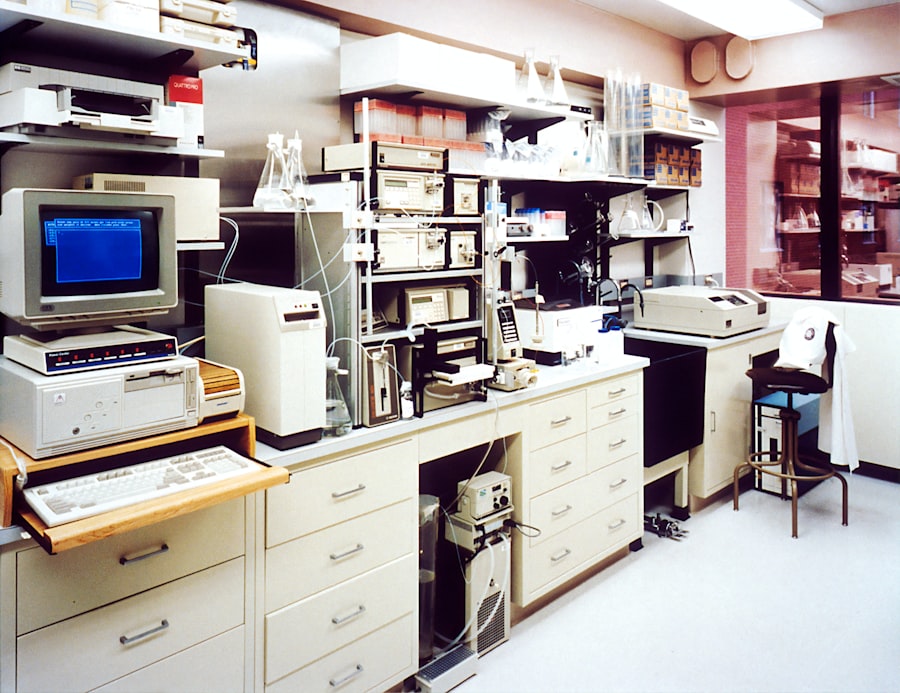
The journey to becoming a CRA and advancing within the clinical research field involves a combination of education, experience, and continuous learning. It is not a fixed path, but rather a series of opportunities that require dedication and strategic development.
Academic Background
While a bachelor’s degree is generally preferred, the specific field can vary. Degrees in life sciences such as biology, chemistry, nursing, public health, or related disciplines provide a strong foundation. Increasingly, specialized programs in clinical research are becoming available, offering targeted education in areas like GCP, regulatory affairs, and research methodology.
Entry-Level Requirements
For entry-level CRA positions, employers typically look for candidates with some relevant experience, even if it’s not directly in clinical research. This could include experience in a healthcare setting, laboratory work, or positions requiring meticulous data handling and organizational skills.
Certifications
Certifications from organizations like the Society of Clinical Research Associates (SOCRA) or the Association of Clinical Research Professionals (ACRP) can enhance a CRA’s credibility and career prospects. These certifications demonstrate a commitment to professional development and a comprehensive understanding of clinical research principles.
Career Advancement Opportunities
The CRA role often serves as a stepping stone to more advanced positions within clinical research. The experience gained is highly transferable to various other roles.
Clinical Research Coordinator (CRC)
Many CRAs advance to CRC roles, where they take on greater responsibility for managing entire studies, supervising other research staff, and assuming a more prominent role in participant recruitment and regulatory oversight. The CRC often acts as the primary point of contact for the clinical trial site.
Clinical Research Associate (CRA – Monitor)
This is a distinct, often field-based, role. While the titles are similar, a CRA (monitor) typically works for a sponsor or Contract Research Organization (CRO) and travels to various research sites to oversee and monitor the conduct of studies, ensuring compliance with protocols and regulations. This involves auditing site data and processes firsthand.
Project Management and Beyond
With more experience, CRAs can transition into project management roles within CROs or pharmaceutical companies, overseeing multiple clinical trials or larger research programs. Other pathways include roles in regulatory affairs, quality assurance, data management, or even specialized scientific roles depending on their advanced education and interests. The clinical research landscape is broad, and persistent individuals find numerous avenues for growth.
Impact and Contribution to Medical Science

The work of a Clinical Research Assistant, though often behind the scenes, is indispensable to the advancement of medical science. They are the conduits through which raw data is transformed into actionable knowledge.
Ensuring Data Integrity
The meticulous data collection and verification performed by CRAs are paramount to the reliability of clinical trial results. Flawed data can lead to erroneous conclusions, potentially delaying or even misdirecting the development of vital new therapies. CRAs act as guardians of this empirical data.
Protecting Participant Safety and Rights
By adhering to protocols and regulatory guidelines, CRAs contribute significantly to safeguarding the rights and well-being of study participants. Their vigilance helps ensure that ethical considerations are consistently upheld, fostering trust in the research process.
Accelerating New Treatment Development
By efficiently managing study logistics and data, CRAs help keep clinical trials on schedule. Timely completion of trials means that new drugs, medical devices, and therapies can be evaluated and, if successful, reach patients sooner. Their efficiency acts as a catalyst in bringing innovations from the lab to the bedside.
Challenges and Rewards of the Role
| Metric | Value | Details |
|---|---|---|
| Average Salary | 45,000 – 60,000 | Annual salary range depending on experience and location |
| Education Required | Bachelor’s Degree | Typically in life sciences, biology, or related field |
| Job Growth Rate | 7% | Projected growth over the next 10 years (U.S. Bureau of Labor Statistics) |
| Key Responsibilities | Data collection, patient recruitment, regulatory compliance | Supports clinical trials and research studies |
| Work Environment | Hospitals, research institutions, pharmaceutical companies | Typically office and clinical settings |
| Required Skills | Attention to detail, communication, data management | Essential for accurate trial documentation and coordination |
| Certifications | CCRA (Certified Clinical Research Associate) optional | May enhance job prospects and credibility |
Like any profession, the CRA role comes with its own set of challenges and significant rewards. Understanding these facets provides a more balanced perspective on the daily realities of the job.
Common Challenges
The clinical research environment can be demanding. CRAs often face tight deadlines, complex protocols, and the need to manage multiple tasks simultaneously. The emotional toll of working with sick patients, coupled with the meticulous demands of data accuracy, can create a high-pressure environment. Moreover, adapting to new technologies and evolving regulatory standards requires continuous learning, which can be challenging to balance with existing responsibilities.
Regulatory Complexity
Navigating the labyrinthine world of regulations (e.g., FDA, ICH-GCP) requires constant vigilance and an acute understanding of compliance frameworks. A single oversight can have significant repercussions.
Patient Recruitment and Retention
Studies can falter if patient recruitment goals are not met or if participants drop out en masse. CRAs often assist in addressing these issues, which can be a source of stress as it directly impacts study timelines and feasibility.
Intrinsic Rewards
Despite the challenges, the rewards of being a CRA are substantial, particularly for those passionate about contributing to healthcare. The knowledge that one’s work contributes directly to developing life-saving treatments is a powerful motivator.
Contribution to Medical Breakthroughs
Being a part of the team that helps bring a new drug or treatment to market is a profoundly gratifying experience. CRAs are part of the engine driving medical progress, a silent force pushing the boundaries of what is medically possible.
Skill Development and Learning
The role offers continuous opportunities for learning and professional development. Working across various therapeutic areas, with different patient populations and technologies, broadens one’s knowledge base significantly. The clinical research field is a perpetual classroom, presenting new problems and demanding creative solutions.
Conclusion
The Clinical Research Assistant is more than an administrative support role; it is a critical component in the intricate machinery of clinical trials. CRAs are often the unsung heroes who ensure that clinical research is conducted ethically, efficiently, and with the highest degree of data integrity. Their work directly underpins the process by which new medical interventions are rigorously tested and ultimately made available to those in need. For individuals with a meticulous nature, a commitment to scientific rigor, and a desire to contribute to human health, the role of a Clinical Research Assistant offers a challenging yet profoundly rewarding career path. They are the essential stitch in the fabric of medical innovation, holding together the threads of patient care, scientific inquiry, and regulatory compliance.
