

A research assistant (RA) serves a foundational role in the execution of clinical studies. Functioning as a linchpin, the RA supports clinical research teams by managing data, interacting with study participants, and ensuring protocol adherence. Their responsibilities are diverse, ranging from administrative tasks to direct involvement in research procedures. Understanding the breadth of their duties and the skills required clarifies their indispensable contribution to the advancement of medical knowledge.
The daily activities of a research assistant are multifaceted, requiring adaptability and meticulous attention to detail. Their efforts directly contribute to the integrity and efficiency of clinical trials.
Data Management and Documentation

Central to any clinical study is the generation and management of data. RAs play a critical role in this process, acting as custodians of information.
- Data Collection and Entry: RAs are often responsible for collecting data points from various sources, including patient records, laboratory results, and questionnaires. This data is then accurately entered into electronic data capture (EDC) systems or case report forms (CRFs). Precision in this task is paramount, as errors can compromise the validity of the study.
- Database Maintenance: Beyond initial entry, RAs assist in maintaining study databases, ensuring data cleanliness and consistency. This may involve performing quality checks, resolving data queries, and tracking data completeness.
- Documentation and Record Keeping: Clinical studies are heavily reliant on thorough documentation. RAs maintain regulatory binders, participant files, and other essential study records, ensuring they are organized, up-to-date, and readily accessible for audits. This includes tracking consent forms, adverse event reports, and protocol deviation logs.
Participant Interaction and Support
RAs often serve as the primary point of contact for study participants, guiding them through various stages of the trial.
- Recruitment and Screening: RAs assist in identifying potential participants based on inclusion and exclusion criteria. This involves reviewing medical records, conducting preliminary interviews, and explaining the study to interested individuals. Their communication skills are crucial in engaging prospective participants and addressing initial questions.
- Informed Consent Process: While the ultimate responsibility for obtaining informed consent rests with the principal investigator, RAs frequently assist in explaining the study’s purpose, procedures, risks, and benefits to participants. They ensure participants understand their rights and are comfortable with their decision to participate.
- Scheduling and Logistics: Managing participant appointments, coordinating study visits, and arranging transportation or compensation are common tasks. RAs act as logistics coordinators, ensuring a smooth experience for participants throughout their involvement.
- Participant Communication: RAs maintain regular communication with participants, providing updates, answering questions, and offering support. They are often the first line of contact for participants experiencing issues or having concerns related to the study.
Essential Skills for a Research Assistant

The diverse nature of the RA role necessitates a specific skill set, blending technical proficiency with interpersonal capabilities.
Organizational and Administrative Acumen
The smooth operation of a clinical study relies heavily on strong organizational skills.
- Time Management: RAs juggle multiple tasks and deadlines. Effective time management is essential for prioritizing responsibilities, meeting study milestones, and managing participant schedules efficiently.
- Attention to Detail: Clinical research operates under strict regulations and protocols. RAs must possess an acute attention to detail to ensure accuracy in data collection, documentation, and adherence to procedural guidelines. A misplaced decimal point or an unrecorded observation can have significant consequences.
- Problem-Solving: Unexpected issues can arise in any clinical study. RAs need to identify problems, analyze situations, and propose practical solutions, often under time constraints. This might involve troubleshooting equipment, resolving scheduling conflicts, or addressing participant concerns.
Communication and Interpersonal Skills
Interaction with diverse groups—participants, investigators, and other research staff—is a constant for RAs.
- Clear and Concise Communication: RAs must convey complex information about studies to participants in an understandable manner. They also need to communicate effectively with other team members, ensuring everyone is abreast of study progress and potential issues.
- Empathy and Professionalism: When interacting with participants, particularly those who may be unwell or anxious, RAs must demonstrate empathy, compassion, and professionalism. Maintaining confidentiality and respecting participant autonomy are paramount.
- Teamwork: Clinical studies are collaborative endeavors. RAs work as part of a larger team, requiring effective collaboration, shared responsibility, and mutual support.
Technical Proficiency
Modern clinical research increasingly relies on technology.
- Computer Literacy: Proficiency in office software (e.g., Microsoft Office Suite) is fundamental. RAs also often work with specialized software for data entry (EDC systems), electronic health records (EHR), and statistical analysis (though advanced statistical work is typically handled by biostatisticians).
- Understanding of Research Protocols: RAs must meticulously understand and adhere to study protocols. This involves comprehending the study design, eligibility criteria, intervention procedures, and data collection methods.
- Basic Medical Terminology: While not always mandatory for entry-level positions, a basic understanding of medical terminology is beneficial for interpreting patient records and communicating with healthcare professionals.
The Regulatory Landscape and Ethical Considerations
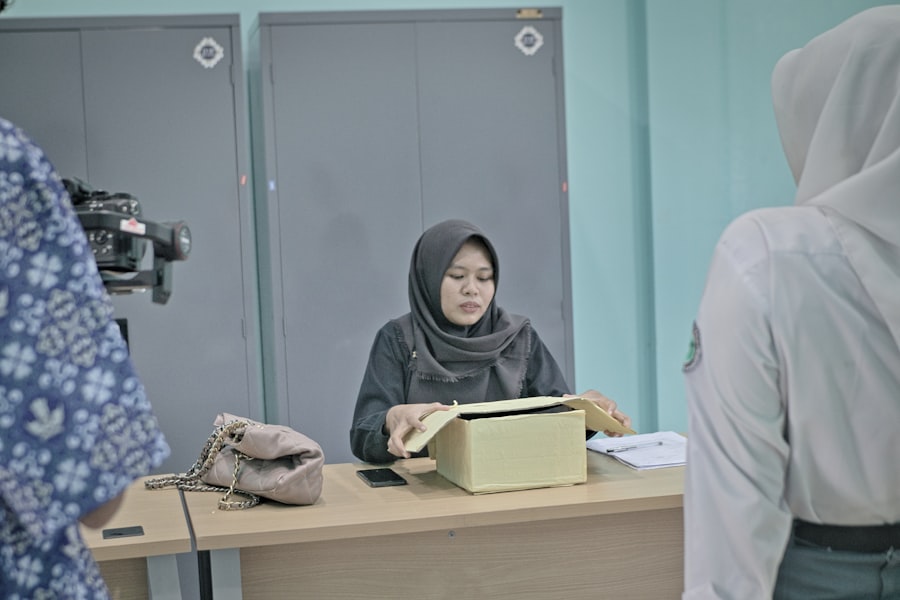
Clinical research is a highly regulated field, and RAs are on the front lines of ensuring compliance.
Adherence to Good Clinical Practice (GCP)
Good Clinical Practice (GCP) is an international ethical and scientific quality standard for designing, conducting, recording, and reporting trials that involve human subjects.
- GCP Training and Implementation: RAs are required to undergo GCP training and apply its principles in their daily work. This includes understanding participant rights, ensuring data integrity, and recognizing and reporting adverse events. Adherence to GCP protects participants and ensures the credibility of research findings.
- Protocol Compliance: RAs are responsible for executing study procedures exactly as outlined in the approved protocol. Any deviations must be documented and reported appropriately. This fidelity to the protocol is a cornerstone of valid research.
Ethical Safeguards and Participant Protection
Protecting the rights and welfare of human subjects is a non-negotiable aspect of clinical research.
- Confidentiality and Privacy: RAs handle sensitive participant information. They must strictly adhere to regulations such as the Health Insurance Portability and Accountability Act (HIPAA) in the United States or the General Data Protection Regulation (GDPR) in Europe, ensuring participant data is protected from unauthorized access or disclosure.
- Informed Consent Reinforcement: While the initial consent process is crucial, RAs often reinforce the concept of voluntary participation and the right to withdraw at any time without penalty. They serve as a constant reminder of participant autonomy.
- Adverse Event Reporting: RAs are frequently involved in identifying, documenting, and reporting adverse events (AEs) or serious adverse events (SAEs) according to study protocol and regulatory requirements. Timely and accurate reporting is critical for participant safety monitoring.
Career Development and Impact

The role of a research assistant can serve as a stepping stone or a dedicated career path within the clinical research ecosystem.
Professional Growth Opportunities
For individuals beginning their careers in clinical research, the RA position offers fundamental exposure.
- Foundational Experience: An RA role provides hands-on experience in the practical aspects of clinical trials, which is invaluable for those aspiring to roles such as clinical research coordinators, clinical trial managers, or even principal investigators.
- Skill Diversification: The breadth of an RA’s responsibilities allows for the development of a wide range of skills, from data management to participant interaction, making them versatile professionals.
- Further Education: Many RAs leverage their experience to pursue advanced degrees in public health, nursing, medicine, or specialized clinical research programs.
Contribution to Medical Advancement
The work of a research assistant, though often behind the scenes, is integral to the broader scientific enterprise.
- Accuracy of Data: The precision with which an RA collects and manages data directly impacts the reliability of study results. Flawed data can undermine an entire study, rendering the findings meaningless or misleading.
- Participant Engagement: An RA’s ability to build rapport and effectively communicate with participants can significantly influence recruitment rates, retention, and overall participant satisfaction, which are crucial for study success.
- Operational Efficiency: By managing logistics and administrative tasks effectively, RAs streamline study operations, allowing principal investigators and other senior staff to focus on scientific interpretation and strategic oversight. They are like the gears in a complex machine; if one falters, the entire mechanism is affected.
Challenges and Rewards of the Role
| Metric | Description | Typical Value/Range | Notes |
|---|---|---|---|
| Average Weekly Hours | Number of hours worked per week | 20-40 hours | Varies by institution and project demands |
| Data Collection Accuracy | Percentage of correctly recorded clinical data | 95-99% | Critical for research validity |
| Number of Studies Supported | Count of clinical research projects assisted | 1-5 concurrently | Depends on workload and complexity |
| Patient Interaction Hours | Time spent interacting with patients for data collection or consent | 5-15 hours/week | May vary based on study design |
| Data Entry Speed | Number of data points entered per hour | 50-150 entries/hour | Depends on data complexity and software used |
| Compliance Training Completed | Percentage of required regulatory and ethical training completed | 100% | Mandatory for clinical research roles |
| Report Preparation Time | Average time to prepare research reports or summaries | 2-5 hours per report | Varies by report complexity |
Like any professional endeavor, being a research assistant presents its own set of hurdles and satisfactions.
Common Challenges
RAs frequently encounter situations that test their resilience and resourcefulness.
- High Workload and Pace: Clinical studies often operate under strict timelines and with significant workloads, requiring RAs to manage multiple tasks concurrently and adapt to rapid changes.
- Participant Management: Dealing with diverse personalities, managing expectations, and sometimes handling sensitive or emotional situations with participants can be challenging.
- Regulatory Complexity: Staying current with evolving regulations and ensuring unwavering compliance can be demanding, requiring continuous learning and meticulous adherence.
Intrinsic Rewards
Despite the challenges, the RA role offers significant intrinsic rewards.
- Direct Impact on Health Care: RAs contribute directly to the generation of evidence that informs new treatments and interventions, seeing the tangible impact of their work on improving patient care.
- Learning Environment: The role provides a continuous learning environment, exposing RAs to cutting-edge research, medical advancements, and diverse therapeutic areas.
- Team Collaboration: Working within a dedicated research team fosters a sense of camaraderie and shared purpose, contributing to a supportive professional environment.
The research assistant role is more than an entry-level position; it is a critical artery through which clinical research flows. Their meticulous attention to detail, strong interpersonal skills, and unwavering commitment to ethical conduct ensure the integrity and success of studies investigating new treatments and approaches. Without their dedicated efforts, the translation of scientific curiosity into tangible health improvements would be significantly hampered. For those contemplating a role in clinical research, understanding the depth and breadth of the RA’s responsibilities reveals a demanding yet rewarding path, central to the progress of medical science.
