

Understanding the landscape of clinical research clinics is crucial for individuals seeking to participate in medical studies. This guide aims to demystify the process of locating research facilities, explaining their function and the benefits and considerations involved in participation.
Clinical research clinics are facilities dedicated to conducting clinical trials, which are research studies performed on human volunteers to evaluate new medical interventions. These interventions can include medications, medical devices, diagnostic procedures, or other treatments. The primary goal of these clinics is to advance medical knowledge and improve healthcare outcomes by rigorously testing the safety and efficacy of potential new therapies.
Types of Clinical Research Clinics

Clinical research is a broad field, and clinics often specialize in certain areas. Understanding these distinctions can help you narrow your search.
- Academic Medical Centers: These are typically large university-affiliated hospitals that conduct a wide range of basic and applied research. They often have dedicated units for clinical trials across numerous specialties.
- Pharmaceutical Company Research Sites: Many pharmaceutical companies operate their own research facilities to conduct trials for their developing drugs. These sites are often highly specialized in the drug categories the company is developing.
- Contract Research Organizations (CROs): CROs are independent organizations hired by pharmaceutical companies, biotechnology firms, and government agencies to manage and conduct clinical trials. They may operate their own clinics or partner with existing medical facilities.
- Independent Research Clinics: Some clinics are established specifically for the purpose of conducting clinical trials, often specializing in a particular disease area or type of intervention. These clinics may work with multiple sponsors (e.g., pharmaceutical companies) on various trials.
- Physician Practices: In some cases, individual physician practices may participate in or host clinical trials, especially for studies that align with their specialty and patient population.
The Clinical Trial Process
Clinical trials are structured into phases, each with specific objectives:
- Phase 1: Focuses on safety, typically involving a small group of healthy volunteers or patients with the condition.
- Phase 2: Evaluates efficacy and further assesses safety in a larger group of patients.
- Phase 3: Compares the new intervention to existing treatments in a larger patient population, confirming efficacy and monitoring side effects.
- Phase 4: Post-marketing studies conducted after a drug or device has been approved, to gather additional information on long-term effects and optimal use.
How to Find Clinical Research Clinics

Locating suitable clinical research clinics requires a systematic approach. Think of this process as navigating a complex map; precision in your search will yield better results.
Utilizing Online Databases and Registries
Several centralized online resources serve as repositories for information on ongoing clinical trials. These databases are often the most effective starting point.
- ClinicalTrials.gov: Operated by the U.S. National Library of Medicine, this is a globally recognized and extensive database of publicly and privately funded clinical studies conducted around the world. You can search by condition, intervention, location, and other parameters.
- World Health Organization (WHO) International Clinical Trials Registry Platform (ICTRP): This platform provides a single point of access to clinical trial information from various international registers.
- EU Clinical Trials Register: For trials conducted within the European Union, this register provides detailed information.
- Disease-Specific Foundation Websites: Many foundations dedicated to specific diseases (e.g., American Cancer Society, National Multiple Sclerosis Society) maintain lists of ongoing trials relevant to their area of focus. These specialized resources can be particularly valuable if you have a specific condition.
Consulting Healthcare Providers
Your personal healthcare team can be a valuable resource in identifying relevant clinical research opportunities.
- Primary Care Physician (PCP): Your PCP may be aware of local research initiatives or can refer you to specialists who are involved in clinical trials. They understand your overall health profile and can advise on potential suitability.
- Specialists: If you have a specific medical condition, your specialist (e.g., oncologist, neurologist, cardiologist) is often the best informed about current research in their field. They may even be directly involved in conducting trials or know colleagues who are.
- Hospital Research Departments: Large hospitals and academic medical centers often have dedicated research departments or clinical trial offices. Contacting these departments directly can provide information about studies they are currently hosting.
Exploring Local Resources
Beyond national databases and medical professionals, local avenues can also lead you to research clinics.
- University Medical Centers: As previously mentioned, university hospitals are often hubs for clinical research. Their websites typically have sections dedicated to research and clinical trials, listing studies that are recruiting participants.
- Local Hospital Websites: Even hospitals not affiliated with universities may host clinical trials, particularly for common conditions. Check their websites for research or clinical trials sections.
- Community Health Centers: Some community health centers, especially those serving specific populations, may participate in research studies relevant to their patient base.
- Local Advertisements: Research clinics sometimes advertise for participants in local newspapers, community newsletters, or on public transportation. While not as comprehensive as online databases, these can occasionally reveal opportunities.
Factors to Consider When Choosing a Clinic

Once you have identified potential clinics, a thorough evaluation is essential. Think of this as carefully inspecting a potential travel destination; you want to ensure it meets your needs and standards.
Clinic Reputation and Accreditation
The credibility and standing of a research clinic are paramount.
- Institutional Review Board (IRB) Approval: Every clinical trial must be approved and overseen by an Institutional Review Board (known as an Ethics Committee outside the U.S.). The IRB ensures that the trial is ethical, that participant rights are protected, and that the risks are minimized. Confirming IRB approval is a fundamental step.
- Staff Qualifications: Inquire about the qualifications and experience of the research staff, including the principal investigator (the lead physician overseeing the trial), nurses, and research coordinators.
- Track Record: While not always publicly available, understanding a clinic’s history of conducting trials and its adherence to regulatory standards can provide confidence. You might consult with your physician if they have any insights into specific local clinics.
Location and Accessibility
Practical considerations often play a significant role in your ability to participate consistently.
- Geographic Proximity: Consider the distance from your home or workplace to the clinic. Clinical trials often require multiple visits, sometimes over an extended period. Long travel times can become a burden.
- Transportation Options: Evaluate public transportation access, parking availability, and any potential costs associated with travel.
- Clinic Hours: Ensure the clinic’s operating hours align with your schedule, particularly if you are employed or have other commitments.
The Specific Clinical Trial
The trial itself must align with your health needs and comfort level.
- Inclusion and Exclusion Criteria: Each trial has strict criteria for who can or cannot participate. You must meet these to be eligible. These criteria are critical filters, ensuring the study population is appropriate for the research question.
- Study Protocol: Understand the time commitment, procedures involved (e.g., blood draws, imaging scans, medication administration), and the duration of the trial. The protocol is the blueprint of the study.
- Potential Risks and Benefits: All clinical trials carry potential risks, from mild side effects to serious adverse events. It is imperative to understand these, as well as the potential benefits (e.g., access to new treatments, close medical monitoring) before consenting. This understanding is key to making an informed decision.
- Informed Consent Process: Before joining any trial, you will undergo an informed consent process. This involves a detailed explanation of the trial, its purpose, procedures, risks, and your rights as a participant. You should feel comfortable asking questions until you fully understand all aspects. You have the right to withdraw from a trial at any time without penalty.
Benefits and Considerations of Participation
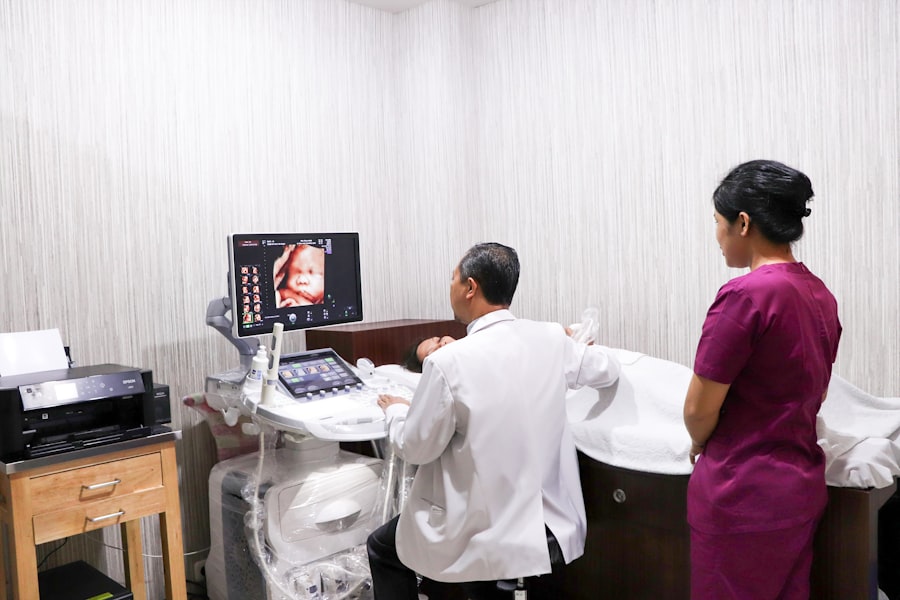
Participating in clinical research offers both potential advantages and requires careful consideration of the implications.
Potential Benefits
- Access to Novel Treatments: Participants may gain early access to new medications or therapies not yet available to the general public. This can be particularly significant for individuals with conditions for which current treatments are inadequate.
- Close Medical Supervision: Throughout the trial, participants typically receive regular and often intensive medical monitoring by a dedicated research team. This can provide a level of oversight that might not be available in routine clinical practice.
- Contributing to Medical Science: By participating, you contribute directly to the advancement of medical knowledge, potentially leading to improved treatments for future patients and your own community. This sense of contribution can be a powerful motivator.
- Financial Compensation: Some clinical trials offer financial remuneration for time, travel, and inconvenience. This is not payment for participation itself, but compensation for the burden of joining the study. This should not be the primary motivator for participation, but a consideration.
Important Considerations
- Placebo Effect/No Active Treatment: Some trials include a placebo arm, meaning some participants may receive an inactive substance instead of the experimental treatment. You may not know which arm you are in. This is a possibility that potential participants must be prepared for.
- Unknown Risks and Side Effects: While researchers strive to minimize risks, new treatments may have unknown side effects or long-term consequences that are still being investigated. This is the inherent nature of experimental medicine.
- Time Commitment: Clinical trials can demand a significant time commitment, including frequent visits, procedures, and adherence to specific instructions.
- Inconvenience: Travel, time away from work or family, and adherence to protocol can be inconvenient.
- No Guarantee of Benefit: Participation in a clinical trial does not guarantee that you will receive a beneficial treatment or that your condition will improve. The primary goal is research, not individual patient treatment.
Preparing for Your First Clinic Visit
| Clinic Name | Location | Specialty | Number of Trials | Contact Number | Rating (out of 5) |
|---|---|---|---|---|---|
| HealthFirst Clinical Research | 123 Main St, Springfield | Cardiology | 12 | (555) 123-4567 | 4.5 |
| Advanced Research Clinic | 456 Elm St, Springfield | Oncology | 8 | (555) 987-6543 | 4.2 |
| Springfield Clinical Trials | 789 Oak St, Springfield | Neurology | 15 | (555) 555-1212 | 4.7 |
| City Medical Research | 321 Pine St, Springfield | Diabetes | 10 | (555) 222-3333 | 4.3 |
| Innovative Trials Center | 654 Maple St, Springfield | Immunology | 7 | (555) 444-5555 | 4.6 |
A structured approach to your initial engagement with a research clinic can ensure you gather all necessary information.
What to Bring
- List of Current Medications: Include prescription drugs, over-the-counter medications, supplements, and herbal remedies.
- Medical History Summary: A brief overview of your diagnoses, surgeries, and significant health events. Providing this can streamline the eligibility screening process.
- Questions for the Research Team: Prepare a list of questions you have about the trial, the clinic, and what participation entails. This ensures all your concerns are addressed.
- Insurance Information: While many clinical trials cover study-related costs, some may require your insurance for standard medical care that is not directly part of the research.
Questions to Ask the Research Team
- What are the specific objectives of this study?
- What are the inclusion and exclusion criteria?
- What are the procedures involved, and how often will I need to visit the clinic?
- What are the potential risks and benefits of participating?
- Will I receive a placebo, and if so, what are my chances?
- How will my privacy and confidentiality be protected?
- What happens if I experience side effects or need urgent medical attention during the trial?
- Will I receive any financial compensation for my time or travel?
- Who can I contact if I have questions or concerns outside of scheduled visits?
- What happens at the end of the trial? Will I be informed of the results?
- What are the alternative treatment options available to me outside of this trial?
By diligently researching, carefully considering the factors involved, and engaging proactively with research teams, you can navigate the process of finding and potentially participating in clinical research clinics effectively.
