

Clinical trials are research studies conducted with human volunteers to evaluate the efficacy and safety of new medical interventions, such as drugs, devices, or procedures. These trials are a critical step in the development of new treatments and play a vital role in advancing medical knowledge. Participants often receive compensation for their time, travel, and inconvenience. This article outlines how individuals can locate clinical trials offering financial compensation in their vicinity, detailing the process, associated considerations, and ethical frameworks.
Clinical trials are systematically designed investigations that follow rigorous scientific and ethical standards. They are typically categorized into phases, each with specific objectives. Phase I trials usually involve a small group of healthy volunteers and focus on safety and dosage. Phase II trials expand to a larger group of patients to assess effectiveness and further evaluate safety. Phase III trials compare the new treatment with existing standard treatments in an even larger patient population. Finally, Phase IV trials occur after a drug has been approved and are designed to monitor long-term effects and gather additional information.

Compensation in clinical trials is not a salary. It is a reimbursement for the participant’s time, effort, and any expenses incurred as a direct result of their participation. This can include travel costs, parking fees, and lost wages due to appointments. The amount of compensation varies significantly depending on several factors, including the trial’s duration, the number of visits required, the invasiveness of procedures, and the specific phase of the trial. More complex and time-intensive trials generally offer higher compensation.
Ethical Considerations in Compensation
The ethical framework surrounding compensation in clinical trials is robust. The primary concern is to ensure that compensation does not unduly influence a participant’s decision to enroll in a study. This is known as “undue inducement.” Regulatory bodies, such as Institutional Review Boards (IRBs) in the United States or Ethics Committees (ECs) internationally, meticulously review compensation plans to guarantee they are equitable and do not coerce individuals, particularly those from vulnerable populations, into participating against their better judgment.
- Reimbursement vs. Payment: Compensation is typically viewed as reimbursement for expenses and inconvenience, not as payment for participating in a research study. This distinction is crucial in maintaining ethical boundaries.
- Approval by Oversight Bodies: All compensation plans must be approved by an independent ethics committee or IRB. These bodies assess whether the compensation is reasonable and proportionate to the burden placed on participants.
- Transparency: Potential participants must be fully informed about the compensation structure before consenting to participate. This includes details on payment schedules, conditions for receiving full compensation, and any potential deductions.
Types of Compensation

Compensation methods vary and are detailed in the informed consent document provided to all potential participants.
- Stipends per Visit: Many trials offer a set amount for each completed study visit. This is common for trials with multiple appointments.
- Total Project Stipend: Some trials offer a lump sum upon completion of the entire study. This often applies to shorter, less complex trials or those with fewer visits.
- Travel Reimbursement: Direct reimbursement for travel expenses, such as mileage, public transport fares, or even accommodation for trials requiring overnight stays, is a common component.
- Gift Cards or Vouchers: In some cases, particularly for studies with lower burdens or in specific populations, gift cards may be offered. However, these are generally subject to scrutiny by ethics committees to avoid the perception of undue inducement.
Locating Clinical Trials
Finding clinical trials, particularly those offering compensation, requires navigating various resources. Several authoritative platforms and organizations serve as central repositories for trial information.
Official Government Databases
Government-sponsored databases are often the most comprehensive and reliable sources for clinical trial information globally. They typically list trials conducted within their respective jurisdictions and conform to stringent reporting standards.
- ClinicalTrials.gov (United States): Operated by the U.S. National Library of Medicine (NLM) at the National Institutes of Health (NIH), ClinicalTrials.gov is a publicly accessible database of privately and publicly funded clinical studies conducted around the world. It provides information on study purpose, participant eligibility, locations, and contact information. You can filter searches by location, condition, compensation (though not explicitly, you can infer from “studies with healthy volunteers” or “studies with specific patient populations”), and study phase.
- EU Clinical Trials Register (European Union): This register provides information on clinical trials conducted in the European Union. It includes details such as trial design, participant numbers, and the ethics committee that approved the study.
- World Health Organization (WHO) International Clinical Trials Registry Platform (ICTRP): The ICTRP is a global initiative that aims to provide a single point of access to information about ongoing clinical trials. It acts as a portal, linking to country-specific trial registries.
Academic Medical Centers and Research Institutions
Major universities and academic medical centers are often at the forefront of medical research and conduct numerous clinical trials. These institutions frequently have dedicated clinical research departments or websites where they list their ongoing studies.
- University Websites: Many university hospitals or medical schools have specific sections on their websites dedicated to clinical research or participant recruitment. Searching for “[University Name] clinical trials” or “[University Name] research studies” is a common approach.
- Research Study Flyers and Advertisements: Within academic institutions and healthcare settings, you may find flyers or advertisements detailing ongoing studies and recruitment needs. These often include compensation details.
Private Contract Research Organizations (CROs)
CROs are companies that provide support to pharmaceutical, biotechnology, and medical device industries in the form of research services. Many specialize in managing clinical trials and often recruit participants directly or through dedicated recruitment platforms.
- CRO Websites: Large CROs often have “patient recruitment” or “participant opportunities” sections on their websites. These may allow you to sign up for alerts for new studies in your area.
- Specialized Recruitment Websites: Some websites are specifically designed to connect individuals with clinical trials. These platforms often collaborate with CROs and research institutions. Examples include CenterWatch or Antidote.me. When using such sites, always verify the legitimacy of any listed trial by cross-referencing it with official databases like ClinicalTrials.gov.
Patient Advocacy Groups
Organizations dedicated to specific diseases or conditions often maintain lists of clinical trials relevant to their constituents. These groups can be a valuable resource for individuals seeking trials related to a particular health issue.
- Disease-Specific Foundations: For example, the American Cancer Society or the Alzheimer’s Association may list trials pertinent to cancer or Alzheimer’s research, respectively. These lists often include trial locations and eligibility criteria.
- Online Forums and Communities: While caution is advised, some online forums or social media groups focused on specific health conditions may share information about ongoing trials. Always independently verify any information obtained from these sources.
The Participation Process
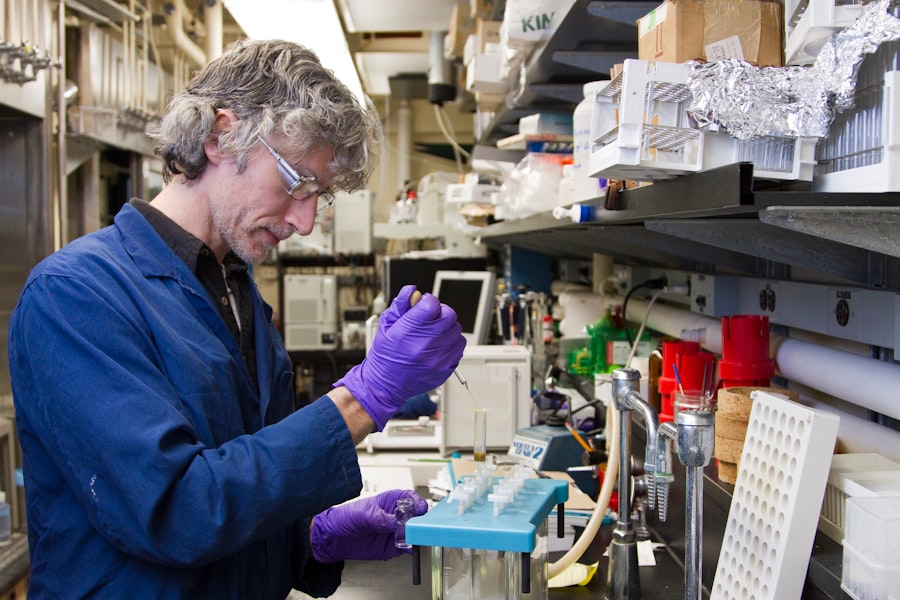
Engaging in a clinical trial involves a series of steps, from initial inquiry to post-study follow-up. Understanding this process is crucial for informed decision-making.
Initial Inquiry and Pre-screening
Once a potential trial is identified, the first step is typically to contact the research site. This often involves a brief phone call or online questionnaire for pre-screening.
- Eligibility Criteria: Each trial has specific inclusion and exclusion criteria based on age, gender, medical history, current medications, and other health factors. Pre-screening helps determine if you meet these initial requirements. Think of eligibility criteria as the gates to entry; if you don’t meet them, you cannot proceed.
- Basic Information Gathering: The research staff will ask fundamental questions about your health and demographics to assess preliminary suitability.
Informed Consent
If pre-screened successfully, you will be invited for a more detailed screening visit. A critical component of this visit is the informed consent process.
- Comprehensive Information: The research team will provide you with a detailed informed consent document (ICD) that outlines all aspects of the trial. This includes its purpose, procedures, potential risks and benefits, alternatives to participation, confidentiality measures, and compensation details.
- Discussion and Questions: You will have the opportunity to discuss the trial with the research staff, ask questions, and seek clarification. It is your right to take sufficient time to understand the information presented.
- Voluntary Participation: Signing the informed consent document signifies your voluntary agreement to participate. You are not obligated to sign, and you can withdraw from the study at any time without penalty, even after signing.
Screening Visit and Enrollment
Following informed consent, a screening visit is conducted to determine definitive eligibility.
- Medical Evaluation: This may involve a physical exam, blood tests, urine tests, electrocardiograms (ECGs), and other diagnostic procedures relevant to the study.
- Confirmation of Eligibility: The results of the screening tests confirm whether you meet all the specified inclusion and exclusion criteria.
- Enrollment: If deemed eligible, you will be formally enrolled in the study.
Study Participation
Once enrolled, you will follow the study protocol as outlined in the informed consent document.
- Adherence to Protocol: This involves attending scheduled appointments, taking study medication as directed, providing required data, and reporting any adverse events.
- Monitoring and Follow-up: The research team will regularly monitor your health and well-being throughout the study. This may include blood draws, physical examinations, questionnaires, or specialized diagnostic tests.
- Reporting Adverse Events: It is crucial to report any unexpected or undesirable health events to the research team promptly. This ensures your safety and contributes to the overall safety data of the treatment.
Completion or Withdrawal
The study concludes either when you complete all required visits or if you decide to withdraw.
- Study Completion: Upon completing the study, you will typically receive any remaining compensation. Some studies may include long-term follow-up calls or visits.
- Withdrawal Rights: You have the right to withdraw from a clinical trial at any time for any reason. Your decision will not affect your access to standard medical care. Compensation for partial participation will typically be prorated.
Considerations for Participants

Before committing to a clinical trial, it is prudent to weigh several factors carefully.
Risks and Benefits
Every clinical trial involves potential risks and potential benefits, which must be thoroughly understood.
- Potential Risks: Risks can range from minor discomforts (e.g., headache from blood draws) to serious adverse events (e.g., allergic reactions, side effects of new drugs). The informed consent document will detail all known and anticipated risks. Think of this as stepping into uncharted territory; while guides exist, the full landscape is not entirely known.
- Potential Benefits: Benefits may include access to new treatments before they are widely available, closer medical attention, expert medical care from leading specialists, and the satisfaction of contributing to medical science. For some, particularly those with rare or difficult-to-treat conditions, a clinical trial may offer a glimmer of hope where standard treatments have failed.
- No Guarantee of Benefit: Participation does not guarantee that you will receive the experimental treatment, nor does it guarantee that the treatment will be effective or beneficial if you do receive it. Many trials are placebo-controlled, meaning some participants receive an inactive substance.
Time Commitment and Logistics
Clinical trials often require a significant time commitment and logistical planning.
- Frequency and Duration of Visits: Some trials involve daily visits for a short period, while others may require monthly visits over several years.
- Travel: Consider the distance to the research site and the feasibility of regular travel, especially if you have work or family commitments. Compensation for travel may not always cover all indirect costs, such as lost income from taking time off work.
- Scheduling Flexibility: Assess whether your schedule allows for the required appointments, which may occur during standard work hours.
Confidentiality and Data Privacy
Participant data in clinical trials is handled with strict confidentiality.
- Anonymization and Pseudonymization: Your personal identifying information is typically separated from your study data, which is often anonymized or pseudonymized to protect your identity.
- Regulatory Compliance: Research sites adhere to stringent privacy regulations, such as the Health Insurance Portability and Accountability Act (HIPAA) in the U.S. or the General Data Protection Regulation (GDPR) in the EU.
- Access to Data: Only authorized research personnel, oversight bodies, and regulatory agencies have access to your study data.
Maximizing Your Search for Paying Trials
| Clinical Trial | Location | Compensation Range | Trial Phase | Condition Studied | Duration | Contact Information |
|---|---|---|---|---|---|---|
| Study on Hypertension Medication | New York, NY | 500 – 1500 | Phase 3 | High Blood Pressure | 3 months | nytrialclinic@example.com |
| Diabetes Management Trial | Los Angeles, CA | 700 – 2000 | Phase 2 | Type 2 Diabetes | 6 months | latrialcenter@example.com |
| Asthma Treatment Study | Chicago, IL | 400 – 1200 | Phase 1 | Asthma | 2 months | chicagotrials@example.com |
| Alzheimer’s Disease Research | Miami, FL | 1000 – 3000 | Phase 3 | Alzheimer’s Disease | 1 year | miamialztrial@example.com |
| Depression Medication Trial | Seattle, WA | 600 – 1800 | Phase 2 | Major Depression | 4 months | seattledepressiontrial@example.com |
While compensation is a factor for many participants, it should not be the sole motivator. However, if finding trials that offer financial incentives is a priority, certain strategies can be employed.
Targeted Search Keywords
When using online databases, specific keywords can help narrow your search to trials likely to offer compensation.
- “Healthy Volunteers”: Trials for healthy volunteers, particularly Phase I studies, are almost universally compensated as there is no direct therapeutic benefit to the participant. They are essentially investing their time for the advancement of science.
- “Compensation,” “Paid,” “Stipend,” “Reimbursement”: While not all databases explicitly allow filtering by these terms, using them in free-text searches on recruitment platforms or CRO websites can yield relevant results.
- Specific Conditions (with healthy controls): Some studies recruiting participants with a specific condition also seek healthy controls. These healthy controls are frequently compensated.
Geographical Proximity
Focusing your search on trials within a reasonable commuting distance is practical.
- Zip Code/Postcode/City Filters: Most online databases allow you to filter by geographic location. Utilize this feature to identify trials within your catchment area.
- Multiple Locations: If you live in an urban area with multiple research institutions, expand your search to include all potential sites.
Regular Monitoring
The availability of clinical trials is dynamic, with new studies opening and closing frequently.
- Set Up Alerts: Many platforms allow you to set up email alerts for new trials that match your search criteria. This ensures you are notified promptly of new opportunities.
- Frequent Checks: Regularly check relevant websites and databases for updates. Think of this as tending a garden; consistent effort yields better results.
By understanding the landscape of clinical trials, utilizing available resources judiciously, and carefully considering the ethical and practical implications, individuals can effectively locate and participate in studies that contribute to medical progress while potentially receiving compensation for their time and effort.
