

Participating in a clinical trial can offer individuals an opportunity to contribute to medical science. Healthy volunteer trials, in particular, involve participants who do not have the condition being studied, serving as a baseline for comparison against patient groups or for testing the safety and efficacy of new interventions in healthy systems. For those considering this form of contribution, understanding the process, identifying relevant opportunities, and recognizing potential implications are crucial.
A healthy volunteer clinical trial is a type of clinical research study that recruits individuals who do not have the disease or condition being investigated. The primary purpose of these trials is often to gather fundamental data about a new drug, device, or intervention in a body free from confounding factors related to illness. This foundational data helps researchers understand how the human body reacts to a new treatment, its pharmacokinetics (what the body does to the drug), and pharmacodynamics (what the drug does to the body).
Phases of Clinical Trials

Clinical trials are typically structured into several phases, each with specific objectives. Healthy volunteers are predominantly involved in Phase I trials, though their participation can extend into later phases in certain contexts.
- Phase 0: Microdosing studies in a small number of volunteers.
- Phase I: Focuses on safety, dosage, and side effects in a small group (20-100) of healthy volunteers. This phase is crucial for establishing initial human tolerance.
- Phase II: Tests efficacy and further assesses safety in a larger group (hundreds) of patients with the target condition. Healthy volunteers rarely participate in this phase.
- Phase III: Compares the new treatment to existing treatments or a placebo in an even larger patient group (hundreds to thousands) to confirm efficacy, monitor side effects, and gather information allowing the treatment to be used safely. Healthy volunteers are generally not part of Phase III.
- Phase IV: Post-marketing studies conducted after a drug has been approved and released to the market. This phase monitors long-term effects and optimal use. Healthy volunteers might participate in certain observational or comparative studies here.
Purpose of Healthy Volunteer Trials
The core objective of healthy volunteer trials is to establish a baseline. Imagine a new bridge under construction; you wouldn’t test its structural integrity by loading a damaged truck onto it first. Instead, you’d test it with a standard, functional vehicle to understand its fundamental properties. Similarly, healthy volunteers provide researchers with a clear picture of how an intervention behaves in a system without the complexities of disease. This includes:
- Safety assessment: Identifying potential acute side effects and adverse reactions.
- Pharmacokinetic studies: Analyzing how a drug is absorbed, distributed, metabolized, and excreted by the body.
- Pharmacodynamic studies: Observing the physiological and biochemical effects of the drug.
- Proof-of-concept for devices: Testing the functionality and safety of new medical devices.
Finding Reputable Clinical Trial Information

Locating legitimate healthy volunteer trials requires consulting credible sources. The landscape of clinical research is vast, and a methodical approach to information retrieval is advised.
Government and Institutional Databases
Government health agencies and major research institutions maintain comprehensive databases of ongoing clinical trials. These databases are typically curated and offer detailed information about each study.
- ClinicalTrials.gov (United States): A registry and results database of publicly and privately supported clinical studies conducted around the world. It is managed by the National Library of Medicine (NLM) at the National Institutes of Health (NIH). This is often considered the gold standard for trial information in many regions.
- World Health Organization (WHO) International Clinical Trials Registry Platform (ICTRP): A global initiative to bring together the trial registration data sets from all primary registries around the world. It provides a single point of access to information about clinical trials.
- National Institutes of Health (NIH) Clinical Center: The clinical research hospital for the National Institutes of Health. It conducts its own trials and offers recruitment information.
- European Union Clinical Trials Register (EU CTR): Provides information on interventional clinical trials conducted in the European Union and the European Economic Area.
University and Hospital Research Programs
Many academic medical centers and university hospitals are at the forefront of medical research. They often have dedicated research departments or clinical trial units that recruit healthy volunteers.
- Online portals: Most major universities and hospitals maintain websites detailing their research programs and current trial recruitment needs. Searching the websites of institutions near you with terms like “clinical trials,” “research studies,” or “volunteer opportunities” can yield results.
- Direct contact: If a specific institution is of interest, contacting their research department directly via phone or email can provide information on current and upcoming studies.
Advocacy and Patient Organizations
While primarily focused on patient populations, some advocacy and patient organizations may also provide links or resources related to healthy volunteer trials, particularly if the research has broader public health implications.
Clinical Research Organizations (CROs)
Large pharmaceutical companies and Contract Research Organizations (CROs) frequently manage and conduct trials. CROs often have their own recruitment networks and listings. However, direct engagement with CRO websites without prior verification through government databases is not always recommended due to varying levels of transparency. Use these in conjunction with official registries, not as a sole source.
Understanding Eligibility and Requirements
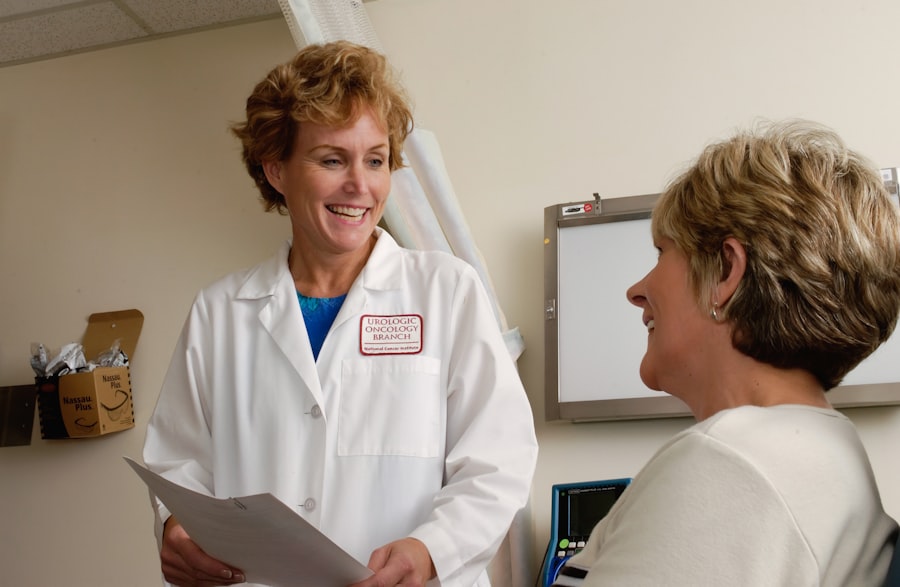
Before you can volunteer for a clinical trial, you must meet specific eligibility criteria. These criteria are carefully designed to ensure participant safety and the scientific integrity of the study.
Inclusion and Exclusion Criteria
Every clinical trial has a defined set of inclusion and exclusion criteria.
- Inclusion criteria: Describe the characteristics that prospective participants must possess to be eligible for the study. Examples might include age range, gender, general health status, or specific lifestyle factors.
- Exclusion criteria: Describe the characteristics that would prevent a prospective participant from being eligible. These often relate to pre-existing medical conditions, medication use, pregnancy, or participation in other clinical trials.
For healthy volunteer trials, exclusion criteria are particularly stringent to minimize confounding variables and ensure the participants are indeed healthy. For example, a trial might exclude individuals with a history of any chronic illness, those taking prescription medications (even for minor conditions), or those who smoke. These criteria act as a sieve, ensuring only the most appropriate candidates proceed.
Medical Screening Process
If you meet the initial self-assessment criteria, you will undergo a comprehensive medical screening process. This is not a casual check-up; it is a thorough evaluation to confirm your health status and eligibility.
- Medical history review: A detailed discussion of your past and present health conditions, family medical history, and any medications or supplements you are taking.
- Physical examination: A standard examination to assess your overall physical health.
- Laboratory tests: Blood tests (e.g., complete blood count, liver and kidney function, glucose levels), urine tests, and sometimes more specialized tests depending on the study.
- Diagnostic imaging: In some studies, imaging such as X-rays, MRIs, or ECGs might be required.
- Questionnaires: Surveys about lifestyle, diet, and mental health may be administered.
The screening process can take several hours or even multiple visits. It is designed to be rigorous. If you are found to have a condition or abnormality that was previously unknown, the study staff may inform you, but they are generally not an alternative to your primary healthcare provider.
The Informed Consent Process
Informed consent is a foundational ethical and legal principle in clinical research. Before any participation begins, you must be fully informed about the study and freely agree to participate.
What is Informed Consent?
Informed consent is not merely signing a form; it is a dynamic process of communication between the research team and the prospective participant. It ensures that you understand:
- The purpose of the study: Why is this research being done?
- The procedures involved: What will I be asked to do? What tests will be performed?
- Potential risks and discomforts: What might be the side effects? What are the physical or psychological discomforts?
- Potential benefits: Are there any direct benefits to me? (Often minimal for healthy volunteers, the primary benefit is contributing to science).
- Alternatives to participation: What are my other options if I don’t join this study?
- Confidentiality: How will my personal information be protected?
- Voluntary participation and right to withdraw: I can choose to leave the study at any time without penalty.
- Compensation: Will I be paid for my time and inconvenience?
- Contact information: Who can I contact if I have questions or concerns?
Your Rights as a Participant
As a participant in a clinical trial, you are afforded several important rights, protected by ethical guidelines and regulations (e.g., Declaration of Helsinki, FDA regulations).
- Right to ask questions: You should feel comfortable asking any question, no matter how minor it seems, throughout the study.
- Right to sufficient time: You should be given ample time to read the consent form and consider your decision without pressure.
- Right to anonymity and confidentiality: Your personal health information is protected and typically de-identified in analysis.
- Right to withdraw without penalty: You can withdraw from the study at any time, for any reason, without losing any benefits or receiving any penalty.
- Right to be informed of new information: If new risks or benefits are discovered during the trial, you must be informed.
- Right to compensation for injury: If you are injured as a direct result of participating in the trial, you have rights regarding compensation for medical care.
The informed consent form acts as a legal and ethical contract. Read it thoroughly, ask for clarification on any unclear points, and only sign if you are entirely comfortable and understand all aspects of the study.
Compensation and Considerations for Participation
| Metric | Value | Notes |
|---|---|---|
| Number of Active Trials | 12 | Currently recruiting healthy volunteers |
| Average Compensation | 500 – 1500 | Varies by trial duration and complexity |
| Trial Duration | 1 day to 3 months | Depends on study protocol |
| Common Trial Types | Pharmacokinetics, Vaccine Safety, Device Testing | Focus on safety and dosage |
| Age Range of Volunteers | 18 – 55 years | Healthy adults preferred |
| Location Radius | Within 50 miles | Based on user location |
| Screening Process | Medical history, physical exam, lab tests | Ensures volunteer eligibility |
| Number of Research Centers | 5 | Local hospitals and clinics |
Many healthy volunteer trials offer financial compensation for participants’ time, effort, and inconvenience. However, it is essential to approach this aspect with a realistic perspective and understand that participation carries responsibilities and potential implications beyond monetary gain.
Financial Compensation
Compensation varies widely depending on the study’s duration, complexity, invasiveness of procedures, and the time commitment required.
- Purpose: Compensation is typically for time, inconvenience, and expenses (e.g., travel) rather than for assuming risk. It is not considered wages, and certainly not a ‘payment for risk’ in the eyes of ethical review boards.
- Structure: Compensation might be paid out in installments throughout the study, at specific milestones, or in a lump sum upon completion. Understanding the payment schedule upfront is important.
- Tax implications: Compensation for clinical trial participation is generally considered taxable income. Participants should be aware of their local tax regulations and retain records for reporting purposes.
- Ethical considerations: Ethics committees (Institutional Review Boards or IRBs) review compensation amounts to ensure they are fair and do not unduly coerce individuals into participating. The compensation should be an incentive, not a determinant for someone to disregard potential risks.
Time Commitment
Participating in a clinical trial, particularly a healthy volunteer study, can often demand significant time.
- Screening appointments: As discussed, these can be lengthy.
- Study visits: These may include multiple outpatient visits, some lasting several hours for blood draws, examinations, or drug administration.
- Inpatient stays: Some trials, particularly early phase studies or those involving new powerful drugs, might require overnight or multi-day stays at the research facility for continuous monitoring.
- Follow-up appointments: Even after the primary intervention, follow-up visits might be required weeks or months later.
Consider your personal availability, work schedule, and family commitments when deciding to participate.
Potential Risks and Benefits
While healthy volunteer trials aim to minimize risk, no medical intervention is entirely without it.
- Minor discomforts: These are common and can include localized pain or bruising from blood draws, temporary side effects (e.g., headache, nausea) from the experimental drug, or discomfort from procedures (e.g., IV insertions).
- Serious adverse events: While rare in healthy volunteer trials, serious adverse events can occur. Comprehensive safety measures are in place to monitor and address these immediately. The informed consent form will detail known and potential serious risks.
- No direct medical benefit: For healthy volunteers, the primary benefit is contributing to scientific knowledge. There is typically no expectation of personal health improvement.
- Indirect benefits: Participants may receive a comprehensive medical check-up as part of the screening, which could identify previously unknown health issues. They also gain insight into the research process.
Lifestyle Restrictions
During your participation, you may need to adhere to specific lifestyle restrictions to ensure the integrity of the study results.
- Dietary restrictions: Avoiding certain foods, beverages (e.g., caffeine, alcohol), or supplements.
- Activity restrictions: Limiting strenuous exercise.
- Medication restrictions: Avoiding over-the-counter medications or herbal remedies, as these can interfere with the study drug.
- Substance use restrictions: No smoking, illicit drug use.
- Abstinence: In some cases, abstinence from sexual activity or use of specific contraception may be required.
Failing to adhere to these restrictions can lead to dismissal from the study and potentially loss of compensation.
In conclusion, becoming a healthy volunteer in a clinical trial is a significant decision. It involves an agreement to contribute to medical progress through your time and, to a limited extent, your physical involvement. By understanding the nature of these trials, how to find them, and what is expected of you, you can make an informed choice that aligns with both your personal values and the scientific endeavor. Your participation serves as a vital cog in the machinery of medical discovery, helping to lay the groundwork for future treatments and improvements in human health. Each step you take, from initial inquiry to final follow-up, helps to turn the abstract concept of scientific advancement into a tangible reality.
