
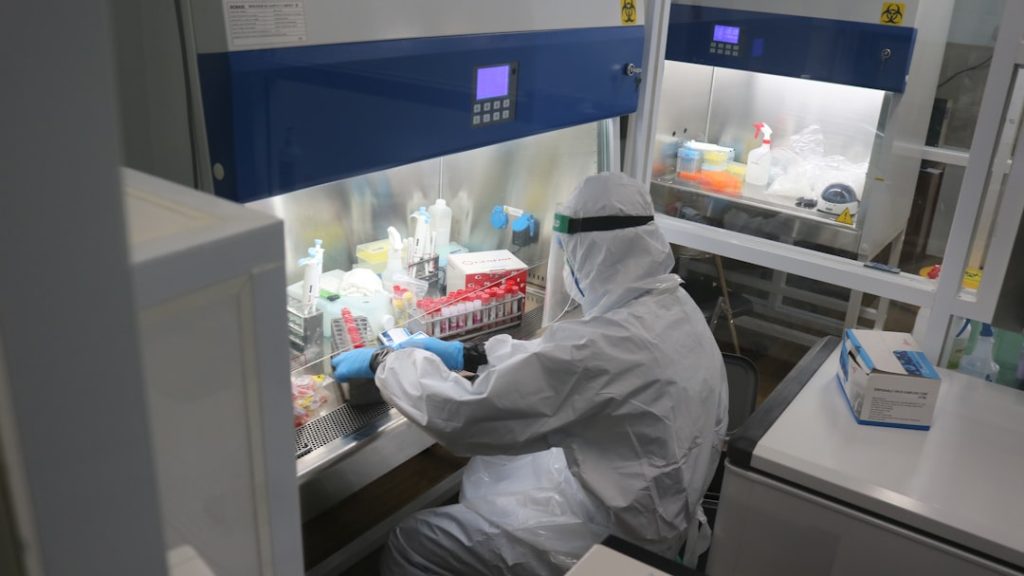
The phrase “Find Paid Research Trials Near Me” encapsulates a common desire to participate in clinical research, driven by various motivations ranging from financial compensation to charitable contribution. This article aims to demystify the process of locating and understanding paid research trials, providing a foundational overview for potential participants.
Clinical trials are research studies conducted with human volunteers to evaluate new medical interventions, therapies, or diagnostic methods. They are the bedrock of modern medicine, serving as the bridge between scientific discovery and widespread clinical practice. Without these trials, new treatments would remain unproven and unavailable.

Phases of Clinical Trials
Clinical trials typically progress through a series of phases, each designed to answer specific questions:

Phase 0: Exploratory Trials
These are short and involve a small number of healthy volunteers or patients. They focus on understanding how a new drug behaves in the human body, specifically its pharmacokinetics (what the body does to the drug) and pharmacodynamics (what the drug does to the body). The doses used are often sub-therapeutic, meaning they are too low to have a clinical effect, but high enough to show basic biological activity. This phase helps in making go/no-go decisions early in the drug development process, potentially saving time and resources.
Phase I: Safety and Dosage
Involving a small group of healthy volunteers (20-100), Phase I trials prioritize safety. Researchers determine the drug’s safe dosage range, identify potential side effects, and study how the drug is absorbed, metabolized, and excreted. This phase is crucial for ensuring that subsequent, larger trials can be conducted with an acceptable level of risk. The drug is typically given to participants in escalating doses under close medical supervision to find the maximum tolerated dose.
Phase II: Efficacy and Side Effects
These trials involve a larger group of patients (100-300) with the condition the drug is intended to treat. The primary goal is to evaluate the drug’s effectiveness and continue monitoring its safety. Researchers compare the new treatment to a placebo or an existing treatment. This phase often involves a randomized, controlled design, where participants are randomly assigned to receive either the experimental drug or the control, reducing bias in the results.
Phase III: Confirmation and Comparison
Phase III trials are large-scale studies involving hundreds to thousands of patients across multiple research sites. The aim is to confirm the drug’s effectiveness, monitor side effects, compare it to commonly used treatments, and collect information that will allow the drug to be used safely. Success in Phase III is generally required for regulatory approval (e.g., by the FDA in the US or EMA in Europe). These trials can last for several years and gather extensive data on long-term safety and efficacy.
Phase IV: Post-Marketing Studies
After a drug is approved and marketed, Phase IV trials continue to gather additional information about its optimal use, long-term risks, benefits, and effectiveness in diverse populations. These trials can identify rare side effects not detected in earlier phases due to the larger and more varied patient population exposed to the drug. They also allow for the study of new indications for the drug.
Ethical Considerations
Ethical guidelines are paramount in clinical research. Before any trial commences, it must be reviewed and approved by an Institutional Review Board (IRB) or Ethics Committee. This independent body evaluates the study protocol, informed consent forms, and participant recruitment materials to ensure that the rights and well-being of participants are protected. Informed consent is a cornerstone of ethical research; participants must fully understand the study’s purpose, procedures, potential risks, and benefits before agreeing to participate. They retain the right to withdraw from the study at any time without penalty.
Motivations for Participation
Individuals choose to participate in paid research trials for a variety of reasons, often a confluence of personal circumstances and altruistic impulses. Understanding these motivations can provide context for the growth of the clinical trial industry.
Financial Compensation
For many, the primary driver for seeking “Find Paid Research Trials Near Me” is financial. Research trials often offer monetary compensation for time, travel, and inconvenience. The compensation structure varies widely depending on the phase of the trial, its duration, the invasiveness of procedures, and the specific research institution. This financial incentive can be particularly attractive to individuals facing economic constraints or seeking supplemental income. It’s important to view this compensation not as a wage, but as reimbursement for their contribution to scientific progress.
Access to New Treatments
For individuals with specific medical conditions that have limited or ineffective treatment options, clinical trials can represent a beacon of hope. They offer early access to experimental therapies that are not yet available to the general public. While there’s no guarantee of benefit, the opportunity to receive a potentially life-changing treatment can be a powerful motivator. This is particularly true for patients with rare diseases or advanced stages of common illnesses.
Altruism and Contribution to Science
Many participants are driven by a desire to contribute to medical knowledge and help others. They understand that their participation plays a crucial role in advancing science and developing treatments that could benefit future generations. This altruistic motivation is a vital component of the clinical trial ecosystem, powering research efforts across a spectrum of diseases. The satisfaction of knowing one has contributed to a greater good can be a significant reward in itself.
Close Medical Monitoring
Participating in a clinical trial often involves frequent medical examinations, tests, and consultations. For some, particularly those with chronic conditions, this close medical monitoring can be an additional benefit. It provides an opportunity for regular health assessments and direct interaction with medical professionals, potentially leading to early detection of other health issues or insights into their existing condition.
Locating Paid Research Trials
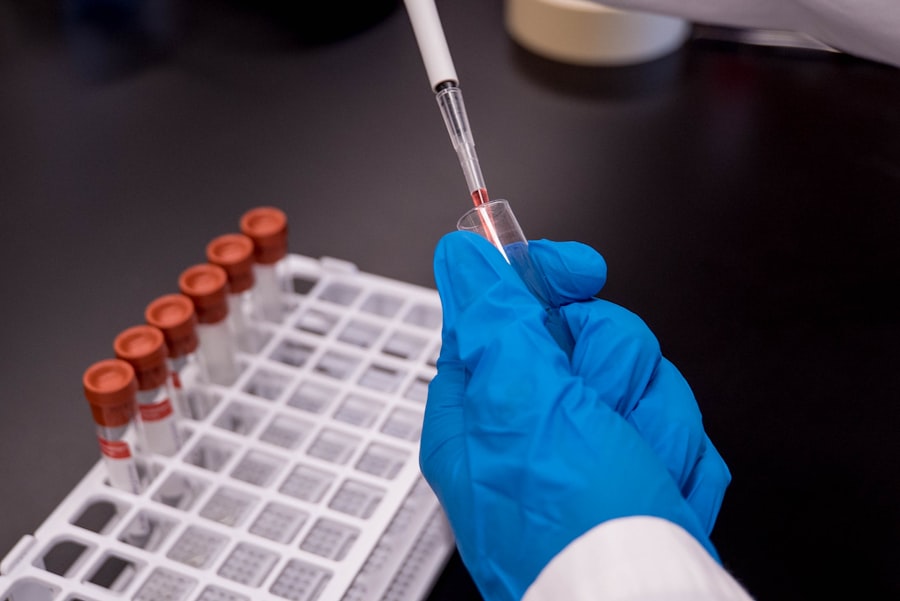
The search for “Find Paid Research Trials Near Me” can be approached through several channels. Each method has its advantages and disadvantages, and a comprehensive search may involve utilizing multiple resources.
Online Databases and Registries
The digital age has significantly streamlined the process of finding clinical trials. Several robust online databases serve as central repositories for trial information:
ClinicalTrials.gov
Sponsored by the U.S. National Library of Medicine, ClinicalTrials.gov is a comprehensive and publicly accessible database containing information on clinical studies conducted around the world. It allows users to search by condition, intervention, location, and other parameters. Each trial listing provides a detailed summary, eligibility criteria, contact information, and institutional details. This database is often the first stop for individuals seeking to participate in research.
World Health Organization (WHO) International Clinical Trials Registry Platform (ICTRP)
The WHO ICTRP is a global network of clinical trial registries aiming to ensure that a complete picture of research is publicly accessible. While it aggregates data from various national registries, including ClinicalTrials.gov, it offers a broader international scope for those looking beyond national borders.
EU Clinical Trials Register
For individuals in Europe, the EU Clinical Trials Register provides access to information on interventional clinical trials on medicines conducted in the European Union and the European Economic Area. It focuses specifically on drug trials approved through the European regulatory framework.
Research Institutions and Hospitals
Academic medical centers, university hospitals, and specialized research institutions are often at the forefront of clinical research.
University Medical Centers
Major universities with medical schools almost invariably conduct clinical trials. Their websites often feature dedicated sections outlining current research studies and how to participate. These centers frequently recruit for a wide range of conditions, from oncology to neurology.
Specialized Research Centers
Institutions dedicated to specific diseases or therapeutic areas (e.g., cancer research centers, cardiovascular institutes) are consistent sources of clinical trials relevant to their area of expertise. They often have established patient registries and outreach programs to identify potential participants.
Clinical Research Organizations (CROs)
CROs are companies that provide support to pharmaceutical, biotechnology, and medical device industries in the form of outsourced research services. Many CROs maintain their own databases of potential trial participants and actively recruit for various studies. They often run recruitment websites that function as portals for multiple ongoing trials.
Physician Referrals
Your primary care physician or a specialist involved in your care may be aware of ongoing clinical trials relevant to your health condition. They can offer insights into the suitability of a trial based on your medical history and provide referrals to investigators. This is a particularly valuable pathway, as your own doctor understands your health landscape.
Online Advertisements and Local Media
Researchers and CROs frequently advertise for trial participants through various channels:
Social Media
Targeted ads on platforms like Facebook, Instagram, and LinkedIn are becoming increasingly common for recruiting specific demographics or patient populations.
Local Newspapers and Radio
Traditional media outlets, particularly community newspapers, often carry advertisements for local clinical trials, especially for studies seeking a general healthy population or less-common conditions.
Dedicated Recruitment Websites
Many companies specialize in clinical trial recruitment and maintain websites that list trials by location, condition, and other filters. These sites often aggregate listings from multiple sources, simplifying the search process.
Eligibility and Application Process

Participating in a clinical trial is not a universal experience; specific criteria must be met, and a formal application process is always involved.
Inclusion and Exclusion Criteria
Every clinical trial has a precise set of inclusion and exclusion criteria. These are “the gates” through which potential participants must pass.
Inclusion Criteria
These are the characteristics a participant must possess to be eligible for a study. Examples include specific age ranges, diagnosis of a particular disease, certain laboratory test results, or prior treatment history. If a trial is testing a new diabetes drug, for instance, an inclusion criterion would be a confirmed diagnosis of diabetes.
Exclusion Criteria
These are the characteristics that would prevent an individual from participating, even if they meet the inclusion criteria. Examples include pregnancy, certain co-existing medical conditions, use of specific medications, or a history of allergic reactions to similar drugs. Exclusion criteria are critical for patient safety and to ensure the study results are not confounded by other factors. Understanding these criteria is the first step in self-screening.
Initial Screening
After identifying a potentially suitable trial, the initial step is often a pre-screening questionnaire or phone interview. This brief assessment determines if your basic characteristics align with the trial’s inclusion/exclusion criteria. It’s a rapid initial filter before committing to more detailed evaluations. You might be asked about your age, general health, any medications you are taking, and your current medical conditions.
Informed Consent Process
As a cornerstone of ethical research, informed consent is mandatory. You will meet with a member of the research team who will explain the study in detail. This includes:
- Purpose: Why the study is being conducted.
- Procedures: What you will be asked to do, including clinic visits, tests, and interventions.
- Duration: How long your participation is expected to last.
- Risks: Potential side effects, discomforts, or unforeseen harms. These are articulated clearly, even if they seem unlikely.
- Benefits: Potential advantages, both direct (to you) and indirect (to future patients and science).
- Alternatives: Other treatment options available to you outside the trial.
- Confidentiality: How your personal and medical information will be protected.
- Right to Withdraw: Your absolute right to leave the study at any time without penalty or impact on your standard medical care.
You will be given ample time to read the informed consent form, ask questions, and have those questions answered to your satisfaction. You should not sign the form until you feel completely informed and comfortable with your decision.
Medical Evaluation and Final Screening
If you pass the initial screening and sign the informed consent, you will undergo a comprehensive medical evaluation. This may involve:
- Physical examination: A thorough check-up by a doctor.
- Blood and urine tests: To assess your overall health, organ function, and specific biomarkers.
- Imaging tests: Such as X-rays, MRIs, or CT scans, if relevant to the study.
- Electrocardiogram (ECG): To check heart function.
This evaluation is the final gate, confirming your eligibility based on objective medical data. Only after this comprehensive assessment, and if you meet all criteria, will you be enrolled in the trial.
Considerations and Potential Risks
| Trial Name | Location | Compensation | Duration | Eligibility | Contact |
|---|---|---|---|---|---|
| Diabetes Medication Study | New York, NY | Up to 1500 | 3 months | Adults 18-65 with Type 2 Diabetes | researchny@example.com |
| Sleep Disorder Trial | Chicago, IL | Up to 1200 | 6 weeks | Adults 21-60 with diagnosed sleep apnea | sleepstudychi@example.com |
| Allergy Treatment Research | Los Angeles, CA | Up to 1000 | 2 months | Adults 18-50 with seasonal allergies | allergytrialla@example.com |
| Hypertension Drug Study | Houston, TX | Up to 1300 | 4 months | Adults 30-70 with high blood pressure | htnresearchhou@example.com |
| Weight Loss Clinical Trial | Miami, FL | Up to 1100 | 3 months | Adults 18-55 with BMI over 30 | weightlossmiami@example.com |
While participating in paid research trials can offer benefits, it is crucial to approach them with a realistic understanding of potential drawbacks and risks. As with any medical intervention, a degree of uncertainty is inherent.
Potential Side Effects
The primary risk in any clinical trial, particularly in earlier phases, is the possibility of experiencing side effects from the experimental intervention. These can range from mild (e.g., headache, nausea at an injection site) to severe (e.g., allergic reactions, organ damage). The informed consent process will detail known and anticipated side effects. However, since the intervention is experimental, unexpected side effects can occur. It is vital to report any symptoms experienced during the trial to the research team immediately.
Inconvenience and Time Commitment
Clinical trials often require a significant investment of your time. This can include:
- Frequent clinic visits: Some trials necessitate multiple visits a week or month, each lasting several hours.
- Specific procedures: These might involve blood draws, physical exams, imaging scans, or even study drug administration that must occur at the research site.
- Dietary restrictions or activity limitations: Certain trials may impose lifestyle changes to ensure the integrity of the study data.
- Travel: Depending on your location and the research site, travel to and from the facility can be time-consuming and costly, though some compensation might account for travel.
These demands should be carefully weighed against your personal schedule and commitments.
Placebo Effect and Blinding
Many clinical trials, especially in Phases II and III, are designed with a control group that receives a placebo (an inactive substance that looks like the study drug) or a standard treatment. Furthermore, trials are often “blinded,” meaning participants (single-blind) or both participants and researchers (double-blind) do not know who is receiving the experimental treatment and who is receiving the placebo/standard treatment.
- No guarantee of active treatment: If you are in the placebo group, you will not receive the experimental treatment. This can be disappointing if your primary motivation was access to a new therapy.
- Psychological impact: The placebo effect can create a perceived improvement even in the absence of active treatment. Conversely, knowledge of being in a placebo group might be disheartening.
- Ethical considerations: Researchers strive to only use placebos when justified and when participants will not be deprived of essential medical care.
Confidentiality Concerns
While research teams are legally and ethically obligated to protect your privacy and the confidentiality of your medical information, no system is entirely foolproof. Data breaches, though rare, are a possibility. The informed consent form will detail how your data will be managed and protected, including anonymization techniques. It is important to understand these measures.
No Guaranteed Benefit
Participation in a clinical trial offers no guarantee of personal benefit. The experimental treatment may prove ineffective, cause adverse effects, or simply not be superior to existing therapies. Even if the treatment is ultimately successful for the larger population, it may not work for you as an individual. Participants should enter trials with realistic expectations, understanding that their role is primarily to contribute to scientific knowledge, and any personal benefit is secondary and not assured.
By carefully considering these aspects, potential participants can make informed decisions about whether a paid research trial aligns with their personal circumstances and comfort levels. The journey through clinical trials is a collaboration between science and human willingness, a complex but essential partnership in the advancement of medicine.
