

Clinical research trials are systematic investigations designed to evaluate the safety and efficacy of new medical interventions, including drugs, devices, and treatment protocols. These trials are essential for advancing medical knowledge and improving patient care. They typically follow a structured process, often divided into phases, each with specific objectives and methodologies.
Phase I trials primarily focus on assessing safety and determining the appropriate dosage of a new treatment in a small group of participants. Phase II trials expand the participant pool to evaluate the treatment’s effectiveness and further assess its safety. Phase III trials involve larger populations and are crucial for comparing the new treatment against standard therapies.

Finally, Phase IV trials occur after a treatment has been approved, monitoring its long-term effects in the general population. The design of clinical trials is governed by strict regulatory guidelines to ensure participant safety and data integrity. Institutional Review Boards (IRBs) oversee the ethical aspects of these studies, ensuring that participants are fully informed about the risks and benefits before consenting to participate.
The rigorous nature of clinical trials means that they are not only vital for developing new therapies but also for understanding how existing treatments can be improved. By participating in these trials, individuals contribute to a body of knowledge that can lead to breakthroughs in medical science, ultimately benefiting future patients.
Key Takeaways
- Clinical research trials are essential for developing new medical treatments and improving patient care.
- Participating in trials can provide access to cutting-edge therapies and contribute to medical advancements.
- It’s important to research and locate nearby clinical trials that match your health condition and eligibility.
- Consider factors like potential risks, benefits, and time commitment before enrolling in a trial.
- Asking informed questions and understanding the trial process helps ensure a safe and positive participation experience.

Benefits of Participating in Clinical Research Trials
Participating in clinical research trials offers numerous benefits to individuals, particularly those with specific health conditions or those seeking alternative treatment options. One of the most significant advantages is access to cutting-edge therapies that may not yet be available to the general public. Participants often receive treatments that are at the forefront of medical innovation, which can be particularly appealing for patients with chronic or life-threatening conditions who have exhausted conventional treatment options.
This access can provide hope and potentially improve their quality of life. Moreover, participants in clinical trials often receive comprehensive medical care throughout the study period. This includes regular health assessments, monitoring, and follow-up visits, which can lead to early detection of complications or progression of disease.
Additionally, many trials offer financial compensation for time and travel expenses, alleviating some of the burdens associated with participation. Beyond personal benefits, participants play a crucial role in advancing medical research, contributing to the development of new therapies that can help countless others in the future.
How to Find Clinical Research Trials Near Me

Finding clinical research trials in your vicinity can be a straightforward process if you know where to look. One of the most effective ways is to consult with your healthcare provider, who may have knowledge of ongoing studies relevant to your condition. Physicians often collaborate with research institutions and may be able to refer you to appropriate trials.
Additionally, many hospitals and academic medical centers have dedicated research departments that can provide information about current studies. Online resources also play a pivotal role in locating clinical trials. Websites such as ClinicalTrials.gov offer a comprehensive database of registered studies worldwide, allowing users to search by location, condition, or intervention type.
This platform provides detailed information about each trial, including eligibility criteria, study phases, and contact information for researchers. Other organizations, such as the World Health Organization (WHO) and various patient advocacy groups, maintain lists of ongoing clinical trials that can be filtered by geographic area and health condition. Utilizing these resources can empower individuals to take an active role in their healthcare decisions.
Factors to Consider Before Participating in a Clinical Research Trial
Before enrolling in a clinical research trial, it is essential to consider several factors that may impact your decision. One critical aspect is understanding the eligibility criteria for the trial. Each study has specific requirements regarding age, health status, and previous treatments that must be met for participation.
It is vital to assess whether you fit these criteria and how they align with your current health situation. Additionally, consider the potential risks involved in participating in the trial, as some treatments may have unknown side effects or may not be effective. Another important factor is the commitment required for participation.
Clinical trials often involve multiple visits to research sites over an extended period, which can be time-consuming and may require adjustments to your daily routine. It is essential to evaluate whether you can commit to this schedule without compromising other aspects of your life. Furthermore, consider the potential impact on your existing treatment plan; participating in a trial may require you to discontinue current medications or therapies temporarily.
Engaging in open discussions with your healthcare provider can help clarify these considerations and guide you toward an informed decision.
What to Expect When Participating in a Clinical Research Trial
| Trial Name | Condition | Location | Phase | Enrollment Status | Estimated Completion |
|---|---|---|---|---|---|
| Study of New Diabetes Medication | Type 2 Diabetes | New York, NY | Phase 3 | Recruiting | December 2024 |
| COVID-19 Vaccine Booster Trial | COVID-19 | Chicago, IL | Phase 2 | Recruiting | August 2024 |
| Alzheimer’s Disease Drug Study | Alzheimer’s Disease | San Francisco, CA | Phase 1 | Not Recruiting | March 2025 |
| Asthma Treatment Evaluation | Asthma | Houston, TX | Phase 4 | Recruiting | November 2024 |
| Breast Cancer Immunotherapy Trial | Breast Cancer | Boston, MA | Phase 2 | Recruiting | January 2025 |
When you decide to participate in a clinical research trial, you can expect a structured process that begins with an informed consent discussion. This conversation will cover the study’s purpose, procedures, potential risks and benefits, and your rights as a participant. It is crucial to ask questions during this phase to ensure you fully understand what participation entails.
Once consent is obtained, you will undergo screening assessments to determine your eligibility for the trial. Throughout the trial, participants will typically have regular check-ins with study coordinators or healthcare professionals who monitor their health and response to the treatment being tested. Depending on the trial’s design, you may receive either the experimental treatment or a placebo, which is an inactive substance used for comparison purposes.
Participants are often required to keep detailed records of their experiences and any side effects they encounter during the study period. This data is invaluable for researchers as it helps them assess the treatment’s safety and efficacy.
Questions to Ask Before Joining a Clinical Research Trial
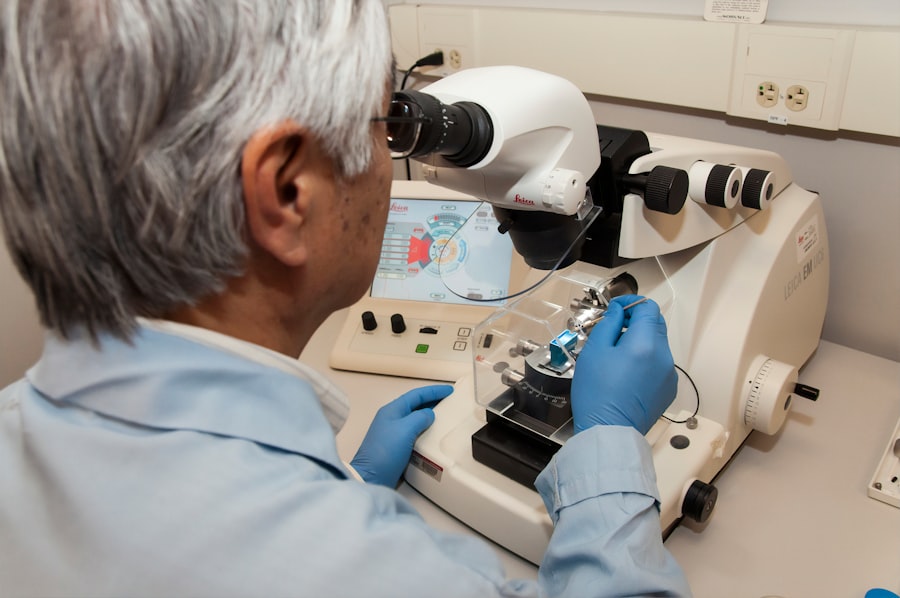
Before committing to a clinical research trial, it is essential to ask pertinent questions that will help clarify your understanding of the study and its implications for your health. Start by inquiring about the trial’s purpose: What specific questions is the research aiming to answer? Understanding the goals of the study can provide insight into its relevance to your condition.
Additionally, ask about the treatment being tested: What is it? How does it work? What are its known side effects?
It is also important to discuss what participation will entail on your part. How long will the trial last? What kind of visits will be required?
Will there be any costs associated with participation? Clarifying these logistical details can help you assess whether you can realistically commit to the study without disrupting your daily life. Furthermore, inquire about your rights as a participant: Can you withdraw from the study at any time?
What happens if you experience adverse effects? Having clear answers to these questions will empower you to make an informed decision about joining a clinical trial.
The Importance of Diversity in Clinical Research Trials
Diversity in clinical research trials is crucial for ensuring that findings are applicable across different populations. Historically, many clinical studies have underrepresented minority groups, women, and older adults, leading to gaps in knowledge about how various treatments affect these populations differently. For instance, certain medications may have varying efficacy or side effects based on genetic factors that differ among ethnic groups.
By including diverse participants in clinical trials, researchers can gain insights into these variations and develop more effective treatments tailored to specific demographics. Moreover, diverse representation in clinical trials fosters trust within communities that have historically been marginalized or exploited in medical research. Engaging these populations not only enhances the quality of data collected but also encourages broader participation in future studies.
Efforts are being made by regulatory agencies and research institutions to promote inclusivity by implementing strategies such as community outreach programs and partnerships with local organizations that serve underrepresented groups. This shift towards diversity is essential for advancing equitable healthcare solutions that benefit all segments of society.
Resources for Finding Clinical Research Trials Near Me
Several resources are available for individuals seeking clinical research trials near them. As previously mentioned, ClinicalTrials.gov serves as a comprehensive database where users can search for studies based on location and health conditions. This platform provides detailed information about each trial’s objectives, eligibility criteria, and contact details for researchers.
In addition to online databases, local hospitals and academic medical centers often have dedicated research departments that can assist individuals in finding relevant trials. Many institutions maintain their own websites listing ongoing studies and may offer informational sessions or consultations for interested participants. Furthermore, patient advocacy organizations related to specific diseases frequently provide resources and support for individuals looking for clinical trial opportunities.
Social media platforms and online forums can also serve as valuable tools for connecting with others who have participated in clinical trials or are currently seeking opportunities. These platforms allow individuals to share experiences, ask questions, and receive guidance from peers who have navigated similar paths. By leveraging these resources effectively, individuals can enhance their understanding of available clinical research trials and make informed decisions about participation.
