

Navigating the landscape of clinical trials can be a daunting prospect for individuals seeking innovative treatment options or contributing to medical research. This guide aims to demystify the process of locating clinical trial sites, providing practical strategies and resources for readers. Finding a suitable trial involves understanding personal health needs, medical history, and the specific requirements of available studies. The search often requires a methodical approach, much like charting a course through unfamiliar territory.
Clinical trials are research studies conducted with human volunteers to evaluate new medical interventions, such as drugs, devices, biological products, or other treatments. They are a critical step in the development process, preceding regulatory approval and widespread medical use. Participants in these trials play a vital role in advancing medical knowledge and improving public health.
Phases of Clinical Trials

Clinical trials typically proceed through several distinct phases, each with a specific objective:
- Phase 0 (Exploratory Studies): These are small, initial studies in humans, often involving very small doses of a drug, to understand how it affects the body and how the body affects the drug. The focus is on pharmacology and pharmacodynamics rather than efficacy.
- Phase 1 (Safety and Dosage): These studies involve a small group of healthy volunteers or patients with the condition. The primary goal is to assess the safety of the new treatment, determine a safe dosage range, and identify potential side effects.
- Phase 2 (Efficacy and Further Safety): Involving a larger group of patients with the condition, Phase 2 trials evaluate the effectiveness of the treatment and continue to monitor safety. They aim to determine if the treatment shows promise for the target condition.
- Phase 3 (Confirmation and Comparison): These are large-scale studies that compare the new treatment with existing standard treatments or a placebo. They confirm the effectiveness, monitor side effects, and gather information that allows the treatment to be used safely. Successful completion of Phase 3 is typically required for regulatory approval.
- Phase 4 (Post-Marketing Surveillance): Conducted after a treatment has been approved and marketed, Phase 4 trials monitor the treatment’s long-term effects, optimal use, and safety in a broader population.
Reasons for Participation
Individuals choose to participate in clinical trials for various reasons:
- Access to New Treatments: Early access to experimental treatments not yet widely available.
- Contribution to Medical Science: Playing a direct role in advancing medical knowledge and potentially helping future patients.
- Expert Medical Care: Receiving regular medical attention and monitoring from a research team.
- Financial Compensation (in some cases): Some trials may offer reimbursement for time, travel, or other expenses.
Initiating Your Search

The process of finding a clinical trial site near you begins with a clear understanding of your medical condition and treatment goals. It is analogous to setting a destination before embarking on a journey.
Consulting Your Healthcare Provider
Your primary care physician or specialist is often the first and most critical resource in identifying potential clinical trials. They possess an intimate knowledge of your medical history, current health status, and the most relevant research areas for your condition.
- Specialist Knowledge: A specialist in your particular disease area is likely to be aware of ongoing research, specific trial opportunities, or even participate in research studies themselves.
- Referral to Research Centers: Healthcare providers can often refer patients to academic medical centers, research institutions, or dedicated clinical trial units within their network.
- Personalized Guidance: They can help evaluate if a trial aligns with your individual health needs and risk tolerance.
Utilizing Online Databases
Numerous online databases serve as comprehensive repositories for information on ongoing clinical trials globally and nationally. These platforms act as a digital library, cataloging research studies and their recruitment status.
- ClinicalTrials.gov: Operated by the U.S. National Library of Medicine, this is one of the largest and most widely used databases. It provides information on studies conducted worldwide, including study protocols, eligibility criteria, and contact information. Users can search by condition, location, sponsor, or other parameters.
- WHO International Clinical Trials Registry Platform (ICTRP): This portal aims to ensure that a complete picture of all clinical trials is accessible publicly. It provides a central search portal for trial registries around the world.
- Disease-Specific Organizations: Many non-profit organizations dedicated to specific diseases (e.g., American Cancer Society, Parkinson’s Foundation) maintain their own lists of ongoing trials relevant to their patient population. These lists often categorize trials by stage, type, and location, streamlining the search for specific conditions.
- Pharmaceutical Company Websites: Large pharmaceutical companies and biotechnology firms often list the clinical trials they are sponsoring directly on their corporate websites. This can be a direct route if you are looking for trials related to specific investigational drugs from a particular manufacturer.
Narrowing Down Your Options
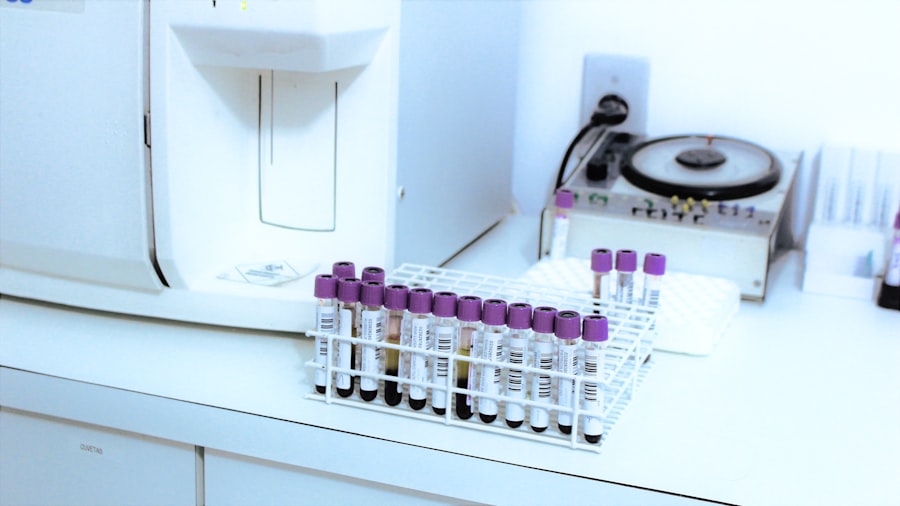
Once you have identified potential trials, the next step involves a detailed evaluation to ensure a good fit. This stage is akin to sifting through a large haul to find the most valuable components.
Understanding Eligibility Criteria
Every clinical trial has strict eligibility criteria, which are specific requirements that participants must meet to join the study. These criteria are designed to protect participants and ensure the study results are reliable.
- Inclusion Criteria: These are the factors that allow someone to participate in a clinical trial. Examples include age range, diagnosis type, previous treatment history, and specific lab test results.
- Exclusion Criteria: These are factors that prevent someone from participating. Examples include certain co-existing medical conditions, pregnancy, or use of specific medications.
- Careful Review: It is imperative to carefully review both inclusion and exclusion criteria. Misinterpreting these can lead to wasted time for both the potential participant and the research staff.
Geographical Considerations
“Near me” can mean different things to different people, depending on their mobility, the frequency of required visits, and available transportation.
- Commute Time: Evaluate the feasibility of regularly traveling to the trial site. Consider traffic, public transportation options, and the time commitment involved.
- Travel and Accommodation Support: Some trials, particularly for rare diseases or highly specialized treatments, may offer financial support for travel and accommodation if the site is not local. This is not universal and must be clarified with the trial coordinator.
- Remote Elements: The rise of decentralized clinical trials (DCTs) means some studies incorporate remote monitoring, telehealth visits, and at-home procedures. This can significantly reduce the need for on-site visits and expand the geographical reach of participation. Inquire whether a trial offers such elements.
Research Site Reputation and Expertise
The institution conducting the trial, and the research team managing it, are crucial factors. A reputable site with an experienced team can directly correlate with the quality of care and the integrity of the research.
- Academic Medical Centers: These institutions are often at the forefront of medical research and typically have well-established clinical trial programs. They are often affiliated with universities and have a strong emphasis on research alongside patient care.
- Dedicated Research Facilities: Some independent facilities specialize solely in conducting clinical trials. These can also be excellent options, though it’s important to verify their accreditation and track record.
- Principal Investigator (PI): The PI is the lead researcher responsible for the study. Information about the PI and their professional background, including publications and experience, can often be found online or through the research site.
- Accreditation and Regulatory Oversight: Ensure the research site adheres to ethical guidelines and regulatory requirements (e.g., FDA in the U.S.). This ensures patient safety and data integrity.
Contacting Research Sites

Once you’ve identified a few promising trials, the next logical step is to make direct contact. This is your opportunity to gather more specific details and express your interest.
Initial Inquiry
The first point of contact is usually with a clinical trial coordinator or a research nurse. Their role is to provide detailed information and answer preliminary questions.
- Prepare Questions: Before contacting, prepare a list of questions. These might include: How many visits are required? What is the duration of the trial? What are the potential side effects? Is there compensation for participation or travel?
- Be Prepared to Disclose Information: You will likely be asked about your medical condition, current medications, and potentially some basic demographic information to screen for initial eligibility.
- Clarify Misconceptions: This is the opportunity to clarify any aspects of the initial trial information that were unclear or seemed contradictory.
The Informed Consent Process
Before enrolling in any clinical trial, participants undergo an informed consent process. This is a fundamental ethical and legal requirement.
- Information Document: You will receive a detailed document explaining the trial’s purpose, duration, procedures, potential risks and benefits, alternatives, and your rights as a participant. It is crucial to read this document thoroughly.
- Discussion with Research Team: A member of the research team will explain the consent form, answer your questions, and ensure you understand all aspects of the trial before you sign. This discussion should be comprehensive and provide ample time for deliberation.
- Voluntary Participation: Emphasize that participation is entirely voluntary, and you can withdraw at any time without penalty or affecting your standard medical care.
- Opportunity for Questions: Do not hesitate to ask as many questions as necessary to feel comfortable and fully informed. This is your right as a potential participant.
Post-Contact Evaluation
| Site Name | Location | Number of Trials | Specialties | Contact | Distance (miles) |
|---|---|---|---|---|---|
| City Health Research Center | 123 Main St, Springfield | 15 | Cardiology, Oncology | (555) 123-4567 | 2.5 |
| Springfield Clinical Trials | 456 Elm St, Springfield | 10 | Neurology, Endocrinology | (555) 987-6543 | 3.1 |
| Metro Medical Research | 789 Oak Ave, Springfield | 20 | Immunology, Infectious Diseases | (555) 555-1212 | 4.0 |
| HealthFirst Clinical Site | 321 Pine Rd, Springfield | 8 | Gastroenterology, Rheumatology | (555) 222-3344 | 5.2 |
| Northside Research Institute | 654 Maple St, Springfield | 12 | Dermatology, Psychiatry | (555) 333-7788 | 6.0 |
After initial contact and information gathering, a period of careful consideration is warranted. This final assessment is much like checking the integrity of your compass once you’ve set your course.
Weighing Risks and Benefits
Participation in a clinical trial invariably involves a balance of potential benefits against inherent risks. This personal assessment is crucial.
- Potential Benefits: These may include access to cutting-edge treatments, close medical monitoring, and the satisfaction of contributing to medical science.
- Potential Risks: Risks can range from mild side effects to serious adverse events. The investigational nature of the treatment means that all potential risks may not yet be fully known.
- Time Commitment: Clinical trials can require significant time commitments for visits, procedures, and data collection. Evaluate if your schedule can accommodate these demands.
- Financial Implications: While some trials offer compensation, others may not. Consider potential out-of-pocket expenses for travel, time off work, or ancillary medical costs that may not be covered. Clarify what is covered by the trial sponsor versus what remains your responsibility or your insurance’s responsibility.
Discussing with Loved Ones and Other Professionals
Making an informed decision about clinical trial participation is often not a solitary endeavor.
- Family and Friends: Discussing your options with trusted family members or friends can provide valuable perspective and emotional support. They may also be involved in assisting with travel or other logistical aspects.
- Another Medical Opinion: If you have concerns or wish for further clarification, obtaining a second medical opinion from a healthcare provider not involved in the trial can be beneficial. This ensures an unbiased assessment of the trial’s suitability for your condition.
- Patient Advocates: Some organizations offer patient advocacy services that can help individuals navigate the complexities of clinical trials, understand their rights, and interpret medical jargon.
Finding a clinical trial site near you requires diligence and a structured approach. By leveraging available resources, engaging with healthcare professionals, and thoroughly evaluating potential studies, individuals can make informed decisions that align with their health goals and personal circumstances.
