

Clinical trials are systematic investigations designed to evaluate the safety and efficacy of new medical interventions, including drugs, devices, and treatment protocols. These trials are essential for advancing medical knowledge and improving patient care. They typically follow a structured process, often divided into phases, each with specific objectives.
Phase I trials primarily focus on assessing safety and determining the appropriate dosage of a new treatment in a small group of participants. Phase II trials expand the participant pool to evaluate the treatment’s effectiveness and further assess its safety. Phase III trials involve larger populations and are crucial for comparing the new treatment against standard therapies, ultimately leading to regulatory approval if successful.

The design of clinical trials is governed by strict protocols that ensure scientific rigor and ethical standards. Participants are often required to meet specific inclusion and exclusion criteria, which help researchers identify suitable candidates for the study. Informed consent is a critical component of clinical trials, ensuring that participants understand the nature of the study, potential risks, and their rights.
This process fosters transparency and trust between researchers and participants, which is vital for the integrity of the trial. The results of clinical trials contribute significantly to medical literature, influencing treatment guidelines and shaping future research directions.
Key Takeaways
- Clinical trials are essential for developing new medical treatments and require informed participation.
- Researching local clinical trials involves using online databases and consulting healthcare providers.
- Eligibility criteria vary, so understanding qualification requirements is crucial before enrolling.
- Selecting the right trial depends on personal health needs, potential benefits, and risks.
- Support systems and clear communication enhance the clinical trial experience and outcomes.

Researching Clinical Trials Near Me
Finding clinical trials in your vicinity can be a straightforward process if you know where to look. Numerous online databases and resources are available to help individuals locate trials based on their location, medical condition, and other relevant factors. Websites such as ClinicalTrials.gov provide comprehensive listings of ongoing studies across various medical fields.
Users can filter results by location, phase of the trial, and specific health conditions, making it easier to find suitable options nearby. Additionally, many hospitals and research institutions maintain their own databases of clinical trials, often featuring studies that may not be listed on larger platforms. Local healthcare providers can also be invaluable resources in this search.
Physicians often have knowledge of ongoing clinical trials relevant to their patients’ conditions and can provide referrals or recommendations. Engaging with patient advocacy groups related to specific diseases can also yield information about clinical trials. These organizations frequently collaborate with researchers and may have insights into upcoming studies or ongoing trials that could benefit patients.
By leveraging these resources, individuals can effectively navigate the landscape of clinical trials available in their area.
Qualifying for Clinical Trials
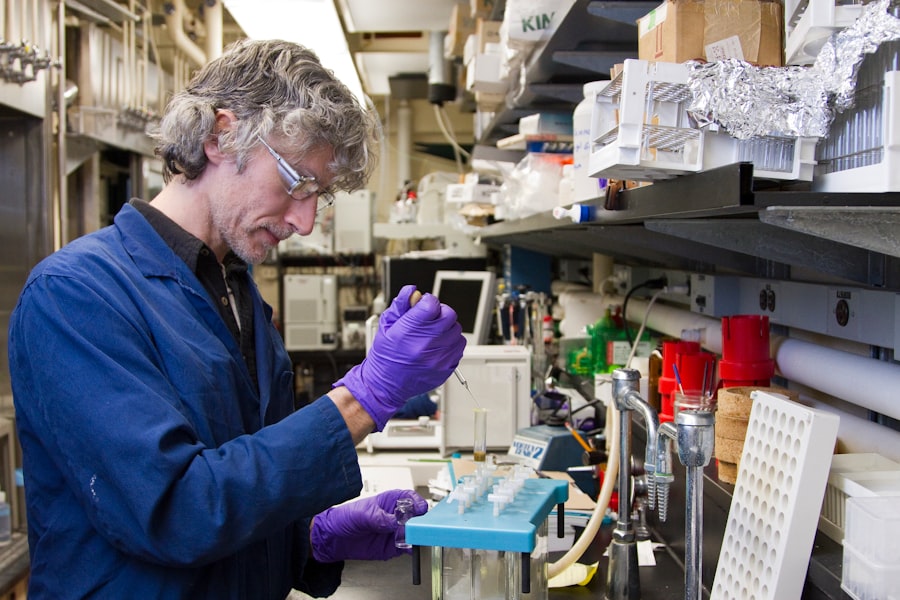
Qualifying for a clinical trial involves meeting specific criteria set forth by the researchers conducting the study. These criteria are designed to ensure that participants are appropriate for the trial’s objectives and that the results will be valid and applicable to the broader population. Inclusion criteria may include factors such as age, gender, type and stage of disease, previous treatment history, and overall health status.
Conversely, exclusion criteria may rule out individuals with certain comorbidities or those who have previously participated in similar studies. The qualification process often begins with a thorough screening assessment, which may include medical history reviews, physical examinations, and laboratory tests. This assessment helps researchers determine whether potential participants meet the necessary criteria.
It is essential for individuals considering participation in a clinical trial to communicate openly with their healthcare providers about their medical history and any concerns they may have. Understanding these qualifications not only helps streamline the enrollment process but also ensures that participants are well-informed about what is expected of them throughout the trial.
Choosing the Right Clinical Trial
Selecting the right clinical trial is a critical decision that can significantly impact an individual’s health journey. Factors to consider include the trial’s purpose, the type of intervention being tested, potential benefits, and risks involved. It is essential to evaluate how closely the trial aligns with one’s health needs and treatment goals.
For instance, a patient with a specific type of cancer may seek trials focused on novel therapies targeting that cancer type rather than broader studies that may not address their unique situation. Additionally, understanding the trial’s location, duration, and commitment required is vital for making an informed choice. Some trials may necessitate frequent visits to a research facility or require participants to adhere to strict protocols regarding medication intake or lifestyle changes.
It is also beneficial to consider the reputation of the institution conducting the trial and the experience of the research team involved. Engaging in discussions with healthcare providers can provide valuable insights into which trials may be most appropriate based on individual circumstances.
Participating in a Clinical Trial
| Lab Name | Location | Trial Types | Success Rate (%) | Average Enrollment Time (days) | Contact |
|---|---|---|---|---|---|
| Precision Clinical Labs | New York, NY | Cardiology, Oncology, Neurology | 92 | 30 | (212) 555-1234 |
| HealthFirst Research Center | Chicago, IL | Diabetes, Immunology, Infectious Diseases | 89 | 28 | (312) 555-5678 |
| Advanced Clinical Trials Lab | San Francisco, CA | Neurology, Psychiatry, Oncology | 94 | 25 | (415) 555-9012 |
| Metro Clinical Research | Houston, TX | Cardiology, Endocrinology, Rheumatology | 90 | 32 | (713) 555-3456 |
| NextGen Trials Lab | Seattle, WA | Oncology, Immunology, Infectious Diseases | 91 | 27 | (206) 555-7890 |
Participation in a clinical trial can be a transformative experience for many individuals. Once enrolled, participants typically undergo regular assessments to monitor their health and response to the intervention being tested. These assessments may include physical examinations, laboratory tests, imaging studies, and questionnaires about quality of life and symptoms.
The frequency and type of assessments depend on the trial’s design and objectives. Throughout the trial, participants are encouraged to maintain open communication with the research team regarding any side effects or concerns they may experience. This feedback is crucial for researchers as it helps them understand how well the intervention is working and whether any adjustments need to be made to ensure participant safety.
Moreover, participants often find a sense of community among fellow trial participants who share similar health challenges, fostering support networks that can enhance their overall experience during this journey.
Benefits and Risks of Clinical Trials

Engaging in clinical trials presents both potential benefits and risks that individuals must carefully weigh before deciding to participate. One significant advantage is access to cutting-edge treatments that may not yet be available through standard care options. Participants may receive innovative therapies that could lead to improved health outcomes or even remission from chronic conditions.
Additionally, involvement in clinical trials contributes to advancing medical knowledge, potentially benefiting future patients facing similar health challenges. However, there are inherent risks associated with clinical trial participation. Experimental treatments may lead to unforeseen side effects or complications that are not fully understood at the outset of the study.
Participants must be aware that they might receive a placebo instead of an active treatment, which could impact their health outcomes during the trial period. It is crucial for individuals to discuss these risks with their healthcare providers and weigh them against potential benefits before making an informed decision about participation.
Finding Support During a Clinical Trial
Support during a clinical trial is essential for participants as they navigate the complexities of experimental treatments and assessments. Many research institutions offer resources such as counseling services, support groups, and educational materials designed to help participants cope with the emotional and psychological aspects of being part of a trial. These resources can provide valuable information about managing side effects, understanding treatment protocols, and connecting with others who share similar experiences.
In addition to institutional support, family members and friends play a vital role in providing emotional encouragement throughout the trial process. Open communication with loved ones about experiences in the trial can foster understanding and create a supportive environment for participants. Many individuals also find solace in online communities or forums where they can share their experiences with others undergoing similar treatments or participating in clinical trials for comparable conditions.
The Future of Clinical Trials
The landscape of clinical trials is evolving rapidly due to advancements in technology and changes in regulatory frameworks. Innovations such as telemedicine have made it easier for participants to engage in trials without needing frequent visits to research sites. Remote monitoring technologies allow researchers to collect data on participants’ health status from home, enhancing convenience while maintaining rigorous data collection standards.
Moreover, there is a growing emphasis on patient-centric approaches in clinical trial design. Researchers are increasingly involving patients in the planning stages of trials to ensure that studies address real-world needs and preferences. This shift aims to improve recruitment rates and retention while enhancing participant satisfaction throughout the trial process.
As personalized medicine continues to gain traction, future clinical trials may focus more on tailoring interventions based on individual genetic profiles or biomarkers, paving the way for more effective treatments tailored to specific patient populations. The future of clinical trials holds promise not only for advancing medical science but also for improving patient experiences and outcomes in healthcare settings worldwide. As these trials become more accessible and aligned with patient needs, they will play an increasingly vital role in shaping the future of medicine.
