

You may have encountered advertisements or discussions about participating in medical testing for financial compensation. This article examines the various facets of this activity, offering a comprehensive overview for individuals considering involvement. We will explore the types of testing, the recruitment process, ethical considerations, potential risks, and the financial implications. Understanding these elements is crucial for making informed decisions regarding participation.
Medical testing, also known as clinical trials, is a fundamental component of advancing healthcare. It involves systematically evaluating new medical treatments, diagnostic tools, or preventative measures in human volunteers. Without this rigorous process, new medications, vaccines, and medical devices would not receive regulatory approval and could not be used in wider patient populations. Individuals who participate contribute to scientific knowledge and the development of future medical interventions.
Phases of Clinical Trials

Clinical trials typically progress through a series of phases, each with specific objectives:
- Phase 0: Explores how a new drug acts in the body and how the body reacts to the drug, often with very small doses in a limited number of participants. The goal is to gather preliminary data rapidly.
- Phase I: Focuses on safety and dosage. Researchers administer the new treatment to a small group of healthy volunteers or patients with the condition being studied, determining safe dosage ranges and identifying potential side effects.
- Phase II: Evaluates effectiveness and further assesses safety. This phase involves a larger group of participants, typically hundreds, to see if the treatment works for the targeted condition and to further monitor adverse events.
- Phase III: Compares the new treatment to existing standard treatments or a placebo. This large-scale phase, often involving thousands of participants, aims to confirm effectiveness, monitor side effects, and gather information that will allow the treatment to be used safely. Positive results in this phase can lead to regulatory approval.
- Phase IV: Conducted after a treatment has been approved and is on the market. This phase monitors the treatment’s long-term effects, optimal use, and identifies any rare side effects not observed in earlier phases due to sample size limitations.
Types of Medical Testing
Medical testing encompasses a broad spectrum of research activities:
- Drug Trials: The most common type, involving the testing of new pharmaceutical compounds. Participants may receive the experimental drug, a placebo, or an existing standard treatment.
- Device Trials: Focus on evaluating the safety and efficacy of medical devices, such as pacemakers, surgical instruments, or diagnostic equipment.
- Behavioral Interventional Trials: Explore interventions designed to change behavior, such as diet, exercise, or smoking cessation programs, to improve health outcomes.
- Observational Studies: These studies observe participants over time without directly intervening. Researchers collect data on health outcomes and risk factors to identify patterns and associations. Compensation for these studies is typically lower, or non-existent, compared to interventional trials.
The Recruitment and Screening Process

Becoming a participant in a medical study is not a guaranteed outcome. A rigorous multi-step process ensures the safety of participants and the integrity of the research.
Finding Opportunities
Individuals can find opportunities through various channels:
- Clinical Trial Registries: Websites like ClinicalTrials.gov (a database of privately and publicly funded clinical studies conducted around the world) are primary resources.
- Research Institutions: Universities, hospitals, and dedicated research centers often list ongoing trials on their websites.
- Physician Referrals: Your doctor may be aware of relevant trials for your medical condition.
- Online Advertisements: While prevalent, exercise caution and verify the legitimacy of any advertised trial.
Initial Screening and Eligibility Criteria
Once a potential trial is identified, an initial screening process begins. This often involves a phone interview or an online questionnaire. Researchers ask about your medical history, current medications, lifestyle, and demographic information. This preliminary assessment helps determine if you meet the basic inclusion and exclusion criteria for the study. For example, a trial for a new diabetes medication will likely exclude individuals without diabetes.
- Inclusion Criteria: These are characteristics that potential participants must possess to be eligible for the study. Examples include age range, specific medical condition, or certain blood test results.
- Exclusion Criteria: These are characteristics that would prevent an individual from participating, such as a history of certain medical conditions, pregnancy, or use of specific medications. These criteria are critical for participant safety and to ensure that the study population is homogeneous enough to yield reliable results.
The Informed Consent Process
Perhaps the most critical step in the recruitment process is informed consent. Before any procedures begin, participants receive a detailed document outlining the study’s purpose, duration, procedures, potential risks and benefits, alternatives, and their rights as a participant.
- Voluntary Participation: Emphasizes that participation is entirely voluntary and individuals can withdraw at any time without penalty.
- Clear Language: The consent form should be written in plain, understandable language, avoiding excessive jargon.
- Opportunity for Questions: Participants must have ample opportunity to ask questions and have them answered to their satisfaction before signing.
- No Coercion: The consent process must be free from any form of coercion or undue influence. The financial compensation, while an incentive, should not be the sole driving factor for participation and must not be presented in a way that suggests pressure.
Compensation and Financial Considerations

The financial component is a significant motivator for many people considering medical testing. However, it’s crucial to understand the nature of this compensation and its implications.
How Compensation is Determined
Compensation for participation in medical trials is not a fixed rate. It varies significantly based on several factors:
- Phase of the Trial: Later-phase trials (Phase III) sometimes offer higher compensation due to longer duration and more extensive procedures.
- Duration and Intensity of Participation: Studies requiring frequent visits, overnight stays, or invasive procedures typically offer more compensation. A study involving daily injections and weekly blood draws for a year will command higher compensation than a single-visit observational study.
- Risk Level: Trials involving higher inherent risks, though carefully mitigated, may offer increased compensation to reflect the potential discomfort or adverse events.
- Study Demand: Trials seeking a very specific or difficult-to-recruit population may offer higher compensation to attract suitable participants.
- Sponsor Budget: The financial resources of the pharmaceutical company or research institution sponsoring the trial influence the compensation offered.
Types of Compensation
Compensation can take various forms:
- Direct Payments: The most common form, typically paid in installments or at the completion of specific study milestones. These payments are often disbursed via check, direct deposit, or pre-paid debit cards.
- Reimbursement for Expenses: Participants are often reimbursed for travel, parking, and sometimes accommodation expenses incurred due to study visits.
- Free Medical Care: For trials involving a specific medical condition, participants may receive free medical examinations, diagnostic tests, and the experimental treatment itself. While this isn’t direct cash compensation, it can represent significant financial value, especially for individuals lacking comprehensive health insurance.
Tax Implications
It is important to remember that compensation received for medical testing is generally considered taxable income. The research institution or sponsor will typically issue a Form 1099-MISC if the compensation exceeds a certain threshold (e.g., $600 in the United States). Participants are responsible for reporting this income to the relevant tax authorities. Failure to do so can result in penalties. Consider consulting with a tax professional for personalized advice.
Risks and Ethical Considerations
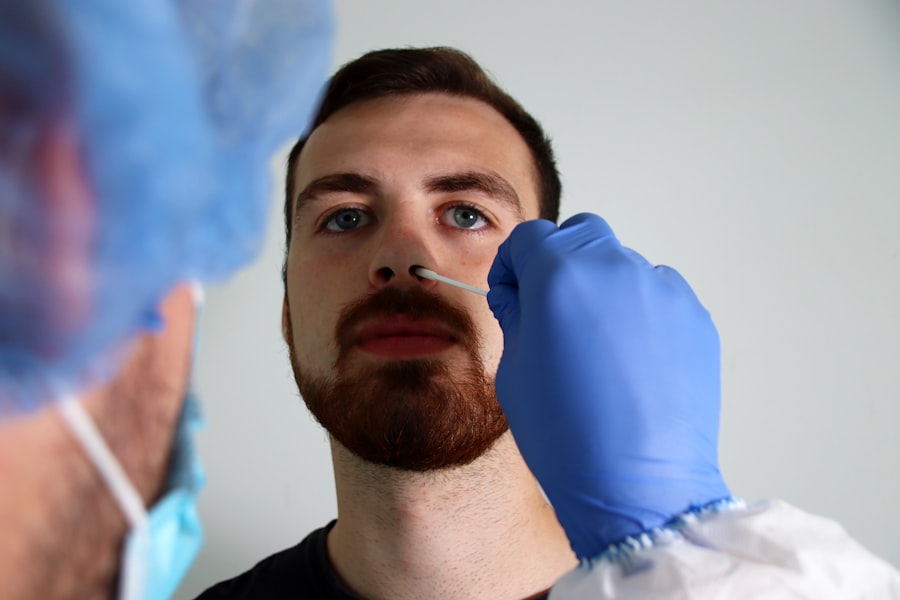
While essential for medical advancement, participating in clinical trials carries inherent risks. Understanding these, alongside the ethical safeguards in place, is paramount.
Potential Risks and Side Effects
The experimental nature of clinical trials means that the effects of the treatment are not fully known. Participants may experience a range of risks:
- Adverse Events: These are any unfavorable and unintended signs, symptoms, or diseases temporally associated with the use of a medical treatment, whether or not considered related to the medical treatment. They can range from mild and temporary (e.g., nausea, headache) to severe and life-threatening.
- Serious Adverse Events (SAEs): These are adverse events that result in death, are life-threatening, require inpatient hospitalization, result in persistent or significant disability/incapacity, or are a congenital anomaly/birth defect.
- Ineffectiveness: The experimental treatment may not be effective for your condition. This is a possibility in all phases of a trial, and sometimes the treatment may even be less effective than existing options.
- Placebo Effect: If you are in a placebo group, you will not receive the active treatment during the trial, which could lead to a delay in receiving an effective treatment if your condition requires it. This is a key ethical consideration, especially for serious illnesses where delaying treatment could be detrimental.
- Inconvenience: The time commitment, frequent visits, and procedures can be inconvenient and disruptive to daily life.
Participant Protections and Ethical Guidelines
Robust ethical frameworks and regulatory bodies exist to protect the rights and well-being of participants.
- Institutional Review Boards (IRBs) / Ethics Committees: Independent committees, typically composed of scientists, doctors, statisticians, and members of the community, review and approve all clinical trial protocols. Their primary role is to protect the rights and welfare of human research subjects. They ensure that risks are minimized, benefits are reasonable, and informed consent is properly obtained.
- Declaration of Helsinki: An internationally recognized set of ethical principles for human experimentation, developed by the World Medical Association. It emphasizes the well-being of the individual research subject above all other considerations.
- Good Clinical Practice (GCP): An international ethical and scientific quality standard for designing, conducting, recording, and reporting trials that involve the participation of human subjects. Compliance with GCP provides public assurance that the rights, safety, and well-being of trial subjects are protected, and that clinical trial data are credible.
- Privacy and Confidentiality: Researchers are ethically and legally obligated to protect participants’ personal health information. Data is typically anonymized or de-identified to prevent linking it back to individuals.
Making an Informed Decision
| Test Type | Average Cost | Turnaround Time | Common Use | Insurance Coverage |
|---|---|---|---|---|
| Blood Test | 50 – 200 | 1-3 days | General health screening | Often covered |
| Genetic Testing | 200 – 2000 | 1-4 weeks | Inherited conditions, ancestry | Sometimes covered |
| Imaging (MRI, CT) | 400 – 3500 | Same day to 1 week | Diagnosing internal conditions | Usually covered |
| COVID-19 PCR Test | 100 – 250 | 24-48 hours | Infection detection | Often covered |
| Allergy Testing | 150 – 500 | 1-2 weeks | Identify allergens | Sometimes covered |
Deciding whether to participate in medical testing for compensation is a personal choice that requires careful deliberation. It’s not a decision to be made lightly, nor should it be viewed solely through the lens of financial gain.
Questions to Ask Before Participating
Before committing, arm yourself with information. Consider these questions during the informed consent process:
- What is the primary purpose of this study?
- What are all the procedures involved, and how often will I need to attend appointments?
- What are the known and potential risks and side effects of the experimental treatment or procedures?
- What are the potential benefits of participating, both to me and to others?
- What are the alternatives to participating in this study?
- Will I receive the experimental treatment or a placebo? Will I know which I am receiving?
- Who is sponsoring and funding this study?
- Who will have access to my medical information? How will my privacy be protected?
- What happens if I experience a serious side effect or injury during the study? Who pays for my medical care?
- What is the exact compensation schedule and method of payment?
- Can I withdraw from the study at any time, and what would be the implications?
- Who can I contact if I have questions or concerns during the study?
Weighing Risks and Benefits
Think of weighing risks and benefits like a balanced scale. On one side are the potential positives: financial compensation, access to cutting-edge treatments (potentially life-saving for some conditions), close medical monitoring, and the satisfaction of contributing to medical science. On the other side are the possible negatives: unknown side effects, inconvenience, the experimental nature of the treatment, and the time commitment. Each individual’s balance will be unique, influenced by their health, financial situation, and personal values.
Consider your personal health situation. If you have a serious medical condition for which existing treatments are ineffective, an experimental trial might offer a sliver of hope. If you are a healthy individual participating in a Phase I healthy volunteer trial, the risks are generally lower, but the ethical considerations regarding taking an unknown substance remain.
Ultimately, medical testing offers a pathway to both personal financial gain and a contribution to the broader public good. It is a dual-edged sword that demands your thorough investigation and careful consideration. Approach it with the same diligence you would any significant personal decision, ensuring you are fully informed and comfortable with its implications. Your health and well-being are the paramount considerations, and understanding the landscape of medical testing is the first step in protecting them.
