

Medical testing, often referred to as clinical trials or research studies, plays a crucial role in the advancement of healthcare. These tests are designed to evaluate new drugs, medical devices, or treatment protocols to determine their safety and efficacy. The process typically involves a series of phases, each with specific objectives and methodologies.
Phase I trials primarily focus on assessing the safety of a new intervention in a small group of participants, while subsequent phases expand the participant pool to evaluate effectiveness and monitor side effects. This structured approach ensures that any new treatment is thoroughly vetted before it becomes widely available to the public. The significance of medical testing extends beyond just the development of new therapies; it also contributes to the understanding of diseases and health conditions.

For instance, clinical trials can help identify how different populations respond to treatments, which is essential for personalized medicine. By participating in these studies, individuals not only contribute to scientific knowledge but also potentially gain access to cutting-edge treatments that are not yet available through standard healthcare channels. This dual benefit underscores the importance of medical testing in shaping the future of medicine.
Key Takeaways
- Medical testing helps evaluate new treatments and improve healthcare outcomes.
- Local clinics and online platforms can help you find nearby medical testing opportunities.
- Participating in medical tests may offer benefits like access to new treatments and compensation.
- It’s important to understand potential risks and discuss them with healthcare providers before enrolling.
- Reputable facilities and resources ensure safe participation and reliable information about medical testing.
Finding Medical Testing Opportunities Near Me

Locating medical testing opportunities in your vicinity can be a straightforward process if you know where to look. One of the most effective methods is to consult local hospitals and research institutions, as many of them conduct clinical trials regularly. These facilities often have dedicated departments that manage clinical research and can provide information on ongoing studies that may be seeking participants.
Additionally, many hospitals maintain websites that list current trials, including eligibility criteria and contact information for study coordinators. Another valuable resource is clinical trial registries, such as ClinicalTrials.gov, which is maintained by the U.S. National Library of Medicine.
This comprehensive database allows users to search for trials based on location, condition, or intervention type. By entering your zip code or city, you can find a list of studies actively recruiting participants in your area. Furthermore, local universities and medical schools often engage in research activities and may have ongoing trials that are not widely advertised.
Networking with healthcare providers can also yield leads on upcoming studies, as they may be aware of trials that align with your health profile or interests.
Benefits of Participating in Medical Testing

Participating in medical testing offers numerous advantages that extend beyond the immediate health benefits. One of the most compelling reasons individuals choose to enroll in clinical trials is the opportunity to access innovative treatments before they are available to the general public. For patients with chronic or life-threatening conditions, this can be a lifeline, providing hope when conventional therapies have failed.
Moreover, participants often receive comprehensive medical care throughout the study, including regular check-ups and monitoring by healthcare professionals, which can enhance their overall health management. In addition to potential health benefits, participants in medical testing may also receive financial compensation for their time and involvement. Many studies offer stipends or reimbursements for travel expenses, which can alleviate some of the financial burdens associated with participating in research.
Furthermore, being part of a clinical trial can foster a sense of community and purpose, as participants contribute to the advancement of medical science and help improve treatment options for future patients. This altruistic aspect can be particularly rewarding for individuals who have experienced firsthand the challenges of living with a specific health condition.
Risks and Considerations of Medical Testing
While there are many benefits to participating in medical testing, it is essential to consider the potential risks involved. One primary concern is the possibility of experiencing adverse effects from experimental treatments or interventions. Since these therapies are often in the early stages of development, their safety profiles may not be fully established.
Participants may encounter side effects that range from mild discomfort to severe reactions, depending on the nature of the study and the intervention being tested. It is crucial for individuals to discuss these risks with their healthcare providers and thoroughly review the informed consent documents provided by researchers. Another consideration is the time commitment required for participation in clinical trials.
Many studies involve multiple visits to research sites over an extended period, which can be challenging for individuals with busy schedules or those who live far from testing facilities. Additionally, some trials may require participants to adhere to strict protocols regarding medication use or lifestyle changes, which can be difficult for some individuals to manage. Understanding these commitments upfront is vital for making an informed decision about whether to participate in a study.
How to Get Paid for Medical Testing
| Test Type | Average Compensation | Typical Duration | Location Availability | Requirements |
|---|---|---|---|---|
| Blood Donation | 20 – 50 | 30 – 60 minutes | Nationwide | Age 17+, Good health |
| Clinical Drug Trials | 100 – 3000 | 1 day – 6 months | Major cities | Specific health criteria |
| Genetic Testing Studies | 50 – 500 | 1 – 3 hours | Urban areas | Consent, health history |
| COVID-19 Testing Studies | 25 – 150 | 1 – 2 hours | Widespread | Symptom criteria |
| Allergy Testing | 30 – 100 | 1 – 2 hours | Selected clinics | Referral or screening |
Compensation for participating in medical testing varies widely depending on the nature of the study and its funding sources. Many clinical trials offer financial incentives as a way to encourage participation and compensate individuals for their time and effort. Payment structures can differ; some studies provide a flat fee for participation, while others may compensate participants based on the number of visits or procedures involved in the trial.
It is essential for potential participants to inquire about compensation details during the screening process to ensure they have a clear understanding of what to expect. In addition to direct payments, participants may also receive other forms of compensation, such as reimbursement for travel expenses or free medical care related to the study. Some trials even provide participants with access to additional health services or medications at no cost during the study period.
This financial aspect can be particularly appealing for individuals who may be facing high medical expenses due to their health conditions. However, it is important to remember that while compensation can be a motivating factor, it should not overshadow the need for careful consideration of the study’s risks and requirements.
What to Expect During a Medical Testing Study
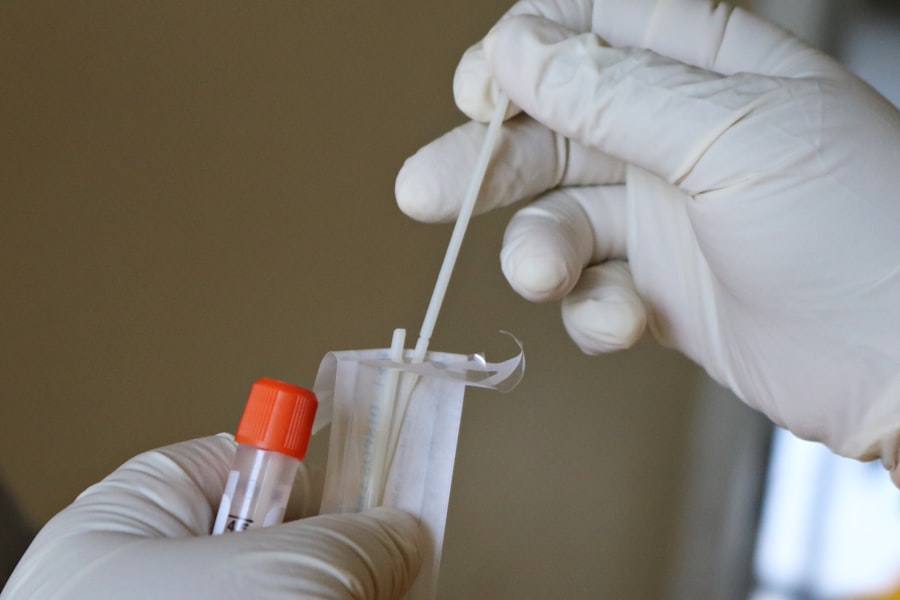
Entering a medical testing study involves several steps that participants should be prepared for. Initially, individuals will undergo a screening process that includes a thorough evaluation of their medical history and current health status. This assessment helps researchers determine eligibility based on specific criteria related to age, gender, health conditions, and previous treatments.
Once accepted into a study, participants will receive detailed information about what the trial entails, including any procedures they will undergo and how long their involvement will last. During the course of the study, participants can expect regular check-ins with research staff who will monitor their health and collect data related to the trial’s objectives. This may involve completing questionnaires, undergoing physical examinations, or providing biological samples such as blood or urine.
Participants should also be prepared for potential follow-up visits after the trial concludes, especially if they are part of a long-term study assessing ongoing effects or outcomes related to the intervention being tested. Open communication with research staff is encouraged throughout this process to address any questions or concerns that may arise.
Finding Reputable Medical Testing Facilities
Identifying reputable medical testing facilities is crucial for ensuring a safe and ethical experience when participating in clinical trials. One effective way to gauge a facility’s credibility is by checking its accreditation status with recognized organizations such as the Association of Clinical Research Organizations (ACRO) or local regulatory bodies overseeing clinical research practices. Accredited facilities adhere to strict guidelines regarding participant safety and ethical conduct in research.
Additionally, prospective participants should seek out facilities with experienced staff who have a proven track record in conducting clinical trials. Researching past studies conducted at a facility can provide insight into its reputation within the medical community. Online reviews and testimonials from previous participants can also offer valuable perspectives on their experiences with specific research sites.
Engaging with healthcare providers who may have insights into reputable facilities can further enhance your ability to make informed decisions about where to participate in medical testing.
Resources for Finding Medical Testing Opportunities Near Me
Several resources are available for individuals seeking medical testing opportunities in their local areas. As previously mentioned, ClinicalTrials.gov serves as an invaluable tool for finding clinical trials based on location and health conditions. This database includes information on studies conducted worldwide and allows users to filter results based on various criteria.
Local health departments and community health organizations often maintain lists of ongoing clinical trials within their jurisdictions as well. These organizations may also host informational sessions or workshops about participating in clinical research, providing an opportunity for individuals to learn more about available studies directly from experts in the field. Social media platforms and online forums dedicated to health discussions can also serve as informal resources for finding medical testing opportunities.
Many researchers and institutions promote their studies through these channels, allowing potential participants to connect directly with study coordinators or other individuals who have participated in similar trials. In conclusion, navigating the world of medical testing requires careful consideration and informed decision-making. By understanding what medical testing entails, exploring local opportunities, weighing benefits against risks, and utilizing available resources effectively, individuals can make empowered choices about their participation in clinical research.
