
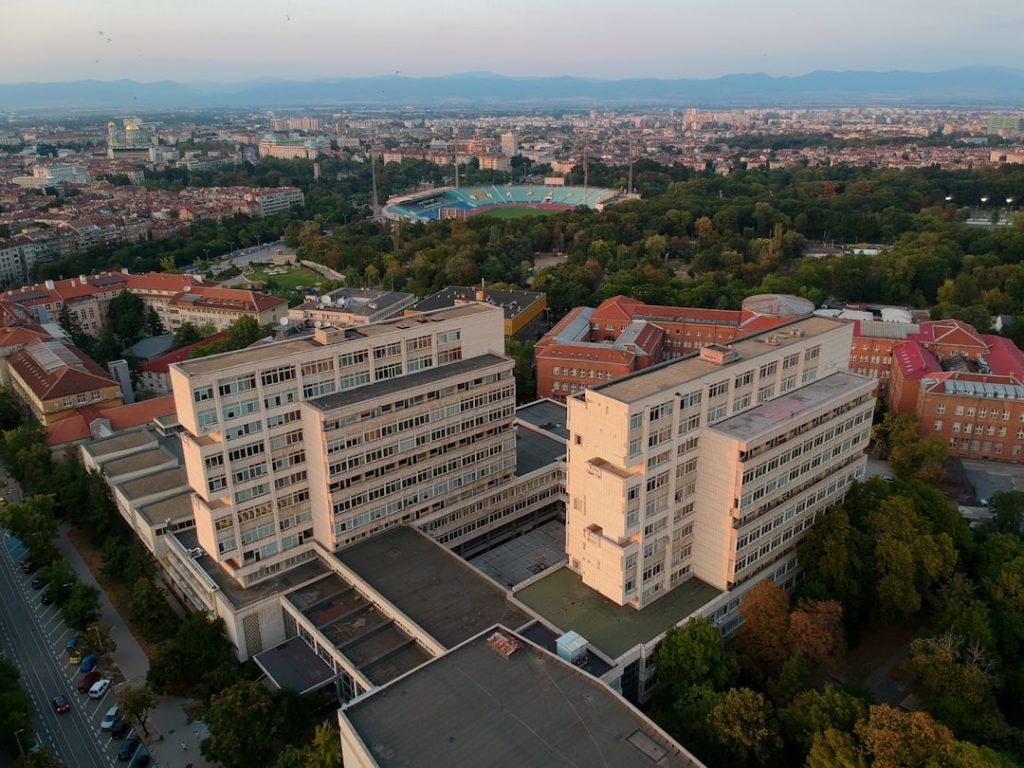
The Feinstein Institutes for Medical Research, the research arm of Northwell Health, is a biomedical research institution located in Manhasset, New York. Established in 1991, the Institutes have grown to encompass a broad range of scientific disciplines, including neuroimmunology, molecular medicine, bioelectronic medicine, and oncology. Their mission centers on advancing knowledge in human biology and disease through basic and translational research. This involves a spectrum of activities, from fundamental laboratory discoveries to the development and testing of novel therapeutic interventions in clinical settings. The Institutes are recognized for their commitment to exploring the underlying mechanisms of disease as a foundation for developing innovative treatments.
Key Research Areas and Initiatives
The research conducted at the Feinstein Institutes spans a diverse array of medical fields, often characterized by a multidisciplinary approach. Scientists frequently collaborate across departments and institutions, bringing together expertise from various backgrounds to tackle complex health challenges. This collaborative ethos is central to their scientific strategy, acknowledging that many diseases require insights from multiple perspectives.
Neuroimmunology and Autoimmune Diseases

A significant focus within the Institutes is dedicated to neuroimmunology, exploring the intricate interplay between the nervous system and the immune system. Researchers in this area investigate how immune responses can either protect or damage neurological tissue, contributing to a range of debilitating conditions.
Understanding Multiple Sclerosis Progression
One prominent area of investigation involves multiple sclerosis (MS), a chronic autoimmune disease affecting the brain and spinal cord. Research here aims to dissect the molecular and cellular events that drive MS progression, particularly the mechanisms behind neurodegeneration that lead to irreversible disability. By identifying specific immune cells and signaling pathways that contribute to myelin destruction and neuronal damage, scientists hope to develop targeted therapies that can halt or even reverse the disease’s course. This often involves detailed cellular profiling and genetic analyses of patient samples, alongside sophisticated animal models of MS. The goal is to move beyond simply managing symptoms and address the underlying pathology.
Novel Therapeutic Targets for Lupus

Systemic lupus erythematosus (SLE), commonly known as lupus, is another complex autoimmune disease under intense study. Feinstein researchers are actively working to identify novel therapeutic targets that could lead to more effective and less toxic treatments for lupus patients. This involves characterizing specific immune cell subsets, such as B cells and T cells, that contribute to autoantibody production and inflammation. Furthermore, investigations into the role of interferon pathways and other cytokine networks are providing a clearer picture of lupus pathogenesis. The ultimate aim is to develop precision medicine approaches, tailoring treatments to individual patient profiles based on their specific immunological signatures. Consider the immune system here as a finely tuned orchestra, and in lupus, certain sections are playing out of tune; researchers are trying to identify which sections are discordant and how to bring them back into harmony.
Bioelectronic Medicine: A New Frontier
Bioelectronic medicine represents a burgeoning field at the Feinstein Institutes, aiming to leverage technological advancements to treat diseases by modulating electrical signals within the body. This approach moves beyond traditional pharmaceutical interventions by directly interacting with the nervous system.
Vagus Nerve Stimulation for Inflammatory Conditions
One of the most explored applications of bioelectronic medicine at the Institutes is vagus nerve stimulation (VNS). The vagus nerve, a major component of the parasympathetic nervous system, plays a crucial role in regulating inflammation. Researchers are investigating how stimulating this nerve, either minimally invasively or non-invasively, can suppress inflammatory responses in conditions such as rheumatoid arthritis, Crohn’s disease, and even sepsis. Initial clinical trials have shown promising results, indicating that VNS could offer a drug-free or drug-sparing therapeutic option for patients suffering from chronic inflammatory disorders. This is like turning down the volume on an overactive inflammatory response, allowing the body to heal without the widespread side effects often associated with systemic immunosuppressants.
Restoring Function in Spinal Cord Injury
Beyond inflammation, bioelectronic medicine is also being applied to address neurological deficits, particularly in the context of spinal cord injury. Researchers are developing and testing implantable devices that can electrically stimulate nerves and muscles below the site of injury, with the goal of restoring motor function, sensation, and autonomic control. This intricate process involves mapping neural pathways and understanding how electrical impulses can bypass damaged sections of the spinal cord or promote neural plasticity. The challenge lies in creating sophisticated interfaces that can accurately deliver targeted stimulation while adapting to the complexities of individual patient physiology. Imagine a broken bridge; bioelectronic medicine attempts to build a temporary, electrical bypass to allow signals to cross.
Translational Research Initiatives
Translational research at the Feinstein Institutes is a key pillar, bridging the gap between fundamental scientific discoveries and clinical applications. This involves a systematic process of moving basic research findings from the laboratory bench to the patient’s bedside, and conversely, bringing clinical observations back to the lab for further investigation.
Accelerating Drug Discovery and Development
The Institutes have established robust platforms to accelerate drug discovery and development, recognizing the significant time and resources typically required for this process. This often involves high-throughput screening of compounds, advanced computational modeling, and the development of sophisticated disease models.
Preclinical Models for Oncology Therapies
In oncology, researchers utilize a range of preclinical models, including patient-derived xenografts (PDX) and organoid cultures, to test the efficacy and toxicity of novel cancer therapies. These models more closely mimic the complexity and heterogeneity of human tumors compared to traditional cell lines, allowing for a more accurate prediction of clinical outcomes. By evaluating new chemotherapy agents, immunotherapies, and targeted therapies in these sophisticated systems, researchers aim to identify promising candidates that are more likely to succeed in human clinical trials, thereby streamlining the drug development pipeline. This is akin to a dress rehearsal before a major performance, allowing for critical adjustments and refinements.
Biomarker Identification for Personalized Medicine
A crucial aspect of accelerating drug discovery is the identification of reliable biomarkers. Feinstein researchers are investing heavily in identifying molecular, genetic, and imaging biomarkers that can predict disease susceptibility, response to treatment, and disease prognosis. For instance, in autoimmune diseases, specific protein profiles or genetic variations might indicate which patients will respond best to a particular therapy. This approach underpins personalized medicine, allowing clinicians to tailor treatments to individual patients, maximizing efficacy and minimizing adverse effects. Consider this as finding the perfect key for a specific lock, rather than trying a generic key for every lock.
Clinical Trials and Patient Engagement

The ultimate test of any medical discovery lies in its application to patients. The Feinstein Institutes are actively involved in conducting a wide array of clinical trials, providing patients with access to cutting-edge therapies and contributing to evidence-based medicine.
Phase I, II, and III Clinical Studies
The Institutes conduct clinical trials across all phases: Phase I trials focus on safety and dosage, Phase II trials assess efficacy and further safety, and Phase III trials compare new treatments with existing standards of care in larger patient populations. This comprehensive approach ensures that new therapies are rigorously evaluated before they become widely available. Patients participating in these trials contribute invaluable data, shaping the future of medical treatments.
Expanding Access to Novel Cancer Treatments
In oncology, the Institutes are a leading site for clinical trials evaluating novel cancer treatments, including immunotherapies, targeted agents, and combination therapies. These trials often focus on difficult-to-treat cancers or advanced disease states, offering hope to patients for whom standard treatments have been exhausted. Access to these trials is a critical component of providing advanced care to the community.
Investigational Therapies for Neurological Disorders
Beyond cancer, clinical trials at Feinstein also address a broad spectrum of neurological disorders, including Alzheimer’s disease, Parkinson’s disease, and stroke. Researchers are testing new drugs aimed at slowing disease progression, improving cognitive function, or enhancing recovery after injury. These trials often involve meticulous assessment of neurological function and detailed imaging studies to monitor treatment effects.
Future Directions and Impact
| Metric | Details |
|---|---|
| Institution Name | The Feinstein Institute for Medical Research |
| Location | Manhasset, New York, USA |
| Founded | 1999 |
| Research Focus Areas | Immunology, Neuroscience, Cancer, Cardiovascular Disease, Autoimmune Diseases |
| Number of Researchers | Over 300 |
| Annual Research Funding | Approximately 100 million |
| Number of Publications (Annual) | Over 400 |
| Affiliated Hospital | Northwell Health |
| Key Achievements | Development of novel immunotherapies, advances in neurodegenerative disease research |
The Feinstein Institutes continue to evolve, adapting to new scientific paradigms and technological advancements. Their commitment to interdisciplinary research and translational science positions them to make significant contributions to human health in the coming years.
Advancements in Artificial Intelligence and Machine Learning
A growing area of investment is in artificial intelligence (AI) and machine learning (ML). Researchers are utilizing AI algorithms to analyze large datasets from patient records, genomic sequences, and imaging studies to identify new disease patterns, predict treatment responses, and accelerate drug discovery. These powerful computational tools act as a magnifying glass, allowing scientists to discern subtle but significant relationships that would be imperceptible to human analysis alone. This is not science fiction; it is a powerful new tool in the scientific arsenal, helping to cut through the noise of vast amounts of data.
Precision Medicine Applications Across Disciplines
The Institutes are increasingly focused on implementing precision medicine approaches across all areas of research and clinical care. This involves understanding the unique molecular and genetic characteristics of each patient’s disease and tailoring treatment strategies accordingly. From oncology to autoimmune diseases, the paradigm is shifting from a one-size-fits-all approach to highly individualized interventions, leading to more effective and less toxic therapies. This bespoke approach to medicine aims to optimize outcomes for every patient.
In summary, the Feinstein Institutes for Medical Research represent a dynamic hub of scientific inquiry and clinical innovation. Their sustained efforts in areas such as neuroimmunology, bioelectronic medicine, and translational research are yielding tangible progress in understanding and treating a wide range of diseases. By fostering a collaborative environment, embracing cutting-edge technologies, and prioritizing patient engagement through clinical trials, the Institutes are actively contributing to the advancement of biomedical science and its practical application to improve human health. You are encouraged to explore their publications and ongoing initiatives to gain a deeper understanding of their contributions.
