

Herpes simplex virus (HSV) infections are a global health concern, characterized by recurrent episodes of oral or genital lesions. While current antiviral treatments can manage symptoms and reduce the frequency of outbreaks, they do not eradicate the latent virus from nerve ganglia. This limitation has driven ongoing research into novel therapeutic strategies aimed at improving treatment efficacy, preventing transmission, and ultimately achieving a functional cure. This article reviews recent advancements in herpes trials, exploring various approaches from enhanced antivirals to gene editing technologies.
Existing antiviral medications, such as acyclovir, valacyclovir, and famciclovir, operate by inhibiting viral DNA replication. These nucleoside analogs are effective in shortening the duration of outbreaks and reducing their severity when taken at the prodromal stage or during an active episode. They can also be used for suppressive therapy, where daily administration significantly lowers the frequency of recurrences for individuals with frequent outbreaks.
Limitations of Existing Treatments

Despite their utility, current antivirals have several inherent drawbacks:
- No Eradication: They do not eliminate HSV from its latent state within sensory neurons. This means that the virus can reactivate, leading to recurrent symptoms even with consistent treatment. Imagine this as a smoldering ember that’s kept under control but never truly extinguished.
- Viral Resistance: Prolonged or improper use can, in rare cases, lead to the development of drug-resistant HSV strains, particularly in immunocompromised individuals. This necessitates the exploration of alternative drug classes.
- Patient Compliance: Daily suppressive therapy can be a burden for some patients, impacting adherence and thus treatment effectiveness.
- Transmission Risk: While suppressive therapy reduces viral shedding and transmission risk, it does not eliminate it entirely.
Advancements in Antiviral Formulations
Research continues to optimize existing antiviral mechanisms, focusing on improved pharmacokinetics, reduced side effects, and enhanced delivery methods.
- Long-Acting Formulations: Efforts are underway to develop long-acting injectable or implantable antivirals that could provide sustained drug levels, reducing the need for daily oral administration and potentially improving patient compliance. This would be akin to an automatic irrigation system for a garden, providing consistent care without daily intervention.
- Topical Therapies with Enhanced Penetration: New topical formulations are being investigated to deliver higher concentrations of antivirals directly to the site of infection, aiming for faster healing and reduced lesion duration, especially for recurrent oral herpes.
Novel Antiviral Targets and Mechanisms

The limitations of existing nucleoside analogs have spurred the search for compounds that disrupt different stages of the viral life cycle. This broadens the therapeutic arsenal and aims to overcome potential drug resistance.
Helical Primase-Inhibitors
These compounds target the viral helicase-primase enzyme complex, essential for unwinding and synthesizing new viral DNA. Pritelivir is a prominent example in this class, demonstrating significant potency against HSV-1 and HSV-2, even against strains resistant to nucleoside analogs.
- Mechanism of Action: Unlike nucleoside analogs that mimic DNA bases, pritelivir directly binds to and inhibits the helicase-primase, effectively halting viral replication at an earlier stage. Think of it as a wrench purposefully designed to jam a specific gear in the viral machinery.
- Clinical Efficacy: Clinical trials have shown pritelivir to be effective in reducing viral shedding and lesion rates in individuals with genital herpes. Its different mechanism of action offers a valuable alternative for patients who do not respond well to conventional treatments.
Entry Inhibitors
These compounds aim to prevent the virus from entering host cells, a critical first step in infection. This approach is conceptually similar to locking the front door before an intruder can gain access.
- Targeting Viral Glycoproteins: HSV uses several glycoproteins on its surface to bind to and fuse with host cell membranes. Entry inhibitors are designed to block these interactions.
- Future Prospects: While still largely in preclinical stages, entry inhibitors hold promise for preventing initial infection and potentially limiting spread within an infected individual. Challenges include ensuring broad efficacy against various HSV strains and developing formulations for effective delivery.
Immunomodulatory Therapies
Beyond directly targeting the virus, another avenue of research focuses on bolstering the host’s immune response to control HSV infection and prevent reactivation. The immune system is the body’s intrinsic defense mechanism, and understanding how HSV evades it is key to developing these therapies.
Therapeutic Vaccines
Unlike prophylactic vaccines designed to prevent initial infection, therapeutic vaccines aim to manage existing HSV infections by enhancing the immune response against the latent virus.
- Antigen Selection: These vaccines often utilize specific HSV antigens, presented in a way that stimulates robust T-cell and antibody responses. The goal is to “wake up” the immune system to recognize and attack virus-infected cells more effectively, particularly during reactivation.
- Adjuvants and Delivery Systems: The development of potent adjuvants (substances that enhance the immune response) and effective delivery systems is crucial for the success of therapeutic vaccines.
- Clinical Trials: Several therapeutic vaccine candidates are in various stages of clinical trials, showing varying degrees of success in reducing viral shedding and outbreak frequency. The challenge is to induce a sufficiently strong and sustained immune response to overcome the virus’s sophisticated immune evasion strategies.
Immunomodulators and Adjuvants
Other immunomodulatory approaches involve medications that directly enhance or redirect immune cell activity.
- Topical Imiquimod: This immune response modifier, approved for other skin conditions, has been explored for recurrent herpes labialis. It stimulates the production of cytokines, particularly interferon-alpha, which has antiviral properties.
- Targeting Immune Checkpoints: Similar to cancer immunotherapy, research is exploring whether modulating immune checkpoints could enhance the body’s ability to control HSV. This is a complex area, as HSV has evolved mechanisms to manipulate the immune system.
Gene Editing and Gene Therapy
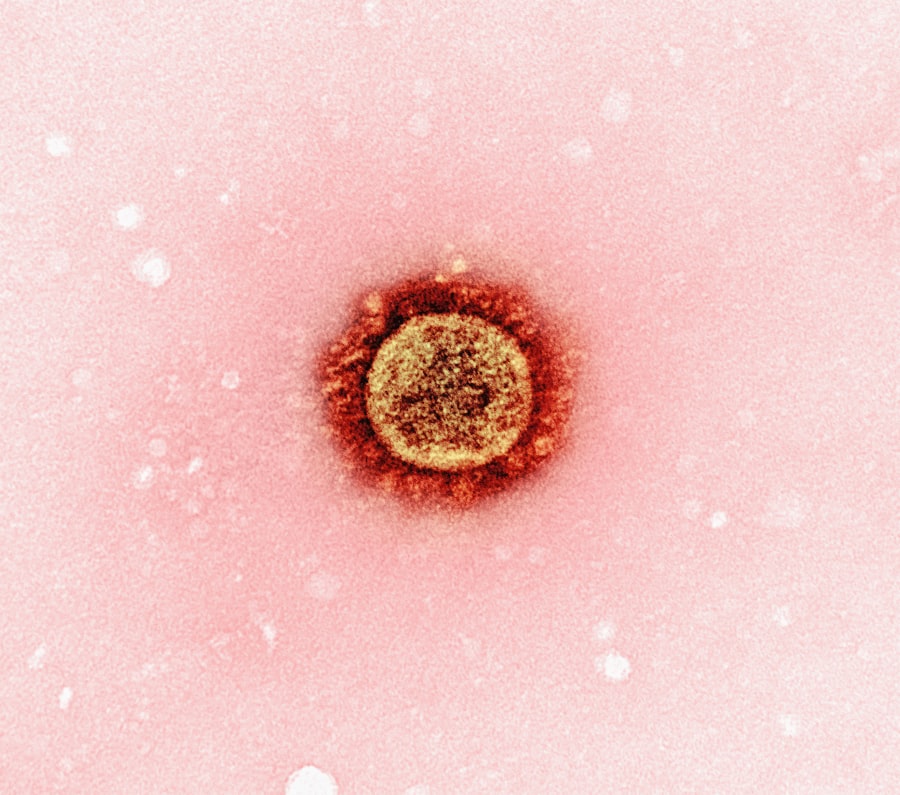
Perhaps the most ambitious and potentially transformative area of research involves gene editing technologies aimed at directly eliminating or inactivating the latent HSV genome. This represents a paradigm shift from managing symptoms to achieving a definitive cure.
CRISPR-Cas9 Technology
CRISPR-Cas9 is a revolutionary gene editing tool that allows for precise targeting and cutting of specific DNA sequences. Its potential application in herpes treatments lies in excising or disrupting the latent HSV genome within neurons. Imagine it as a pair of molecular scissors, guided with extreme precision, to cut out the unwanted viral blueprint.
- Targeting Latent HSV DNA: Researchers are designing guide RNAs to direct the Cas9 enzyme to specific sequences within the HSV genome, such as those essential for viral replication or latency maintenance.
- Excision or Disruption: The goal is to either excise large segments of the viral DNA, rendering it non-functional, or introduce mutations that permanently incapacitate the virus.
- Delivery Challenges: A significant hurdle is the efficient and safe delivery of CRISPR-Cas9 components to the relevant nerve ganglia, such as the trigeminal ganglia for oral herpes or the sacral ganglia for genital herpes. Viral vectors, like adeno-associated viruses (AAVs), are being explored for this purpose.
- Off-Target Effects: Ensuring precision and minimizing “off-target” edits in the host genome is paramount to avoid unintended consequences and ensure patient safety. This is a critical aspect under rigorous investigation.
Zinc Finger Nucleases (ZFNs) and TALENs
Prior to CRISPR, other gene editing tools like Zinc Finger Nucleases (ZFNs) and TALENs were developed. These also involve DNA-binding proteins fused to nucleases to introduce targeted cuts.
- Specificity and Efficiency: While effective, ZFNs and TALENs are generally more complex and less efficient to design and implement compared to CRISPR-Cas9, which has become the dominant technology in recent years due to its ease of use and flexibility.
- Preclinical Research: Early preclinical studies demonstrated the potential of these tools to disrupt HSV DNA in cell cultures and animal models, paving the way for further gene editing research.
Anti-Sense Oligonucleotides and RNA Interference (RNAi)
These approaches aim to silence specific viral gene expression without directly altering the host or viral DNA.
- Antisense Oligonucleotides (ASOs): These short synthetic DNA or RNA molecules bind to complementary viral messenger RNA (mRNA), preventing protein synthesis and thus inhibiting viral replication. Think of it as a specific message blocker preventing the delivery of viral instructions.
- RNA Interference (RNAi): This natural cellular process can be harnessed to degrade specific viral mRNAs, effectively shutting down the production of viral proteins essential for infection.
- Advantages: These methods offer high specificity and can be designed to target multiple viral genes simultaneously.
- Challenges: Delivery to latent neurons and ensuring sustained silencing remain key challenges for therapeutic application.
The Pursuit of a Functional Cure
| Trial Name | Phase | Type of Herpes | Intervention | Number of Participants | Primary Outcome | Status |
|---|---|---|---|---|---|---|
| HSV-2 Vaccine Study | Phase 2 | Genital Herpes (HSV-2) | Recombinant Vaccine | 300 | Reduction in lesion frequency | Completed |
| Valacyclovir Suppression Trial | Phase 3 | Genital Herpes (HSV-2) | Valacyclovir 500mg daily | 500 | Decrease in viral shedding | Completed |
| Topical Antiviral Cream Study | Phase 1 | Oral Herpes (HSV-1) | New Antiviral Cream | 50 | Safety and tolerability | Recruiting |
| Therapeutic Vaccine Trial | Phase 2 | Genital Herpes (HSV-2) | DNA-based Vaccine | 200 | Immune response enhancement | Ongoing |
| Herpes Simplex Virus Suppression Study | Phase 3 | Genital Herpes (HSV-2) | New Antiviral Drug | 600 | Reduction in outbreak frequency | Completed |
The ultimate goal of much of this advanced research is to achieve a functional cure for HSV—meaning the virus remains dormant and unable to reactivate, even if it is not completely eradicated from the body. This is a challenging endeavor, as HSV has evolved sophisticated mechanisms to establish latency and evade immune surveillance.
Eradication Strategies
True eradication, the complete removal of all viral genetic material from the host, is a higher bar. Gene editing technologies, particularly CRISPR-Cas9, offer the most plausible pathway to achieve this, by directly excising or rendering the latent genome inert.
- Targeting Reactivation Signals: Another strategy involves understanding and disrupting the molecular pathways that trigger HSV reactivation from latency. If these triggers can be permanently blocked, the virus would remain dormant indefinitely.
- Combining Therapies: It is plausible that a combination of approaches might be necessary for a functional cure: perhaps gene editing to disarm the latent virus, coupled with immunomodulation to clear any remaining viral particles or bolster long-term immune control.
Challenges and Future Perspectives
Despite the exciting progress, significant challenges remain in bringing these advanced therapies from the laboratory to clinical practice.
Safety and Efficacy
- Off-Target Effects: For gene editing, ensuring precision and avoiding unintended changes to the host genome is paramount. This requires extensive preclinical validation and careful monitoring in human trials.
- Delivery Mechanisms: Efficient and safe delivery of gene editing tools or immunomodulators to specific cell types (e.g., neurons) within the body is a major hurdle.
- Long-Term Durability: For all novel therapies, demonstrating sustained efficacy and freedom from recurrence over extended periods is crucial.
Regulatory and Ethical Considerations
- Gene Editing Ethics: The use of gene editing in humans raises ethical considerations that require robust public discourse and stringent regulatory oversight.
- Cost and Accessibility: Advanced therapies, particularly gene therapies, are likely to be expensive initially, raising questions about equitable access.
The Road Ahead
The landscape of herpes treatment is evolving rapidly. While a definitive cure remains elusive, the advancements in antiviral mechanisms, immunomodulatory strategies, and gene editing technologies offer substantial hope. The scientific community continues to explore multiple paths, understanding that a multifaceted approach may be necessary to overcome the entrenched challenge of herpes simplex virus infections. Continued investment in basic research, coupled with rigorous clinical trials, will be essential to translate these promising discoveries into safe and effective treatments that can truly transform the lives of those affected by HSV.
