

Medical trials are a cornerstone of modern medical research, providing critical insights into the safety and efficacy of new treatments and medications. These trials often rely on the participation of healthy volunteers, individuals who do not have the conditions being studied but contribute to the research process. The involvement of healthy volunteers is essential for establishing baseline data, understanding how a drug interacts with a non-affected population, and ensuring that any observed effects can be attributed to the treatment itself rather than pre-existing health conditions.
This unique role underscores the importance of healthy volunteers in the broader context of clinical research. The process of medical trials typically unfolds in several phases, each designed to answer specific questions about a new treatment. Phase I trials, for instance, often focus on safety and dosage, relying heavily on healthy volunteers to assess how a drug is metabolized and its potential side effects.

These early stages are crucial for determining whether a treatment is safe enough to proceed to later phases, where the focus shifts to efficacy and comparative effectiveness. The participation of healthy individuals not only aids in the development of new therapies but also helps researchers understand the biological mechanisms at play, paving the way for innovations in healthcare.
Key Takeaways
- Healthy volunteers play a crucial role in advancing medical research by participating in clinical trials.
- Ensuring safety and ethical standards is a top priority in medical trials involving healthy participants.
- Participation offers benefits such as compensation and contributing to the development of new treatments.
- Medical trials with healthy volunteers face challenges and misconceptions that need to be addressed.
- The future of medical research relies on continued involvement and awareness of healthy volunteers in clinical studies.
The Role of Healthy Volunteers in Advancing Medical Research

Healthy volunteers play a pivotal role in advancing medical research by providing a control group against which the effects of new treatments can be measured. Their participation allows researchers to gather data on how a drug behaves in a body that is free from disease, which is essential for establishing safety profiles. For example, in vaccine trials, healthy volunteers are often the first to receive the vaccine to assess immune response and identify any adverse reactions before it is administered to populations at risk.
This initial testing phase is critical for ensuring that vaccines are both effective and safe for broader distribution. Moreover, healthy volunteers contribute to the understanding of pharmacokinetics—the study of how drugs are absorbed, distributed, metabolized, and excreted in the body. By participating in these trials, they help researchers determine optimal dosages and identify potential side effects that may not be evident in patients with existing health conditions.
This information is invaluable for developing guidelines that ensure safe and effective use of medications once they reach the market. The data collected from healthy volunteers can also inform future studies, helping to refine research methodologies and improve outcomes for patients.
Ensuring Safety and Ethical Considerations in Medical Trials
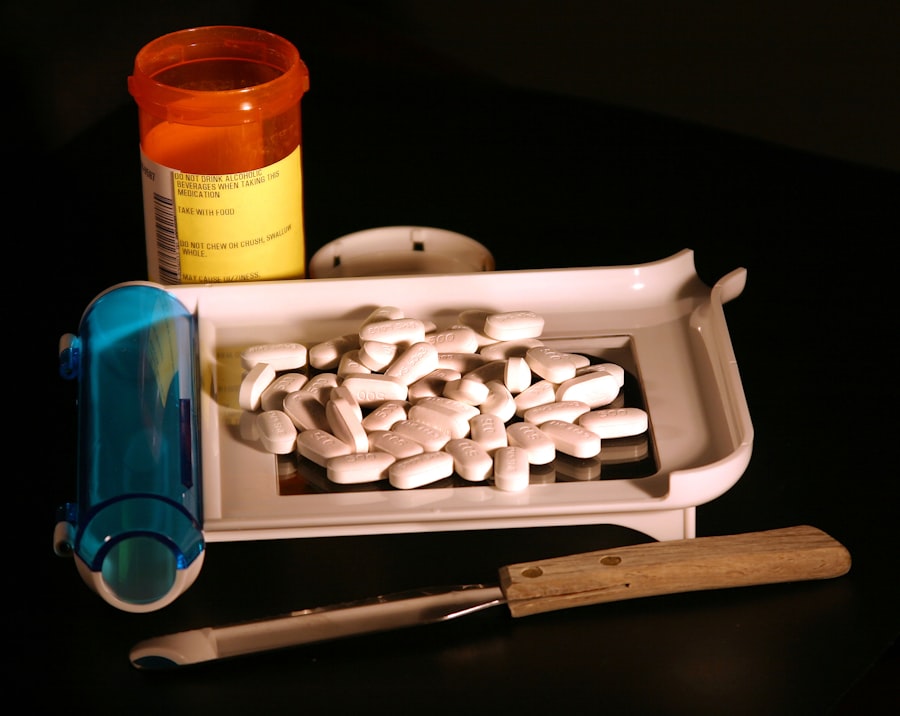
The safety of participants in medical trials is paramount, particularly when it comes to healthy volunteers who may not have any underlying health issues. Regulatory bodies such as the Food and Drug Administration (FDA) and the European Medicines Agency (EMA) impose strict guidelines to ensure that trials are conducted ethically and safely. Before any trial begins, researchers must submit detailed protocols outlining their plans for participant safety, including informed consent processes that clearly explain potential risks and benefits.
This transparency is crucial for maintaining trust between researchers and participants. Ethical considerations extend beyond just safety; they also encompass issues of informed consent and participant autonomy. Healthy volunteers must be fully aware of what their participation entails, including any potential risks associated with the treatment being tested.
Researchers are required to provide comprehensive information about the study’s purpose, procedures, and any possible side effects. Additionally, participants have the right to withdraw from a trial at any time without facing any penalties or loss of benefits. This ethical framework is designed to protect volunteers while fostering an environment where they can contribute meaningfully to medical advancements.
Benefits of Participating in Medical Trials for Healthy Volunteers
Participating in medical trials offers several benefits for healthy volunteers beyond contributing to scientific knowledge. One significant advantage is access to cutting-edge treatments that may not yet be available to the general public. Volunteers may receive new medications or therapies that are still in development, providing them with opportunities to benefit from innovations in healthcare before they are widely released.
This access can be particularly appealing for individuals who are proactive about their health or who have a keen interest in medical science. Additionally, many clinical trials offer compensation for participants’ time and travel expenses, making it a financially viable option for some individuals. This compensation can vary widely depending on the trial’s duration and complexity but often serves as an incentive for participation.
Beyond financial benefits, many volunteers report a sense of fulfillment from contributing to research that could potentially save lives or improve health outcomes for others. The knowledge that their involvement may lead to breakthroughs in treatment can be a powerful motivator for many individuals considering participation in medical trials.
Impact of Medical Trials on the Development of New Treatments and Medications
| Metric | Description | Typical Values / Range | Notes |
|---|---|---|---|
| Number of Healthy Volunteers | Total participants enrolled who are healthy individuals | 10 – 1000+ | Varies by phase and study design |
| Age Range | Age limits for healthy volunteers | 18 – 65 years | Often restricted to adults; some studies include older adults |
| Gender Distribution | Percentage of male vs female volunteers | Typically balanced or as per study requirements | Some trials require equal gender representation |
| Screening Failure Rate | Percentage of volunteers excluded after screening | 20% – 50% | Due to health issues, lab abnormalities, or exclusion criteria |
| Adverse Event Rate | Percentage of volunteers experiencing side effects | 5% – 30% | Mostly mild to moderate in healthy volunteer trials |
| Trial Duration | Length of participation for healthy volunteers | 1 day – 6 months | Depends on study phase and protocol |
| Compensation | Typical reimbursement for participation | Varies by region and study | Ethical guidelines regulate compensation amounts |
| Common Study Phases | Phases involving healthy volunteers | Phase 1, sometimes Phase 2 | Primarily for safety and pharmacokinetics |
The impact of medical trials on the development of new treatments and medications cannot be overstated. These trials serve as the primary mechanism through which new drugs are tested for safety and efficacy before they can be approved for public use. For instance, the rapid development of COVID-19 vaccines showcased how efficiently medical trials could operate under urgent circumstances.
The unprecedented speed at which these vaccines were developed was made possible by extensive collaboration among researchers, regulatory agencies, and healthy volunteers who participated in clinical trials. Moreover, medical trials have historically led to significant advancements in various fields of medicine. For example, the development of antiretroviral therapies for HIV/AIDS was largely driven by clinical trials involving healthy volunteers who helped establish safety profiles and dosing regimens.
These trials not only improved treatment options but also transformed HIV from a fatal disease into a manageable chronic condition for millions worldwide. Such examples illustrate how essential medical trials are in shaping the landscape of modern medicine and improving public health outcomes.
Challenges and Misconceptions Surrounding Medical Trials with Healthy Volunteers

Despite their importance, medical trials involving healthy volunteers face several challenges and misconceptions that can hinder participation. One common misconception is that participating in a trial is inherently dangerous or that volunteers will be used as “guinea pigs.” While it is true that there are risks involved, regulatory frameworks are designed to minimize these risks through rigorous oversight and ethical guidelines. Many trials prioritize participant safety above all else, implementing extensive monitoring protocols to ensure that any adverse effects are promptly addressed.
Another challenge is the lack of awareness about what participating in a trial entails. Many potential volunteers may not fully understand the process or may have concerns about their health being compromised. Educational initiatives aimed at demystifying clinical trials can help alleviate these fears by providing clear information about what participants can expect, including the safeguards in place to protect their well-being.
By addressing these misconceptions and promoting transparency, researchers can encourage more individuals to consider participating in medical trials.
The Future of Medical Trials and the Role of Healthy Volunteers
As medical research continues to evolve, so too will the role of healthy volunteers in clinical trials. Advances in technology, such as telemedicine and digital health tools, are transforming how trials are conducted, making participation more accessible than ever before. Remote monitoring and virtual visits can reduce barriers related to travel and time commitment, allowing more individuals to participate without disrupting their daily lives.
This shift could lead to increased diversity among trial participants, which is essential for ensuring that new treatments are effective across different populations. Furthermore, as personalized medicine gains traction, healthy volunteers will play an increasingly important role in understanding how genetic variations affect drug responses. Trials that incorporate genetic testing can help identify which individuals are most likely to benefit from specific treatments, leading to more tailored healthcare solutions.
This evolution highlights the ongoing need for healthy volunteers who are willing to contribute their time and health status to advance our understanding of medicine.
How to Get Involved in Medical Trials as a Healthy Volunteer
For those interested in becoming involved in medical trials as healthy volunteers, several avenues exist for finding opportunities. Clinical trial registries such as ClinicalTrials.gov provide comprehensive listings of ongoing studies seeking participants across various locations and conditions. These registries allow individuals to search for trials based on specific criteria such as location, age group, or health status.
Before enrolling in a trial, potential participants should conduct thorough research on the study’s purpose, procedures, and any associated risks or benefits. It is advisable to consult with healthcare professionals or trusted sources to gain a better understanding of what participation entails. Additionally, reaching out directly to research institutions or hospitals conducting clinical trials can provide further insights into available opportunities and help clarify any questions regarding participation.
In conclusion, healthy volunteers are integral to the advancement of medical research through their participation in clinical trials. Their contributions not only facilitate the development of new treatments but also enhance our understanding of health and disease dynamics. As we look toward the future of medical research, fostering an environment that encourages volunteer participation while ensuring safety and ethical standards will be crucial for continued progress in healthcare innovation.
