

The landscape of clinical trials has undergone a significant transformation over the past few decades, driven by technological advancements and the increasing complexity of medical research. Advanced systems in clinical trials encompass a range of innovative tools and methodologies designed to enhance the efficiency, accuracy, and overall effectiveness of clinical research. These systems leverage cutting-edge technologies such as artificial intelligence, machine learning, and big data analytics to streamline processes, improve patient engagement, and ensure compliance with regulatory standards.
As the demand for faster and more reliable clinical outcomes grows, the integration of advanced systems has become not just beneficial but essential for the success of clinical trials. The evolution of clinical trials has been marked by a shift from traditional methodologies to more sophisticated approaches that prioritize patient-centricity and data-driven decision-making. Advanced systems facilitate this shift by providing researchers with real-time insights and analytics that can inform trial design and execution.

For instance, the use of electronic data capture (EDC) systems allows for immediate data entry and retrieval, reducing the lag time associated with paper-based methods. Furthermore, these systems can enhance collaboration among stakeholders, including sponsors, investigators, and regulatory bodies, fostering a more integrated approach to clinical research.
Key Takeaways
- Advanced systems significantly improve data collection, analysis, and overall trial efficiency in clinical research.
- These technologies enhance patient recruitment and retention, leading to more robust study populations.
- Integration with electronic health records enables seamless and accurate data management.
- Advanced systems ensure higher standards of data security and regulatory compliance.
- Ongoing innovations promise to further streamline clinical trials and reduce associated costs.
Benefits of Implementing Advanced Systems in Clinical Trials

The implementation of advanced systems in clinical trials offers a multitude of benefits that can significantly enhance the research process. One of the most notable advantages is the ability to collect and analyze vast amounts of data in real-time. Traditional methods often involve lengthy timelines for data collection and analysis, which can delay the overall progress of a trial.
In contrast, advanced systems enable researchers to access and interpret data instantaneously, allowing for quicker adjustments to trial protocols based on emerging findings. This agility is particularly crucial in adaptive trial designs, where modifications may be necessary based on interim results. Moreover, advanced systems contribute to improved patient engagement and retention rates.
By utilizing digital platforms and mobile applications, researchers can maintain ongoing communication with participants, providing them with timely updates and reminders about their involvement in the trial. This level of engagement not only fosters a sense of community among participants but also enhances their commitment to the study. Additionally, advanced systems can facilitate remote monitoring and telehealth consultations, making it easier for patients to participate without the burden of frequent travel to trial sites.
Streamlining Data Collection and Analysis with Advanced Systems
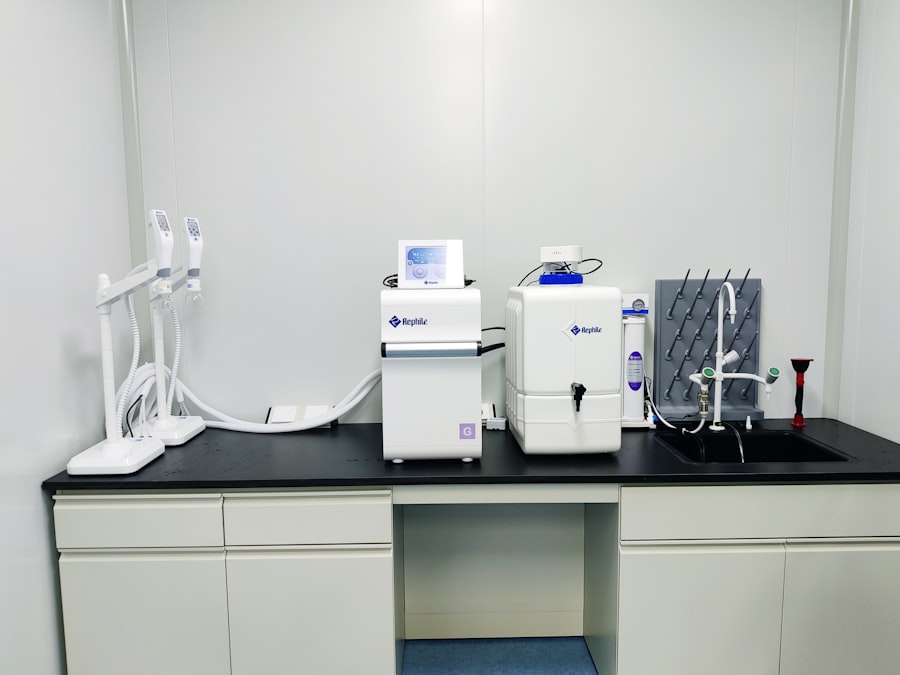
Data collection and analysis are at the heart of any clinical trial, and advanced systems have revolutionized these processes. Traditional data collection methods often involve manual entry and paper-based documentation, which are prone to errors and inefficiencies. Advanced systems, such as electronic data capture (EDC) platforms, automate these processes, allowing for seamless data entry directly from clinical sites.
This automation not only reduces the risk of human error but also accelerates the timeline for data availability, enabling researchers to make informed decisions more rapidly. In addition to improving data collection methods, advanced systems enhance data analysis capabilities through sophisticated algorithms and analytics tools. Machine learning models can identify patterns and correlations within large datasets that may not be immediately apparent through conventional analysis techniques.
For example, predictive analytics can be employed to forecast patient outcomes based on historical data, helping researchers identify potential challenges before they arise. This proactive approach to data analysis empowers clinical trial teams to optimize their strategies and improve overall trial performance.
Enhancing Patient Recruitment and Retention through Advanced Systems
Patient recruitment is often cited as one of the most challenging aspects of conducting clinical trials. Advanced systems play a pivotal role in addressing this challenge by utilizing targeted recruitment strategies that leverage data analytics and digital marketing techniques. By analyzing demographic information and health records, researchers can identify potential participants who meet specific eligibility criteria.
Furthermore, social media platforms and online patient registries can be utilized to reach a broader audience, increasing awareness about ongoing trials and encouraging participation. Retention is equally critical in ensuring the success of clinical trials. Advanced systems facilitate ongoing communication with participants through mobile applications and automated messaging services.
These tools can send reminders for appointments, provide educational resources about the trial, and offer support for any questions or concerns participants may have. By fostering a supportive environment and maintaining regular contact with participants, researchers can significantly reduce dropout rates and ensure that trials are completed as planned.
Improving Trial Efficiency and Cost-effectiveness with Advanced Systems
| Metric | Description | Typical Value | Unit |
|---|---|---|---|
| Enrollment Rate | Number of patients enrolled per month | 50-200 | patients/month |
| Data Entry Accuracy | Percentage of error-free data entries | 98-99.5 | % |
| Query Resolution Time | Average time to resolve data queries | 2-5 | days |
| System Uptime | Percentage of time the system is operational | 99.9 | % |
| Protocol Deviation Rate | Percentage of visits with protocol deviations | 1-3 | % |
| Patient Retention Rate | Percentage of patients completing the trial | 85-95 | % |
| Data Lock Time | Time from last patient visit to database lock | 30-60 | days |
The efficiency of clinical trials is paramount in today’s fast-paced research environment, where time-to-market can significantly impact patient access to new therapies. Advanced systems contribute to this efficiency by streamlining various aspects of trial management, from protocol design to site selection. For instance, advanced analytics can help identify optimal trial sites based on historical performance metrics, ensuring that resources are allocated effectively.
This targeted approach minimizes delays associated with site initiation and patient enrollment. Cost-effectiveness is another critical consideration in clinical trials, particularly as research budgets become increasingly constrained. By automating routine tasks such as data entry and monitoring, advanced systems reduce the need for extensive manpower, leading to significant cost savings.
Additionally, the ability to conduct remote monitoring through telehealth solutions can decrease travel expenses for both participants and research staff. Ultimately, these efficiencies translate into reduced overall trial costs while maintaining high standards of quality and compliance.
Ensuring Data Security and Compliance in Clinical Trials with Advanced Systems
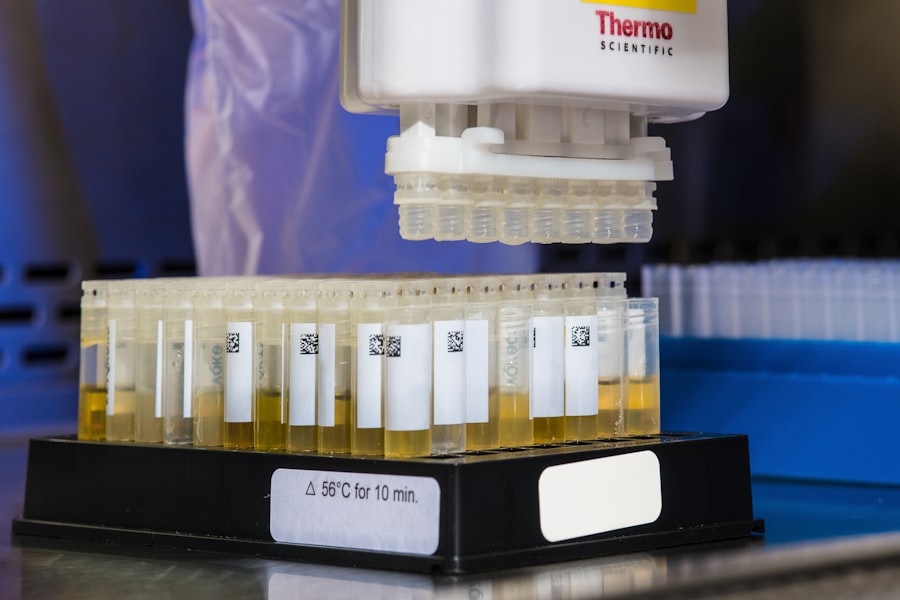
In an era where data breaches are increasingly common, ensuring the security of sensitive patient information is paramount in clinical trials. Advanced systems are designed with robust security protocols that protect against unauthorized access and data loss. Encryption technologies safeguard data both at rest and in transit, ensuring that patient information remains confidential throughout the trial process.
Furthermore, advanced systems often include audit trails that track user activity, providing transparency and accountability in data management. Compliance with regulatory standards is another critical aspect of clinical trials that advanced systems address effectively. Regulatory bodies such as the FDA and EMA have stringent requirements regarding data integrity and reporting.
Advanced systems facilitate compliance by automating documentation processes and ensuring that all necessary records are maintained accurately. For example, electronic trial master files (eTMFs) streamline document management by providing a centralized repository for all trial-related documents, making it easier for sponsors to demonstrate compliance during audits.
Integrating Advanced Systems with Electronic Health Records for Seamless Data Management
The integration of advanced systems with electronic health records (EHRs) represents a significant advancement in clinical trial management. EHRs contain comprehensive patient information that can be invaluable for identifying potential trial participants and monitoring their health outcomes throughout the study. By linking advanced systems with EHRs, researchers can access real-time patient data that enhances recruitment efforts and ensures that participants meet eligibility criteria.
Moreover, this integration facilitates seamless data management throughout the trial lifecycle. Researchers can automatically pull relevant health information from EHRs into their advanced systems, reducing the need for manual data entry and minimizing errors associated with duplicate records. This streamlined approach not only enhances data accuracy but also allows for more efficient monitoring of patient safety and treatment efficacy during the trial.
Future Trends and Innovations in Advanced Systems for Clinical Trials
As technology continues to evolve at a rapid pace, the future of advanced systems in clinical trials holds exciting possibilities. One emerging trend is the increased use of artificial intelligence (AI) in various aspects of trial management. AI algorithms can analyze vast datasets to identify potential biomarkers or predict patient responses to treatments, paving the way for more personalized medicine approaches in clinical research.
Another innovation on the horizon is the expansion of decentralized clinical trials (DCTs), which leverage digital technologies to conduct studies remotely. DCTs offer greater flexibility for participants by allowing them to engage in trials from their homes while utilizing wearable devices to monitor health metrics in real-time. This shift not only enhances patient convenience but also broadens access to diverse populations who may have previously faced barriers to participation.
In conclusion, advanced systems are reshaping the landscape of clinical trials by enhancing efficiency, improving patient engagement, ensuring compliance, and facilitating seamless data management. As these technologies continue to advance, they will undoubtedly play a crucial role in driving innovation within the field of clinical research.
