

In the rapidly evolving landscape of healthcare, the need for efficient and accurate data management has never been more critical. A Clinical Data Capture System (CDCS) serves as a pivotal tool in this context, facilitating the systematic collection, storage, and analysis of clinical data. These systems are designed to streamline the process of gathering patient information, clinical trial data, and other relevant health metrics, thereby enhancing the overall quality of care provided to patients.
By leveraging technology, CDCS not only improves the efficiency of data collection but also ensures that healthcare providers have access to reliable information that can inform clinical decisions. The implementation of a Clinical Data Capture System is particularly significant in clinical research settings, where the integrity and accuracy of data are paramount. Researchers rely on precise data to draw valid conclusions about treatment efficacy and safety.

A robust CDCS can help mitigate common challenges associated with manual data entry, such as human error and data loss. Furthermore, as healthcare continues to embrace digital transformation, the integration of CDCS into existing workflows becomes essential for maintaining competitiveness and meeting the demands of modern healthcare delivery.
Key Takeaways
- Clinical Data Capture Systems improve the efficiency and accuracy of collecting patient data in clinical settings.
- Integration with Electronic Health Records (EHR) streamlines workflows and enhances data accessibility.
- These systems support better data quality control and reduce errors during data entry.
- Enhanced data analysis and reporting capabilities facilitate informed decision-making and research.
- Compliance with regulatory standards is ensured through proper implementation and best practices.
Benefits of Implementing a Clinical Data Capture System

The advantages of adopting a Clinical Data Capture System extend beyond mere efficiency; they encompass a wide range of operational improvements that can significantly enhance patient care and research outcomes. One of the most notable benefits is the reduction in time spent on data entry and management. By automating these processes, healthcare professionals can allocate more time to direct patient care, ultimately leading to improved patient satisfaction and outcomes.
For instance, a study conducted at a major hospital revealed that implementing a CDCS reduced data entry time by 40%, allowing clinicians to focus more on patient interactions rather than administrative tasks. Moreover, a CDCS can facilitate better collaboration among healthcare teams. With centralized access to clinical data, various stakeholders—including physicians, nurses, and researchers—can work together more effectively.
This collaborative environment fosters improved communication and coordination, which are essential for delivering high-quality care. For example, in multi-disciplinary teams managing chronic diseases, having real-time access to patient data allows for timely interventions and adjustments to treatment plans based on the latest information.
Streamlining Data Collection and Entry Processes
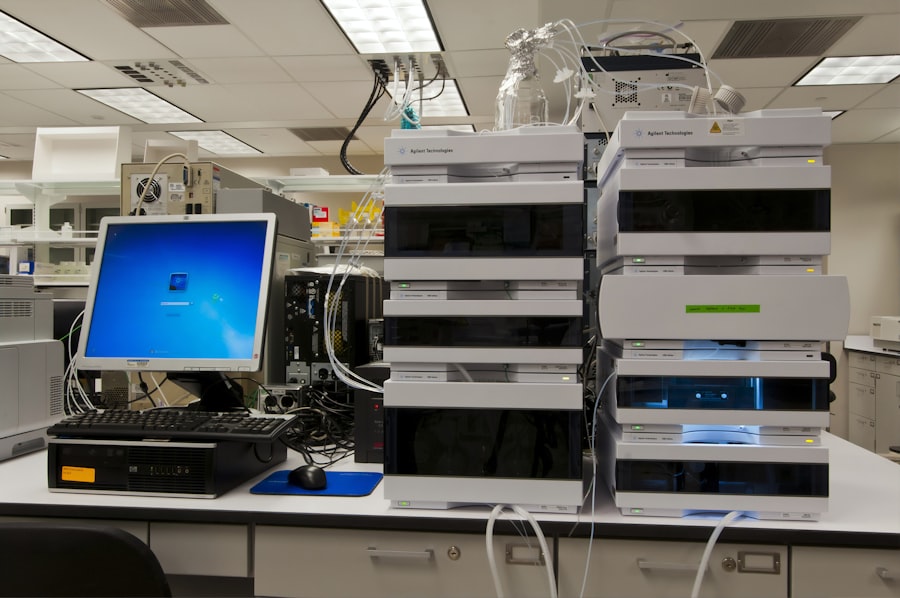
The process of collecting and entering clinical data can often be cumbersome and prone to errors when conducted manually. A Clinical Data Capture System addresses these challenges by providing user-friendly interfaces and automated workflows that simplify data entry. For instance, many CDCS platforms utilize electronic forms that guide users through the data collection process, ensuring that all necessary information is captured accurately.
This structured approach not only minimizes the risk of missing critical data points but also enhances the overall user experience for healthcare providers. Additionally, CDCS can incorporate features such as barcode scanning and voice recognition technology to further streamline data collection. For example, in a clinical trial setting, researchers can use barcode scanners to quickly input patient information or medication details directly into the system.
This not only speeds up the data entry process but also reduces the likelihood of transcription errors that can occur when manually entering information. By optimizing these processes, a Clinical Data Capture System ultimately leads to more reliable datasets that can be used for analysis and decision-making.
Integrating Clinical Data Capture System with Electronic Health Records
The integration of Clinical Data Capture Systems with Electronic Health Records (EHR) is a crucial step in creating a seamless flow of information within healthcare organizations. EHRs serve as comprehensive repositories of patient information, while CDCS focuses on capturing specific clinical data points relevant to research or treatment protocols. By linking these two systems, healthcare providers can ensure that all relevant data is readily available in one centralized location, enhancing both clinical workflows and research capabilities.
For instance, when a new patient is enrolled in a clinical trial, their demographic and medical history can be automatically pulled from the EHR into the CDCS. This integration eliminates the need for duplicate data entry and reduces the risk of inconsistencies between systems. Furthermore, real-time updates from the EHR can be reflected in the CDCS, allowing researchers to monitor patient progress and outcomes without delay.
This interconnectedness not only improves efficiency but also enhances the quality of care by ensuring that clinicians have access to the most current patient information.
Improving Data Accuracy and Quality Control
| Metric | Description | Typical Value | Importance |
|---|---|---|---|
| Data Entry Speed | Average time taken to input a single patient record | 2-5 minutes | High – impacts overall study timeline |
| Data Accuracy Rate | Percentage of data entries without errors | 98-99.5% | Critical – ensures reliability of clinical trial results |
| System Uptime | Percentage of time the system is operational and accessible | 99.9% | High – minimizes downtime and data loss |
| Query Resolution Time | Average time to resolve data queries raised during monitoring | 24-48 hours | Medium – affects data cleaning and study progress |
| Compliance Rate | Percentage of data capture adhering to regulatory standards (e.g., FDA 21 CFR Part 11) | 100% | Critical – mandatory for regulatory approval |
| User Satisfaction Score | Average rating by users on system usability (scale 1-5) | 4.2 | Medium – influences adoption and training needs |
| Data Export Time | Time taken to export datasets for analysis | Less than 5 minutes | Medium – affects data analysis workflow |
Data accuracy is paramount in clinical settings, where decisions based on flawed information can have serious consequences for patient safety and treatment efficacy. A Clinical Data Capture System enhances data accuracy through various mechanisms designed to minimize errors during data entry and management. For example, many CDCS platforms incorporate validation rules that check for inconsistencies or missing information before allowing data submission.
This proactive approach helps catch potential errors early in the process, reducing the likelihood of inaccuracies in the final dataset. Quality control measures are also integral to maintaining high standards in clinical data capture. Many systems offer audit trails that track changes made to data entries over time, providing transparency and accountability in data management.
This feature is particularly valuable in research settings where regulatory compliance is essential. By maintaining detailed records of who accessed or modified data, organizations can ensure adherence to best practices and regulatory requirements while fostering a culture of integrity in data handling.
Enhancing Data Analysis and Reporting Capabilities
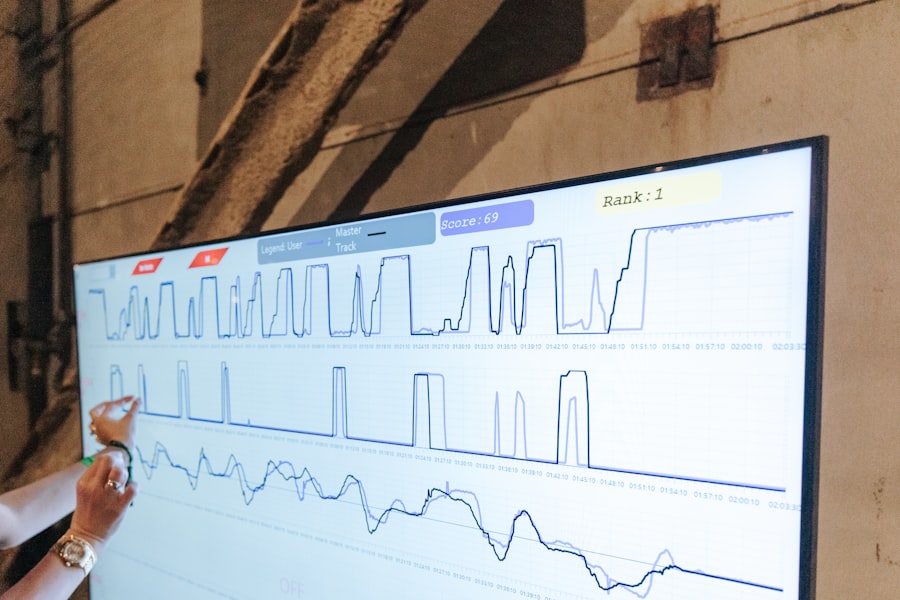
The ability to analyze and report on clinical data effectively is crucial for deriving meaningful insights that can inform treatment decisions and research outcomes. A Clinical Data Capture System enhances these capabilities by providing advanced analytical tools that allow users to generate reports quickly and efficiently. For instance, many CDCS platforms come equipped with built-in analytics dashboards that visualize key performance indicators (KPIs) related to patient outcomes or trial progress.
These analytical tools enable healthcare providers and researchers to identify trends and patterns within their datasets that may not be immediately apparent through manual analysis. For example, a clinical trial team might use the reporting features of their CDCS to track adverse events across different patient demographics, allowing them to adjust their protocols accordingly. By facilitating robust data analysis and reporting capabilities, a Clinical Data Capture System empowers organizations to make informed decisions based on real-time insights.
Ensuring Compliance with Regulatory Requirements
In an era where regulatory scrutiny is intensifying, ensuring compliance with industry standards is paramount for healthcare organizations engaged in clinical research or patient care. A Clinical Data Capture System plays a vital role in this regard by incorporating features designed to meet regulatory requirements set forth by agencies such as the Food and Drug Administration (FDA) or the European Medicines Agency (EMA). These features may include secure user authentication protocols, encryption of sensitive data, and adherence to Good Clinical Practice (GCP) guidelines.
Moreover, many CDCS platforms offer tools for generating compliance reports that demonstrate adherence to regulatory standards during audits or inspections. For instance, organizations can easily produce documentation showing how they collected and managed clinical data throughout a trial or treatment process. This level of transparency not only helps organizations avoid potential penalties but also builds trust with stakeholders by demonstrating a commitment to ethical practices in research and patient care.
Best Practices for Implementing and Utilizing a Clinical Data Capture System
Successfully implementing a Clinical Data Capture System requires careful planning and consideration of best practices that align with organizational goals and workflows. One key practice is involving stakeholders from various departments early in the implementation process. Engaging clinicians, researchers, IT staff, and administrative personnel ensures that the system meets diverse needs while fostering buy-in from all users.
This collaborative approach can lead to smoother transitions and greater acceptance of new technologies within the organization. Training is another critical component of successful implementation. Providing comprehensive training sessions for users helps them become familiar with the system’s functionalities and capabilities.
Ongoing support should also be available to address any questions or challenges that arise post-implementation. Additionally, organizations should regularly review their CDCS usage to identify areas for improvement or optimization based on user feedback and evolving needs within the healthcare landscape. By adhering to these best practices, healthcare organizations can maximize the benefits of their Clinical Data Capture Systems while ensuring that they remain agile in an ever-changing environment.
The integration of technology into clinical workflows not only enhances operational efficiency but also ultimately contributes to improved patient outcomes through better-informed decision-making processes.
