

In the rapidly evolving landscape of healthcare, the need for efficient and effective management systems has never been more critical. A Clinical Management System (CMS) serves as a comprehensive solution designed to streamline various aspects of healthcare delivery, from patient management to administrative tasks. By integrating clinical workflows, a CMS facilitates the coordination of care, enhances communication among healthcare providers, and ultimately improves patient outcomes.
The advent of technology in healthcare has paved the way for these systems to become indispensable tools for hospitals, clinics, and other healthcare facilities. The primary objective of a Clinical Management System is to centralize patient information and clinical processes, allowing healthcare professionals to access vital data quickly and efficiently. This system encompasses a wide range of functionalities, including appointment scheduling, billing, electronic health records (EHR), and reporting capabilities.

As healthcare organizations strive to provide high-quality care while managing costs, the implementation of a CMS has emerged as a strategic priority. The integration of technology into clinical management not only enhances operational efficiency but also fosters a culture of continuous improvement in patient care.
Key Takeaways
- Clinical Management Systems improve patient data handling and communication.
- They enhance patient safety and overall quality of care.
- These systems boost efficiency and streamline healthcare workflows.
- Integration with Electronic Health Records ensures comprehensive data management.
- Compliance with regulations and reporting is facilitated through these systems.
Benefits of Implementing a Clinical Management System

The implementation of a Clinical Management System offers numerous benefits that extend beyond mere operational efficiency. One of the most significant advantages is the enhancement of patient care quality. By providing healthcare professionals with immediate access to comprehensive patient data, a CMS enables informed decision-making at the point of care.
This access to real-time information can lead to more accurate diagnoses, timely interventions, and ultimately better health outcomes for patients. For instance, when a physician can quickly review a patient’s medical history, allergies, and current medications, they are better equipped to make decisions that align with the patient’s unique health needs. Moreover, a CMS can significantly reduce administrative burdens on healthcare staff.
By automating routine tasks such as appointment scheduling and billing processes, healthcare providers can allocate more time to direct patient care. This shift not only enhances staff satisfaction but also improves the overall patient experience. For example, when administrative tasks are streamlined through a CMS, patients can enjoy shorter wait times and more personalized interactions with their healthcare providers.
The reduction in administrative workload also allows healthcare organizations to optimize their resources, leading to cost savings that can be reinvested into patient care initiatives.
Streamlining Patient Information and Communication
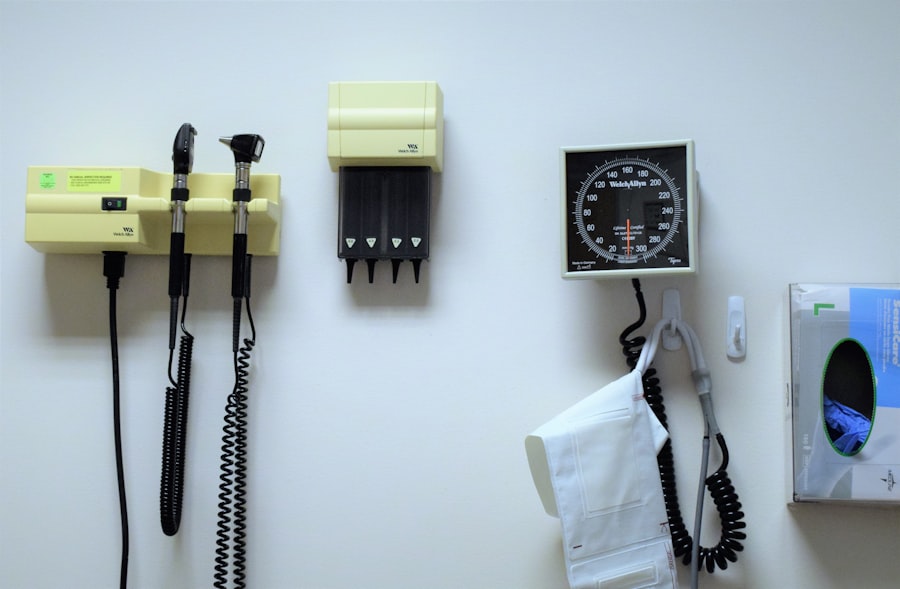
One of the core functionalities of a Clinical Management System is its ability to streamline patient information and communication among healthcare providers. In traditional healthcare settings, patient information is often fragmented across various departments and systems, leading to inefficiencies and potential errors. A CMS addresses this challenge by centralizing all relevant patient data in one accessible platform.
This centralized approach ensures that all members of the healthcare team have access to the same up-to-date information, fostering collaboration and improving care coordination. For instance, consider a scenario where a patient is referred from a primary care physician to a specialist. In a fragmented system, the referral process may involve multiple phone calls, faxes, and paperwork exchanges, which can lead to delays in care.
However, with a CMS in place, the primary care physician can electronically send the patient’s information directly to the specialist’s office. This seamless transfer of data not only expedites the referral process but also ensures that the specialist has all necessary information at their fingertips before the patient’s appointment. Such streamlined communication reduces the likelihood of miscommunication and enhances the overall efficiency of the healthcare delivery process.
Enhancing Patient Safety and Quality of Care
Patient safety is paramount in healthcare, and a Clinical Management System plays a crucial role in enhancing safety protocols and improving the quality of care provided to patients. By integrating clinical decision support tools within the CMS, healthcare providers can receive alerts and reminders about potential medication interactions, allergies, or other critical health factors that may impact patient safety. These tools serve as an additional layer of protection against errors that could compromise patient well-being.
For example, when a physician prescribes medication through a CMS equipped with clinical decision support capabilities, the system can automatically check for any contraindications based on the patient’s medical history. If a potential issue arises—such as prescribing a medication that interacts negatively with another drug—the system will alert the physician before the prescription is finalized. This proactive approach not only minimizes the risk of adverse drug events but also reinforces a culture of safety within healthcare organizations.
By prioritizing patient safety through technology-driven solutions, healthcare providers can foster trust and confidence among patients and their families.
Improving Efficiency and Workflow in Healthcare Settings
| Metric | Description | Typical Value / Range | Importance |
|---|---|---|---|
| Patient Registration Time | Average time taken to register a new patient in the system | 2-5 minutes | High – impacts patient flow and satisfaction |
| Appointment Scheduling Accuracy | Percentage of appointments correctly scheduled without conflicts | 95-99% | High – ensures efficient use of clinical resources |
| Clinical Documentation Completion Rate | Percentage of patient records fully documented within 24 hours | 90-98% | High – critical for quality care and compliance |
| Medication Error Rate | Number of medication errors per 1,000 prescriptions | Less than 1 per 1,000 | Very High – patient safety priority |
| System Uptime | Percentage of time the clinical management system is operational | 99.5-99.9% | High – ensures continuous clinical operations |
| Data Entry Error Rate | Percentage of errors found in data entry fields | Less than 2% | Medium – affects data quality and reporting |
| Average Patient Wait Time | Time patients wait before being seen by a clinician | 10-30 minutes | Medium – impacts patient satisfaction |
| Clinical Decision Support Usage | Percentage of cases where decision support tools are utilized | 60-80% | Medium – supports evidence-based care |
Efficiency in healthcare settings is essential for delivering timely and effective care. A Clinical Management System significantly enhances workflow by automating various processes that were once manual and time-consuming. For instance, appointment scheduling can be streamlined through an online portal where patients can book their visits directly, reducing the administrative burden on staff while providing patients with greater convenience.
This automation not only saves time but also minimizes scheduling conflicts and no-show rates. Additionally, a CMS can facilitate better resource management within healthcare facilities. By tracking patient flow and resource utilization in real-time, administrators can identify bottlenecks in care delivery and make informed decisions about staffing and resource allocation.
For example, if data indicates that certain departments experience peak patient volumes during specific times of day, administrators can adjust staffing levels accordingly to ensure that patients receive timely attention. This data-driven approach to workflow optimization ultimately leads to improved operational efficiency and enhanced patient satisfaction.
Integration with Electronic Health Records and Other Systems

The integration capabilities of a Clinical Management System with Electronic Health Records (EHR) and other healthcare systems are vital for creating a cohesive ecosystem that supports comprehensive patient care. A well-integrated CMS allows for seamless data exchange between various platforms, ensuring that all relevant information is readily available to healthcare providers regardless of where they are located within the organization. This interoperability is essential for delivering coordinated care across different specialties and departments.
For instance, when a patient undergoes diagnostic testing at an imaging center, the results can be automatically uploaded into their EHR through integration with the CMS. This immediate availability of test results enables physicians to make timely decisions regarding treatment plans without unnecessary delays. Furthermore, integration with billing systems ensures that claims are processed efficiently and accurately, reducing administrative errors that could lead to revenue loss for healthcare organizations.
The ability to connect disparate systems not only enhances clinical workflows but also supports comprehensive population health management initiatives by providing a holistic view of patient data.
Addressing Regulatory Compliance and Reporting Requirements
Healthcare organizations operate within a complex regulatory environment that mandates compliance with various standards and reporting requirements. A Clinical Management System can play an instrumental role in helping organizations navigate these challenges by automating compliance-related processes and ensuring accurate reporting. For example, many CMS platforms come equipped with built-in reporting tools that facilitate adherence to regulations such as HIPAA (Health Insurance Portability and Accountability Act) and meaningful use criteria.
By automating data collection and reporting processes, a CMS reduces the risk of human error while ensuring that organizations meet regulatory deadlines. For instance, when it comes time for audits or quality assessments, having all necessary documentation readily available within the CMS simplifies the process significantly. Additionally, many systems offer features that allow organizations to track key performance indicators (KPIs) related to quality measures mandated by regulatory bodies.
This proactive approach not only helps organizations maintain compliance but also fosters a culture of accountability and continuous improvement in care delivery.
Case Studies and Success Stories of Clinical Management System Implementation
The successful implementation of Clinical Management Systems has been documented across various healthcare settings, showcasing their transformative impact on patient care and operational efficiency. One notable case study involves a large urban hospital that faced significant challenges related to patient flow and communication among departments. After implementing a comprehensive CMS, the hospital reported a 30% reduction in patient wait times due to improved scheduling processes and enhanced communication between departments.
Another success story comes from a rural clinic that struggled with managing patient records manually. The clinic adopted a cloud-based CMS that integrated seamlessly with its existing EHR system. As a result, staff members experienced increased productivity due to reduced paperwork and streamlined workflows.
The clinic also reported higher patient satisfaction scores as patients appreciated the ease of accessing their health information online. These case studies illustrate how Clinical Management Systems can address specific challenges faced by healthcare organizations while driving improvements in both operational efficiency and patient outcomes. By leveraging technology effectively, healthcare providers can create environments that prioritize quality care while navigating the complexities of modern healthcare delivery.
