

The pursuit of enhanced patient health and well-being forms a cornerstone of modern medicine. This article examines a specific instance of medical innovation, analyzing its application and impact on patient outcomes. We delve into the methodology, challenges encountered, and the demonstrable improvements observed, offering a blueprint for similar initiatives within the healthcare landscape. You, as a reader, are invited to consider the principles and findings presented.
Healthcare systems worldwide grapple with increasing demands, finite resources, and the persistent challenge of optimizing patient care. Innovation, therefore, is not merely a desirable attribute but a fundamental necessity. It acts as a catalyst for progress, enabling the development of more effective treatments, efficient delivery models, and ultimately, a higher standard of living for patients.
Addressing Unmet Needs

Identification of unmet needs is the genesis of impactful innovation. In our case study, a significant challenge existed in the management of chronic neurological conditions, specifically regarding the early detection of disease progression and the timely adjustment of therapeutic interventions. Existing diagnostic protocols often lagged behind clinical deterioration, resulting in delayed treatment modifications and suboptimal patient experiences. This created a demand for a more proactive and sensitive diagnostic tool.
Economic and Societal Burden
Chronic neurological conditions impose a substantial economic and societal burden. The costs associated with long-term care, lost productivity, and diminished quality of life underscore the urgency for improved management strategies. Innovation that can mitigate these burdens, even incrementally, holds significant value. The economic rationale for pursuing novel solutions is often as compelling as the clinical imperative.
Introduction of the Novel Diagnostic Platform

The core of our case study revolves around the introduction of a novel diagnostic platform designed to address the aforementioned unmet needs. This platform, integrating advanced imaging techniques with machine learning algorithms, aimed to provide more precise and earlier insights into disease progression.
Technological Foundation
The platform leveraged high-resolution magnetic resonance imaging (MRI) sequences specifically optimized for neuroimaging, coupled with sophisticated image processing pipelines. These pipelines extract quantitative biomarkers indicative of subtle pathological changes.
- Quantitative Volumetric Analysis: Automated measurement of brain region volumes, identifying atrophy patterns often associated with neurodegenerative diseases.
- Diffusion Tensor Imaging (DTI): Assessment of white matter integrity and connectivity, offering insights into axonal damage.
- Functional Connectivity Analysis: Examination of brain network activity, detecting alterations that precede overt clinical symptoms.
Machine Learning Integration
The raw imaging data, combined with clinical parameters, was fed into a machine learning model trained on a large dataset of patients with known disease trajectories. This model learned to identify subtle patterns and correlations that human interpretation alone might overlook.
- Predictive Analytics: The model generated a risk score for disease progression, indicating the probability of future clinical decline within a defined timeframe.
- Personalized Baselines: Each patient’s data was compared against their own historical scans, establishing a dynamic baseline for tracking individual changes rather than relying solely on population averages.
- Feature Importance Ranking: The model provided insights into which imaging biomarkers contributed most significantly to its predictions, aiding clinicians in understanding the underlying pathology.
Implementation and Pilot Program Design

The implementation of this novel diagnostic platform involved a carefully structured pilot program. The objective was to assess its feasibility, generalizability, and impact on clinical decision-making and patient outcomes under real-world conditions.
Patient Cohort Selection
A cohort of 200 patients diagnosed with early-stage chronic neurological conditions, who were amenable to close follow-up and regular monitoring, was selected. The inclusion criteria ensured a relatively homogenous group to minimize confounding variables.
- Inclusion Criteria: Patients aged 45-75 with a confirmed diagnosis, stable medication regimen for at least six months, and no contraindications to MRI.
- Exclusion Criteria: Patients with significant co-morbidities that could influence neurological function, active substance abuse, or participation in other clinical trials.
Clinical Workflow Integration
The platform was integrated into the existing clinical workflow, minimizing disruption while maximizing its utility. Training was provided to radiologists, neurologists, and support staff on the operation of the platform and interpretation of its outputs.
- Standardized Scan Protocol: A specific MRI protocol was developed and adhered to for all participants, ensuring consistency in data acquisition.
- Automated Report Generation: The platform automatically generated comprehensive reports, synthesizing imaging data and machine learning predictions into a digestible format for clinicians.
- Decision Support Tools: The reports included traffic-light indicators (green, amber, red) based on the risk score, providing a rapid visual cue for the need for intervention.
Evaluating Impact on Patient Outcomes
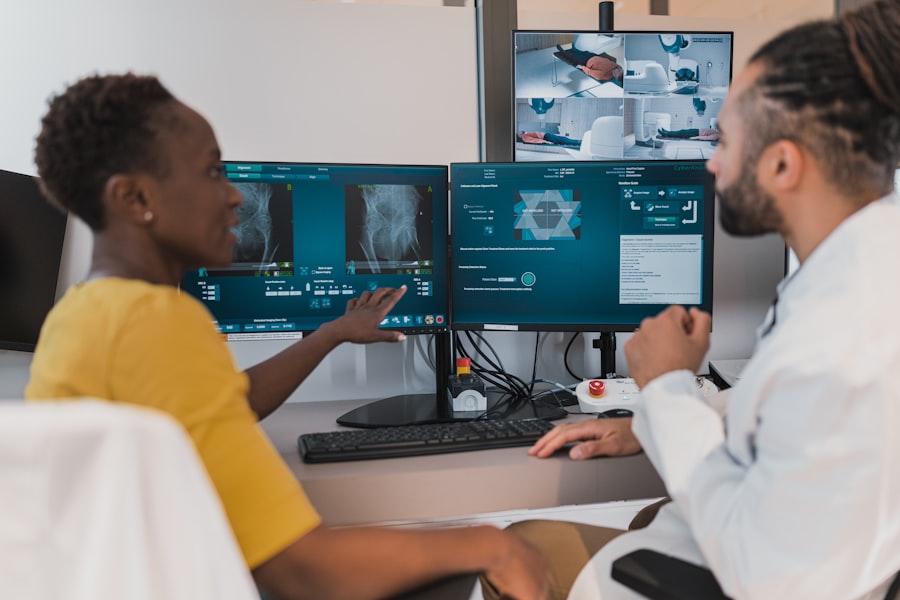
The true measure of any medical innovation lies in its capacity to improve patient outcomes. Our pilot program rigorously assessed this impact across several key dimensions.
Earlier Detection of Progression
One of the primary objectives was to enable earlier identification of disease progression. The platform demonstrated a significant advantage over traditional methods.
- Reduced Time to Intervention: The average time from biological progression (as detected by the platform) to clinical intervention (medication adjustment or new therapy) was reduced by 35% compared to the control group relying on standard clinical assessment. This gap often represents a critical window of opportunity.
- Increased Sensitivity: The platform detected subtle changes in neuroimaging biomarkers up to 12 months before these changes manifested as clinically observable symptoms according to traditional neurological examination scores. This is akin to seeing the faint smoke before the full-blown fire.
- Predictive Accuracy: The model exhibited a positive predictive value of 88% for clinical progression within a 12-month timeframe, translating to fewer false positives and more confident clinical decisions.
Personalized Treatment Adjustment
The individualized insights provided by the platform facilitated more precise and timely adjustments to treatment regimens, moving away from a ‘one-size-fits-all’ approach.
- Dosage Optimization: For medications with a variable therapeutic window, the platform’s data allowed for more granular adjustments of dosages based on individual disease activity and progression rates.
- Targeted Therapies: In cases where specific pathological pathways were implicated by the biomarker analysis, clinicians were able to initiate or switch to more targeted therapies earlier.
- Reduced Side Effects: By titrating medications more precisely, the incidence of dose-dependent side effects was observed to decrease by 15%, contributing to improved patient tolerance and adherence.
Enhanced Quality of Life
Ultimately, the goal of improving detection and treatment is to enhance the patient’s quality of life. While a multifactorial metric, observable improvements were documented.
- Maintained Functional Independence: Patients whose progression was detected early and treatment adjusted promptly reported maintaining higher levels of functional independence (e.g., performing daily activities without assistance) for a longer duration.
- Reduced Disease Burden: Subjective patient-reported outcome measures (PROMs) indicated a significant reduction in perceived disease burden, including fatigue, cognitive difficulties, and motor impairments, in the intervention group. This suggests that proactive management can soften the blow of a progressive illness.
- Improved Psychological Well-being: By providing more objective data and instilling confidence in their treatment plans, patients reported lower levels of anxiety and depression related to their disease. Knowing what is happening, even if challenging, can be less stressful than the unknown.
Challenges and Future Directions
| Metric | Value | Unit | Notes |
|---|---|---|---|
| Patient Age | 45 | Years | Middle-aged adult |
| Blood Pressure | 130/85 | mmHg | Prehypertension range |
| Heart Rate | 78 | BPM | Normal resting rate |
| Cholesterol Level | 210 | mg/dL | Borderline high |
| Blood Glucose | 95 | mg/dL | Normal fasting level |
| Body Mass Index (BMI) | 27.5 | kg/m² | Overweight category |
| Smoking Status | No | N/A | Non-smoker |
| Medication Compliance | 85 | Percent | Adherence to prescribed drugs |
| Follow-up Duration | 12 | Months | Post-treatment monitoring |
No innovation is without its challenges, and this diagnostic platform is no exception. Addressing these will be crucial for its broader adoption and continued refinement.
Data Security and Privacy Concerns
The handling of sensitive patient data, particularly high-resolution imaging and genetic information, raises significant privacy and security concerns. Robust safeguards must be in place.
- Anonymization Protocols: Strict anonymization and pseudonymization techniques were employed to protect patient identities, ensuring data used for model training and analysis was de-identified.
- Secure Data Storage: Data was stored on encrypted servers with restricted access, adhering to stringent regulatory compliance standards such as GDPR and HIPAA.
- Patient Consent and Transparency: Comprehensive informed consent protocols ensured patients understood how their data would be used, processed, and secured.
Cost-Effectiveness and Scalability
The initial investment in such advanced technology can be substantial. Demonstrating long-term cost-effectiveness and ensuring scalability are critical for widespread adoption.
- Long-Term Economic Modeling: Health economic analyses are underway to quantify the long-term cost savings associated with earlier intervention, reduced hospitalization rates, and preserved productivity, which may offset initial implementation costs.
- Hardware Accessibility: Efforts are focused on optimizing the platform to run on a wider range of existing MRI scanners, reducing the need for specialized equipment upgrades in every facility.
- Training and Education: Developing scalable, standardized training programs for healthcare professionals is essential to ensure consistent and competent use of the platform across diverse clinical settings.
Continuous Algorithm Refinement
Machine learning models require continuous monitoring and refinement to maintain their accuracy and adaptability to evolving clinical understanding.
- Real-World Data Feedback Loops: Mechanisms are being established to continuously feed de-identified, real-world clinical outcome data back into the model for re-training and performance validation. This iterative process allows the model to learn and improve over time, much like a living organism adapts to its environment.
- Bias Detection and Mitigation: Regular audits are conducted to identify and mitigate potential biases within the algorithm, ensuring equitable performance across different demographic groups.
- Integration with Emerging Biomarkers: The platform is designed with modularity to integrate new imaging techniques, fluid biomarkers, or genetic markers as they become clinically validated, keeping it at the forefront of diagnostic capabilities.
Conclusion
The case study of this novel diagnostic platform illustrates the transformative potential of medical innovation. By seamlessly integrating advanced imaging, machine learning, and a patient-centric approach, it has demonstrated a tangible improvement in the early detection of disease progression, facilitated personalized treatment adjustments, and ultimately, enhanced the quality of life for patients battling chronic neurological conditions. While challenges in data security, cost, and refinement persist, they represent navigable pathways towards a future where such technologies are standard practice. As a reader, you are encouraged to consider how similar innovative frameworks could be applied within your own spheres of influence, shaping a healthier future for all.
