
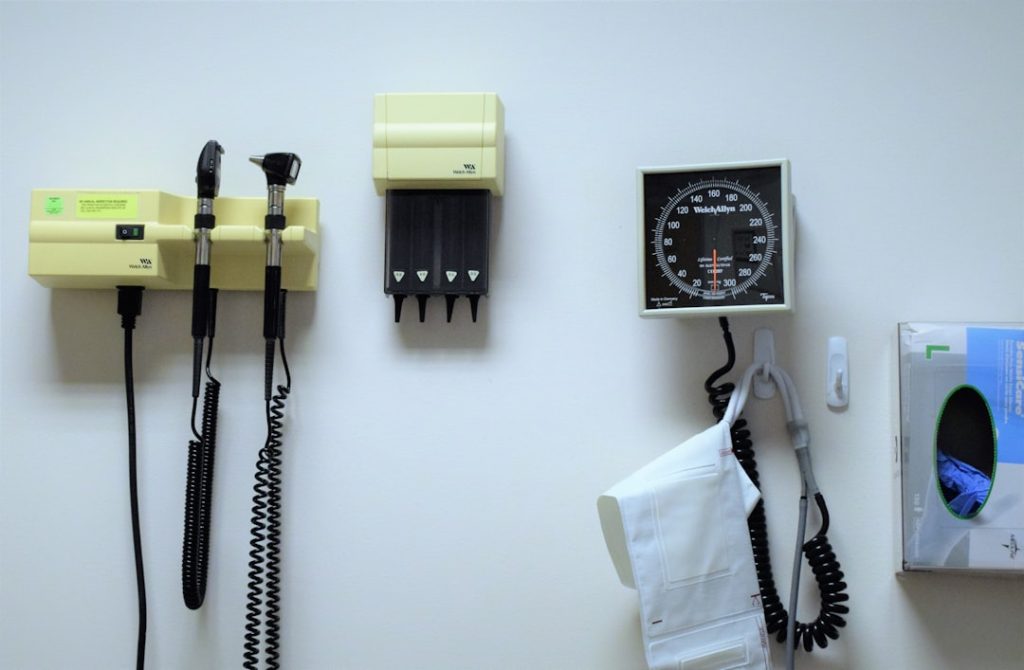
The pursuit of enhanced patient outcomes is a cornerstone of modern medicine. This article examines several case studies where innovative approaches, systemic changes, and dedicated efforts have demonstrably improved the health and well-being of patients. By dissecting these examples, we aim to provide insights into actionable strategies that can be replicated and adapted across diverse healthcare settings. This is not a collection of celebratory anecdotes, but rather an analytical exploration of methodologies that have yielded measurable improvements.
Sepsis, a life-threatening condition arising when the body’s response to infection causes injury to its own tissues and organs, remains a leading cause of mortality worldwide. Delays in diagnosis and treatment significantly increase morbidity and mortality. This section explores how a large urban academic medical center implemented a comprehensive sepsis management protocol, radically altering its trajectory.
Early Detection and Rapid Response Protocols

The critical window for sepsis intervention is often less than six hours. Recognizing this, the medical center developed a robust early warning system.
- Automated Alert Systems: Electronic health records (EHRs) were configured to continuously monitor vital signs, laboratory results (e.g., lactate levels, white blood cell count), and clinical documentation for indicators of potential sepsis. When pre-defined criteria were met, an automated alert was triggered, notifying the primary care team and a dedicated sepsis response team. This proactive approach acted as an early tripwire, preventing subtle deterioration from escalating unnoticed.
- Dedicated Sepsis Response Team: A specialized team, comprising intensivists, emergency physicians, critical care nurses, and clinical pharmacists, was established. This team was responsible for immediate patient assessment upon alert activation, initiation of broad-spectrum antibiotics, fluid resuscitation, and other life-sustaining interventions, often directly at the patient’s bedside within 30 minutes of the alert.
- Standardized Order Sets: Pre-designed electronic order sets for sepsis management ensured that all necessary diagnostic tests (blood cultures, lactate, etc.) and initial therapeutic interventions (fluid bolus, antibiotic administration) were initiated promptly and consistently, minimizing variability in care.
Education and Continuous Quality Improvement
Sustained improvement requires ongoing education and a culture of continuous learning. The center invested in both.
- Regular Staff Training: All clinical staff, from nurses to residents and attending physicians across various specialties, underwent mandatory annual training on sepsis recognition, management protocols, and the importance of timely intervention. This served as a constant sharpening of the collective saw, ensuring that knowledge gaps were addressed.
- Morbidity and Mortality Conferences: Monthly multidisciplinary meetings were held to review all sepsis cases, particularly those with adverse outcomes. These conferences were not punitive but served as a critical forum for identifying system breakdowns, learning from errors, and refining protocols.
- Data-Driven Feedback Loops: Real-time data on sepsis bundle compliance, time to antibiotics, length of stay, and mortality rates were continually collected and disseminated. This feedback empowered individual units and teams to identify areas for improvement and benchmark their performance against institutional averages.

The implementation of these strategies resulted in a significant reduction in sepsis-related mortality by 15% within the first year, alongside a decrease in intensive care unit (ICU) length of stay for sepsis patients.
Revolutionizing Post-Surgical Recovery: Enhanced Recovery After Surgery (ERAS) Protocols
Enhanced Recovery After Surgery (ERAS) protocols represent a paradigm shift in perioperative care, moving beyond traditional, often debilitating, recovery models. This section examines how a regional hospital successfully integrated ERAS principles for colorectal surgery, leading to improved patient experiences and reduced healthcare costs.
Pre-operative Optimization
Preparing a patient optimally before surgery is as crucial as the surgery itself. ERAS emphasizes a holistic approach to pre-operative care.
- Nutritional Counseling: Patients received personalized dietary advice to optimize their nutritional status prior to surgery, including carbohydrate loading drinks the evening before, which has been shown to reduce insulin resistance and improve patient comfort post-operatively.
- Smoking Cessation and Alcohol Reduction: Patients were strongly encouraged to cease smoking and reduce alcohol intake several weeks before surgery. Resources and support were provided to aid in these efforts. This preventative maintenance reduced pulmonary and cardiac complications.
- Patient Education and Engagement: Patients attended pre-operative classes or received detailed informational materials explaining the ERAS pathway, outlining expectations for pain management, early mobilization, and discharge. This proactive transparency shifted the patient from a passive recipient to an active participant in their recovery.
Intra-operative Best Practices
Precise and mindful surgical techniques, combined with thoughtful anesthetic choices, contribute significantly to a smoother recovery.
- Minimally Invasive Surgery: The general adoption of laparoscopic or robotic surgical techniques, where appropriate, reduced incision size, blood loss, and post-operative pain, facilitating earlier mobilization.
- Goal-Directed Fluid Therapy: Anesthesia teams utilized specific protocols to manage intravenous fluid administration, avoiding both under- and over-hydration, which can lead to complications such as ileus or fluid overload. This careful balancing act prevented collateral damage.
- Regional Anesthesia and Opioid-Sparing Techniques: Greater reliance on epidural analgesia and multimodal pain management strategies (e.g., NSAIDs, acetaminophen) significantly reduced opioid consumption, minimizing their associated side effects like nausea, constipation, and sedation.
Post-operative Acceleration
Early mobilization and nutritional support are critical for rapid recovery.
- Early Mobilization: Ambulation within hours of surgery was vigorously promoted. Physical therapists and nursing staff actively engaged patients in structured walking programs, even for short distances. This early activation helped to prevent complications like deep vein thrombosis and pulmonary embolism, and hastened the return of bowel function.
- Early Oral Feeding: Patients were encouraged to resume oral intake of fluids and light solids within hours of surgery, as opposed to the traditional NPO (nil per os) for extended periods. This stimulated gut motility and improved nutritional status.
- Proactive Nausea and Vomiting Management: A multi-pronged approach to prevent and treat post-operative nausea and vomiting (PONV) was implemented, involving prophylactic antiemetics and rapid intervention at the first sign of symptoms.
The hospital reported a 30% reduction in length of hospital stay for colorectal surgery patients, a decrease in post-operative complications by 20%, and significantly higher patient satisfaction scores.
Integrating Behavioral Health into Primary Care: A Holistic Model

The artificial separation of physical and mental health often leads to suboptimal outcomes for patients with co-occurring conditions. This section details how a primary care network successfully integrated behavioral health services, demonstrating improved management of chronic diseases and mental health conditions.
Co-location and Collaborative Care
Breaking down the physical and logistical barriers between primary and behavioral healthcare was a foundational step.
- On-Site Behavioral Health Specialists: Psychologists, social workers, and sometimes psychiatrists were physically co-located within primary care clinics. This immediate accessibility removed a significant hurdle for patients seeking mental health support, reducing the need for separate appointments at different locations.
- Warm Handoffs and Shared Documentation: Primary care providers could initiate a “warm handoff” directly to a behavioral health specialist during a patient’s visit, facilitating immediate consultation and engagement. A unified electronic health record allowed for shared documentation and a comprehensive understanding of the patient’s physical and mental health status. This collaborative documentation created a single lens through which to view the patient.
- Integrated Treatment Plans: Primary care and behavioral health providers collaborated to develop integrated treatment plans that addressed both physical and mental health needs simultaneously. For example, a patient with diabetes and depression might receive medication management from their PCP and cognitive behavioral therapy (CBT) from the co-located psychologist, with both providers coordinating their efforts.
Screening and Early Intervention
Proactive screening became a routine part of primary care visits.
- Universal Mental Health Screening: Standardized screening tools for depression (e.g., PHQ-9) and anxiety (e.g., GAD-7) were routinely administered during annual physicals and sometimes at other visits. This systematic approach normalized discussions about mental health.
- Brief Behavioral Interventions: Behavioral health specialists were trained to provide brief, targeted interventions (e.g., motivational interviewing, psychoeducation) for patients with mild to moderate symptoms, helping to de-escalate issues before they became more severe.
- Referral Pathways: For patients requiring more intensive or specialized behavioral health care, clear and efficient referral pathways were established with external mental health providers, ensuring continuity of care.
Through this integrated model, the primary care network observed a 25% increase in mental health service utilization among their patient population and a 10% improvement in chronic disease management metrics for patients with co-occurring mental health conditions, such as glycemic control in diabetics.
Leveraging Telemedicine for Rural Healthcare Access: Bridging the Divide

Geographic distance and specialist shortages often create significant disparities in healthcare access for rural populations. This section showcases how a network of rural clinics utilized telemedicine to expand access to specialized care, improving patient outcomes and reducing travel burdens.
Remote Consultations and e-Referrals
Technology transformed how patients in remote areas accessed specialist expertise.
- Virtual Specialty Clinics: Instead of traveling hundreds of miles, patients could attend virtual consultations with specialists (e.g., dermatologists, cardiologists, endocrinologists) in urban centers from their local clinic. High-definition video conferencing and secure data transmission enabled effective remote examinations and discussions. This created a virtual bridge over geographical canyons.
- Store-and-Forward Telemedicine: For non-urgent conditions, patient data (e.g., images of skin lesions, ECGs, blood pressure readings) could be securely transmitted to specialists for review and advice, eliminating the need for a synchronous video call.
- Electronic Referrals and Scheduling: A streamlined e-referral system facilitated rapid specialist review of cases and efficient scheduling of virtual or, if necessary, in-person appointments, minimizing delays inherent in traditional referral processes.
Remote Monitoring and Chronic Disease Management
Telemedicine extended beyond consultations to continuous care management.
- Remote Patient Monitoring Devices: Patients with chronic conditions such as heart failure, hypertension, or diabetes were provided with home monitoring devices (e.g., Bluetooth-enabled blood pressure cuffs, glucometers, weight scales) that automatically transmitted data to their care team.
- Virtual Check-ins and Coaching: Nurses and care coordinators regularly reviewed the transmitted data, conducting virtual check-ins with patients, offering coaching on medication adherence, diet, and lifestyle modifications, and proactively addressing any concerning trends. This continuous feedback loop helped to stabilize conditions before they spiraled out of control.
- Medication Management and Adjustments: Specialists could remotely review patient data and adjust medication dosages or regimens as needed, ensuring optimal disease control without requiring frequent in-person visits.
The telemedicine initiative resulted in a 40% reduction in specialist appointment wait times for rural patients, a decrease in hospital readmissions for chronic conditions by 18%, and substantial patient cost savings related to travel and time off work.
Patient and Family Centered Care: Empowering the Care Journey
| Case Study | Medical Condition | Patient Demographics | Intervention | Outcome | Key Metrics |
|---|---|---|---|---|---|
| Case Study 1 | Type 2 Diabetes | Age 55, Male | Lifestyle modification and Metformin | Improved glycemic control | HbA1c reduced from 9.2% to 6.8% in 6 months |
| Case Study 2 | Acute Myocardial Infarction | Age 62, Female | Primary PCI and dual antiplatelet therapy | Successful reperfusion, no complications | Door-to-balloon time: 75 minutes |
| Case Study 3 | Chronic Kidney Disease Stage 3 | Age 48, Male | ACE inhibitors and dietary protein restriction | Slowed progression of kidney damage | eGFR decline slowed from 5 to 2 mL/min/year |
| Case Study 4 | Major Depressive Disorder | Age 30, Female | SSRIs and cognitive behavioral therapy | Significant symptom reduction | HAM-D score decreased from 24 to 8 in 12 weeks |
| Case Study 5 | Osteoarthritis of the Knee | Age 65, Female | Physical therapy and NSAIDs | Improved joint function and pain relief | WOMAC pain score improved by 40% |
Shifting from a physician-centric to a patient-centric model of care involves actively engaging patients and their families as integral members of the care team. This section explores how a pediatric hospital adopted comprehensive patient and family centered care (PFCC) principles, leading to improved satisfaction, adherence, and outcomes.
Shared Decision-Making
Giving patients and families a voice in their care choices is paramount.
- Informed Consent as a Dialogue: The consent process evolved from a mere signature to a detailed conversation where treatment options, potential benefits, risks, and alternatives were thoroughly discussed in plain language, ensuring genuine understanding. This wasn’t merely a legal formality, but a true partnership.
- Patient Preference Elicitation: Care teams actively elicited patient and family preferences regarding treatment plans, goals of care, and even aspects of daily hospital routines. These preferences were then integrated into care plans wherever clinically appropriate.
- Access to Medical Information: Patients and families were given easy, secure access to their medical records, test results, and care plans through a patient portal, empowering them to stay informed and ask pertinent questions.
Family Presence and Participation
The role of families was expanded beyond that of visitors.
- Open Visitation Policies: Restrictive visiting hours were eliminated, allowing parents and guardians 24/7 access to their children. This continuous presence provided comfort and advocacy.
- Family Presence During Rounds and Procedures: Family members were encouraged to participate in daily physician rounds and, where safe and appropriate, be present during medical procedures, fostering transparency and allowing them to ask real-time questions.
- Parent Advisory Councils: Formal advisory councils composed of former or current patient families were established to provide direct input to hospital leadership on policies, facility design, and service delivery, ensuring the patient voice influenced systemic decisions. These councils served as an institutional compass, guiding improvements with lived experience.
Communication and Education
Clear, consistent, and empathetic communication underpinned the PFCC approach.
- Teach-Back Method: Healthcare providers consistently used the “teach-back” method to ensure patients and families understood critical information, asking them to explain concepts in their own words.
- Dedicated Patient Navigators: For complex cases, patient navigators were assigned to guide families through the healthcare system, coordinating appointments, clarifying information, and providing emotional support.
- Plain Language Materials: All educational materials, discharge instructions, and consent forms were developed using plain language principles, avoiding medical jargon, and often translated into multiple languages.
The adoption of PFCC principles led to a significant increase in patient and family satisfaction scores, a 10% improvement in medication adherence rates among pediatric patients with chronic conditions, and a reduction in readmission rates for certain conditions due to improved understanding of discharge instructions and follow-up care.
The case studies presented here demonstrate that significant improvements in patient outcomes are attainable when healthcare systems are willing to innovate, collaborate, educate, and prioritize the patient’s individual journey. These examples are not static blueprints but rather adaptable frameworks that underscore the power of intentional design and empathetic execution in the complex landscape of healthcare.
