

An internship within clinical research offers a structured opportunity for individuals to acquire practical experience in the conduct and administration of clinical trials. This article provides a comprehensive overview of such internships, detailing their nature, benefits, and the typical activities involved. It also addresses the process of securing an internship and maximizing its value.
Clinical research, a branch of healthcare science, determines the safety and effectiveness of medications, devices, diagnostic products, and treatment regimens intended for human use. The integrity and progression of medical science rely heavily on well-executed clinical trials. Internships serve as a foundational entry point into this critical field, allowing nascent professionals to bridge theoretical knowledge with practical application.
Bridging Academia and Practice

Academic curricula often provide a robust theoretical understanding of clinical trial design, ethical considerations, and regulatory frameworks. However, the operational complexities of a trial, from patient recruitment to data management, are often best learned through direct participation. An internship acts as this crucial bridge, transforming abstract concepts into tangible tasks.
Career Pathway Development
For individuals contemplating a career in clinical research, an internship provides invaluable exposure. It allows for the exploration of various roles within a trial, such as Clinical Research Coordinator (CRC), Clinical Research Associate (CRA), or data manager, aiding in the identification of a suitable career trajectory. It also serves as a demonstrable commitment to the field, enhancing future employment prospects.
The Structure and Scope of Internships

Clinical research internships can vary significantly in their duration, intensity, and focus. They are typically offered by pharmaceutical companies, contract research organizations (CROs), academic medical centers, and government agencies.
Duration and Intensity
Internships may range from a few weeks to a year, with summer internships being common. The intensity can vary from part-time roles, accommodating academic commitments, to full-time immersion. Longer, full-time internships generally offer a more comprehensive experience, akin to navigating a complex labyrinth where each turn reveals new aspects of the research process.
Types of Host Institutions
- Pharmaceutical Companies: These institutions are often involved in the end-to-end development of new drugs and devices. Interns may gain exposure to early-phase development, regulatory submissions, and post-marketing surveillance.
- Contract Research Organizations (CROs): CROs are external organizations that provide a range of research services to pharmaceutical, biotechnology, and medical device industries. Interns at CROs often gain exposure to a diverse portfolio of trials across different therapeutic areas.
- Academic Medical Centers: These institutions conduct investigator-initiated trials and participate in industry-sponsored research. Interns may gain experience in settings where patient care and research are closely intertwined.
- Government Agencies (e.g., NIH, FDA): Internships with regulatory bodies or research-funding agencies provide insight into the oversight and policy-making aspects of clinical research.
Key Learning Opportunities During an Internship

The core value of an internship lies in the acquisition of practical skills and an understanding of the operational workflow of clinical trials. This includes exposure to regulatory affairs, data management, patient interaction, and ethical considerations.
Regulatory and Ethical Compliance
Clinical research is a highly regulated field. Interns will typically learn about:
- Good Clinical Practice (GCP): This international ethical and scientific quality standard for designing, conducting, recording, and reporting trials that involve the participation of human subjects. Understanding GCP is paramount, acting as the bedrock of ethical research.
- Institutional Review Boards (IRBs)/Ethics Committees (ECs): Interns may assist with preparing and submitting documents to IRBs/ECs, learning about their role in safeguarding the rights and welfare of research participants.
- Regulatory Documentation: This involves maintaining essential documents such as investigator brochures, protocols, informed consent forms, and regulatory binders, which serve as the trial’s official chronicle.
Data Management and Quality Assurance
Accurate and reliable data forms the backbone of any clinical trial. Interns may participate in:
- Case Report Form (CRF) Review: Ensuring data entered onto CRFs aligns with source documents and meeting data quality standards. This process is similar to carefully verifying individual pieces before assembling a complex puzzle.
- Database Entry and Management: Gaining familiarity with Electronic Data Capture (EDC) systems and understanding the principles of data integrity.
- Query Resolution: Assisting in resolving discrepancies and inconsistencies identified during data review.
Patient Interaction and Recruitment
Direct or indirect involvement with study participants is a cornerstone of clinical research. Interns may:
- Assist with Patient Screening and Enrollment: Understanding inclusion and exclusion criteria and the practicalities of identifying eligible participants.
- Observe Informed Consent Process: Witnessing how potential participants are educated about the trial and provide their voluntary agreement to participate.
- Support Study Visits: Assisting CRCs with preparing for and conducting study visits, including scheduling and logistics.
Securing a Clinical Research Internship
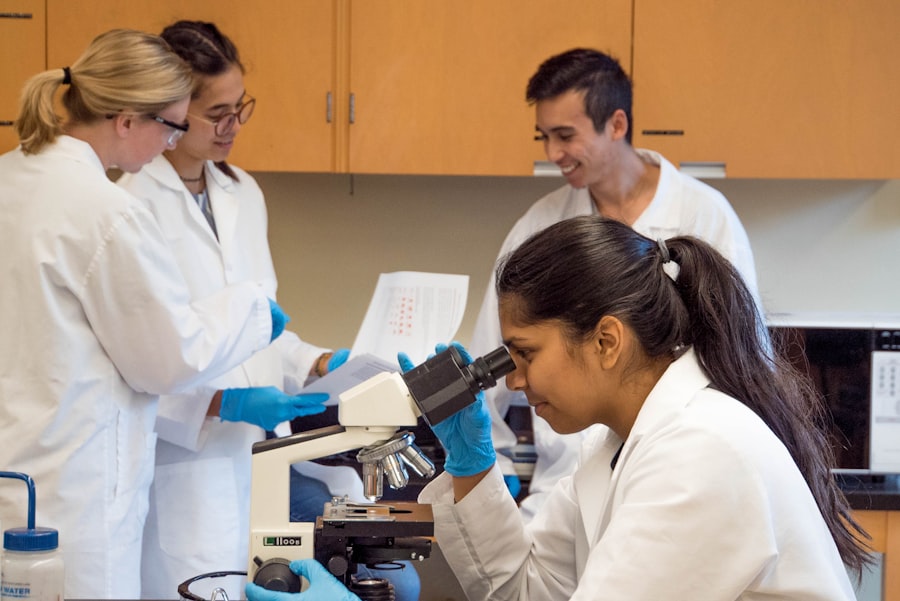
The process of obtaining an internship requires strategic planning, persistence, and effective presentation of one’s qualifications. It is not merely about finding an opening; it is about demonstrating suitability.
Identifying Opportunities
- University Career Services: Many universities have dedicated career centers that maintain listings of internships and host career fairs.
- Online Job Boards: Websites such as LinkedIn, Indeed, and specific clinical research job boards (e.g., ACRP, SOCRA) frequently post internship opportunities.
- Direct Approach: Identifying companies or institutions of interest and contacting them directly regarding internship possibilities, even if no formal openings are advertised. This proactive approach can sometimes uncover hidden opportunities.
- Networking: Attending industry conferences, webinars, or local networking events can provide leads and connections.
Crafting Your Application
- Resume/CV: Tailor your resume to highlight relevant coursework, research experience (even if academic), volunteer roles, and transferable skills (e.g., meticulousness, organization, communication).
- Cover Letter: This is your opportunity to articulate your interest in clinical research, your specific motivations for the internship, and how your skills align with the organization’s mission. Think of it as a narrative that complements the factual points of your resume.
- References: Secure professional or academic references who can speak to your work ethic, intellectual curiosity, and suitability for a research environment.
The Interview Process
Interviews for clinical research internships often assess not just your technical knowledge but also your soft skills. You may be asked about:
- Understanding of Clinical Research Principles: Basic knowledge of GCP, ethical considerations, and trial phases.
- Problem-Solving Skills: Hypothetical scenarios requiring analytical thinking.
- Communication Skills: Your ability to articulate complex ideas clearly and concisely.
- Motivation and Passion: Your genuine interest in contributing to medical science.
Maximizing the Internship Experience
| Metric | Description | Typical Value/Range | Importance |
|---|---|---|---|
| Duration | Length of the internship program | 8 to 12 weeks | Determines depth of experience |
| Number of Interns | Count of interns accepted per cycle | 5 to 20 | Impacts mentorship quality |
| Clinical Trial Phases Exposure | Phases of clinical trials interns get to work on | Phase I to Phase III | Broadens understanding of drug development |
| Hands-on Experience | Percentage of time spent on practical tasks | 60% to 80% | Enhances skill acquisition |
| Mentorship Ratio | Number of interns per mentor | 1:2 to 1:5 | Ensures personalized guidance |
| Completion Rate | Percentage of interns who complete the program | 85% to 95% | Indicates program effectiveness |
| Post-Internship Placement | Percentage of interns offered jobs or further training | 30% to 50% | Reflects career advancement opportunities |
| Research Output | Number of abstracts, posters, or publications by interns | 1 to 3 per intern | Measures contribution to scientific knowledge |
An internship is a two-way street; while the institution provides opportunities, the intern bears the responsibility for actively engaging and extracting maximum value from the experience.
Proactive Engagement
- Ask Questions: Do not hesitate to seek clarification or deeper understanding. Every question is a spark for learning.
- Take Initiative: Volunteer for tasks, even if they seem minor. Demonstrating eagerness to contribute can lead to more significant responsibilities.
- Shadow Professionals: Request opportunities to observe CRCs, CRAs, data managers, and other clinical research professionals in their daily work.
- Seek Feedback: Regularly request feedback on your performance and areas for improvement. This shows a commitment to growth.
Networking and Mentorship
- Build Relationships: Cultivate professional relationships with your colleagues and supervisors. These connections can be invaluable for future career progression.
- Identify Mentors: Seek out individuals who can offer guidance, advice, and support as you navigate your early career. A mentor can act as a compass in the often-uncharted waters of professional development.
Documenting Your Experience
- Maintain a Journal: Keep a detailed record of your tasks, observations, and learning points. This can be helpful for refreshing your memory when preparing for job interviews.
- Update Your Resume/CV: As you gain new skills and experiences, update your professional documents to reflect your expanded capabilities.
- Request a Letter of Recommendation: A strong letter of recommendation from your supervisor can significantly bolster future applications.
Conclusion
An internship in clinical research is more than a temporary placement; it is an investment in one’s professional future. It offers an unparalleled opportunity to gain hands-on experience, develop critical skills, and forge connections within the dynamic field of medical science. By approaching an internship with diligence, curiosity, and a proactive mindset, individuals can lay a robust foundation for a rewarding career contributing to advancements in human health. It is an initial foray into a complex and vital ecosystem, equipping individuals with the tools to navigate its intricacies and contribute meaningfully to the betterment of patient outcomes.
