

The process of medical advancement, like a slow-moving glacier, relies on consistent, careful research. A critical component of this research involves clinical trials and medical experiments. These studies, often conducted at local institutions, contribute significantly to the development of new treatments, diagnostic tools, and preventative measures. For individuals seeking to contribute to scientific progress or access investigational therapies, understanding local opportunities for participation in such experiments is paramount. This guide outlines how to locate and assess these opportunities, emphasizing the importance of informed decision-making and ethical considerations.
Clinical trials are research studies performed in people that evaluate a medical, surgical, or behavioral intervention. They are the bedrock of evidence-based medicine, transforming promising laboratory findings into tangible benefits for patients. Participants in these trials, often referred to as subjects or volunteers, play a pivotal role in this evaluative process.
Phases of Clinical Trials

Clinical trials progress through a series of phases, each designed to answer specific questions. Understanding these phases is crucial for potential participants, as it elucidates the level of risk and the type of information being sought.
Phase I: Safety and Dosage
Phase I trials typically involve a small group of healthy volunteers or patients with the condition being studied. The primary objective is to evaluate the safety of a new drug or treatment, identify potential side effects, and determine a safe dosage range. This phase acts as a preliminary filter, ensuring that the intervention is not overtly harmful before proceeding to larger-scale studies. Think of this as the initial structural integrity test of a bridge before heavy traffic is allowed.
Phase II: Efficacy and Further Safety

Phase II trials involve a larger group of patients with the target condition. The focus shifts to evaluating the effectiveness of the intervention and gathering more data on its safety. Researchers aim to determine if the treatment has a beneficial effect and to identify optimal dosages and treatment regimens. At this stage, the bridge is undergoing its first real-world traffic tests.
Phase III: Confirmation and Comparison
Phase III trials are extensive, involving hundreds or even thousands of participants. These trials compare the new intervention with existing standard treatments or a placebo. The goal is to confirm the efficacy, monitor side effects, compare it to commonly used treatments, and collect information that will allow the new drug or treatment to be used safely. This phase is akin to the bridge handling a full spectrum of traffic conditions over an extended period.
Phase IV: Post-Market Surveillance
Phase IV trials occur after a drug or treatment has been approved and is available to the general public. These studies monitor the long-term effects, optimal use, and any rare side effects that may not have been detected in earlier, smaller trials. This is the ongoing maintenance and performance monitoring of the fully operational bridge.
Types of Medical Experiments
Beyond the traditional drug development pipeline, medical experiments encompass a broader range of research, each contributing to a deeper understanding of health and disease.
Observational Studies
In observational studies, researchers observe participants without intervening. They gather data on health outcomes, exposures, and lifestyle factors to identify patterns and potential correlations. These studies are often retrospective or prospective, following individuals over time or looking back at historical data. Think of this as a detailed mapping of a landscape, identifying features and connections without altering the terrain.
Interventional Studies
Interventional studies involve direct manipulation of a variable by the researchers. This includes drug trials, but also studies evaluating new surgical techniques, medical devices, behavioral interventions, or lifestyle modifications. These are the active landscape shaping projects designed to test specific environmental alterations.
Diagnostic Studies
Diagnostic studies aim to evaluate the accuracy and utility of new diagnostic tests or imaging techniques. They compare the performance of a new method against an established “gold standard” to determine its effectiveness in identifying specific conditions. This is the development of a more precise compass or a more powerful telescope to better understand the world around us.
Prevention Trials
Prevention trials investigate methods to prevent diseases or health conditions. These can include studies on vaccines, lifestyle interventions, dietary changes, or specific medications. The objective is to reduce the incidence of disease in a population. This is akin to building flood defenses or planting protective trees to safeguard against future threats.
Locating Local Opportunities
Finding medical experiments in your vicinity requires strategic searching and an understanding of the resources available. The internet serves as a primary portal, but local institutions are equally significant.
Online Resources
Several online platforms serve as central repositories for clinical trial information. These databases are regularly updated and provide detailed information about ongoing and recruiting studies.
ClinicalTrials.gov
ClinicalTrials.gov, maintained by the U.S. National Library of Medicine, is a comprehensive database of publicly and privately funded clinical studies conducted around the world. Users can search by condition, intervention, location, and study status. Each listing typically includes a brief summary, eligibility criteria, and contact information for the research team. This acts as a global directory, providing a vast catalog of available research projects.
World Health Organization (WHO) International Clinical Trials Registry Platform (ICTRP)
The ICTRP provides a single point of access to information about clinical trials from various global registers. It encompasses studies from multiple countries, offering a broader perspective than a purely national database. This is another extensive global archive, ensuring transparency and accessibility of research data worldwide.
ResearchGate and Academia.edu
While primarily platforms for scientific collaboration and sharing research papers, these sites can sometimes host announcements for recruiting studies. Researchers often post calls for participants within their professional networks. These are more like academic noticeboards, where researchers might advertise specific needs.
Disease-Specific Organizations
Many disease-specific foundations and organizations, such as the American Cancer Society or the Alzheimer’s Association, maintain websites with information about clinical trials relevant to their respective conditions. These organizations often have dedicated sections for patients seeking to participate in research. These are specialized hubs, catering to specific patient communities and their research interests.
Local Institutions
Beyond online databases, local medical centers, universities, and research institutes are primary sites for conducting medical experiments. Directly engaging with these institutions can yield valuable information.
University Hospitals and Academic Medical Centers
These institutions are often at the forefront of medical research, conducting a wide array of clinical trials across numerous specialties. Their websites typically have dedicated sections on “research” or “clinical trials” where ongoing studies are listed. You can also contact their research departments directly. These institutions are the primary engines of research, often hosting a multitude of complex investigations.
Community Hospitals
While less common than academic centers, some community hospitals participate in clinical trials, particularly those sponsored by pharmaceutical companies or larger research networks. Inquire at your local hospital’s research or patient services department. These are satellite research stations, sometimes participating in broader multi-center studies.
Independent Research Clinics
Specific clinics specialize in conducting clinical trials. These may be privately operated and focus on particular disease areas or types of research. A quick online search for “clinical trials [your city]” may reveal such facilities. These are specialized workrooms, often focused on efficient and targeted research.
Physicians and Specialists
Your primary care physician or specialist may be aware of ongoing clinical trials relevant to your health condition. They can provide referrals or guidance on suitable opportunities. Your doctor acts as a knowledgeable guide, potentially pointing you towards relevant research pathways.
Recruitment Agencies and Services
Some organizations specialize in recruiting participants for clinical trials. These agencies often partner with pharmaceutical companies and research institutions to facilitate participant enrollment.
Clinical Research Organizations (CROs)
CROs are companies that provide support to the pharmaceutical, biotechnology, and medical device industries in the form of research services. They often manage and conduct clinical trials on behalf of their clients and may have their own recruitment platforms or databases. These are the logistical orchestrators of research, often seeking participants for numerous trials.
Patient Recruitment Services
Dedicated patient recruitment services focus solely on connecting potential participants with appropriate clinical trials. These services can streamline the search process and provide personalized matching based on eligibility criteria. These are the matchmakers of the research world, connecting individuals with appropriate studies.
Evaluating Opportunities and Ethical Considerations
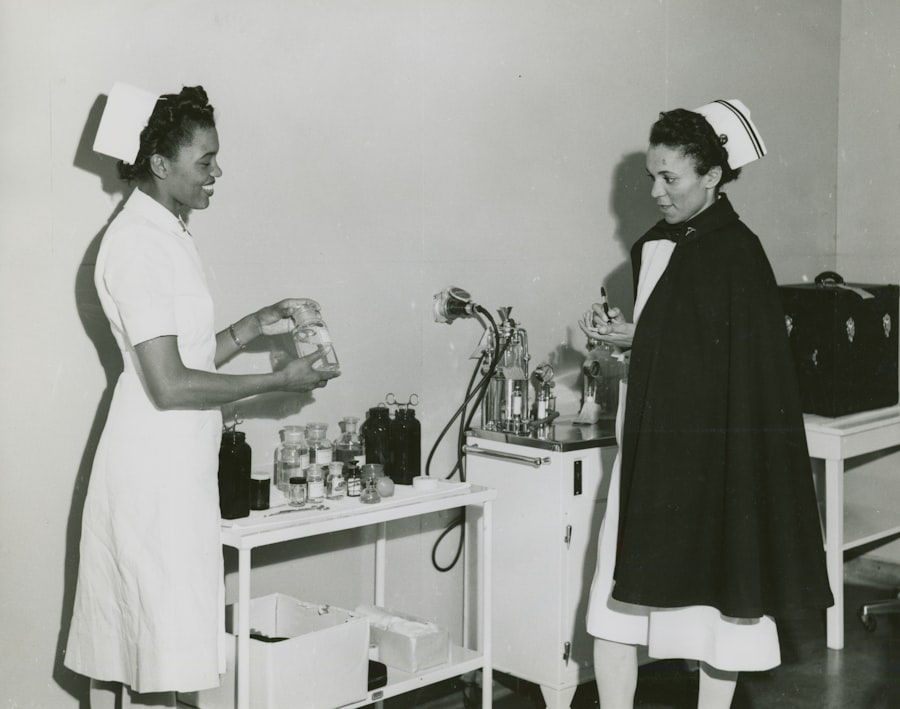
Participating in a medical experiment is a significant decision. It is imperative to thoroughly evaluate each opportunity and ensure that ethical considerations are met.
Informed Consent
Informed consent is the cornerstone of ethical research. Before participating in any study, you will be provided with a detailed informed consent form. This document explains the purpose of the study, procedures, potential risks and benefits, alternatives to participation, and your right to withdraw at any time without penalty. You should read this document carefully and ask any questions you have until you fully understand every aspect. Think of this as the detailed contract you sign before embarking on a journey – every clause should be clear and understood.
Potential Risks and Benefits
Every medical experiment carries potential risks, ranging from minor side effects to more serious complications. Conversely, there may be potential benefits, such as access to cutting-edge treatments, close monitoring of your health, or contributing to scientific knowledge. Weighing these risks and benefits is a personal decision, often best made in consultation with your own physician. This is the careful calculus of risk versus reward, a balancing act unique to each individual.
Eligibility Criteria
Each study has specific eligibility criteria that participants must meet. These criteria ensure that the study population is appropriate for the research question being asked and that risks are minimized. Factors such as age, gender, medical history, and current medications are commonly considered. It’s like finding the right key for a specific lock – only those meeting the precise specifications can enter.
Your Rights as a Participant
As a participant in a medical experiment, you have several fundamental rights, including:
- The right to informed consent: To fully understand the study before agreeing to participate.
- The right to withdraw: To leave the study at any time without penalty or loss of benefits.
- The right to privacy: Your personal information will be kept confidential.
- The right to safety: The researchers are obligated to prioritize your well-being.
- The right to ask questions: To seek clarification on any aspect of the study.
These rights form a protective shield around you, ensuring your autonomy and well-being throughout the research process.
Institutional Review Boards (IRBs) / Ethics Committees
All medical experiments involving human participants must be reviewed and approved by an Institutional Review Board (IRB) or an independent ethics committee. These committees are composed of scientists, doctors, and community members who ensure that the study design is ethically sound, that risks are minimized, and that participants’ rights are protected. They act as guardians of ethical conduct, scrutinizing every aspect of the research for potential pitfalls.
Asking the Right Questions

Before committing to a medical experiment, it is crucial to ask pertinent questions to the research team. This proactive approach empowers you to make an informed decision.
Questions About the Study
- What is the primary purpose of this study?
- What are the procedures involved, and how long will the study last?
- What are the potential risks and side effects of the intervention?
- What are the potential benefits of participating?
- What alternatives to participation are available to me?
- Who is funding this research?
Questions About Logistics
- How many visits are required, and where will they take place?
- Will I be reimbursed for travel expenses or time?
- What are the arrangements for emergency care if I experience an adverse event?
- Will I have access to the full results of the study when it concludes?
Questions About Your Health
- How will this study affect my current medical treatments?
- Will my personal physician be kept informed of my participation and progress?
- What if I develop a new health condition during the study?
These questions serve as a comprehensive checklist, guiding you through the critical details of participation.
Conclusion
| Experiment Name | Location | Type of Study | Participant Age Range | Duration | Contact Information |
|---|---|---|---|---|---|
| COVID-19 Vaccine Trial | City Hospital Research Center | Vaccine Efficacy | 18-65 years | 6 months | research@cityhospital.org |
| Diabetes Management Study | Downtown Medical Clinic | Drug Therapy | 30-70 years | 1 year | diabetesstudy@downtownclinic.com |
| Sleep Disorder Research | Sleep Wellness Center | Behavioral Therapy | 21-60 years | 3 months | sleepresearch@wellnesscenter.net |
| Hypertension Drug Trial | Regional Health Institute | Medication Testing | 40-75 years | 9 months | hypertension@regionalhealth.org |
| Allergy Immunotherapy Study | Allergy & Asthma Clinic | Immunotherapy | 12-50 years | 8 months | allergystudy@asthmaclinic.com |
Local medical experiments represent vital opportunities for both scientific progress and individual engagement. By understanding the types of trials, knowing where to search for opportunities, and diligently evaluating ethical considerations, individuals can make informed decisions about their participation. Your involvement, like a single thread in a vast tapestry, contributes to the intricate fabric of medical knowledge, ultimately benefiting future generations. Approaching these opportunities with diligence and an inquisitive mind will allow you to navigate this landscape effectively and contribute meaningfully to the advancement of health.
