

Clinical research serves as the bedrock of modern healthcare, a systematic investigation that transforms theoretical scientific understanding into tangible improvements in patient care. It is the rigorous process by which we determine the safety and efficacy of new treatments, diagnostic tools, and preventative strategies. Without robust clinical research, healthcare would stagnate, relying on anecdote and tradition rather than empirical evidence. This article delves into the multifaceted world of clinical research, outlining its crucial role, methodologies, ethical considerations, and the skills necessary to master its complexities.
Clinical research is not merely an academic exercise; it is a vital engine driving progress in medicine. It provides the evidence base that underpins medical practice, allowing healthcare professionals to make informed decisions and patients to receive the most effective care. Consider it the bridge between the laboratory bench and the patient’s bedside.
Translating Discoveries into Practice

Every new drug, every refined surgical technique, every improved vaccine owes its existence to successful clinical research. Researchers meticulously test interventions, observe their effects, and analyze data to ascertain their true impact. This iterative process of discovery, testing, and validation ensures that only interventions with demonstrated benefits reach the public. Without this rigorous validation, medical innovation would be a gamble, and patient safety would be compromised.
Shaping Public Health Initiatives
Beyond individual treatments, clinical research informs public health policy. Studies on disease prevalence, risk factors, and the effectiveness of public health campaigns provide crucial data for policymakers. For instance, research demonstrating the efficacy of vaccination programs or the impact of lifestyle modifications on chronic diseases directly shapes broader health strategies, leading to healthier populations. It’s the compass guiding our collective journey towards better health outcomes.
Methodological Cornerstones of Clinical Research

The integrity of clinical research hinges on its methodology. A well-designed study minimizes bias and maximizes the reliability of its findings. Various research designs exist, each suited to different research questions.
Clinical Trial Phases
The development of new drugs and medical devices follows a structured pathway of clinical trials, typically divided into four phases:
- Phase 0: These are exploratory, first-in-human trials, often involving very small doses of a new drug in a limited number of subjects. Their purpose is to assess pharmacodynamics and pharmacokinetics, not therapeutic effect.
- Phase I: Safety is the primary objective. These trials involve a small group of healthy volunteers or patients with the target condition to determine a safe dosage range, identify side effects, and understand how the drug is metabolized and excreted.
- Phase II: Efficacy is the focus, alongside continued safety monitoring. These trials involve a larger group of patients with the condition to assess the drug’s effectiveness, further evaluate safety, and determine optimal dosing.
- Phase III: Large-scale, pivotal trials comparing the new intervention against existing treatments or a placebo. These trials involve hundreds or thousands of patients across multiple sites to confirm efficacy, monitor adverse effects, and gather data for regulatory approval.
- Phase IV: Post-marketing surveillance. After regulatory approval, these studies continue to monitor the drug’s long-term safety and efficacy in a broader population, identify rare side effects, and explore new indications.
Observational Studies
In contrast to interventional trials, observational studies do not involve researchers actively assigning interventions. Instead, they observe and analyze existing data.
- Cohort Studies: These studies follow a group of individuals (a cohort) over time to see who develops a particular outcome. They are useful for investigating the causes of diseases and identifying risk factors. For example, a cohort study might follow a group of smokers and non-smokers to see who develops lung cancer.
- Case-Control Studies: These studies compare individuals with a specific condition (cases) to individuals without the condition (controls) and look back in time to identify differences in exposures or risk factors. For example, researchers might compare individuals with a rare disease to healthy individuals to seek common exposures.
- Cross-Sectional Studies: These studies assess a population at a single point in time to determine the prevalence of a disease, exposure, or characteristic. They provide a snapshot of a population’s health status.
Randomization and Blinding
These are critical components of robust clinical trial design aimed at minimizing bias.
- Randomization: Participants are assigned to different treatment groups (e.g., experimental drug vs. placebo) randomly. This helps to ensure that groups are comparable at baseline, distributing known and unknown confounding factors evenly. It’s like shuffling a deck of cards to ensure a fair deal.
- Blinding: This involves keeping participants, researchers, or both unaware of who is receiving which intervention.
- Single-blind: Only the participants are unaware of their treatment assignment.
- Double-blind: Both the participants and the researchers (and often the data analysts) are unaware of treatment assignments. This is considered the gold standard as it minimizes observer bias and participant expectation bias.
Ethical Imperatives in Clinical Research

The pursuit of scientific knowledge must always be balanced with the protection of human subjects. Ethical principles are paramount in clinical research, ensuring that studies are conducted responsibly and with the utmost regard for participant well-being.
Informed Consent
This is a cornerstone of ethical research. Before participating in any study, individuals must be provided with complete and understandable information about the study’s purpose, procedures, potential risks and benefits, alternatives to participation, and their right to withdraw at any time without penalty. Their voluntary agreement to participate, documented in writing, is essential. Informed consent empowers participants, making them partners in the research process, not mere subjects.
Independent Ethical Review Boards (IRBs)
Every clinical research study involving human subjects must undergo scrutiny by an independent ethical review board, also known as an Institutional Review Board (IRB) or Research Ethics Committee (REC). These committees are composed of scientists, ethicists, and laypersons who review research protocols to ensure they meet ethical standards, protect participant rights, and minimize risks. They act as guardians of ethical conduct.
Data Privacy and Confidentiality
Protecting the privacy and confidentiality of participant data is a fundamental ethical obligation. Researchers must implement robust measures to secure sensitive information, anonymize data where possible, and comply with relevant regulations (e.g., GDPR, HIPAA). Breaches of confidentiality can erode trust in research and harm individuals.
Balancing Risks and Benefits
Ethical research strives for a favorable risk-benefit ratio. The potential benefits of a study—both to the individual participant and to society—must outweigh the foreseeable risks. Research protocols must clearly articulate potential risks, how they will be mitigated, and what safeguards are in place for participants.
Mastering the Skillset of a Clinical Researcher
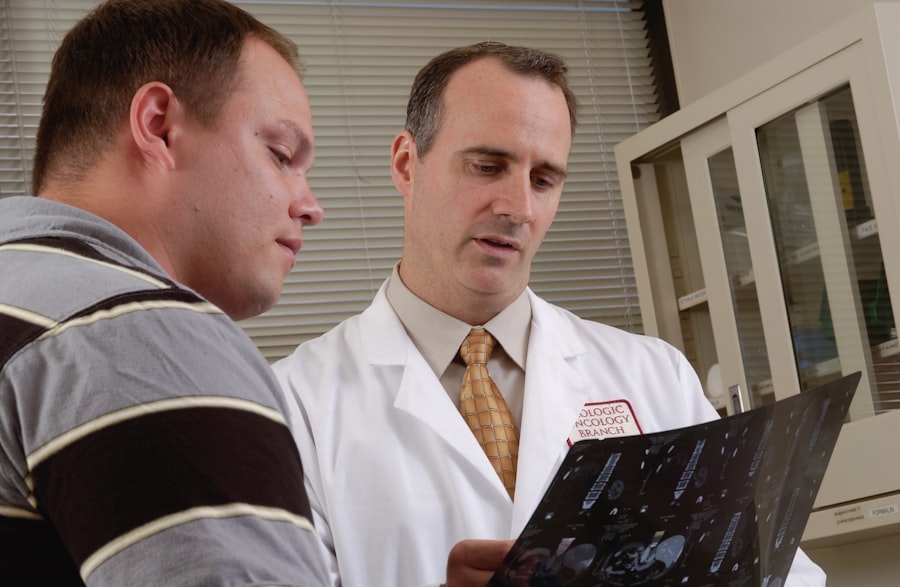
Success in clinical research demands a diverse and sophisticated skillset, blending scientific acumen with meticulous organization and ethical sensitivity. It requires more than just intelligence; it requires diligence and a keen eye for detail, the ability to see both the forest and the trees.
Scientific and Methodological Expertise
A strong foundation in relevant scientific disciplines (e.g., biology, pharmacology, statistics) is essential. Understanding research methodologies, statistical analysis, and data interpretation is critical for designing robust studies, accurately analyzing findings, and drawing valid conclusions. This includes a deep grasp of epidemiological principles and biostatistics.
Regulatory Knowledge and Compliance
Clinical research operates within a strict regulatory framework designed to ensure participant safety and data integrity. Researchers must be thoroughly conversant with regulations from bodies such as the FDA (United States), EMA (Europe), and other national and international guidelines (e.g., Good Clinical Practice – GCP). Non-compliance can lead to severe penalties, invalidation of data, and ultimately harm patients. Adherence to these guidelines is not optional; it is imperative.
Data Management and Analytics
The sheer volume of data generated in clinical trials requires sophisticated data management skills. This includes proficiency in electronic data capture (EDC) systems, database management, quality control, and data validation. Furthermore, the ability to apply appropriate statistical methods to analyze complex datasets and interpret the results effectively is crucial. Data is the raw material, and analysis is the craft that transforms it into knowledge.
Communication and Collaboration
Clinical research is inherently a team effort. Effective communication skills are vital for interacting with participants, colleagues, regulatory bodies, and funding agencies. Researchers must be able to clearly articulate research questions, explain complex methodologies, and present findings in an understandable manner. Collaboration across diverse disciplines—from clinicians to statisticians to ethicists—is commonplace and essential for comprehensive research.
Critical Thinking and Problem-Solving
Unforeseen challenges inevitably arise in clinical research. The ability to think critically, identify problems, and devise practical solutions is invaluable. This might involve adapting to new regulatory requirements, troubleshooting data collection issues, or re-evaluating research designs in light of emerging evidence. It is the ability to navigate uncharted waters with a steady hand.
The Future Trajectory of Clinical Research
| Metric | Description | Typical Value / Range | Notes |
|---|---|---|---|
| Program Duration | Length of time to complete the degree | 1 to 2 years | Full-time programs usually last 1 year; part-time may extend to 2 years |
| Credit Requirements | Total academic credits needed for graduation | 30 to 45 credits | Varies by institution and curriculum structure |
| Core Courses | Essential subjects covered in the program | 6 to 10 courses | Includes biostatistics, clinical trial design, ethics, regulatory affairs |
| Research Project / Thesis | Requirement to complete an original research project or thesis | Mandatory in most programs | May involve clinical trial data analysis or protocol development |
| Internship / Practicum | Hands-on clinical research experience | 3 to 6 months | Often required to gain practical skills in clinical settings |
| Graduation Rate | Percentage of students completing the program | 70% to 90% | Depends on program rigor and student support |
| Job Placement Rate | Percentage of graduates employed in clinical research roles within 6 months | 60% to 85% | Includes roles like clinical research coordinator, data manager, regulatory specialist |
| Average Starting Salary | Typical annual salary for graduates entering the field | 50,000 to 75,000 | Varies by region and employer type |
| Accreditation | Recognition by relevant educational and professional bodies | Yes / No | Important for program credibility and certification eligibility |
Clinical research is a dynamic field, constantly evolving with technological advancements and new scientific understanding. The future promises even more sophisticated approaches and accelerated progress.
Precision Medicine
The rise of precision medicine, tailoring treatments to an individual’s genetic makeup, lifestyle, and environment, is transforming clinical research. This involves identifying biomarkers that predict treatment response or disease susceptibility, leading to more targeted and effective interventions. Clinical trials will increasingly incorporate genetic and molecular data to identify specific patient populations most likely to benefit from a new therapy.
Artificial Intelligence and Machine Learning
AI and machine learning are poised to revolutionize various aspects of clinical research. These technologies can analyze vast datasets to identify patterns, predict outcomes, optimize trial design, automate data monitoring, and even assist in drug discovery. They offer the potential to accelerate research timelines and improve efficiency. Imagine AI sifting through mountains of data to pinpoint subtle correlations that human observation might miss.
Real-World Evidence (RWE)
While traditional clinical trials remain essential, there’s growing interest in leveraging real-world evidence (RWE) from electronic health records, insurance claims, and patient registries. RWE can provide valuable insights into how treatments perform in routine clinical practice, complementing controlled trial data and potentially expediting drug development. It’s about drawing insights from the vast, uncontrolled laboratory of everyday healthcare.
Decentralized Clinical Trials (DCTs)
The COVID-19 pandemic accelerated the adoption of decentralized clinical trials, which leverage technology to conduct parts or all of a study remotely. This includes remote monitoring, telehealth visits, and direct-to-patient drug delivery. DCTs can reduce participant burden, broaden geographic reach, and improve patient retention, making research more accessible and efficient.
Mastering clinical research is a continuous journey, demanding dedication, intellectual rigor, and an unwavering commitment to ethical practice. It is the most direct path to improving human health, a relentless pursuit of knowledge that translates directly into better lives. For those who choose this path, the reward is the profound satisfaction of contributing to the advancement of medicine, one carefully conducted study at a time. It is a monumental task, but one that yields immeasurable benefits for humanity.
