

Mastering clinical research offers a significant pathway for professionals seeking to advance within the medical field. It provides the tools and knowledge necessary to contribute to evidence-based medicine, innovate treatments, and shape healthcare policy. This article explores the multifaceted aspects of clinical research, outlining its importance and the skills required for proficiency.
Clinical research serves as the bedrock upon which modern medicine is built. Without rigorous investigation into new treatments, diagnostic methods, and disease mechanisms, healthcare would stagnate. It is a systematic process of inquiry, designed to answer specific questions about health and disease in human subjects.
Understanding the Research Continuum

Clinical research is not a solitary event but a continuum of activities, ranging from early-stage discovery to post-market surveillance. Each phase plays a critical role in bringing effective and safe therapies to patients.
- Pre-clinical Research: This phase involves laboratory-based studies and animal models, providing initial insights into a therapy’s potential. It aims to establish a scientific rationale before human trials commence.
- Phase 0 Trials: Also known as exploratory trials, these are small-scale human studies designed to gather very early pharmacokinetic and pharmacodynamic data. They are not intended to evaluate efficacy.
- Phase I Trials: These trials focus on safety and dosage in a small group of healthy volunteers or patients with the condition. The primary objective is to determine the highest tolerable dose and identify common side effects.
- Phase II Trials: Involving a larger group of patients, Phase II trials assess the efficacy of a treatment and continue to monitor safety. They aim to find the optimal dosing regimen for subsequent trials.
- Phase III Trials: Large-scale, multi-center trials comparing the new treatment to standard care or a placebo. These trials are designed to confirm efficacy, monitor side effects, and gather information allowing the drug to be used safely.
- Phase IV Trials (Post-marketing Surveillance): Conducted after a drug or device has been approved and marketed, these trials monitor long-term safety and effectiveness in a broader population. They can identify rare adverse events missed in earlier phases.
Developing Essential Research Skills
To effectively contribute to clinical research, one must cultivate a diverse set of skills. These extend beyond scientific knowledge and encompass methodological rigor, ethical understanding, and effective communication.
Methodological Expertise

A strong grasp of research methodology is paramount. This includes understanding different study designs, statistical analysis, and data interpretation.
- Study Design Principles: Familiarity with randomized controlled trials, cohort studies, case-control studies, and cross-sectional studies is fundamental. Each design has strengths and limitations that dictate its appropriateness for a given research question. You must learn to select the design that forms the most efficient and robust conduit for your inquiry.
- Biostatistics: A working knowledge of statistical concepts, such as hypothesis testing, p-values, confidence intervals, and regression analysis, is essential for interpreting and presenting research findings. Incorrect statistical application can render an entire study’s conclusions dubious.
- Data Management: Proficiency in collecting, organizing, and maintaining research data, often using specialized software, ensures data integrity and reliability. Mistakes in data management can corrupt results, akin to a faulty compass leading a ship astray.
- Critical appraisal: The ability to critically evaluate published research to assess its validity, reliability, and applicability is crucial. This involves scrutinizing methodology, results, and conclusions.
Ethical Considerations in Research
Ethical conduct is the cornerstone of clinical research. Protecting the rights and well-being of human subjects is not merely a formality but a non-negotiable principle.
- Informed Consent: Ensuring participants fully understand the nature of the study, its potential risks and benefits, and their right to withdraw at any time is a fundamental ethical requirement. Informed consent is more than a signed document; it is a continuing dialogue.
- Confidentiality and Privacy: Safeguarding the personal and health information of participants is critical. Adherence to regulations such as HIPAA (Health Insurance Portability and Accountability Act) is mandatory.
- Institutional Review Boards (IRBs): Understanding the role and requirements of IRBs (or Research Ethics Committees) is essential. These bodies review and approve research protocols to ensure ethical standards are met.
- Equipoise: Researchers must maintain a state of genuine uncertainty regarding the superior treatment in a clinical trial. This ethical principle ensures participants are not exposed to an intervention known to be inferior.
Scientific Communication
The ability to disseminate research findings clearly and concisely is as important as the research itself. Effective communication translates discoveries into actionable knowledge.
- Scientific Writing: Developing strong scientific writing skills is crucial for preparing research protocols, grant applications, manuscripts for publication, and regulatory documents. Clarity, precision, and adherence to scientific conventions are hallmarks of good scientific writing. It must be a crystal pane, not a stained-glass window, allowing the data to shine through unadulterated.
- Presentation Skills: Effectively presenting research findings at conferences, meetings, and to various stakeholders requires clear verbal communication and compelling visual aids.
- Collaboration: Clinical research is often a team effort. The ability to collaborate effectively with colleagues from diverse disciplines, including statisticians, clinicians, and basic scientists, is vital for success.
Navigating the Regulatory Landscape
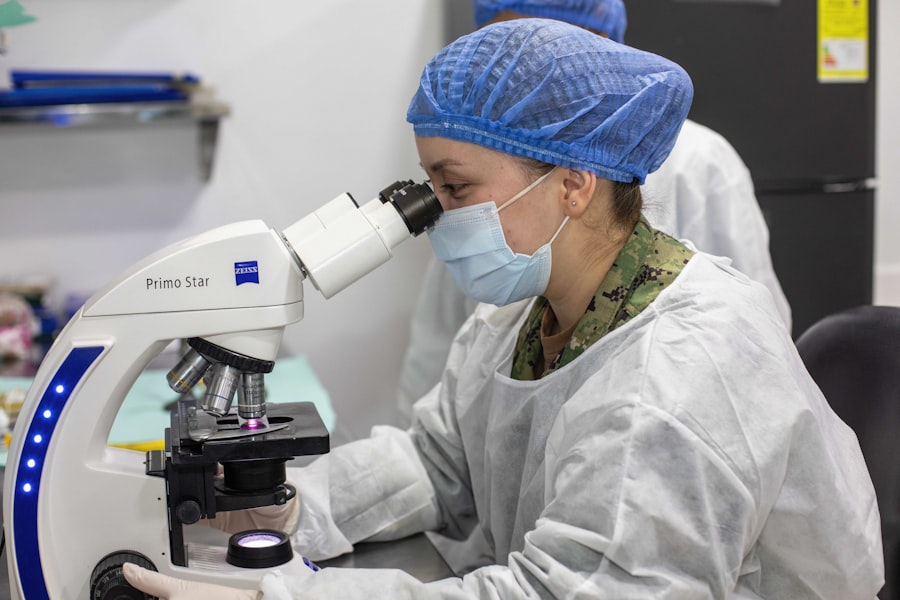
Clinical research operates within a complex web of national and international regulations. Adherence to these guidelines is not optional; it is a prerequisite for conducting legitimate and safe research.
Understanding Regulatory Agencies
Key regulatory bodies play a pivotal role in overseeing clinical trials and ensuring the safety and efficacy of medical products.
- Food and Drug Administration (FDA) in the US: The FDA is responsible for protecting public health by ensuring the safety, efficacy, and security of human and veterinary drugs, biological products, and medical devices. Understanding its guidelines, such as Good Clinical Practice (GCP), is imperative.
- European Medicines Agency (EMA) in Europe: The EMA is responsible for the scientific evaluation of medicines developed by pharmaceutical companies for use in the European Union. Its regulations align with international standards and ensure consistent safety and quality.
- International Conference on Harmonisation (ICH): ICH brings together regulatory authorities and pharmaceutical industry representatives from Europe, Japan, and the United States to discuss scientific and technical aspects of drug registration. Its guidelines, particularly ICH-GCP, are globally recognized standards for clinical trials.
Good Clinical Practice (GCP)
GCP is an international ethical and scientific quality standard for designing, conducting, recording, and reporting trials that involve the participation of human subjects. Adherence to GCP provides public assurance that the rights, safety, and well-being of trial subjects are protected, and that clinical trial data are credible.
- Investigator Responsibilities: Researchers must understand their duties, including obtaining informed consent, adhering to the protocol, and reporting adverse events.
- Sponsor Responsibilities: The entity initiating and funding the research has responsibilities related to trial design, monitoring, and quality assurance.
- Ethics Committee/IRB Responsibilities: These bodies ensure the ethical conduct of research by reviewing and approving protocols and consent forms.
Career Pathways in Clinical Research

Mastering clinical research opens doors to a variety of career opportunities within academia, industry, and government.
Academic Research
Within academic institutions, clinical researchers contribute to knowledge creation and education.
- Principal Investigator (PI): PIs lead research teams, design studies, secure funding, and oversee all aspects of a clinical trial. This role requires a high degree of scientific acumen and leadership.
- Research Coordinator: These professionals manage the day-to-day operations of clinical trials, ensuring adherence to protocols, managing data, and interacting with participants. They are the gears that keep the experiment moving.
- Biostatistician: Biostatisticians apply statistical methods to clinical data, design studies, analyze results, and contribute to the interpretation of findings. They are the cartographers of data, mapping meaning from numbers.
- Data Manager: Responsible for the collection, cleaning, and organization of research data, ensuring its accuracy and integrity.
Pharmaceutical and Biotechnology Industry
The pharmaceutical and biotechnology sectors are major employers of clinical research professionals, involved in the development and testing of new drugs and medical devices.
- Clinical Research Associate (CRA): CRAs monitor clinical trials at various sites, ensuring compliance with protocols, GCP, and regulatory requirements. They are the eyes and ears of the sponsor at the trial sites.
- Clinical Project Manager (CPM): CPMs oversee entire clinical trials, coordinating activities across multiple departments and ensuring projects are completed on time and within budget.
- Medical Science Liaison (MSL): MSLs serve as scientific experts, engaging with healthcare professionals to discuss research findings and product information.
- Regulatory Affairs Specialist: These professionals ensure that new medical products comply with regulatory requirements from relevant agencies, guiding products through the approval process.
Government and Public Health Agencies
Government agencies, such as the National Institutes of Health (NIH) or the Centers for Disease Control and Prevention (CDC), also employ clinical researchers to address public health challenges.
- Epidemiologist: Epidemiologists study the patterns, causes, and effects of health and disease conditions in defined populations. They apply clinical research principles to understand disease outbreaks and public health interventions.
- Public Health Researcher: These professionals conduct research aimed at improving public health outcomes, often focusing on disease prevention, health promotion, and healthcare delivery systems.
The Future of Clinical Research
| Metric | Details |
|---|---|
| Program Duration | 1 to 2 years (full-time) |
| Core Subjects | Clinical Trial Design, Biostatistics, Regulatory Affairs, Ethics in Research, Data Management |
| Average Tuition Fees | 15,000 – 40,000 (varies by institution and country) |
| Career Opportunities | Clinical Research Associate, Data Manager, Regulatory Affairs Specialist, Clinical Project Manager |
| Prerequisites | Bachelor’s degree in Life Sciences, Pharmacy, Medicine, or related field |
| Research Component | Includes thesis or dissertation based on clinical research project |
| Accreditation Bodies | ACRP (Association of Clinical Research Professionals), SOCRA (Society of Clinical Research Associates) |
| Average Starting Salary | 50,000 – 70,000 per year (varies by region and experience) |
| Mode of Study | Full-time, Part-time, Online options available |
The landscape of clinical research is constantly evolving, driven by technological advancements and emerging scientific understanding. Staying abreast of these developments is crucial for continued relevance.
Impact of Technology
Technological advancements are reshaping how clinical research is conducted, making it more efficient and data-rich.
- Electronic Health Records (EHRs): The integration of EHRs is streamlining data collection and improving data quality, enabling large-scale real-world evidence studies.
- Artificial Intelligence (AI) and Machine Learning (ML): AI and ML are being applied to various aspects of clinical research, including patient recruitment, predictive modeling, and drug discovery, akin to a powerful magnifier revealing hidden patterns in vast datasets.
- Wearable Devices and Remote Monitoring: These technologies allow for continuous data collection from participants in their natural environments, providing richer and more frequent data points, thus extending the laboratory into the participant’s daily life.
- Decentralized Clinical Trials (DCTs): DCTs leverage technology to conduct many or all trial activities remotely, reducing the burden on participants and increasing accessibility.
Personalized Medicine
The burgeoning field of personalized medicine, which tailors treatments to an individual’s genetic makeup, lifestyle, and environment, is driving new research paradigms. This approach necessitates clinical trials that consider individual variability, moving beyond the one-size-fits-all model.
Interdisciplinary Collaboration
The increasing complexity of medical challenges demands greater collaboration across diverse scientific disciplines. Future clinical research will increasingly involve partnerships between clinicians, basic scientists, engineers, data scientists, and social scientists, forming a tapestry of expertise.
Conclusion
Mastering clinical research is not merely about acquiring a set of theoretical knowledge; it is about cultivating a mindset of rigorous inquiry, ethical responsibility, and continuous learning. It is a commitment to fostering evidence-based medicine, pushing the boundaries of what is possible in healthcare, and ultimately improving patient outcomes. The journey requires dedication, precision, and an unwavering commitment to the scientific process. By embracing its challenges and opportunities, you can position yourself at the forefront of medical advancement, contributing significantly to the health and well-being of future generations.
