
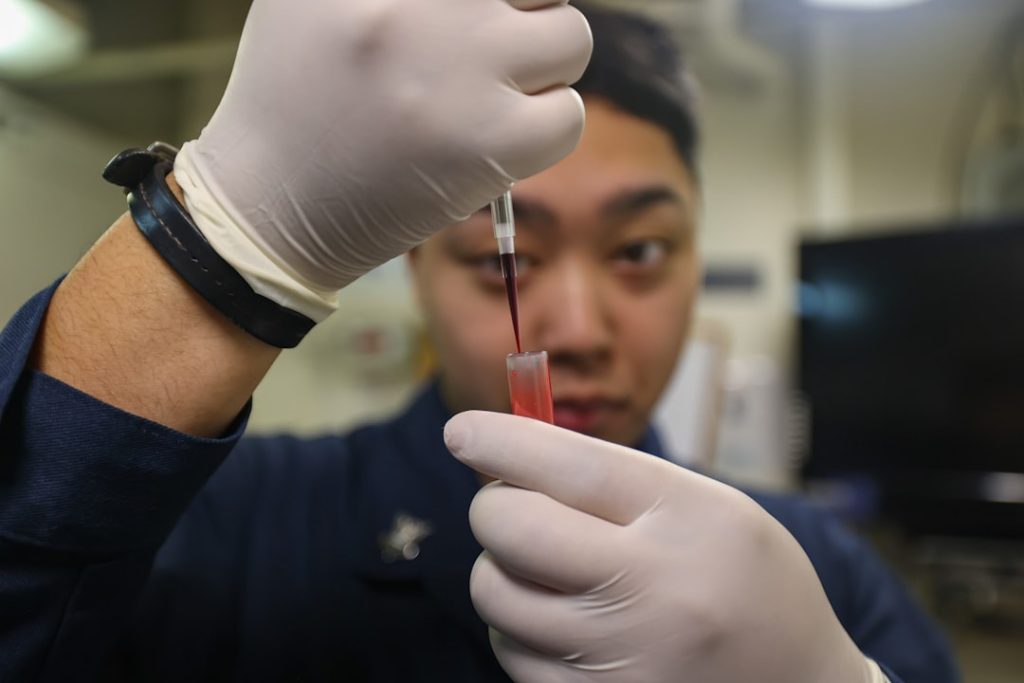
Clinical research serves as the bedrock upon which medical progress is built. It is the structured investigation of human health and disease, encompassing a broad spectrum of studies designed to improve understanding, prevention, diagnosis, and treatment. Without rigorous clinical research, medical practice would remain static, relying on anecdote and conjecture rather than evidence-based insights. This article delves into the multifaceted world of clinical research, outlining its fundamental principles, methodologies, and the critical skills required to navigate its complexities.
The Foundational Principles of Clinical Research
At its core, clinical research adheres to a set of ethical and scientific principles designed to protect participants and ensure the validity of findings. These principles act as a compass, guiding researchers through the intricate landscape of investigation.
Ethical Imperatives

The ethical treatment of human subjects is paramount. Research must be conducted with the utmost respect for individual autonomy, beneficence, and justice. This translates into several concrete practices:
- Informed Consent: Participants must be fully apprised of the study’s purpose, procedures, potential risks, and benefits before voluntarily agreeing to participate. This process is not a mere formality but an ongoing dialogue, ensuring that individuals retain control over their bodies and data. Think of it as a clear contract, where both parties understand and agree to the terms.
- Confidentiality and Privacy: Safeguarding participant data is crucial. Researchers are obligated to protect sensitive information, preventing unauthorized access or disclosure. This builds trust and encourages participation, as individuals know their personal details will be handled responsibly.
- Minimization of Risk: Studies should be designed to minimize potential harm to participants. The potential benefits must outweigh the inherent risks, a delicate balancing act that requires careful consideration and ethical review. This is akin to a pilot meticulously checking a flight plan before takeoff, ensuring all safety measures are in place.
- Independent Review Boards (IRBs): These committees, composed of scientists, ethicists, and community members, scrutinize research protocols to ensure ethical compliance. They act as a critical checkpoint, providing an external layer of oversight.
Scientific Rigor
Beyond ethics, scientific rigor is essential for generating reliable and generalizable knowledge. This involves meticulous planning, execution, and analysis.
- Clear Research Questions: A well-defined research question is the starting point for any successful study. It acts as a lighthouse, guiding the entire investigative process. Vague questions lead to nebulous results.
- Appropriate Study Design: Selecting the correct study design (e.g., randomized controlled trial, cohort study, case-control study) is crucial for addressing the research question effectively and minimizing bias. Each design has its strengths and limitations, and a mismatch can render findings unreliable. Imagine trying to use a screwdriver to hammer a nail; the wrong tool will yield poor results.
- Robust Methodology: Detailed and reproducible methods are indispensable. Other researchers should be able to replicate the study, verifying its findings. Transparency in methodology builds credibility.
- Statistical Analysis: Appropriate statistical methods are used to interpret data, identify patterns, and draw valid conclusions. Misapplication of statistics can lead to misleading or erroneous interpretations.
Methodological Approaches in Clinical Research

The landscape of clinical research is diverse, encompassing a variety of methodologies tailored to different research questions. Understanding these approaches is fundamental to designing and interpreting studies.
Observational Studies
These studies observe and analyze existing patterns and associations without intervention. They are valuable for identifying potential risk factors or protective factors, and for understanding the natural history of diseases.
- Cohort Studies: These studies follow a group of individuals over time, observing who develops a particular outcome or disease. They are useful for establishing incidence and exploring the natural progression of conditions. Think of it as tracking a group of individuals through their lives, noting changes and developments.
- Case-Control Studies: These studies compare individuals with a disease (cases) to individuals without the disease (controls) to identify past exposures or characteristics that differ between the groups. They are particularly useful for investigating rare diseases.
- Cross-sectional Studies: These studies gather data from a defined population at a single point in time. They provide a snapshot of prevalence and can identify associations, but cannot establish cause-and-effect.
Interventional Studies (Clinical Trials)
These studies involve actively intervening in a group of participants to evaluate the effect of a specific treatment or intervention. They are considered the gold standard for establishing causality.
- Randomized Controlled Trials (RCTs): Participants are randomly assigned to either an intervention group or a control group (receiving a placebo, standard treatment, or no intervention). Randomization helps minimize bias and ensures that the groups are comparable at baseline. This random assignment is like shuffling a deck of cards to ensure a fair deal.
- Phases of Clinical Trials: New treatments typically progress through several phases of clinical trials:
- Phase I: Small studies evaluating safety and dosage in healthy volunteers or patients.
- Phase II: Larger studies assessing efficacy and further safety in patients with the target condition.
- Phase III: Large-scale studies comparing the new intervention against existing treatments or placebo, providing definitive evidence of efficacy and safety for regulatory approval.
- Phase IV: Post-marketing studies monitoring long-term effects and identifying rare adverse events once a drug is on the market.
Data Management and Analysis
The integrity of clinical research hinges on meticulous data management and appropriate statistical analysis. Errors in these areas can undermine an entire study.
Data Collection and Quality
High-quality data is the cornerstone of reliable findings. Researchers must implement robust systems to ensure accuracy, completeness, and consistency of data.
- Standardized Data Collection Tools: Using standardized forms, questionnaires, and electronic data capture (EDC) systems minimizes variability and transcription errors.
- Data Validation and Cleaning: Routinely checking data for inconsistencies, outliers, and missing values is crucial. This process is like sifting through sand to find the gold, removing impurities to reveal valuable insights.
- Participant Retention: Minimizing participant dropout is vital for maintaining study power and avoiding selection bias. Strategies like clear communication and incentives can aid retention.
Statistical Foundations
Statistical analysis transforms raw data into meaningful insights. A solid understanding of statistical principles is indispensable for researchers.
- Descriptive Statistics: Summarizing and describing data using measures of central tendency (mean, median, mode) and variability (standard deviation, range).
- Inferential Statistics: Drawing conclusions about a population based on sample data, using techniques like hypothesis testing and confidence intervals. This allows researchers to generalize findings beyond their study sample.
- Statistical Software: Proficiency in statistical software packages (e.g., R, SAS, SPSS, STATA) is essential for handling and analyzing large datasets.
Regulatory and Ethical Landscape
Clinical research operates within a complex web of regulations and ethical guidelines designed to protect participants and ensure scientific integrity. Adherence to these frameworks is non-negotiable.
Regulatory Bodies
Governmental and international bodies establish and enforce standards for clinical research.
- Food and Drug Administration (FDA) in the US, European Medicines Agency (EMA) in Europe, Health Canada: These agencies are responsible for regulating drugs, devices, and biologics, setting standards for clinical trials and approving new medical products. Their oversight is a critical filter, ensuring that only safe and effective treatments reach the public.
- International Conference on Harmonisation (ICH) Good Clinical Practice (GCP): GCP is an international ethical and scientific quality standard for designing, conducting, recording, and reporting trials that involve the participation of human subjects. Adherence to GCP provides public assurance that the rights, safety, and well-being of trial subjects are protected and that clinical trial data are credible.
Ethical Frameworks
Beyond regulatory requirements, international ethical frameworks provide overarching guidance.
- Declaration of Helsinki: A set of ethical principles regarding human experimentation developed by the World Medical Association. It emphasizes the primacy of the well-being of the human subject.
- Belmont Report: Outlines three core ethical principles for research involving human subjects: respect for persons, beneficence, and justice. These principles form the bedrock of ethical conduct in research.
Cultivating Expertise in Clinical Research
Mastering clinical research is an ongoing journey that requires a blend of knowledge, skills, and a commitment to continuous learning. It is not a destination, but a continuous process of refinement.
Essential Skills
Successful clinical researchers possess a diverse set of skills that extend beyond scientific knowledge.
- Critical Thinking: The ability to evaluate evidence, identify biases, and formulate well-reasoned conclusions. This is the intellectual engine that drives effective research.
- Attention to Detail: Meticulousness in data collection, documentation, and protocol adherence is paramount. Small errors can have significant consequences.
- Communication: Clearly articulating research questions, methodologies, findings, and implications to diverse audiences (scientists, clinicians, patients, the public). Effective communication is the bridge between discovery and impact.
- Problem-Solving: Identifying and addressing challenges that invariably arise during the course of a study, from recruitment difficulties to unexpected data patterns.
- Teamwork and Leadership: Collaborating effectively with multidisciplinary teams, including physicians, statisticians, nurses, and project managers. Clinical research is rarely a solo endeavor.
Educational Pathways
A variety of educational pathways can equip individuals for careers in clinical research.
- Undergraduate Degrees: Degrees in life sciences, public health, nursing, or related fields provide a foundational understanding.
- Graduate Programs: Master’s degrees (e.g., Master of Science in Clinical Research, Master of Public Health with a concentration in epidemiology or biostatistics) and doctoral degrees (e.g., Ph.D. in Epidemiology, Ph.D. in Biostatistics) offer specialized training.
- Medical Degrees with Research Focus: Physicians often integrate research into their clinical careers through fellowships or dedicated research opportunities.
- Certifications: Professional certifications (e.g., Certified Clinical Research Professional, Certified Clinical Research Coordinator) demonstrate proficiency in specific aspects of clinical research.
Continuous Learning and Professional Development
The field of clinical research is dynamic, constantly evolving with new methodologies, technologies, and regulatory changes.
- Staying Current with Literature: Regularly reading peer-reviewed journals and attending scientific conferences is essential for keeping abreast of advancements.
- Workshops and Training: Participating in specialized workshops on topics such as advanced statistical methods, new data management platforms, or ethical considerations.
- Mentorship: Seeking guidance from experienced researchers can provide invaluable insights and career development opportunities. A mentor acts as a seasoned navigator, sharing their map of challenging terrain.
- Active Participation in Professional Organizations: Engaging with professional bodies fosters networking, knowledge exchange, and opportunities for leadership.
Mastering clinical research is a challenging yet profoundly rewarding endeavor. It requires a blend of intellectual rigor, ethical commitment, and practical skills. By adhering to foundational principles, employing robust methodologies, managing data judiciously, navigating the regulatory landscape, and continuously cultivating expertise, individuals can contribute significantly to the advancement of medical knowledge. The ultimate goal is to generate reliable evidence that improves human health, one study at a time. The pursuit of this mastery is not merely an academic exercise; it is a direct contribution to better outcomes for patients worldwide.
