
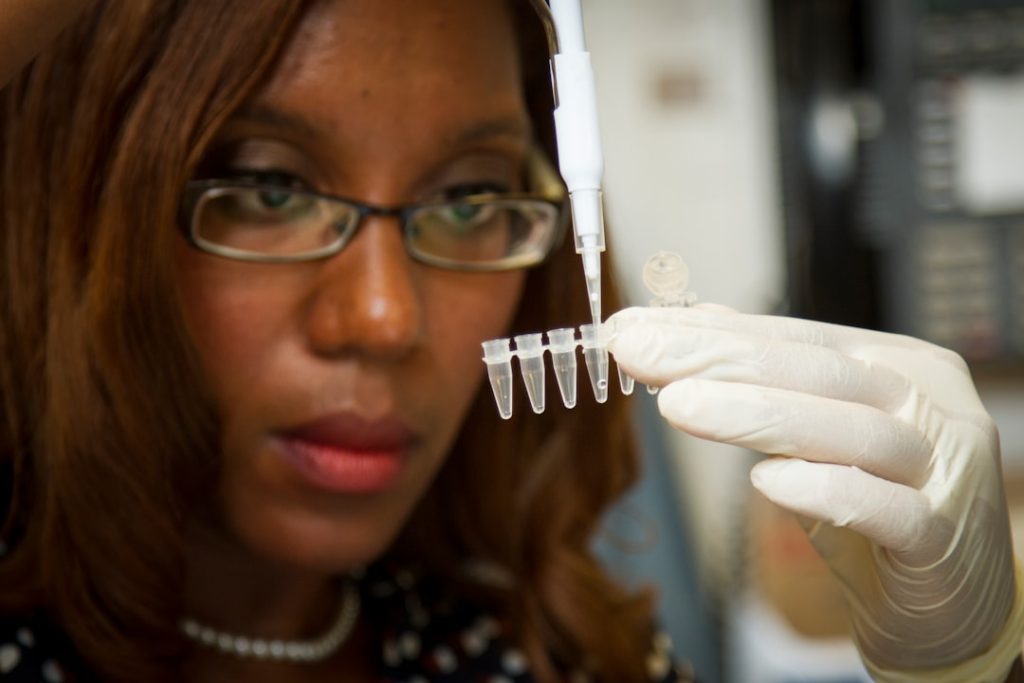
Clinical research serves as a critical link between laboratory discoveries and their implementation in patient care within modern medicine. A Master’s in Clinical Research provides students with essential skills and knowledge required to operate effectively in this specialized field. The program emphasizes research methodologies, ethical principles, and regulatory compliance standards that govern clinical trials and research studies.
The growing complexity of healthcare systems has increased demand for qualified professionals capable of conducting and managing clinical research projects. The curriculum covers comprehensive aspects of clinical trials, including study design principles, data management systems, and statistical analysis techniques. The program typically enrolls candidates with educational backgrounds in health sciences, nursing, pharmacy, or related disciplines who seek to expand their professional capabilities and contribute to medical research advancement.

Graduates develop expertise in both scientific research methods and administrative processes essential for clinical research operations, preparing them to address current challenges in healthcare delivery and medical research.
Key Takeaways
- A Master’s in Clinical Research equips students with specialized knowledge to advance medical science.
- The program’s curriculum covers study design, biostatistics, ethics, and regulatory affairs.
- Graduates have diverse career options in academia, industry, and healthcare settings.
- Training emphasizes skills in data analysis, research methodologies, and interdisciplinary collaboration.
- Advances in technology enhance research quality, ultimately improving patient care and health outcomes.
Importance of Advancing Medical Knowledge

Advancing medical knowledge is paramount for improving patient care and outcomes. Clinical research plays a vital role in this process by generating evidence that informs clinical practices, treatment protocols, and healthcare policies. Through rigorous studies, researchers can identify effective therapies, understand disease mechanisms, and evaluate the safety and efficacy of new medications or interventions.
This evidence-based approach is essential for ensuring that healthcare providers can make informed decisions that ultimately benefit patients. Moreover, clinical research contributes to the continuous evolution of medical science. As new diseases emerge and existing conditions evolve, ongoing research is necessary to develop innovative solutions.
For instance, the rapid development of COVID-19 vaccines showcased how clinical research can respond to urgent public health needs. The collaboration between researchers, pharmaceutical companies, and regulatory agencies led to unprecedented timelines for vaccine development, demonstrating the critical importance of clinical research in addressing global health crises.
Curriculum and Coursework in a Master’s in Clinical Research Program
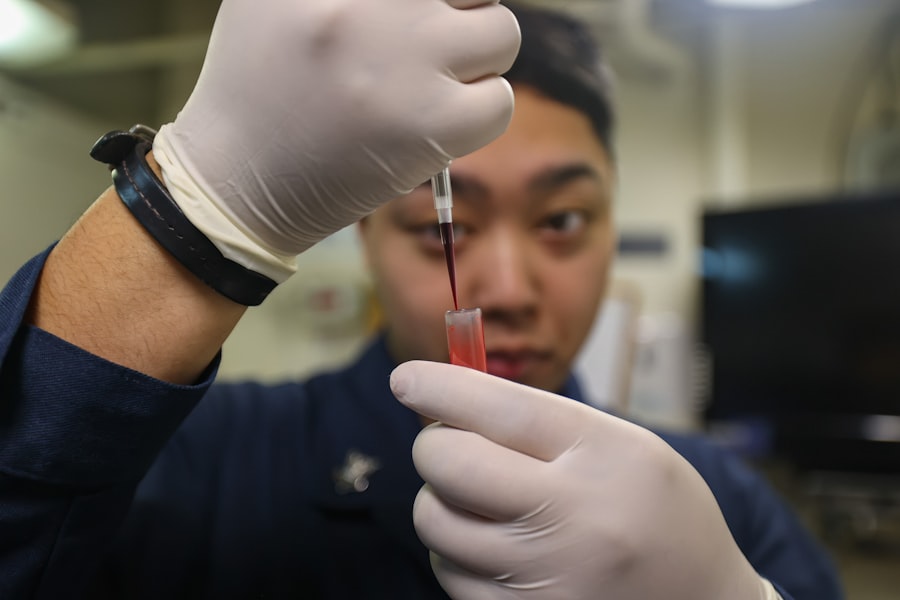
The curriculum of a Master’s in Clinical Research program is meticulously designed to provide students with a comprehensive understanding of the various facets of clinical research. Core courses typically cover essential topics such as biostatistics, epidemiology, research ethics, and regulatory affairs. These foundational subjects equip students with the analytical skills necessary to design robust studies and interpret complex data sets.
In addition to core courses, many programs offer specialized electives that allow students to tailor their education to their specific interests. For example, students may choose courses focused on clinical trial management, pharmacovigilance, or health economics. This flexibility enables graduates to emerge with a unique skill set that aligns with their career aspirations.
Furthermore, hands-on experiences such as internships or capstone projects are often integrated into the curriculum, providing students with practical exposure to real-world clinical research settings.
Career Opportunities for Graduates
Graduates of a Master’s in Clinical Research program find themselves well-positioned for a variety of career opportunities across multiple sectors. One common pathway is working as a clinical research coordinator or manager, where individuals oversee the day-to-day operations of clinical trials. This role involves coordinating with investigators, managing study budgets, and ensuring compliance with regulatory requirements.
The ability to effectively manage these responsibilities is crucial for the successful execution of clinical studies. In addition to roles within clinical trial management, graduates may also pursue careers in regulatory affairs or quality assurance. These positions focus on ensuring that research practices adhere to established guidelines and standards set forth by regulatory bodies such as the Food and Drug Administration (FDA) or the European Medicines Agency (EMA).
Furthermore, opportunities exist within pharmaceutical companies, biotechnology firms, academic institutions, and government agencies. The diverse range of career paths available reflects the multifaceted nature of clinical research and its integral role in advancing healthcare.
Research Opportunities and Collaborations
| Metric | Details |
|---|---|
| Program Duration | 1 to 2 years full-time |
| Core Subjects | Clinical Trial Design, Biostatistics, Regulatory Affairs, Ethics in Research, Data Management |
| Average Tuition Fees | 15,000 – 40,000 (varies by institution and country) |
| Career Opportunities | Clinical Research Associate, Data Manager, Regulatory Affairs Specialist, Clinical Project Manager |
| Average Starting Salary | 50,000 – 70,000 per year (varies by region and experience) |
| Prerequisites | Bachelor’s degree in Life Sciences, Pharmacy, Medicine, or related field |
| Accreditation Bodies | ACRP (Association of Clinical Research Professionals), SOCRA (Society of Clinical Research Associates) |
| Mode of Study | Full-time, Part-time, Online, Hybrid |
| Research Component | Thesis or Capstone Project required in most programs |
One of the most exciting aspects of pursuing a Master’s in Clinical Research is the opportunity for involvement in cutting-edge research projects. Many programs foster collaborations with hospitals, pharmaceutical companies, and research institutions, allowing students to engage in meaningful research initiatives during their studies. These partnerships not only enhance the educational experience but also provide invaluable networking opportunities that can lead to future employment.
For instance, students may participate in ongoing clinical trials or contribute to observational studies that investigate patient outcomes across various demographics. Such experiences enable students to apply theoretical knowledge in practical settings while gaining insights into the complexities of conducting research in real-world environments. Additionally, these collaborations often result in co-authorship opportunities on published papers or presentations at conferences, further enhancing students’ professional profiles.
Skills and Competencies Developed in a Master’s in Clinical Research Program
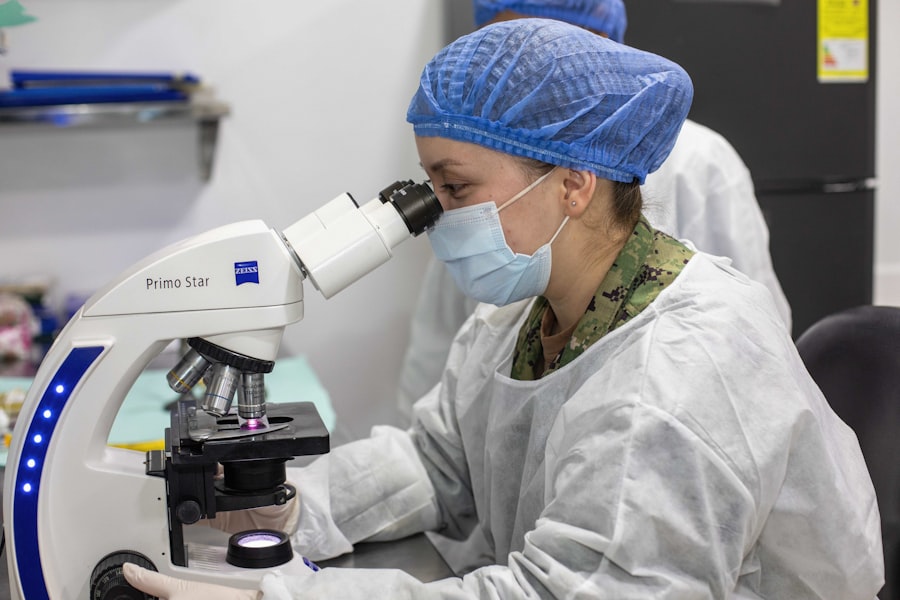
A Master’s in Clinical Research program cultivates a diverse array of skills and competencies that are essential for success in the field. Critical thinking and analytical skills are paramount; students learn to evaluate research methodologies critically and assess the validity of study findings. This analytical mindset is crucial when interpreting data and making informed decisions based on evidence.
Moreover, effective communication skills are emphasized throughout the program. Graduates must be able to convey complex scientific concepts clearly and concisely to various stakeholders, including healthcare professionals, regulatory agencies, and patients. This ability to communicate effectively is vital for fostering collaboration among interdisciplinary teams and ensuring that research findings are disseminated appropriately.
Additionally, project management skills are developed as students learn to plan, execute, and monitor clinical trials while adhering to timelines and budgets.
Advancements in Technology and Data Analysis in Clinical Research
The landscape of clinical research has been significantly transformed by advancements in technology and data analysis techniques. The integration of electronic health records (EHRs), wearable devices, and mobile health applications has revolutionized data collection methods. Researchers can now gather real-time data from patients outside traditional clinical settings, enhancing the richness of study findings.
Furthermore, sophisticated data analysis tools have emerged that allow researchers to handle large datasets more efficiently. Techniques such as machine learning and artificial intelligence are increasingly being utilized to identify patterns within complex data sets that may not be apparent through traditional statistical methods. These technological advancements not only streamline the research process but also enhance the accuracy and reliability of study outcomes.
Impact of Master’s in Clinical Research on Healthcare and Patient Outcomes
The impact of a Master’s in Clinical Research extends far beyond individual careers; it significantly influences healthcare systems and patient outcomes on a broader scale. By training skilled professionals who can conduct high-quality research, these programs contribute directly to the generation of evidence-based practices that improve patient care. For example, findings from clinical trials often lead to new treatment protocols that enhance patient safety and efficacy.
Moreover, graduates play a crucial role in addressing health disparities by conducting research that focuses on underrepresented populations or specific health conditions that disproportionately affect certain groups. This commitment to inclusivity ensures that advancements in medical knowledge benefit all segments of society rather than a select few. Ultimately, the work of those trained in clinical research fosters a more equitable healthcare landscape where evidence-based practices lead to improved health outcomes for diverse populations.
In summary, a Master’s in Clinical Research is not merely an academic pursuit; it is a vital component of the healthcare ecosystem that drives innovation and enhances patient care through rigorous scientific inquiry. The skills acquired through such programs empower graduates to make meaningful contributions to medical science while addressing pressing health challenges faced by society today.
