

Clinical trial feasibility is a critical component in the development of new therapies and medical interventions. It serves as the foundation upon which successful clinical trials are built, ensuring that the proposed study can be conducted effectively and efficiently. The feasibility assessment encompasses a wide range of factors, including patient recruitment potential, site capabilities, regulatory considerations, and logistical challenges.
By thoroughly evaluating these elements before initiating a trial, sponsors can significantly reduce the risk of delays, budget overruns, and ultimately, trial failure. The importance of clinical trial feasibility extends beyond mere logistical considerations; it also has profound implications for patient safety and scientific integrity. A well-conducted feasibility assessment can help identify potential barriers to patient enrollment, such as competing studies or insufficient patient populations.

This proactive approach not only enhances the likelihood of meeting recruitment targets but also ensures that the trial is designed with the patient experience in mind. By prioritizing feasibility, researchers can create a more robust framework for their studies, ultimately leading to more reliable and generalizable results.
Key Takeaways
- Clinical trial feasibility is crucial for successful study planning and execution.
- Identifying challenges early helps prevent delays and resource wastage.
- Data analytics enhances accuracy in assessing trial feasibility.
- Engaging stakeholders ensures comprehensive feasibility evaluation.
- Technology and best practices optimize site selection and risk mitigation.
Identifying Potential Challenges in Clinical Trial Feasibility

Identifying potential challenges in clinical trial feasibility is essential for mitigating risks that could jeopardize the success of a study. One of the most significant hurdles is patient recruitment. Factors such as stringent inclusion and exclusion criteria, competition from other trials, and geographical limitations can all hinder the ability to enroll a sufficient number of participants.
For instance, a trial focused on a rare disease may struggle to find eligible patients within a limited geographic area, leading to delays in study timelines and increased costs. Another challenge lies in the operational aspects of conducting a clinical trial. This includes assessing the capabilities of clinical sites, the availability of necessary resources, and the expertise of the staff involved.
For example, if a site lacks experience with specific procedures or technologies required for the trial, it may not be able to execute the study as planned. Additionally, logistical issues such as supply chain management for investigational products or coordinating visits for participants can pose significant challenges. Recognizing these potential obstacles early in the feasibility assessment process allows sponsors to develop strategies to address them proactively.
Utilizing Data and Analytics to Assess Feasibility
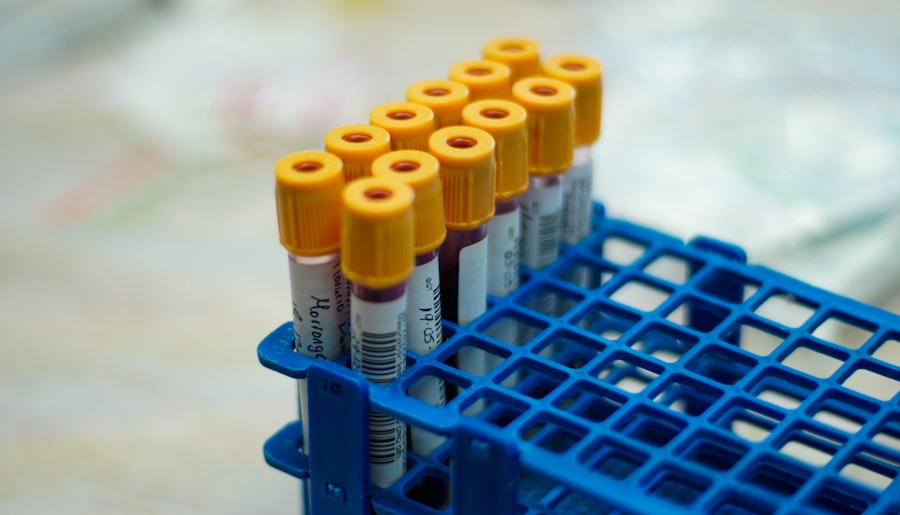
In today’s data-driven landscape, leveraging data and analytics is paramount for assessing clinical trial feasibility effectively. By harnessing historical data from previous trials, sponsors can gain insights into patient demographics, recruitment rates, and site performance. For instance, analyzing data from similar studies can reveal trends in enrollment patterns or highlight specific sites that have consistently performed well in recruiting participants.
This information can guide decision-making and help identify optimal sites for new trials. Moreover, advanced analytics tools can facilitate predictive modeling to forecast potential challenges in recruitment and retention. By utilizing algorithms that analyze various factors—such as patient demographics, disease prevalence, and site capabilities—researchers can create simulations that predict outcomes under different scenarios.
This approach not only enhances the accuracy of feasibility assessments but also allows for more informed strategic planning. For example, if predictive models indicate that certain sites are likely to underperform in recruitment, sponsors can consider alternative locations or adjust their recruitment strategies accordingly.
Engaging Key Stakeholders in Feasibility Assessment
Engaging key stakeholders in the feasibility assessment process is crucial for ensuring that all perspectives are considered and that potential challenges are addressed collaboratively. Stakeholders may include clinical investigators, site staff, regulatory representatives, and even patients themselves. Each group brings unique insights that can enhance the feasibility evaluation.
For instance, clinical investigators can provide valuable input on patient eligibility criteria and potential recruitment strategies based on their experience with similar studies. Involving patients in the feasibility assessment process is particularly important as their perspectives can shed light on barriers to participation that researchers may not have considered. Conducting focus groups or surveys with potential participants can reveal concerns about study logistics, such as travel requirements or time commitments.
By incorporating this feedback into the feasibility assessment, sponsors can design trials that are more aligned with patient needs and preferences, ultimately improving recruitment and retention rates.
Optimizing Site Selection for Feasibility
| Metric | Description | Typical Value/Range | Importance |
|---|---|---|---|
| Patient Recruitment Rate | Number of patients enrolled per site per month | 2-5 patients/site/month | High |
| Site Activation Time | Time from site selection to site readiness | 4-8 weeks | Medium |
| Screen Failure Rate | Percentage of screened patients who do not meet inclusion criteria | 20-40% | High |
| Protocol Complexity | Number of procedures and assessments per patient | 10-30 procedures | Medium |
| Site Experience Level | Number of previous trials conducted by the site | 5-20 trials | High |
| Regulatory Approval Time | Time taken to obtain ethics and regulatory approvals | 6-12 weeks | High |
| Patient Availability | Estimated number of eligible patients at the site | 50-200 patients | High |
| Dropout Rate | Percentage of patients who discontinue the trial prematurely | 10-20% | Medium |
Site selection is a pivotal aspect of clinical trial feasibility that directly impacts the success of a study. An optimal site not only has access to a suitable patient population but also possesses the necessary infrastructure and expertise to conduct the trial effectively. To optimize site selection, sponsors should conduct thorough assessments of potential sites based on various criteria, including previous performance in similar studies, staff qualifications, and available resources.
Additionally, geographic considerations play a significant role in site selection. Trials that require participants to travel long distances may face challenges in recruitment and retention. Therefore, identifying sites located near target patient populations is essential.
For example, if a trial focuses on a specific demographic group prevalent in certain regions, selecting sites within those areas can enhance enrollment efforts. Furthermore, establishing strong relationships with site personnel can facilitate smoother communication and collaboration throughout the trial.
Leveraging Technology for Feasibility Assessment
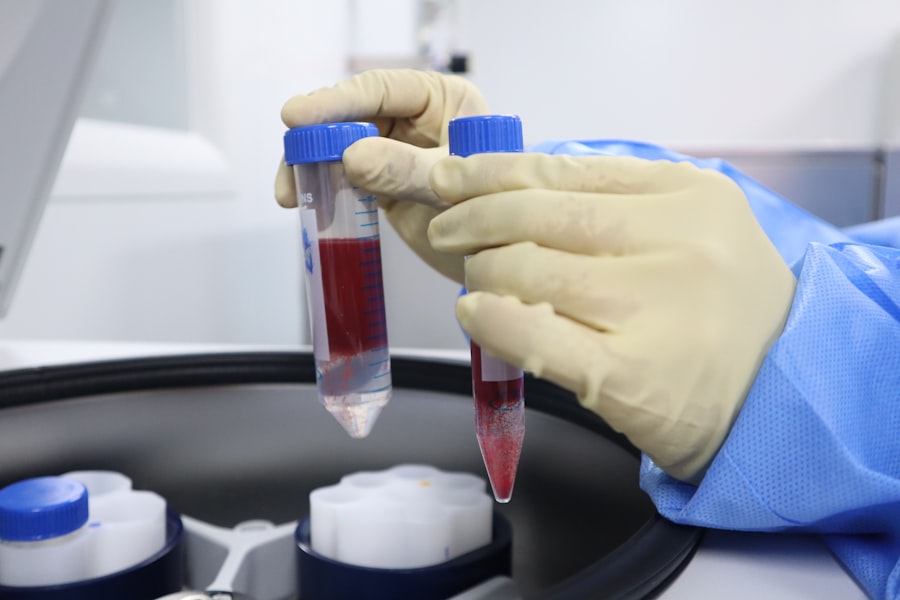
The integration of technology into clinical trial feasibility assessments has revolutionized how researchers evaluate potential studies. Electronic data capture systems and clinical trial management software streamline data collection and analysis processes, allowing for more efficient assessments. These tools enable sponsors to gather real-time data on site capabilities, patient demographics, and historical performance metrics, providing a comprehensive view of feasibility factors.
Moreover, telemedicine and remote monitoring technologies have expanded the possibilities for conducting trials by enabling researchers to reach patients who may not be able to visit sites in person. This approach not only broadens the potential participant pool but also enhances patient convenience and engagement. For instance, virtual visits can be particularly beneficial for trials involving chronic conditions where regular monitoring is required but may be logistically challenging for patients.
By leveraging these technological advancements, sponsors can enhance their feasibility assessments and ultimately improve trial outcomes.
Mitigating Risks and Challenges in Feasibility
Mitigating risks and challenges during the feasibility assessment phase is essential for ensuring that clinical trials proceed smoothly. One effective strategy is to conduct scenario planning exercises that explore various “what-if” situations that could arise during the trial. By anticipating potential issues—such as changes in regulatory requirements or unexpected site closures—researchers can develop contingency plans that outline how they would respond to these challenges.
Additionally, establishing clear communication channels among all stakeholders is vital for addressing issues as they arise. Regular meetings with site staff and investigators can facilitate open dialogue about any concerns or obstacles encountered during the feasibility assessment process. This collaborative approach fosters a culture of transparency and problem-solving that can significantly enhance the overall success of the trial.
Implementing Best Practices for Maximizing Feasibility
Implementing best practices for maximizing clinical trial feasibility involves a combination of strategic planning, stakeholder engagement, and continuous evaluation. One best practice is to establish a standardized feasibility assessment framework that outlines key criteria to evaluate across all trials. This framework should include metrics related to patient demographics, site capabilities, regulatory considerations, and logistical factors.
Furthermore, conducting post-feasibility assessments after trial completion can provide valuable insights into what worked well and what could be improved for future studies. Gathering feedback from stakeholders involved in the trial—such as investigators, site staff, and patients—can help identify areas for enhancement in both feasibility assessments and overall trial design. By continuously refining their approaches based on lessons learned from previous trials, sponsors can enhance their ability to conduct successful studies that advance medical knowledge and improve patient care.
