
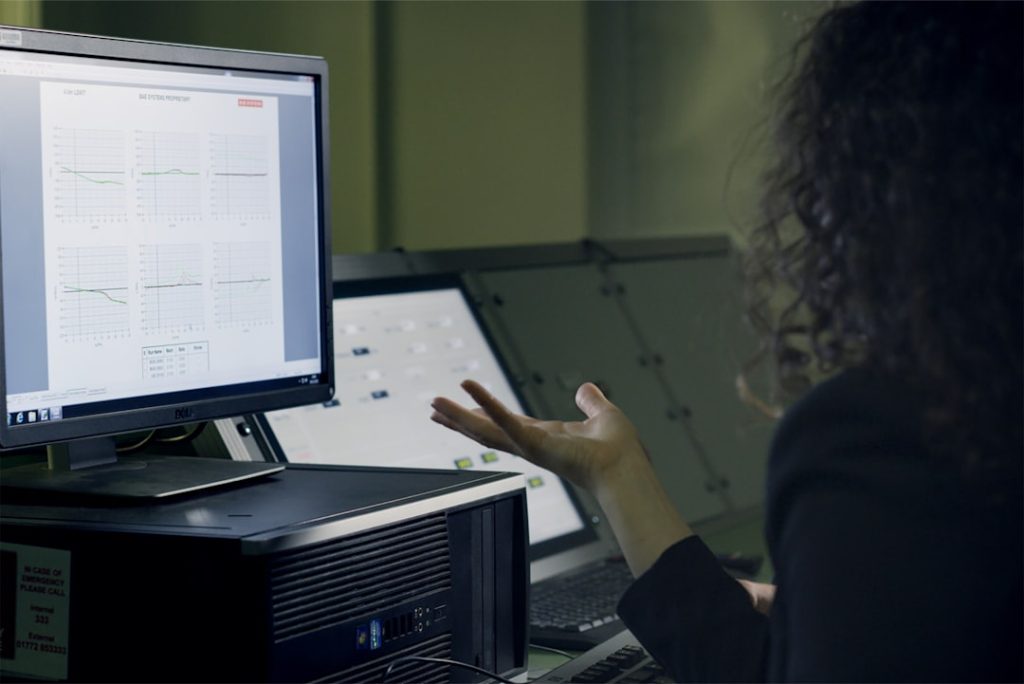
Clinical Data Management Systems (CDMS) are pivotal in the realm of clinical research, serving as the backbone for data collection, management, and analysis throughout the lifecycle of clinical trials. These systems are designed to facilitate the efficient handling of vast amounts of data generated during clinical studies, ensuring that the information is accurate, secure, and readily accessible. As the complexity of clinical trials increases, driven by advancements in medical research and regulatory requirements, the role of CDMS has become increasingly critical.
They not only streamline data management processes but also enhance the integrity and reliability of clinical data, which is essential for regulatory submissions and ultimately for patient safety. The evolution of CDMS has been marked by significant technological advancements, transitioning from traditional paper-based methods to sophisticated electronic systems. This shift has enabled researchers to capture data in real-time, reduce errors associated with manual data entry, and improve overall efficiency.

Furthermore, the integration of CDMS with other technological solutions, such as electronic health records (EHRs) and laboratory information management systems (LIMS), has created a more cohesive environment for data management. As clinical trials become more globalized and collaborative, the need for robust CDMS that can handle diverse data sources and comply with various regulatory standards has never been more pressing.
Key Takeaways
- Clinical Data Management Systems (CDMS) enhance the accuracy and efficiency of clinical trial data handling.
- Key features include data integration, automated workflows, and compliance management to ensure high-quality data.
- Best practices emphasize proper implementation, user training, and continuous system evaluation for optimal use.
- Leveraging analytics within CDMS supports informed decision-making and improves trial outcomes.
- Emerging trends focus on advanced automation, AI integration, and enhanced data interoperability for future clinical research.
Key Features and Benefits of Clinical Data Management Systems

One of the most significant features of Clinical Data Management Systems is their ability to facilitate electronic data capture (EDC). EDC allows researchers to collect data directly from clinical sites using electronic forms, which can be accessed via web-based platforms. This method not only accelerates the data collection process but also minimizes the risk of transcription errors that often occur with paper-based systems.
Additionally, EDC systems often come equipped with built-in validation checks that ensure data integrity at the point of entry, further enhancing the quality of the collected data. Another key feature is the comprehensive data management capabilities that CDMS offer. These systems provide tools for data cleaning, validation, and reconciliation, which are essential for maintaining high-quality datasets.
Researchers can track discrepancies and resolve issues in real-time, ensuring that the data remains accurate and reliable throughout the study. Moreover, CDMS often include robust reporting functionalities that allow stakeholders to generate customized reports on demand, facilitating better decision-making and transparency in the research process. The ability to visualize data through dashboards and analytics tools also empowers researchers to identify trends and insights that can inform future studies.
Best Practices for Implementing and Utilizing Clinical Data Management Systems
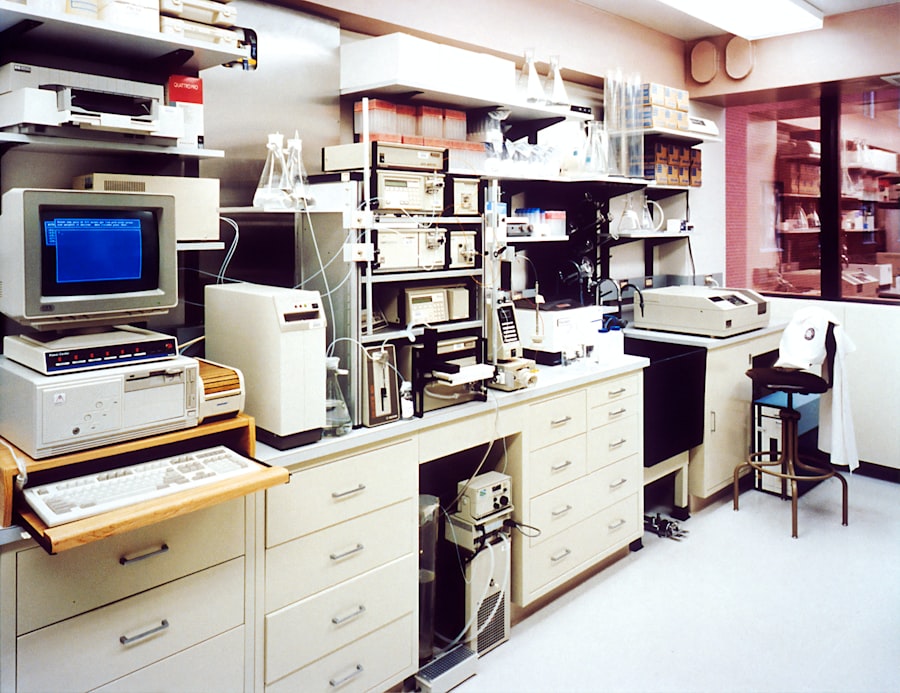
Implementing a Clinical Data Management System requires careful planning and consideration to ensure its success. One best practice is to involve all relevant stakeholders early in the process. This includes clinical researchers, data managers, biostatisticians, and IT personnel who will be using the system.
By gathering input from these diverse groups, organizations can better understand their specific needs and tailor the CDMS accordingly. Additionally, providing comprehensive training for users is crucial; it ensures that all team members are proficient in utilizing the system’s features effectively. Another important aspect of successful implementation is establishing clear protocols for data entry and management.
Standard operating procedures (SOPs) should be developed to guide users on how to enter data consistently and accurately. This includes defining data formats, coding schemes, and validation rules that must be adhered to throughout the study. Regular audits and reviews of data management practices can help identify areas for improvement and ensure compliance with regulatory standards.
By fostering a culture of accountability and continuous improvement, organizations can maximize the benefits of their CDMS.
Maximizing Efficiency through Data Collection and Integration
Maximizing efficiency in clinical trials hinges on effective data collection and integration strategies. A well-designed CDMS should facilitate seamless integration with other systems such as EHRs, laboratory systems, and even mobile health applications. This interoperability allows for a more holistic view of patient data, enabling researchers to gather comprehensive datasets without duplicating efforts or introducing inconsistencies.
For instance, integrating EHRs with a CDMS can streamline patient recruitment by automatically identifying eligible participants based on their medical history. Moreover, employing standardized data collection instruments can significantly enhance efficiency. Utilizing common data elements (CDEs) across studies not only simplifies the data collection process but also promotes comparability between different trials.
This standardization is particularly beneficial in multi-site studies where variations in data collection methods can lead to discrepancies. By leveraging technology to automate data collection processes—such as using electronic patient-reported outcomes (ePRO)—researchers can reduce the burden on participants while ensuring timely and accurate data capture.
Ensuring Data Quality and Compliance with Clinical Data Management Systems
| Metric | Description | Typical Value / Range | Importance |
|---|---|---|---|
| Data Entry Error Rate | Percentage of errors detected during data entry | 0.1% – 1% | High – impacts data quality and study validity |
| Query Resolution Time | Average time taken to resolve data queries | 1 – 3 days | Medium – affects study timelines |
| System Uptime | Percentage of time the system is operational | 99.5% – 99.9% | High – ensures continuous data access |
| Data Lock Cycle Time | Time from last data entry to database lock | 1 – 4 weeks | High – critical for study completion |
| Number of Users | Count of active users accessing the system | 10 – 500+ | Low – depends on study size |
| Compliance Rate | Adherence to regulatory standards (e.g., 21 CFR Part 11) | 100% | Critical – mandatory for regulatory approval |
| Data Backup Frequency | Interval at which data backups are performed | Daily to Weekly | High – prevents data loss |
Data quality is paramount in clinical research, as it directly impacts the validity of study findings and regulatory compliance. Clinical Data Management Systems are equipped with various features designed to uphold data quality standards. For example, built-in validation checks can flag inconsistencies or outliers at the point of entry, allowing researchers to address issues immediately rather than during later stages of analysis.
Additionally, audit trails within CDMS provide a comprehensive record of all data modifications, ensuring transparency and accountability. Compliance with regulatory requirements is another critical aspect that CDMS must address. Different regions have specific guidelines governing clinical trials—such as Good Clinical Practice (GCP) guidelines and regulations set forth by agencies like the FDA or EMA robust CDMS should be designed to facilitate compliance by incorporating features such as electronic signatures for approvals and automated reporting capabilities that align with regulatory submissions.
Regular training sessions on compliance requirements for all team members involved in data management can further reinforce adherence to these standards.
Streamlining Processes with Automated Workflows and Reporting
Automation is a key driver of efficiency in clinical data management processes. By implementing automated workflows within a CDMS, organizations can significantly reduce manual tasks that are often time-consuming and prone to error. For instance, automated notifications can alert team members when specific milestones are reached or when actions are required—such as follow-ups on missing data or approvals needed for protocol amendments.
This proactive approach not only enhances communication among team members but also ensures that critical tasks are completed in a timely manner. Reporting capabilities within CDMS also benefit from automation. Traditional reporting methods often involve labor-intensive processes that require manual compilation of data from various sources.
In contrast, automated reporting tools can generate real-time reports based on predefined criteria, allowing stakeholders to access up-to-date information at any time. This immediacy enables quicker decision-making and fosters a more agile research environment where adjustments can be made based on current insights rather than historical data alone.
Leveraging Analytics and Insights for Decision Making
The integration of advanced analytics within Clinical Data Management Systems has transformed how researchers approach decision-making in clinical trials. By harnessing big data analytics tools, organizations can analyze vast datasets to uncover patterns and correlations that may not be immediately apparent through traditional analysis methods. For example, predictive analytics can help identify potential patient dropouts based on historical trends, allowing researchers to implement retention strategies proactively.
Moreover, visualization tools embedded within CDMS enable researchers to present complex data in an easily digestible format. Dashboards that display key performance indicators (KPIs) provide stakeholders with a snapshot of trial progress at a glance. This visual representation not only aids in monitoring study performance but also facilitates discussions during team meetings or presentations to sponsors and regulatory bodies.
By leveraging these insights effectively, organizations can make informed decisions that enhance trial outcomes and optimize resource allocation.
Future Trends and Innovations in Clinical Data Management Systems
As technology continues to evolve, so too will Clinical Data Management Systems. One emerging trend is the incorporation of artificial intelligence (AI) and machine learning (ML) into CDMS functionalities. These technologies have the potential to revolutionize data management by automating complex tasks such as data cleaning and anomaly detection.
For instance, AI algorithms could analyze historical datasets to identify common errors or patterns that lead to discrepancies, thereby improving overall data quality. Another innovation on the horizon is the increased use of decentralized clinical trials (DCTs), which leverage remote monitoring technologies and telehealth solutions to conduct studies outside traditional clinical settings. CDMS will need to adapt to accommodate this shift by integrating with wearable devices and mobile applications that collect real-time patient data remotely.
This evolution will not only enhance patient engagement but also broaden access to diverse populations, ultimately leading to more representative study results. In conclusion, Clinical Data Management Systems are integral to modern clinical research, providing essential tools for efficient data handling while ensuring compliance with regulatory standards. As these systems continue to evolve through technological advancements such as AI and DCTs, they will play an increasingly vital role in shaping the future of clinical trials and improving patient outcomes across the healthcare landscape.
