

Clinical trial data management software plays a pivotal role in the realm of clinical research, serving as a cornerstone for the collection, storage, and analysis of data generated during clinical trials. As the pharmaceutical and biotechnology industries continue to evolve, the complexity and volume of data produced in clinical trials have surged, necessitating robust systems that can handle this influx efficiently. These software solutions are designed to streamline the data management process, ensuring that researchers can focus on what truly matters: advancing medical science and improving patient outcomes.
The significance of clinical trial data management software extends beyond mere data handling; it encompasses regulatory compliance, data integrity, and the facilitation of collaboration among various stakeholders. With the increasing scrutiny from regulatory bodies such as the FDA and EMA, maintaining high standards of data quality and security is paramount. This software not only aids in adhering to these regulations but also enhances the overall efficiency of clinical trials, ultimately leading to faster drug development timelines and improved patient safety.
Key Takeaways
- Clinical trial data management software streamlines data collection, storage, and analysis in clinical research.
- Key benefits include improved data accuracy, regulatory compliance, and faster trial completion.
- Essential features to consider are user-friendly interfaces, robust security, and integration capabilities.
- Successful implementation requires thorough training, clear protocols, and ongoing support.
- Future trends point to increased use of AI, cloud computing, and real-time data monitoring to enhance trial efficiency.

Benefits of Using Clinical Trial Data Management Software
One of the primary benefits of utilizing clinical trial data management software is the enhancement of data accuracy and integrity. Traditional methods of data collection, such as paper-based systems or spreadsheets, are prone to human error, which can lead to significant issues in data quality. By employing specialized software, organizations can automate data entry processes, implement validation checks, and ensure that data is captured consistently across all trial sites.

This level of precision is crucial for maintaining the credibility of trial results and for meeting regulatory requirements. Additionally, clinical trial data management software facilitates real-time data access and monitoring. Researchers can track patient enrollment, adverse events, and other critical metrics as they occur, allowing for timely decision-making.
This immediacy not only helps in identifying potential issues early in the trial process but also fosters better communication among team members and stakeholders. The ability to generate real-time reports and dashboards further empowers organizations to make informed decisions based on up-to-date information, ultimately leading to more efficient trial management.
Features to Look for in Clinical Trial Data Management Software
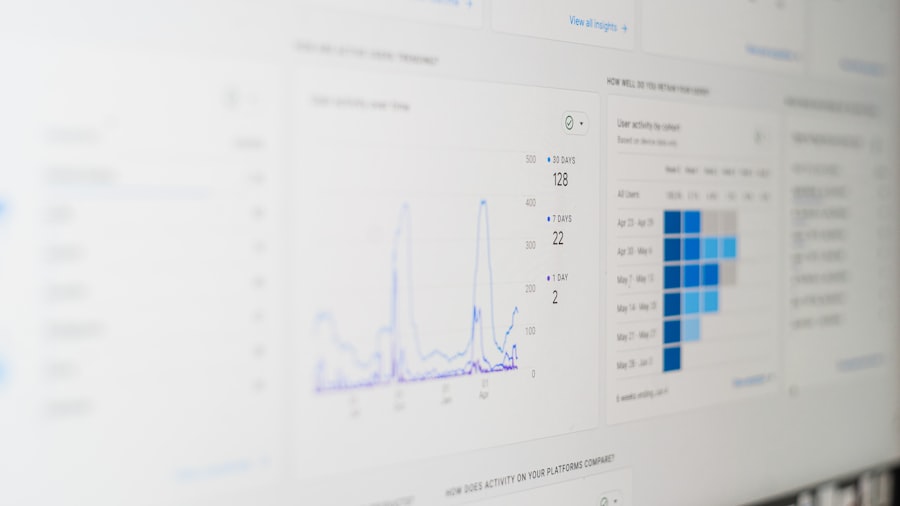
When selecting clinical trial data management software, several key features should be prioritized to ensure that the solution meets the specific needs of an organization. First and foremost, user-friendliness is essential. A system that is intuitive and easy to navigate will reduce training time for staff and enhance overall productivity.
Look for software that offers customizable dashboards and workflows, allowing users to tailor the interface to their preferences and streamline their daily tasks. Another critical feature is robust data security measures. Given the sensitive nature of clinical trial data, it is imperative that the software includes encryption protocols, user authentication processes, and audit trails to track data access and modifications.
Compliance with regulations such as HIPAA and GDPR should also be a priority when evaluating potential software solutions. Furthermore, integration capabilities with other systems—such as electronic health records (EHRs) or laboratory information management systems (LIMS)—can significantly enhance the functionality of the software by enabling seamless data exchange across platforms.
Best Practices for Implementing Clinical Trial Data Management Software
Implementing clinical trial data management software requires careful planning and execution to maximize its effectiveness. One best practice is to involve key stakeholders from various departments early in the selection process. This collaborative approach ensures that the chosen software aligns with the diverse needs of all users, from clinical researchers to data analysts.
Engaging these stakeholders can also facilitate smoother adoption by fostering a sense of ownership and commitment to the new system. Training is another critical component of successful implementation. Comprehensive training programs should be developed to equip users with the necessary skills to navigate the software effectively.
This training should not only cover basic functionalities but also delve into advanced features that can enhance productivity. Ongoing support and resources should be made available post-implementation to address any challenges users may encounter as they become more familiar with the system.
How to Choose the Right Clinical Trial Data Management Software for Your Organization
| Software Name | Key Features | Data Security | Compliance Standards | User Interface | Integration Capabilities | Pricing Model |
|---|---|---|---|---|---|---|
| Medidata Rave | eCRF design, data validation, query management | 256-bit encryption, role-based access | FDA 21 CFR Part 11, HIPAA, GDPR | Intuitive, customizable dashboards | API, EDC, CTMS integration | Subscription-based |
| Oracle Clinical | Data capture, monitoring, reporting tools | Multi-factor authentication, audit trails | FDA 21 CFR Part 11, ICH GCP | Complex but comprehensive | Oracle EDC, CTMS, ERP systems | License fee + maintenance |
| OpenClinica | Open-source, eCRF, data export | SSL encryption, user authentication | FDA 21 CFR Part 11, HIPAA | User-friendly, web-based | API, CDISC standards | Free community edition, paid enterprise |
| REDCap | Survey tools, data entry, audit logs | Secure login, data encryption | HIPAA compliant | Simple, form-based | API, external database export | Free for academic use |
| Veeva Vault EDC | Cloud-based, real-time data capture | Cloud security, encryption, access control | FDA 21 CFR Part 11, GDPR | Modern, responsive UI | Veeva CRM, CTMS integration | Subscription-based |
Choosing the right clinical trial data management software involves a thorough assessment of both organizational needs and available options in the market. Start by conducting a needs analysis that identifies specific requirements based on the types of trials being conducted, the volume of data generated, and any regulatory considerations unique to your organization. This analysis will serve as a foundation for evaluating potential software solutions.
Once you have established your requirements, it is essential to conduct a comprehensive market review. Look for vendors with a proven track record in clinical trial data management and seek out user reviews or case studies that highlight their experiences with different software solutions. Requesting demonstrations or trial versions can provide valuable insights into how well a particular system aligns with your organization’s needs.
Additionally, consider factors such as customer support, scalability, and pricing models when making your final decision.
Maximizing Efficiency with Clinical Trial Data Management Software

To fully leverage the capabilities of clinical trial data management software, organizations must adopt strategies that promote efficiency throughout the trial process. One effective approach is to standardize data collection methods across all sites involved in a trial. By establishing clear protocols for data entry and ensuring that all team members are trained on these standards, organizations can minimize discrepancies and enhance data consistency.
Moreover, utilizing automation features within the software can significantly reduce manual workloads. For instance, automating routine tasks such as patient follow-ups or report generation allows researchers to allocate more time to critical analysis and decision-making activities. Additionally, implementing real-time monitoring tools can help identify trends or anomalies in data as they arise, enabling proactive interventions that can mitigate risks associated with trial delays or non-compliance.
Case Studies: Successful Implementation of Clinical Trial Data Management Software
Several organizations have successfully implemented clinical trial data management software, showcasing its transformative impact on their research processes. For example, a mid-sized biotechnology firm faced challenges with managing vast amounts of patient data across multiple sites during a Phase III clinical trial for a new oncology drug. By adopting a cloud-based clinical trial management system (CTMS), they were able to centralize their data collection efforts, streamline communication among sites, and enhance real-time reporting capabilities.
As a result, they reduced their trial timelines by 20% while maintaining compliance with regulatory standards. Another notable case involves a large pharmaceutical company that struggled with inefficiencies stemming from disparate systems used for data collection and analysis. After implementing an integrated clinical trial data management solution that combined EHRs with their existing databases, they achieved significant improvements in data accuracy and accessibility.
The integration allowed for seamless data flow between departments, reducing redundancy and enabling faster decision-making processes. This holistic approach not only improved operational efficiency but also enhanced collaboration among research teams.
Future Trends in Clinical Trial Data Management Software
The landscape of clinical trial data management software is poised for significant evolution in the coming years, driven by advancements in technology and changing regulatory environments. One prominent trend is the increasing adoption of artificial intelligence (AI) and machine learning (ML) algorithms within these systems. These technologies can analyze vast datasets more efficiently than traditional methods, identifying patterns or predicting outcomes that may not be immediately apparent to human researchers.
As AI continues to mature, its integration into clinical trial data management will likely lead to more informed decision-making and optimized trial designs. Another trend is the growing emphasis on patient-centric approaches in clinical trials. Software solutions are increasingly incorporating features that enhance patient engagement, such as mobile applications for real-time reporting of symptoms or side effects.
This shift not only improves patient experience but also enriches the quality of collected data by capturing real-world evidence directly from participants. As regulatory bodies recognize the importance of patient input in drug development processes, these features will become essential components of clinical trial data management software. In summary, clinical trial data management software is an indispensable tool in modern clinical research, offering numerous benefits ranging from enhanced data accuracy to improved operational efficiency.
By understanding its features, best practices for implementation, and future trends, organizations can position themselves at the forefront of innovation in drug development while ensuring compliance with regulatory standards.
