

Mayo Clinic, a renowned healthcare institution, has long been at the forefront of medical research and innovation. Established in 1889, it has evolved into a global leader in patient care, education, and research. One of the cornerstones of its mission is the conduct of clinical trials, which are essential for advancing medical knowledge and improving patient outcomes.
These trials are meticulously designed studies that test new treatments, drugs, and medical devices, providing critical data that can lead to breakthroughs in healthcare. The Mayo Clinic Trials program is not only a testament to the institution’s commitment to scientific inquiry but also a vital resource for patients seeking cutting-edge therapies. The trials conducted at Mayo Clinic encompass a wide range of medical disciplines, reflecting the institution’s comprehensive approach to healthcare.

From oncology to cardiology, neurology to pediatrics, Mayo Clinic’s research efforts are diverse and far-reaching. The trials are designed to answer specific scientific questions, often focusing on the efficacy and safety of new interventions. By participating in these trials, patients contribute to the collective understanding of diseases and their treatments, paving the way for future advancements in medicine.
The integration of clinical trials into patient care at Mayo Clinic exemplifies a model where research and treatment go hand in hand, ultimately enhancing the quality of care provided to patients.
Key Takeaways
- Mayo Clinic Trials play a crucial role in advancing medical research and treatment options.
- Various types of clinical trials are conducted to explore new therapies and improve patient care.
- Patient participation is essential for the success and development of innovative medical treatments.
- Mayo Clinic Trials have significantly impacted healthcare by introducing groundbreaking medical advancements.
- The future of medical research at Mayo Clinic focuses on continued innovation and improving patient outcomes.

The Importance of Medical Research
Medical research is the backbone of modern healthcare, driving innovations that lead to improved treatments and better patient outcomes. It encompasses a wide array of activities, from basic laboratory studies to large-scale clinical trials that evaluate new therapies in human subjects. The significance of medical research cannot be overstated; it is through rigorous investigation that we gain insights into disease mechanisms, identify potential therapeutic targets, and develop effective interventions.
Without such research, many of the medical advancements we take for granted today would not exist. Moreover, medical research plays a crucial role in addressing public health challenges. As diseases evolve and new health threats emerge, ongoing research is essential for developing strategies to combat these issues.
For instance, the rapid development of COVID-19 vaccines was made possible by extensive research efforts that leveraged existing knowledge about coronaviruses. This example underscores the importance of having robust research infrastructures like those at Mayo Clinic, which can mobilize quickly in response to emerging health crises. By investing in medical research, institutions not only enhance their own capabilities but also contribute to the global effort to improve health outcomes for all.
How Mayo Clinic Trials Work
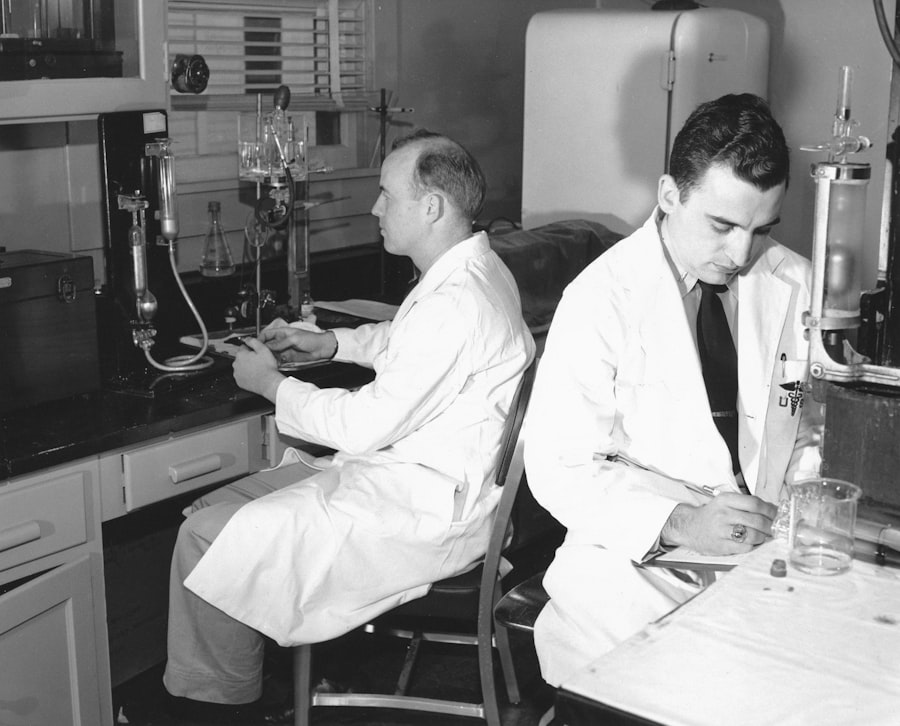
The process of conducting clinical trials at Mayo Clinic is governed by strict ethical standards and regulatory guidelines to ensure patient safety and scientific integrity. Before a trial can commence, it must undergo a rigorous review process that includes evaluation by an institutional review board (IRB). This board assesses the trial’s design, potential risks, and benefits to participants, ensuring that ethical considerations are prioritized.
Once approved, the trial can begin recruiting participants who meet specific eligibility criteria. Recruitment is a critical phase in the trial process. Mayo Clinic employs various strategies to identify and enroll suitable candidates, including outreach through physician referrals, patient registries, and community engagement initiatives.
Participants are provided with comprehensive information about the trial’s purpose, procedures, potential risks, and benefits before giving their informed consent. This transparency is vital for fostering trust between researchers and participants. Throughout the trial, participants are closely monitored for safety and efficacy, with data collected at various intervals to assess the treatment’s impact.
Types of Trials Conducted at Mayo Clinic
Mayo Clinic conducts a diverse array of clinical trials across multiple specialties, reflecting its commitment to advancing medical knowledge in various fields. These trials can be broadly categorized into interventional studies, observational studies, and registry studies. Interventional trials involve testing new treatments or procedures against standard care or placebo controls.
For example, a recent trial in oncology may investigate a novel immunotherapy drug’s effectiveness compared to traditional chemotherapy in patients with advanced cancer. Observational studies, on the other hand, focus on understanding disease progression or treatment outcomes without intervening directly. These studies can provide valuable insights into real-world patient experiences and help identify factors that influence treatment success.
Registry studies collect data from patients receiving specific treatments over time, allowing researchers to analyze long-term outcomes and side effects. For instance, Mayo Clinic has established registries for various chronic conditions such as diabetes and heart disease to track patient health over extended periods.
Advancements in Medical Treatments from Mayo Clinic Trials
| Trial Name | Condition | Phase | Enrollment | Start Date | Completion Date | Status |
|---|---|---|---|---|---|---|
| Cardiovascular Outcomes Study | Heart Failure | Phase 3 | 500 | 2022-01-15 | 2024-12-31 | Recruiting |
| Diabetes Management Trial | Type 2 Diabetes | Phase 2 | 300 | 2021-06-01 | 2023-11-30 | Active, not recruiting |
| Alzheimer’s Disease Biomarker Study | Alzheimer’s Disease | Phase 1 | 150 | 2023-03-10 | 2025-03-09 | Recruiting |
| Immunotherapy in Lung Cancer | Lung Cancer | Phase 3 | 400 | 2020-09-20 | 2023-09-19 | Completed |
| COVID-19 Vaccine Efficacy | COVID-19 | Phase 4 | 1000 | 2021-02-01 | 2022-12-31 | Completed |
The contributions of Mayo Clinic trials to medical advancements are significant and far-reaching. Over the years, numerous breakthroughs have emerged from these studies, leading to improved treatment options for patients worldwide. One notable example is the development of targeted therapies for cancer treatment.
Clinical trials conducted at Mayo Clinic have played a pivotal role in identifying specific genetic mutations associated with various cancers, leading to personalized treatment approaches that enhance efficacy while minimizing side effects. Additionally, Mayo Clinic has been instrumental in advancing cardiovascular care through its clinical trials. Research on innovative devices such as transcatheter heart valves has transformed how heart conditions are treated, allowing for less invasive procedures with quicker recovery times.
These advancements not only improve patient outcomes but also reduce healthcare costs associated with prolonged hospital stays and complications from traditional surgical approaches. The ongoing commitment to clinical research at Mayo Clinic ensures that patients have access to the latest therapies and interventions that can significantly enhance their quality of life.
Patient Involvement in Mayo Clinic Trials

Patient involvement is a cornerstone of the clinical trial process at Mayo Clinic. The institution recognizes that patients are not just subjects but active participants in advancing medical knowledge. Engaging patients in research helps ensure that studies are designed with their needs and preferences in mind.
This collaborative approach fosters a sense of ownership among participants and enhances the relevance of research findings. Mayo Clinic employs various strategies to facilitate patient involvement in trials. For instance, patient advisory boards are often established to gather input from individuals who have experienced specific health conditions or treatments.
These boards provide valuable insights into study design, recruitment strategies, and patient education materials. Furthermore, Mayo Clinic emphasizes clear communication throughout the trial process, ensuring that participants understand their roles and responsibilities while also feeling supported by the research team.
Impact of Mayo Clinic Trials on Healthcare
The impact of Mayo Clinic trials extends beyond individual patients; it resonates throughout the broader healthcare landscape. By generating high-quality evidence through rigorous research methodologies, these trials contribute to the development of clinical guidelines and best practices that shape how healthcare is delivered globally. For instance, findings from Mayo Clinic trials have influenced treatment protocols for various diseases, leading to standardized approaches that improve patient care across different healthcare settings.
Moreover, the collaborative nature of Mayo Clinic’s research efforts fosters partnerships with other institutions and organizations. By sharing data and findings with the wider scientific community, Mayo Clinic helps accelerate the pace of medical innovation. This collaborative spirit is particularly evident in multi-center trials that involve multiple institutions working together to address complex health issues.
Such collaborations enhance the diversity of study populations and increase the generalizability of findings, ultimately benefiting patients everywhere.
Future of Medical Research at Mayo Clinic
Looking ahead, the future of medical research at Mayo Clinic appears promising as it continues to embrace innovation and adapt to emerging challenges in healthcare. The integration of advanced technologies such as artificial intelligence (AI) and machine learning into clinical research holds great potential for enhancing trial design and patient recruitment processes. These technologies can analyze vast amounts of data quickly, identifying patterns that may inform treatment decisions or streamline trial operations.
Furthermore, as precision medicine gains traction, Mayo Clinic is well-positioned to lead efforts in tailoring treatments based on individual genetic profiles and biomarkers. Ongoing investments in genomic research and biobanking initiatives will enable researchers to explore new therapeutic avenues and develop targeted interventions for complex diseases. As healthcare continues to evolve, Mayo Clinic remains committed to its mission of improving patient care through innovative research that addresses current and future health challenges.
